
Brief
The M4-22 Elite and the Case for a .22 LR AR Trainer
A breakdown of the Tippmann Arms M4-22 Elite specs, plus how to choose between a dedicated .22 LR AR trainer and a conversion kit for high volume practice.
Shop this at BLVista
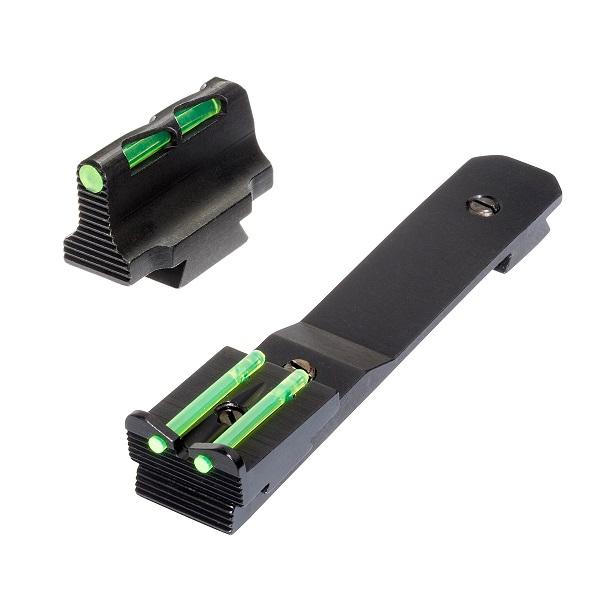
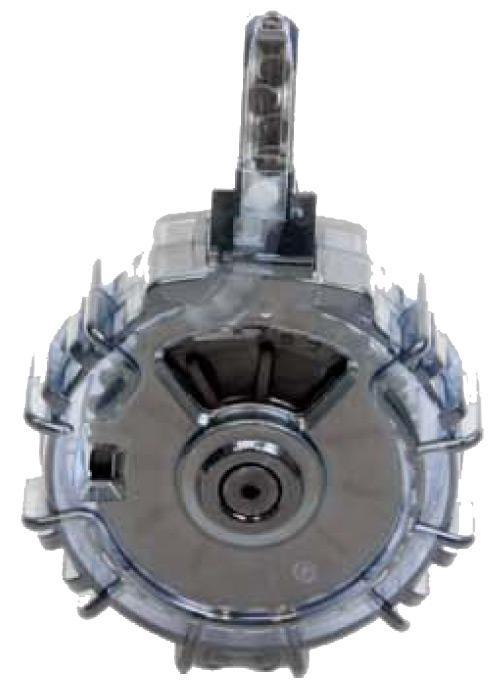
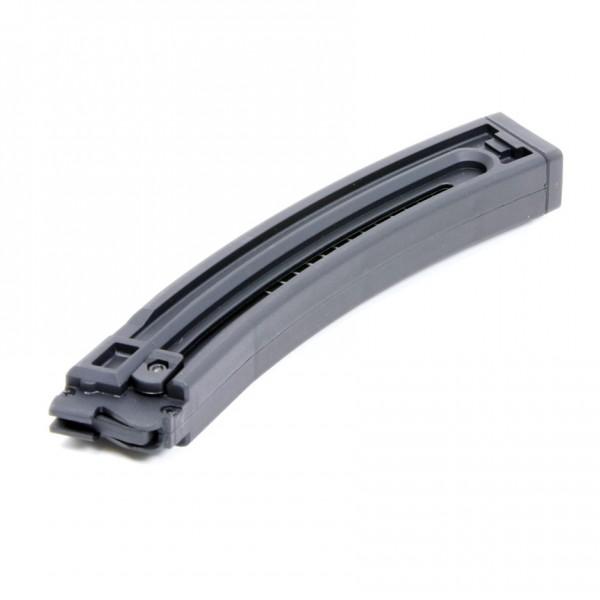
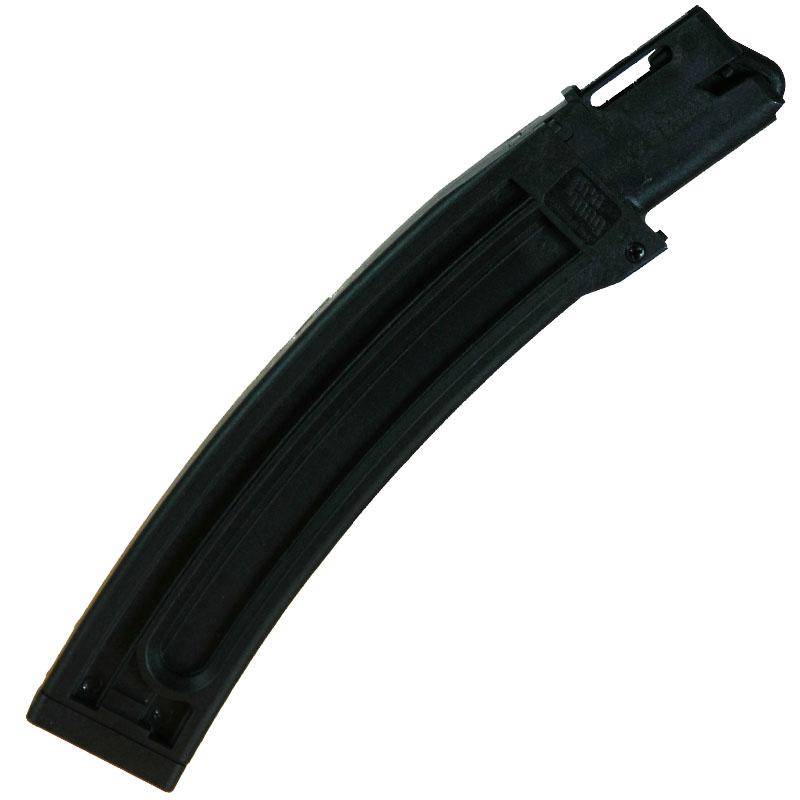
Ammunition cost decides how much you actually shoot. That is the uncomfortable truth behind most training plans. A shooter who budgets 200 rounds a month of 5.56 will run fewer repetitions than one who splits that budget between centerfire confirmation work and high volume rimfire practice. The dedicated AR-pattern .22 LR rifle exists to close that gap, and the Tippmann Arms M4-22 Elite is one of the clearest examples of the category done as a purpose-built firearm rather than a conversion kit.
That design approach recently earned it a large institutional training role overseas, where it replaced a rimfire trainer platform that had been in service with reserve student programs for roughly four decades. Institutional buyers care about parts life, armorer support, and cost per round fired across dozens of ranges. Those same priorities should shape how an individual buyer evaluates a rimfire trainer.
What the specifications actually tell you
The published civilian configuration of the M4-22 Elite reads as follows:
- Caliber: .22 LR, semi-automatic blowback
- Barrel: 16 inches, 4150 solid steel, 1:16 twist
- Overall length: 31.5 to 35 inches with an adjustable stock
- Weight: 5 pounds 8 ounces
- Magazine: 25 rounds
- Handguard: 12-inch free-float aluminum with M-LOK
- Receiver: aluminum upper and lower
- Trigger: approximately 4.5 pounds
- Muzzle: 1/2×28 threads behind an A2 birdcage
- Sights: adjustable flip-up irons on a full-length Picatinny top rail
- MSRP: $649.95
Read those numbers as a system. A solid 4150 steel barrel in .22 LR is not about pressure, since rimfire operates far below centerfire chamber pressures. It is about rigidity, thread durability at the muzzle, and resistance to the abuse a trainer absorbs from repeated mounting, cleaning rods, and sling tension. The 1:16 twist is the conventional rimfire standard and stabilizes the 36 to 40 grain bullets that dominate the category, including subsonic 40 grain loads in the 1,050 fps range that pair well with a can.
The 5 pound 8 ounce weight sits close to a lightweight 5.56 carbine, which matters more than it sounds. If your trainer weighs 2 pounds less than your duty or hunting rifle, your hold, your natural point of aim, and your transitions all shift. A trainer that lands within roughly a pound of the primary rifle keeps the physical feedback honest. Adding an optic and a light closes the gap further.
Purpose-built rifle versus conversion kit
You have two paths to rimfire AR practice. A dedicated upper or complete rifle, or a drop-in bolt conversion that runs .22 LR through your existing 5.56 upper.
Conversions are cheaper up front and preserve the exact trigger and stock you already use. The tradeoff is accuracy and fouling. A .223 bore measures roughly .224 inches while .22 LR bullets run near .223 to .2255 inches with a heeled, lubricated lead profile. Groups open up, and lead and wax residue collects in a gas system that was never meant to see it. Expect a serious cleaning session after every few hundred rounds.
A dedicated rifle with a correctly bored barrel and a blowback action removes that compromise. Your 5.56 upper stays clean, your bore diameter is correct, and the magazine is designed around rimmed cartridges rather than adapted to them. The cost is a second rifle and a second magazine inventory.
A selection checklist for rimfire trainers
- Control match. Does the safety selector, magazine release, and bolt catch operate exactly like your primary rifle? Partial matches build partial habits.
- Trigger consistency. A 4.5 pound trigger on the trainer and a 3 pound trigger on the primary teaches two different presses. Match them or accept the difference consciously.
- Optic mounting. A full-length Picatinny rail lets you run the same mount height and eye relief you use on the carbine. Consistent height over bore keeps your close-range holdovers meaningful.
- Muzzle threads. A 1/2×28 muzzle is the common rimfire and 5.56 standard, so a .22 LR rated suppressor mounts directly. Confirm your can is rated for the host and understand rimfire cans are usually user serviceable for lead buildup.
- Magazine availability. A 25-round magazine is only useful if you can buy six more. Plan on at least four to six magazines for any class or drill day.
- Ammunition tolerance. Blowback rimfire actions are sensitive to velocity. Standard velocity and bulk pack loads cycle differently. Test at least three loads before committing.
If you are also shopping glass for the trainer, our rifle field optics guide covers how magnification, reticle choice, and mount height carry over between rimfire and centerfire setups. For suppressed rimfire work, the suppressor buyer’s guide walks through host compatibility and maintenance expectations.
Where a .22 trainer earns its keep
Position work is the obvious win. Prone, kneeling, seated, and unsupported standing all reward volume, and volume is exactly what .22 LR makes affordable. At typical bulk pricing, you can fire several hundred rimfire rounds for what a hundred rounds of quality 5.56 costs.
Recoil anticipation is the second win. A new shooter who flinches will keep flinching with 5.56 because the report reinforces the habit. Rimfire, especially suppressed, strips the stimulus away so the shooter can see and fix the trigger press.
Hunters get a third benefit. Small game and pest control with a .22 LR at 50 yards uses the same rifle, the same optic setup, and the same fundamentals you use on a deer rifle. The 16-inch barrel with a 40 grain load will hold usable accuracy well past most small game distances, and the light 5 pound 8 ounce package carries easily on long walks.
Ownership, maintenance, and storage
Rimfire ammunition is dirty. Lead, wax lubricant, and unburned powder accumulate in the bolt face, chamber, and buffer area faster than centerfire fouling. Plan on wiping the bolt and chamber every 300 to 500 rounds and a deeper strip at 1,000. A nylon brush, solvent, and patience handle most of it. Do not over-oil a blowback rimfire action, since excess lubricant traps fouling and turns into a paste that slows the bolt.
Magazines need the same attention. Rimfire feed lips and followers collect residue, and a sticky follower is the most common cause of failures to feed. Disassemble and clean them periodically.
For transport and storage, treat the trainer like any other rifle. A hard case for vehicle transport, a locked container at home, and awareness that transport rules vary by state. If you travel across the Northeast or Mid-Atlantic with rifles, our New York gun laws overview and Virginia gun laws overview cover the basics of lawful transport and magazine considerations. Some jurisdictions apply feature and capacity restrictions to rimfire semi-automatics, so verify configuration before you travel.
How to decide your next step
Answer two questions. First, how many rounds per month do you actually want to fire, and can your budget support that in centerfire? If the honest answer is no, a dedicated rimfire trainer pays for itself within a year of regular practice. Second, how closely does your trainer need to mirror your primary rifle? If you carry or compete with an AR platform, an AR-pattern .22 with matching controls, a threaded muzzle, and a full-length rail is the closer fit. If you simply want an affordable plinker, a traditional rimfire sporter costs less and does that job fine.
Compare configurations and pricing on .22 LR AR-pattern rifles and stock up on rimfire magazines before your next range block. Buying the magazines and a cleaning kit at the same time as the rifle prevents the most common reason a trainer sits in the safe.
Was this useful?