
Guides
Rifle and Field Optics Guide
A field-focused optics guide covering spotting scopes, LPVO setups, rifle dot-plus-magnifier choices, mounting, and buyer tradeoffs.
Optics buying gets messy when every product page looks like a standalone answer. The durable comparison points are task fit, mounting, magnification behavior, weight, and how the optic works in the field rather than on a spec sheet.
- Articles
- 4
- Shop links
- 3
- Questions answered
- 6
Lead article
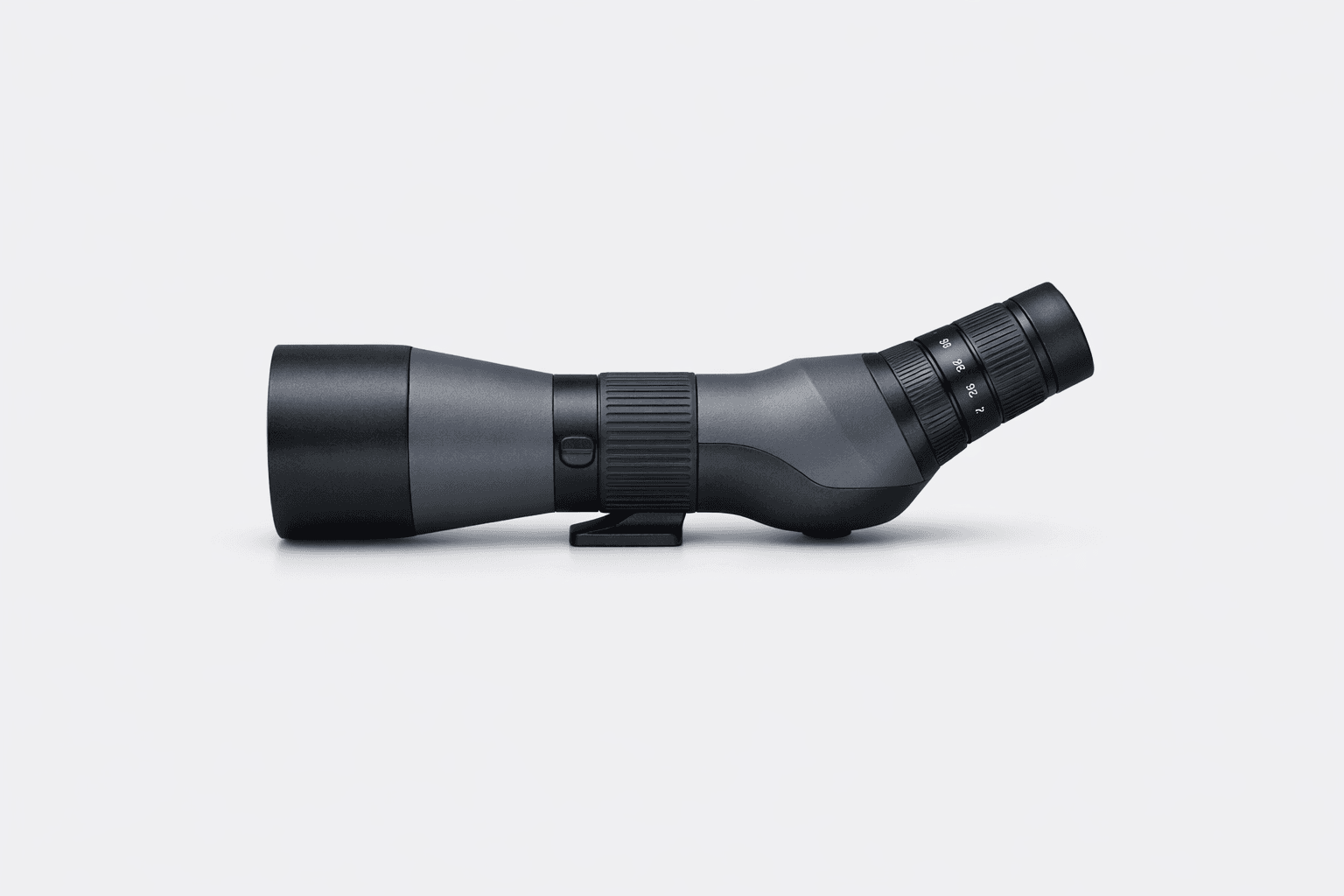
Zeiss Conquest Apia 65 Spotting Scope: The Practical Case for a Midsize 20-50x Optic
A field-focused look at the Zeiss Conquest Apia 65 and why optical quality, weight, and tripod fit matter more than chasing max magnification.
Read the lead articleRelated articles
Each article below answers a narrower question that feeds back into the main guide.
Zeiss Conquest Apia 65 Spotting Scope: The Practical Case for a Midsize 20-50x Optic
A field-focused look at the Zeiss Conquest Apia 65 and why optical quality, weight, and tripod fit matter more than chasing max magnification.
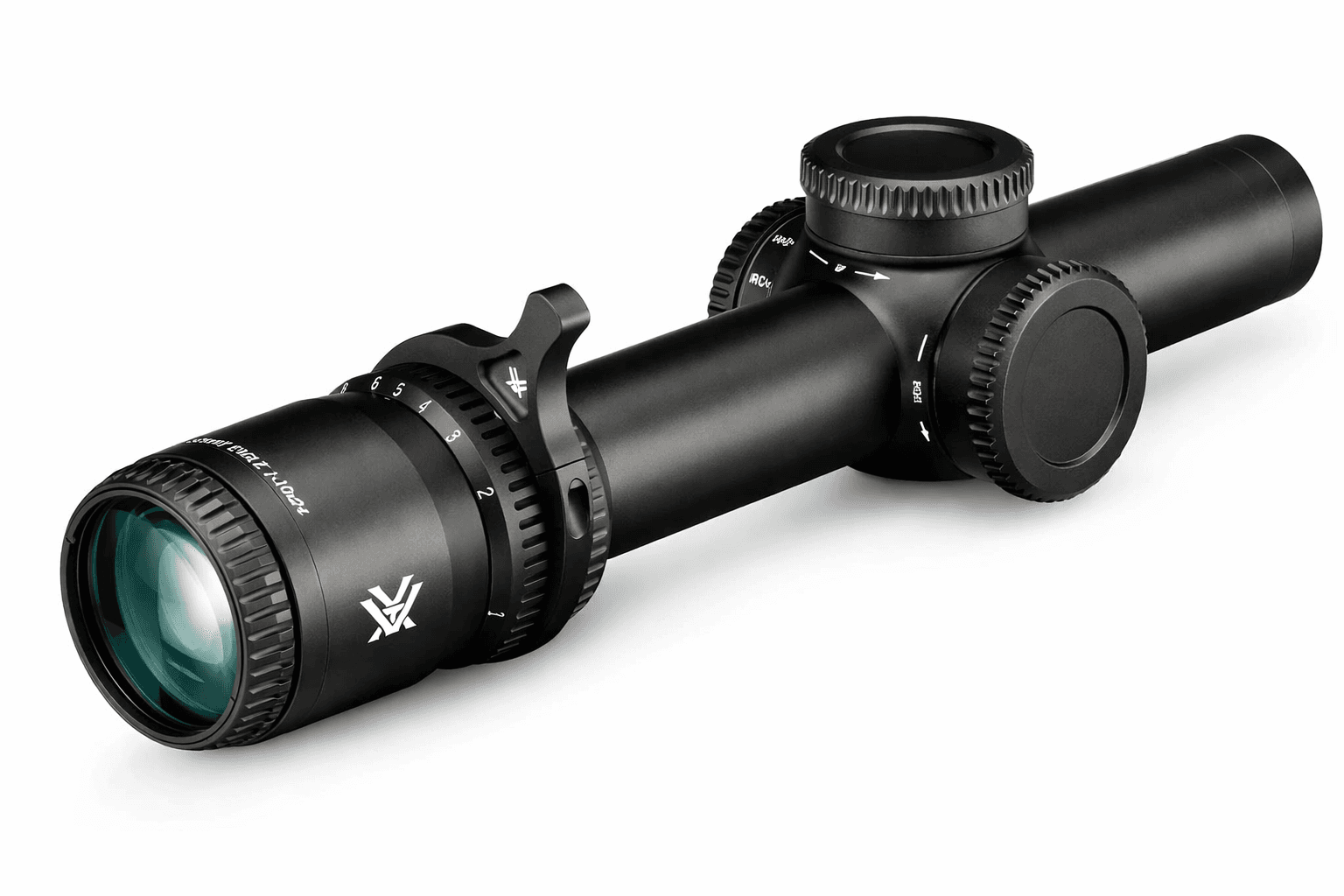
Vortex Strike Eagle 1-10×24 FFP: What Matters in a Budget 1-10 LPVO and How to Set It Up Right
A practical look at the Strike Eagle 1-10×24 FFP: FFP tradeoffs, illumination, mounts, durability, and how to pick MRAD vs MOA for real use.
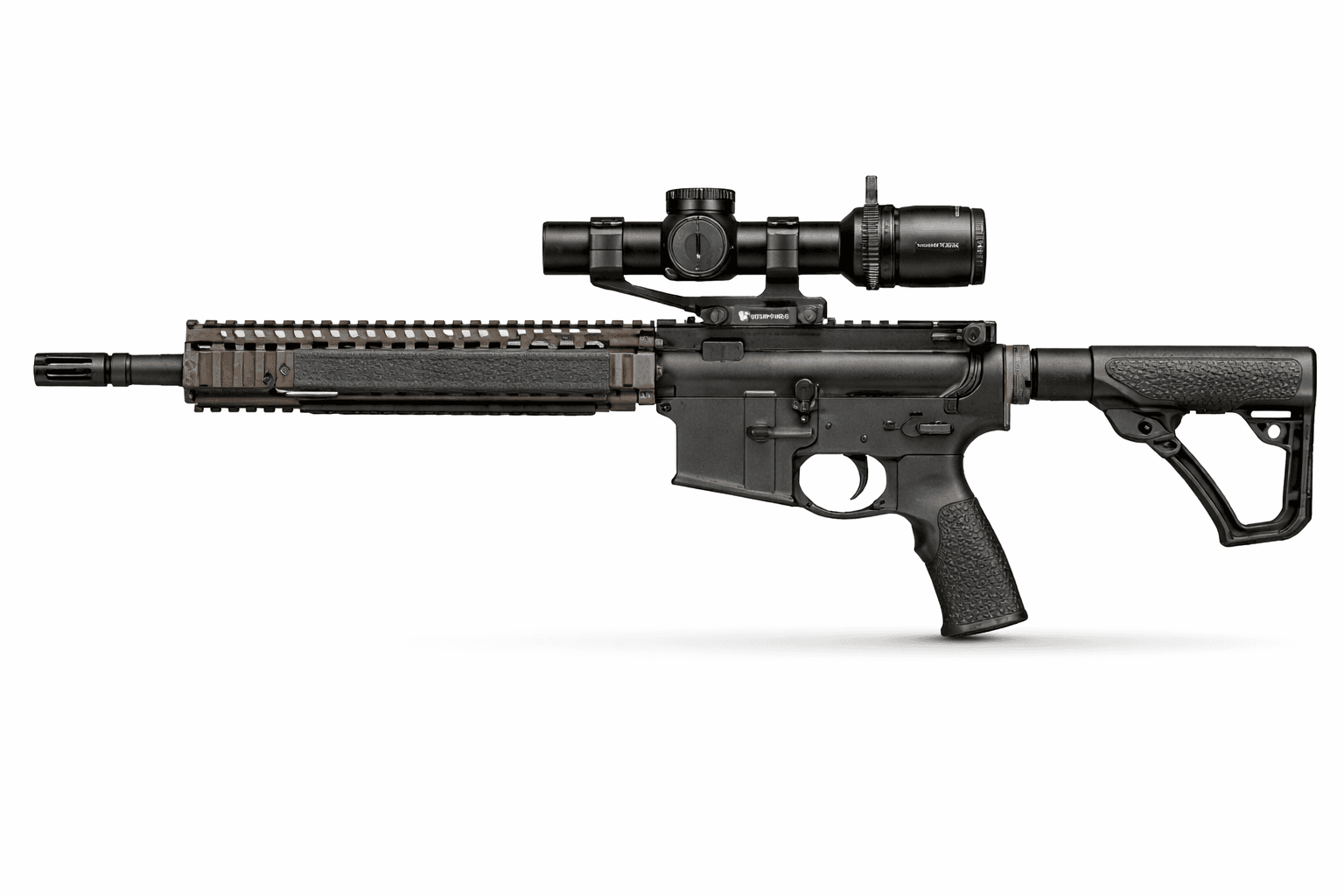
Vortex Strike Eagle 1-10×24 FFP: A Practical Buyer’s Take on the New Value LPVO
A field-focused look at the Strike Eagle 1-10×24 FFP: reticle choices, real distance use, mounting, durability, and who benefits from 1-10x.
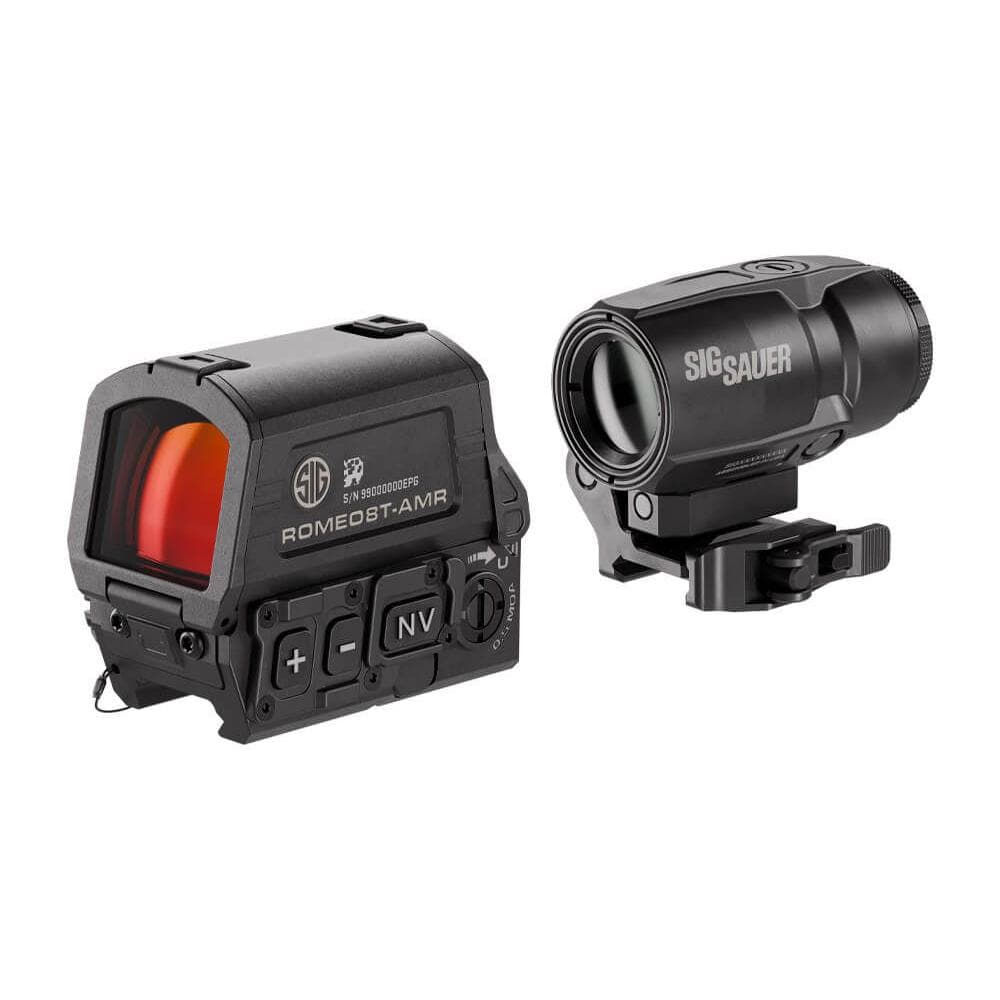
Sig Sauer Romeo8T-AMR and Juliet3T-AMR Review: A Smarter Red Dot and Magnifier Pair for Real Range Work
Hands-on analysis of the Sig Romeo8T-AMR and Juliet3T-AMR: automatic reticle and brightness changes, durability, NV use, and real tradeoffs.
Shop this guide
These are the live categories and products that match the practical questions behind this topic.
Optics
Start broad when you need to compare rifle scopes, spotting optics, red dots, and mounts.
Spotting Scopes
Field-viewing options for hunting, spotting trace, and range observation.
Rifle Scopes
Rifle optics for LPVO, hunting, and general-purpose rifle setups.
Frequently asked questions
FAQ
Choose from the job. LPVOs help when you need more deliberate aiming and observation across distance, while a red dot and magnifier stays lighter and faster when speed matters more than a do-everything reticle.
A spotting scope earns its place when you need to read trace, call impacts, judge detail, or work from a stable position for longer stretches. Binoculars usually win when scanning comfort, mobility, and broader field awareness matter more.
Usually less than people think. Image quality, reticle usefulness, eye box forgiveness, and stability matter more than chasing the biggest zoom number on the box.
First focal plane helps if you want holds to stay consistent across magnification changes. Second focal plane can be simpler, brighter, and easier to live with when the optic is mostly used at familiar magnification settings.
Yes. A mediocre mount can waste a good optic through lost zero, poor alignment, awkward height, or inconsistent eye position. Buyers often under-budget the part that keeps the whole system honest.
Weight, low-light behavior, forgiving eye box, tripod compatibility, and how quickly you can get behind the optic matter more in the field than spec-sheet bragging numbers.