
Brief
BCA Bolt-Action AR Upper Review: Who It’s For, What Breaks, and How to Set It Up Right
Hands-on evaluation of the BCA bolt-action AR upper: bolt binding, magazine sensitivity, practical accuracy, suppressor setup, maintenance, and who should...
Shop this at BLVista

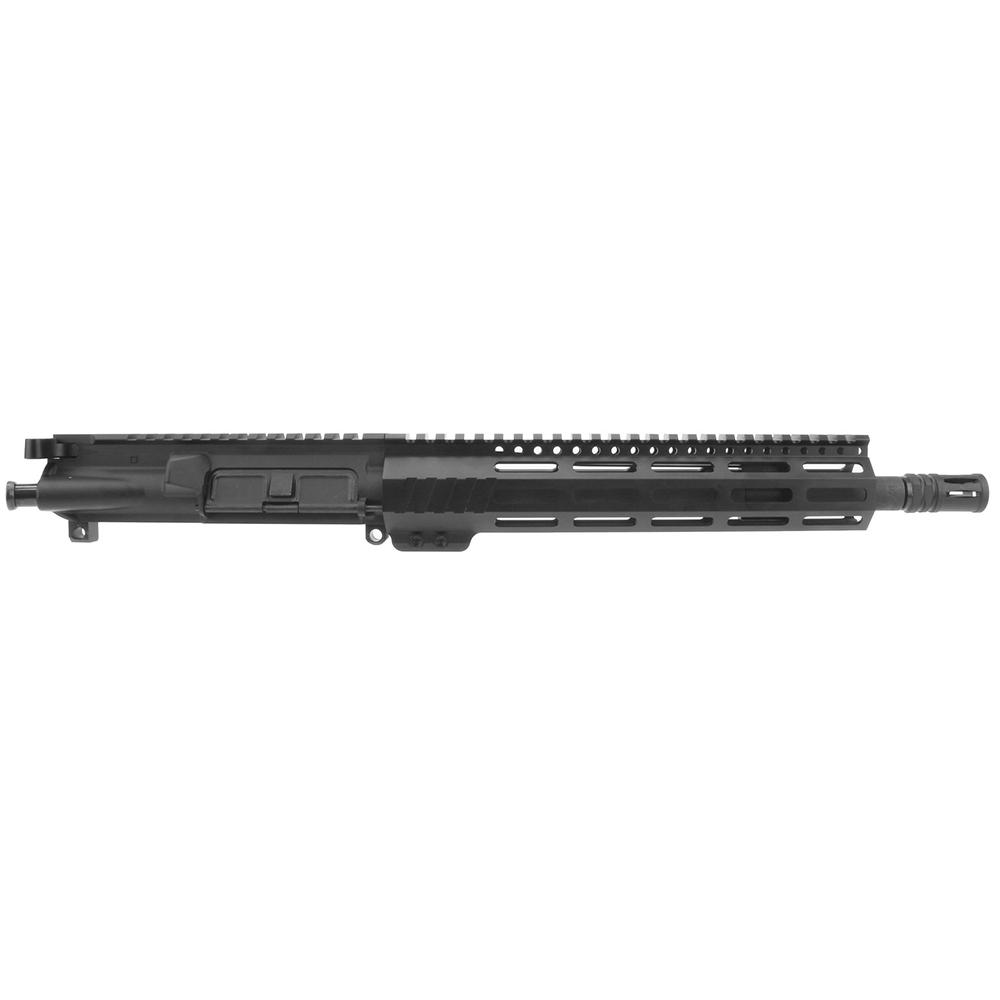
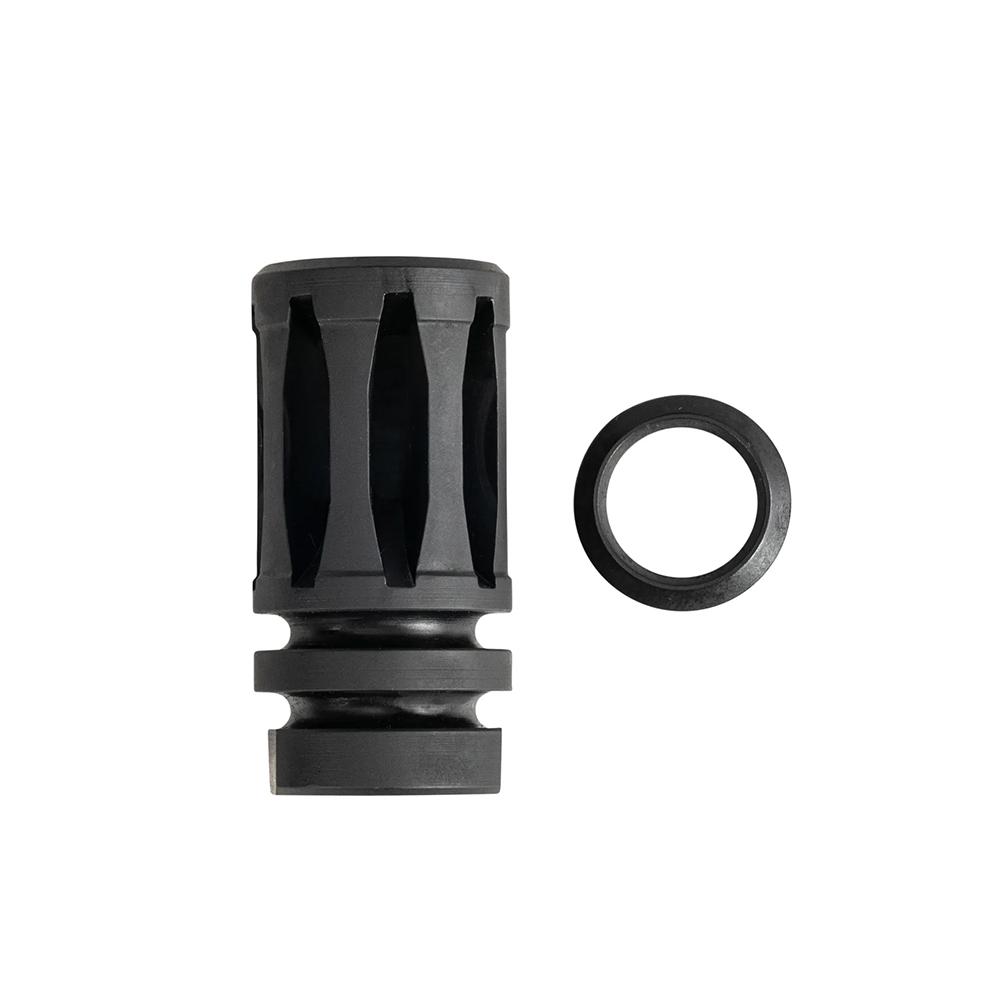
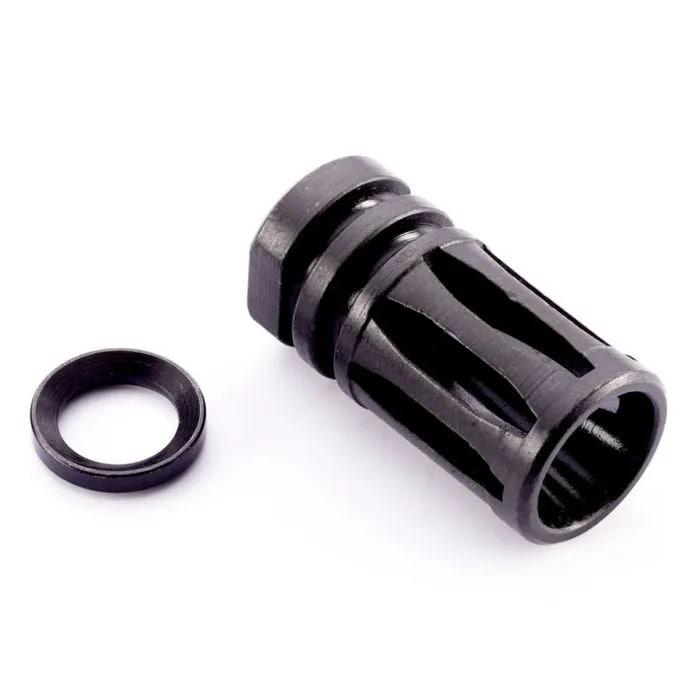
AR owners usually chase faster splits, softer recoil, and better reliability through gas tuning. A bolt-action upper flips that script. The Bear Creek Arsenal (BCA) Bolt-Action Upper turns a standard AR-15 lower into a manually operated rifle that keeps familiar AR ergonomics, controls, and accessory compatibility.
For BLVista readers, the value question is simple: what do you gain by giving up semi-auto, and what do you need to watch for so the build stays reliable, compliant, and worth owning long term?
What the BCA Bolt-Action Upper is (and what it is not)
This is a complete upper receiver assembly with a proprietary bolt system and no gas system. Your lower, trigger, stock, grip, and most AR furniture still apply. From a user standpoint, it behaves like a bolt gun built around AR handling, magazine logistics, and aftermarket support.
That matters in a few real-world situations:
- Compliance-driven ownership where semi-auto rifles face restrictions, yet manually operated rifles remain easier to purchase or configure legally.
- Suppressor-focused shooting where manual cycling avoids gas-to-face and backpressure problems common to suppressed semi-autos.
- Training and skill-building for shooters who want AR controls with a slower cadence that rewards fundamentals.
Key specs and features that actually matter in use
- Standard AR-15 lower compatibility: This is the whole point. If your lower is in-spec, the upper should pin up like any other.
- M-LOK handguard: Real utility for a bipod, sling mount, and light placement. A bolt gun that gets used in the field benefits from stable support and a practical sling setup.
- Optic-ready Picatinny top rail: Keeps your mounting choices simple. For a budget bolt build, it prevents spending from drifting into proprietary mounts.
- Multiple chamberings and barrel options (varies by SKU): BCA’s catalog often includes 5.56 NATO and other calibers. The choice should be driven by your use case, not novelty.
How to decide if a bolt-action AR upper fits your mission
Use this quick checklist before you buy:
- Legal and compliance reality: Confirm how your state defines semi-auto features versus manually operated rifles. If your goal is compliance, document the configuration and keep receipts and SKU details for your records.
- Suppressor plan: If suppression is the main driver, verify thread pitch, muzzle device install quality, and whether you can reasonably service the muzzle interface without risking damage.
- Magazine ecosystem: Your reliability is partly a magazine choice. Expect some trial and error, then standardize.
- Accuracy expectations: If you want consistent 1 MOA performance, a budget bolt-action AR upper is a risky starting point. If you want practical accuracy for steel, varmints at moderate distances, and range reps, it can make sense.
Range performance: reliability is the headline, not accuracy
On paper, a bolt-action should be simple. In practice, this upper’s user experience tends to be driven by bolt feel and magazine interaction.
Bolt binding and cycling feel
The major functional issue reported with this design is bolt catch and binding during cycling. In a manually operated rifle, that is not a minor annoyance. It directly affects:
- Follow-up shot speed on steel, pests, or hunting targets that do not give you extra time.
- Confidence under stress, especially if the rifle is used as a utility gun on property.
- Wear patterns because forcing a rough action accelerates friction points and can create burrs.
Some shooters find the action smooths out after a couple hundred cycles and some live fire. That is believable with budget machining, but it is also a signal to inspect, clean, and lubricate like you would a new bolt gun that arrived tight.
Magazine sensitivity is real
This upper can be picky about magazines. Field reports indicate a preference for polymer feed lips and easier feeding when magazines are downloaded by one round rather than fully packed.
Why this matters:
- Manual actions rely on consistent presentation angle and feed lip geometry. If the top round sits too high or too tight, you feel it immediately in the bolt stroke.
- When you are cycling by hand, you become the gas system. Anything that adds drag becomes a “reliability problem” in the user’s hands.
Practical takeaway: pick one proven magazine type, buy several, label them, and keep them dedicated to this upper if it shows strong preferences.
Extraction and ejection
Expect occasional hiccups early, including an initial failure to extract in some use. With any new upper, confirm extractor tension, chamber cleanliness, and lubrication, then re-test. A bolt gun that occasionally fails to extract undermines the main argument for choosing a manual action in the first place.
Accuracy: realistic expectations for a budget bolt-action AR build
Many buyers assume “bolt-action” equals “precision.” Mechanically, bolt guns often support great accuracy, but barrel quality, chamber consistency, lockup, and ammunition selection still determine results.
With typical bulk .223 and 5.56 loads, practical groups around 3 inches at 100 yards are a realistic baseline for this type of budget upper, with steel case often opening up further. That is adequate for:
- Range steel and positional practice
- General ranch use and small target work at sensible distances
- Learning optics, holds, and wind without burning premium match ammo
It is not a strong choice for buyers seeking a true precision trainer. If your goal is consistent small groups, you will spend less time and money reaching that goal by starting with a known-accurate bolt gun or a higher-end bolt-action AR platform.
Suppressor host considerations: where the concept shines and where it can stall
A bolt-action AR upper makes sense as a suppressor host because it avoids the gas tuning, carrier speed, and blowback that many suppressed semi-autos require. You still need to manage:
- Muzzle device serviceability: If a factory-installed device is over-torqued, you may lose the ability to mount your suppressor system without gunsmith tools. For suppressor owners, this is a purchase-risk factor.
- Thread integrity and alignment: Before mounting a suppressor, verify concentricity. Use the correct alignment rod for your caliber and mounting system.
- Ammo selection: Subsonic .223 exists but is niche and can be finicky. If “quiet” is the mission, .300 Blackout with subsonics is the more mature ecosystem.
Ergonomics and handling: the AR advantage remains
Ergonomics are where this upper earns points. AR controls, stock adjustability, grip options, and optic mounting positions make it easy to fit the rifle to the shooter. The bolt handle is large and accessible, and the overall reach can feel different from a traditional bolt gun, but many shooters find they can stay in the gun without fully breaking position.
Recoil tends to feel sharper than a semi-auto AR because there is no gas system spreading the impulse across time. It is still mild in intermediate calibers, but it is noticeable if you are used to a tuned semi-auto.
Ownership lifecycle: what to inspect, maintain, and standardize
If you buy a budget bolt-action AR upper, plan to treat the first few range trips like a shakedown:
- Initial cleaning: Remove packing oils, clean the chamber, inspect for obvious burrs or rough spots.
- Lubrication: A manually cycled system often benefits from more lubrication during break-in. Focus on bolt body contact surfaces and raceways.
- Magazine standardization: Choose one or two magazine models that feed smoothly, then stick with them.
- Fastener checks: Confirm handguard mounting screws and any rail hardware stays torqued after heat cycles.
- Muzzle interface plan: If you intend to run a suppressor, solve muzzle device removal and mounting compatibility early, before you build habits around a configuration you will later need to change.
Setup guidance: a practical, low-risk build path
To reduce purchase risk and frustration, build around proven basics:
- Magazines: Start with Magpul PMAG Gen M3 or other polymer feed lip mags if the platform shows a preference.
- Support: Add a bipod or solid front support if you plan to evaluate accuracy honestly. A light M-LOK bipod is a sensible match.
- Optic: A budget LPVO like a 1-6x works for general shooting and hunting-adjacent use. If you want to test groups, a higher magnification scope makes evaluation easier.
- Sling: Treat it like a field rifle. A simple two-point sling improves carry, control, and safety during movement.
Who should buy the BCA Bolt-Action Upper
- Compliance-minded owners who want AR ergonomics in a manually operated format and can accept some tuning and sorting.
- Suppressor owners who want a manual action host and are prepared to address muzzle device and alignment realities.
- Experienced AR users who enjoy experimenting and can troubleshoot magazines, lubrication, and wear-in.
Who should pass
- Buyers expecting bolt-gun smoothness out of the box.
- Precision-first shooters who want small groups without upgrading barrels, ammo, optics, and potentially the platform.
- Anyone who needs guaranteed reliability for serious defensive roles. This format is more of a range, compliance, and suppressor experiment than a duty solution.
Bottom line for BLVista readers
The BCA bolt-action AR upper is best viewed as a budget gateway into a niche: manual operation with AR controls and customization. It can be genuinely enjoyable and useful for compliance builds and suppressor-focused shooting. Reliability is heavily influenced by bolt feel and magazine selection, and muzzle device serviceability can become a real obstacle for suppressor owners.
If you go in with realistic expectations, a willingness to sort magazines, and a plan for long-term maintenance, it can be a practical tool and an entertaining one. If your priority is refined function or precision outcomes, start with a different platform and save time.
FAQ
Often yes because it is manually operated, but legality depends on your state’s definitions and the rifle’s configuration. Verify local statutes and keep documentation of the build for compliance.
Most are designed for standard AR-15 lowers, but tolerance stacking can affect fit and function. Perform a full function check (safety, trigger, magazine insertion) before live fire.
Many users see best results with polymer feed-lip magazines like Magpul PMAGs. Test multiple mags, then standardize. Downloading by one round can reduce first-round chambering resistance.
Yes if the muzzle threads and mounting system are compatible and aligned. Confirm thread pitch, ensure you can service the muzzle device, and check concentricity with an alignment rod before firing suppressed.
It can be for practical distances if you validate accuracy with your chosen hunting ammo and confirm cold-bore impact. Expect practical field accuracy rather than precision rifle performance.
Common causes include machining roughness, burrs, tight receiver fit, inadequate lubrication, or magazine drag affecting feed angle. Clean, lubricate, inspect wear points, and test different magazines.
Reliable magazines, a bipod or solid front support, and an optic matched to your use case provide the biggest gains. For suppressor use, prioritize a quality muzzle mounting system and verified alignment.
Was this useful?