
Brief
PSA AK-47 GF3 Review: What Actually Matters in a Budget AK
Practical PSA AK-47 GF3 review covering forged bolt/carrier/trunnion, nitrided 4150 barrel, steel-case reliability, optics mounting, upgrades, and what to...
Shop this at BLVista
Why the “budget AK” question is harder than it looks
Most people shopping for an AK-47 pattern rifle want the same three outcomes: it runs with cheap ammo, it stays in spec as round count climbs, and it does it without the price of a premium import. The problem is that “AK” covers everything from excellent military lineage rifles to corner-cut builds that wear out where it counts. A budget AK can feel fine at the counter and still be a long-term gamble if the trunnion, bolt, or carrier are not up to the workload.
The Palmetto State Armory AK-47 GF3 is aimed at that exact buyer: someone who wants an American-made AKM-pattern rifle with durable core components and familiar AK handling, but still wants money left over for mags, ammo, and a sling.
GF3 build choices that matter over years, not weekends
The GF3 is built around a stamped receiver and AKM layout. That part is expected. The deeper value comes from what PSA chose to upgrade in the stress path of the rifle.
Forged bolt, carrier, and front trunnion
On an AK, the front trunnion and bolt assembly are where budget shortcuts show up first. Rivets can look clean and the gun can still be a problem if the trunnion material is too soft or heat treat is inconsistent. Over time that shows up as accelerated lug wear, headspace movement, and reliability issues that are expensive to correct.
PSA’s use of hammer-forged components for the bolt, carrier, and front trunnion is the kind of spec that actually changes the risk profile of an entry-priced AK. It does not guarantee perfection, but it targets the failure points that have historically separated “range toy” builds from rifles that hold up through high round counts and rough handling.
4150 nitrided barrel: practical corrosion and wear protection
The 16-inch 4150 barrel with a nitride treatment is a realistic choice for many owners. Chrome lining has a strong track record in hard military use, especially with corrosive primers and long-term neglect. Nitride brings a different set of strengths: consistent bore dimensions, good wear resistance, and very usable corrosion protection if you keep up with basic maintenance.
For most U.S. shooters running modern non-corrosive 7.62×39, a nitrided barrel makes sense. Where chrome lining still wins is in truly abusive firing schedules, corrosive surplus, or owners who know the rifle may sit dirty for long stretches. If your use case includes wet hunting seasons, truck storage, or humid coastal environments, nitride still performs well, but you should treat cleaning and light oiling as standard operating procedure.
Rivets, receiver feel, and “AK slop” in the real world
Budget AKs often get dismissed or praised based on feel. That is useful, but only if you focus on the right areas. You want rivets that are properly set, consistent, and not visibly under-formed. You want the front trunnion rivets especially to look uniform. A tight-fitting dust cover is nice, but it does not predict longevity the way trunnion work does.
The GF3 tends to present as a solid rifle in-hand, with a cleaner overall fit than many low-priced AKs. That matters because loose fit can translate to faster wear, shifting zero for optics, and inconsistent handling as parts settle.
Range performance: what the GF3 should do, and what you should verify
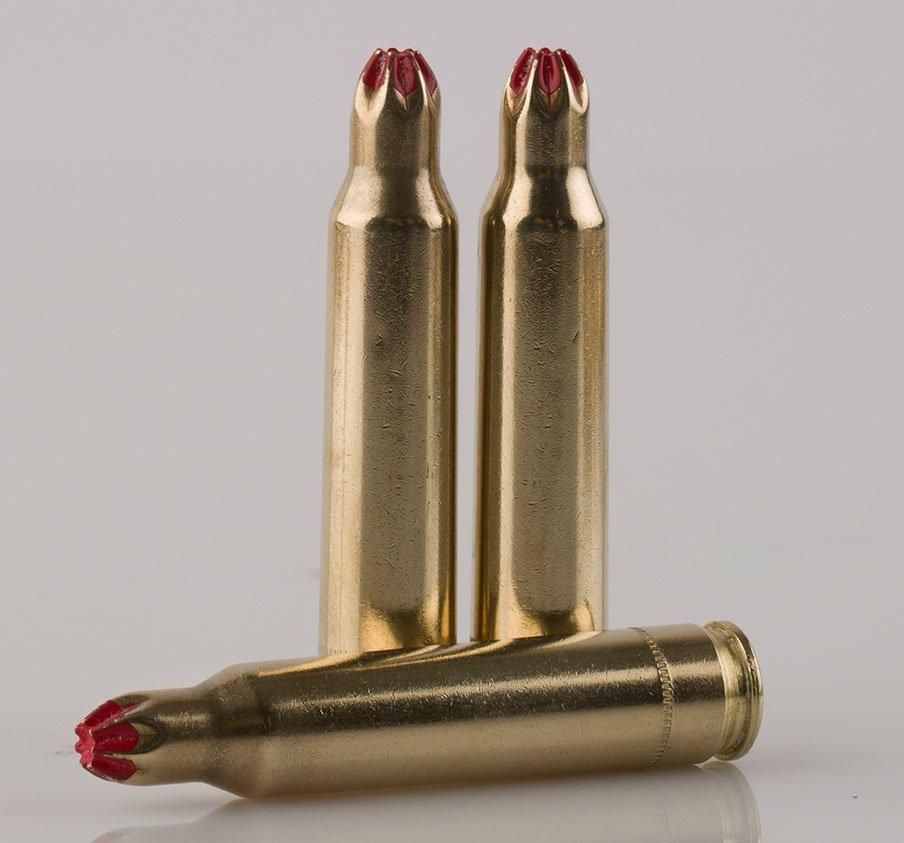
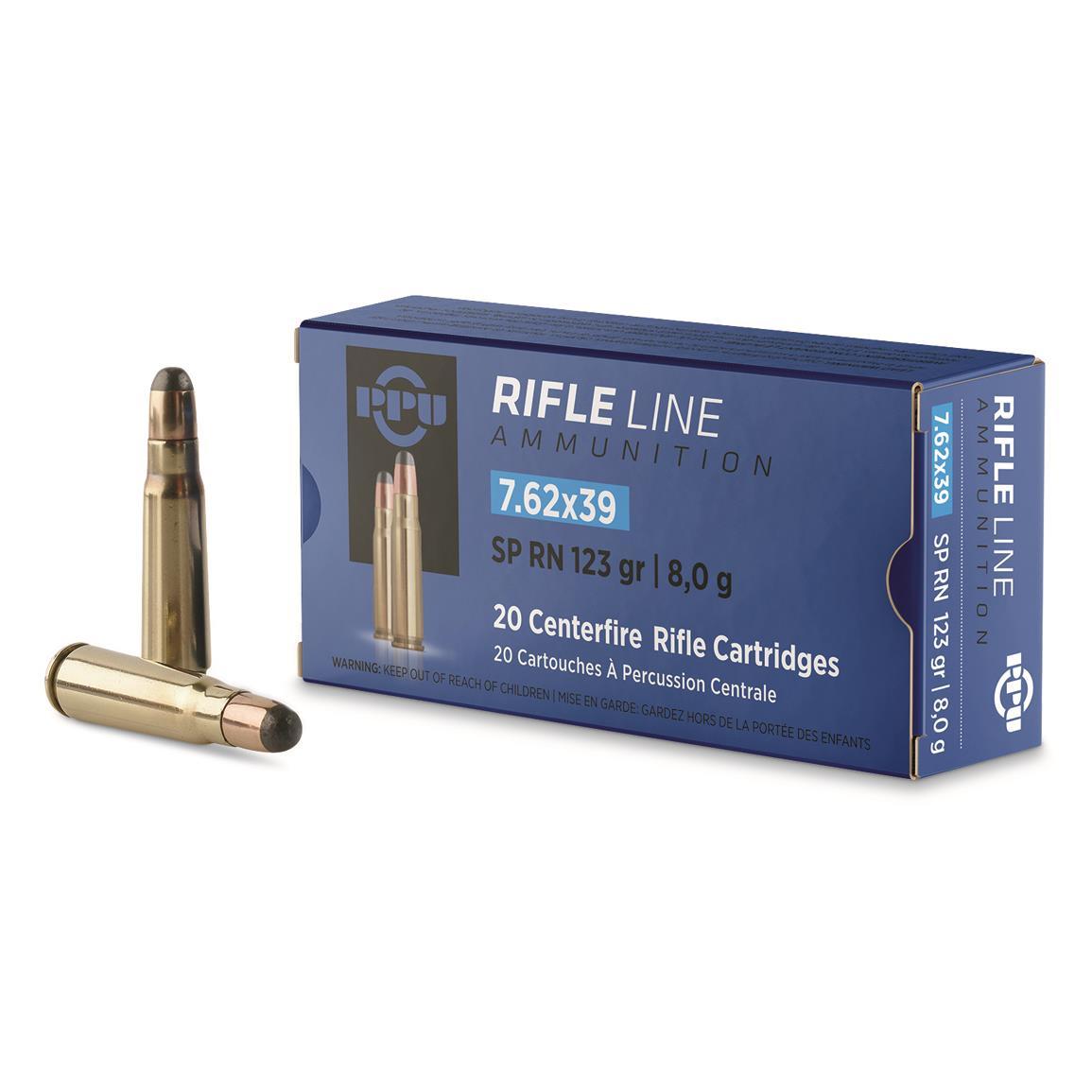
With several hundred rounds of mixed steel and brass case ammunition, the GF3 pattern is expected to do what AKs are chosen for: run without drama. Steel case reliability is part of the platform’s identity. If a 7.62×39 AK is picky about ammo, something is off.
Ammo flexibility and basic function checks
A practical way to evaluate a new AK is to validate feeding and ejection across a few common loads and at least a couple magazine types. In this case, the rifle cycled reliably across common steel-cased 123-grain class FMJ and brass-cased FMJ. For BLVista readers, the takeaway is less about a specific brand list and more about the process.
- Start with known-good magazines (surplus steel, Bulgarian polymer, or reputable modern options) before blaming the rifle.
- Mix case materials (steel and brass) and watch ejection consistency.
- Confirm bolt travel and carrier smoothness after the first 100 rounds, then re-check for abnormal wear marks.
Accuracy expectations with 7.62×39
Most buyers are not choosing a 7.62×39 AK for small-group paper performance. They want repeatable hits on practical targets at 50 to 200 yards, with iron sights or a rugged optic. The GF3 is fully capable of ringing steel at 100 yards with standard ball ammo. Past that, the limiting factors are typically ammunition consistency, sighting system, and shooter fundamentals more than the rifle.
The traditional rear sight leaf marked out to 800 yards remains what it has always been on many AKs: part tradition, part optimism. Treat it as a coarse reference, not a precision solution.
Handling: controls, recoil, and what to plan for
The GF3 handles like a classic AKM. Recoil is a steady push with a distinct impulse, and the long-stroke piston system tolerates grime and heat well. If you are coming from AR-pattern rifles, two control areas usually drive your setup choices:
- Safety manipulation: Many shooters add a safety with an extended shelf for faster, more consistent use during training.
- Magazine changes: The standard AK mag release works, but some prefer an extended release for speed. Prioritize reliability and consistent lockup before chasing faster reloads.
Optics and mounting: a budget AK can get expensive fast
The GF3 includes a side optic rail, which is the right foundation if you plan to run a red dot or prism. Side rail mounting keeps the top cover and rear sight area stable and generally holds zero better than many clamp-on alternatives.
AK tolerances vary across manufacturers, so mount selection matters. Look for proven side mounts that adjust properly and lock up consistently. Also decide early whether you want a lower 1/3 style dot height, absolute co-witness, or a higher head position for use with ear pro and faster target transitions. The “best” mount is the one that keeps your cheek weld repeatable and stays tight after transport and recoil.
Durability and real ownership lifecycle considerations
Small impacts and drops happen in normal ownership, whether at the range, on a quad, or during a training day. A rifle that stays functional and keeps its sights from shifting earns trust. Still, durability is more than surviving a fall.
Here are lifecycle points many buyers overlook with budget AKs:
- Headspace monitoring: If you shoot high volume, consider periodic checks by a competent AK gunsmith. Forged parts help, but verification reduces risk.
- Spare parts and compatibility: Confirm AKM compatibility for furniture and common wear parts. Plan for extra recoil springs, an extractor, and firing pin depending on your round count.
- Magazine strategy: Buy a core set of proven mags and mark them. Many “rifle problems” are magazine problems.
- Storage and transport: If this is a truck rifle, prioritize corrosion control, a basic sling setup, and a case that keeps grit off the action.
Where the GF3 is basic, and how to upgrade without wasting money
The GF3’s factory polymer furniture is functional. Many owners will still change it, usually for ergonomics, heat management, or attachment points. Make upgrades based on your use case, not aesthetics.
Furniture
- Handguard: If you shoot longer strings, pick a handguard that manages heat and gives you a consistent support-hand index. If you plan to mount a light for home defense, ensure the mounting method is solid and does not loosen under recoil.
- Stock: Choose length of pull and cheek weld that match your optic height. If you run ear pro often, a slightly higher and more forgiving cheek position can reduce neck strain.
- Grip: Focus on angle and texture that support safe trigger control and consistent recoil management.
Muzzle device and suppressor planning
The standard slant brake is historically correct and does the basic job. If you want flatter follow-up shots, a modern compensator can help, but it also changes blast and concussion for people around you. If suppressor ownership is part of your plan, decide that early so you can choose a compatible mount and avoid buying twice. Also confirm thread pitch and concentricity before you commit to a suppressor setup.
No cleaning rod: practical impact
Missing a cleaning rod is mostly a tradition issue for U.S. owners. In field use, a small pull-through kit in your range bag or pack does more for real maintenance than a rod living under the barrel. If you hunt or travel, carry a compact bore snake and a small bottle of oil instead of relying on a fixed rod.
Compliance and safe ownership basics for AK buyers
AK configuration can intersect with state and local compliance rules, especially around features, magazines, and muzzle devices. Know your jurisdiction before you order accessories. Magazine capacity limits, feature restrictions, and transport rules change the smart build path.
From a safety standpoint, treat the GF3 like any other defensive-capable rifle: confirm safe function before hard use, train with the manual of arms until it is consistent, and document your zero after any major changes like a new mount, stock, or muzzle device.
BLVista take: who the PSA AK-47 GF3 makes sense for
At typical street pricing in the mid-budget range, the PSA AK-47 GF3 makes sense for buyers who want an AKM-pattern rifle that prioritizes the core durability components and runs common steel case ammunition. It is also a practical choice for owners who plan to learn the platform, take training seriously, and build the rifle out over time rather than paying for every premium feature on day one.
It fits best as a general-purpose range rifle, an entry into AK ownership, or a working rifle that you can maintain and shoot without treating every magazine as a precious resource. If your priorities are a chrome-lined barrel, a specific import pedigree, or the lightest possible recoil impulse, you may still end up elsewhere. For most buyers trying to reduce risk in the budget AK category, the GF3’s forged critical parts and consistent function are the points that matter.
FAQ
Yes. The GF3 is built to run common steel case 7.62x39 reliably. Use proven magazines, verify ejection during your first range sessions, and keep the chamber reasonably clean.
The standout difference is its focus on forged high-stress components, especially the bolt, carrier, and front trunnion, which drive long-term durability and headspace stability.
A nitrided 4150 barrel is sufficient for most shooters using modern non-corrosive ammo and routine maintenance. Chrome lining remains preferable for corrosive ammo, heavy neglect, or extreme firing schedules.
Choose a proven AK side rail mount that locks up tightly and holds zero after recoil and transport. Pick a mount height that supports a consistent cheek weld with your stock and optic.
Start with essentials that improve practical use: a quality sling, a weapon light if used for defense, and tested magazines. Then consider furniture for heat and ergonomics, followed by optics and mount selection.
Inspect rivet quality, check for canted front sight and gas block, confirm smooth carrier travel, and test magazine lockup across multiple mags. After the first range trip, inspect for unusual wear and verify mounts and fasteners stayed tight.
It can be when configured and stored responsibly. Prioritize safe storage, a reliable light, a sling, and training that covers target identification, handling under stress, and compliance with local laws.
Was this useful?