
Brief
Henry Long Ranger Big Woods Carbine in .308 Win: What It Is, Who It Fits, and How to Set It Up
Practical guide to the Henry Long Ranger Big Woods Carbine in .308 Win: optics, ammo selection, reliability checks, maintenance, and real woods hunting use.
Shop this at BLVista
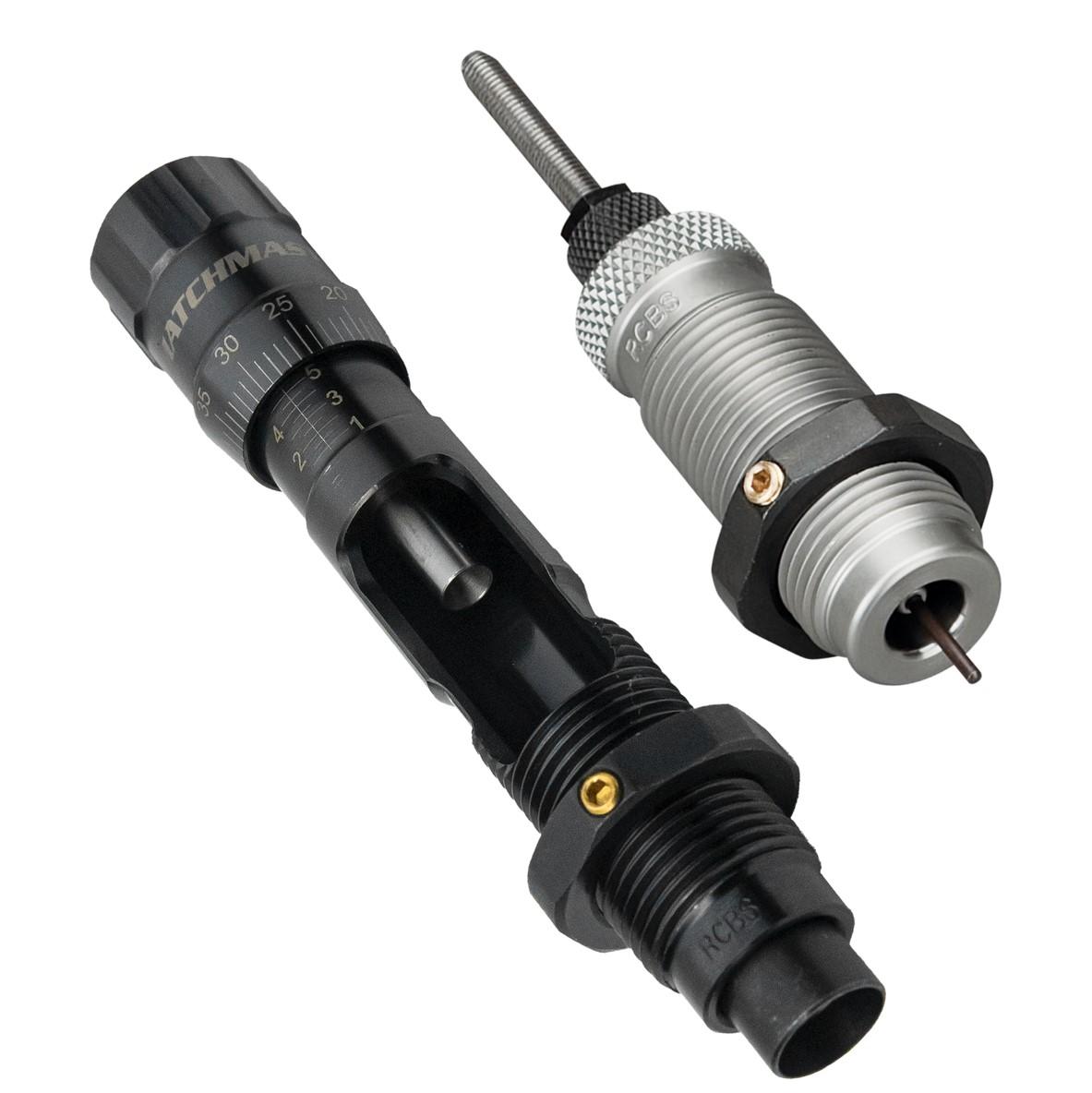
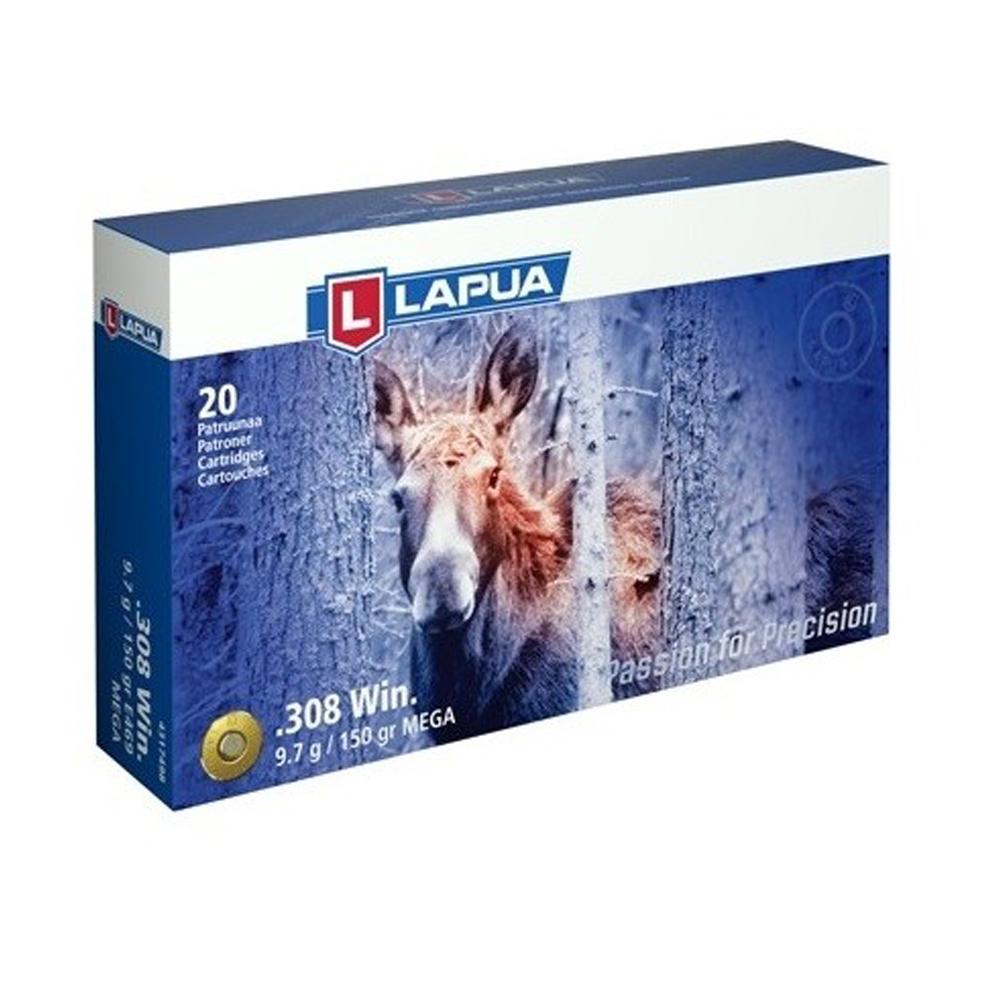
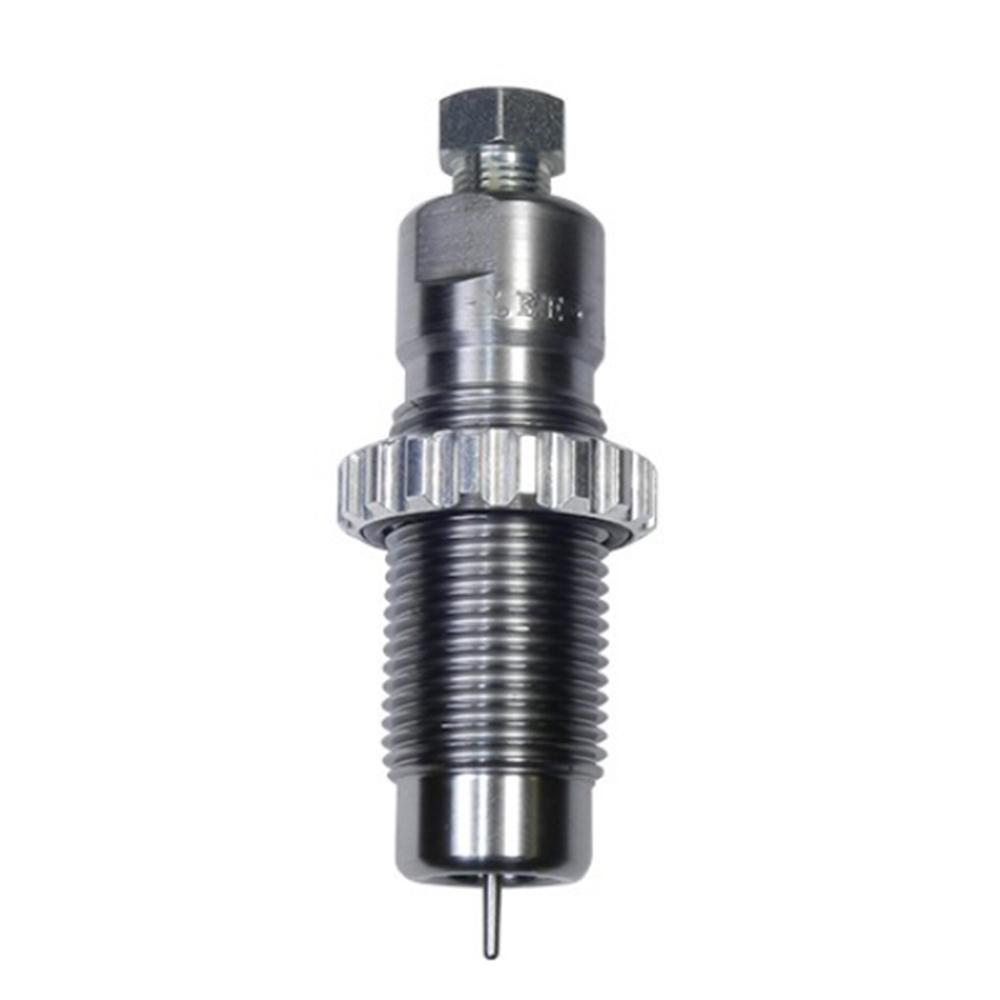
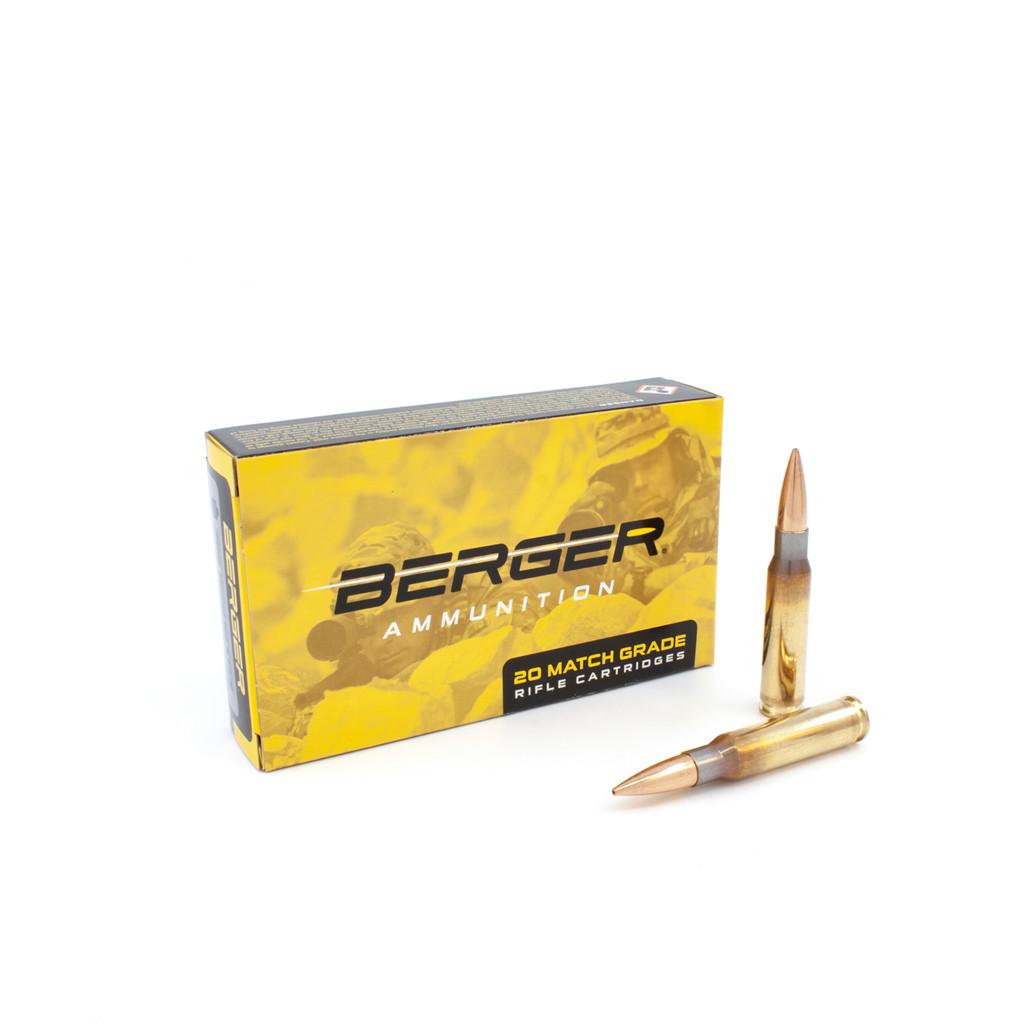
Henry’s Long Ranger Big Woods Carbine in .308 Win is built around a simple idea: give hunters a lever action that handles like a short woods rifle while keeping the reach, terminal performance, and broad ammunition support of a modern deer cartridge. For the shooter who spends more time in ladders, ground blinds, thickets, and timbered ridgelines than on open prairie, a compact .308 lever gun can be a practical middle ground between a traditional brush rifle and a scoped bolt action.
What the Big Woods Carbine is trying to solve
Dense cover changes what matters. Shots come fast, angles are awkward, and you spend more time carrying than shooting. A purpose built woods rifle needs three things:
- Fast handling through doorways, brush, and tight shooting windows.
- Enough cartridge performance to stay ethical when the “woods shot” turns into a 175 yard lane.
- Reliability and simplicity that holds up to wet leaves, dust, pine needles, and long seasons in a truck.
In that context, .308 Win is a sensible choice. It has decades of real world data on deer, hogs, and black bear, a deep bench of bullet options, and wide availability in both soft point hunting loads and modern bonded or monolithic bullets.
Why a .308 lever gun matters in the real world
Most hunters already understand lever actions as “close range” rifles tied to traditional cartridges. A .308 lever action changes that equation. It gives you the lever gun manual of arms many shooters run well, paired with a cartridge that can deliver consistent expansion and penetration across a wider distance band. That matters when you hunt mixed terrain or when your property has both tight timber and long powerline cuts.
For buyers comparing this to a bolt gun, the trade is usually weight distribution and speed versus maximum accuracy potential from a heavier, longer barreled rifle. You can still get excellent field accuracy from a quality carbine, but the realistic benchmark should be repeatable first round hits from field positions, not tiny bench groups that do not translate to hunting.
Key selection criteria before you buy
Without treating this like a spec sheet exercise, these are the points that decide whether a short .308 lever rifle will actually work for you.
1) Handling and overall length
A carbine shines when you can bring it on target without fighting the muzzle. In blinds and tree stands, shorter overall length reduces snag points and makes it easier to keep the muzzle controlled while moving, climbing, and sitting. For truck carry, it also tends to sit better in a case behind the seat or in a locking storage system.
2) Trigger and practical accuracy
In the woods, the trigger matters less for slow prone shots and more for clean breaks when your window is short. A predictable trigger helps you shoot tight in offhand, kneeling, and braced positions. When you evaluate accuracy, focus on:
- Cold bore performance because most hunts are one shot events.
- Group consistency after light carry since sling tension and bumps can shift zero on marginal setups.
- Point of impact stability across your chosen hunting load, not just one box of ammo.
3) Feeding reliability with your chosen bullet profile
.308 hunting loads come in a wide range of nose shapes and overall lengths. A lever gun that feeds one brand perfectly can occasionally feel different with another. Before season, run your actual hunting load through the rifle, including top offs, chamber checks, and controlled ejection. Confirm it feeds smoothly when you cycle the lever at normal speed and when you cycle it hard.
4) Mounting and zero retention
Most modern hunting setups end up with an optic. For a woods carbine, the optic choice should support quick acquisition and low light use. The rifle should also maintain zero under field handling. Practical notes:
- Low power variable optics (LPVO) in 1-4x or 1-6x are strong fits when you hunt mixed cover.
- Compact 2-7x scopes remain a top choice for traditional deer hunting with minimal bulk.
- Ring height affects cheek weld and speed. Keep it low enough to lock in, high enough to clear the objective and allow proper bolt or lever clearance per the design.
Ammo choices that make sense in a .308 woods carbine
Carbines can give up some velocity compared to longer barrels. You do not need to chase maximum speed to get clean kills, but you do need bullets that expand reliably at the distances you expect.
- Classic cup and core soft points work well on whitetail inside typical woods distances, especially broadside shots.
- Bonded bullets are a safer choice if you might hit shoulder or if hogs and black bear are on the menu.
- Monolithic copper bullets can be a compliance win in lead restricted areas and often penetrate deeply, but they can prefer higher impact velocity. Verify your expected distance and your barrel’s performance.
Do your confirmation with the ammo you will hunt with, at 50 yards and at your farthest realistic lane. Many woods hunters zero at 100 yards for simplicity. If your property includes longer cuts, a 200 yard zero can be practical, but only if you actually validate impacts at 50, 100, 200, and 250.
Field setup checklist: make the rifle work for you
A carbine becomes easier to shoot well when the supporting gear matches the environment.
- Sling: Use a sling you will actually carry with. A simple adjustable sling lets you cinch for stability when braced on a tree.
- Optic and caps: Woods hunting is rain, snow, and fog. Scope caps and a simple lens cloth reduce season ending mistakes.
- Spare ammo storage: A few rounds in a stock cuff or belt carrier is more practical than pockets full of loose cartridges.
- Hearing protection plan: In blinds, consider electronic ear pro. A short .308 is loud, and repeated unprotected shots cause permanent damage.
Durability, maintenance, and ownership lifecycle
Lever guns often live hard lives: scabbards, truck racks, wet cases, and late season condensation. Plan for maintenance that keeps the rifle reliable without turning ownership into a chore.
- Corrosion control: Wipe down metal after each wet day. Pay attention to the muzzle area and any contact points that trap moisture.
- Optic and screw checks: Recheck ring and base torque at the start of season and after travel. A shifted optic is a common reason for missed animals.
- Action cleanliness: In leaf litter and dust, keep the action reasonably clean and lightly lubricated. Avoid heavy oils that collect grit.
- Storage: Store in a dry safe or cabinet with humidity control. Avoid leaving the rifle in a soft case long term.
Compliance and transport considerations
Hunting laws and transport rules vary by state and sometimes by county or wildlife management unit. Before you commit to a setup, confirm:
- Magazine and capacity rules for your hunting area if applicable.
- Lead ammunition restrictions if you hunt in regulated zones.
- Vehicle transport requirements for loaded firearms, chambered rounds, and how the firearm must be cased.
For air travel, use a hard case with locks, keep ammunition in approved packaging, and document your serial number for insurance and recovery purposes.
Who this rifle is for
The Henry Long Ranger Big Woods Carbine makes the most sense for hunters who want a compact lever action feel paired with a mainstream deer cartridge. It fits the buyer who values quick handling, practical reliability, and ammo availability. It also fits the hunter who wants one rifle to cover whitetail, hogs, and the occasional black bear hunt, while staying manageable in thick cover and tight shooting lanes.
Buyer decision framework
Use this quick filter to decide if a .308 woods carbine is a smart purchase for your season.
- Your typical shot distance: If most shots are inside 150 yards but you occasionally stretch past that, .308 supports the full range.
- Your hunting positions: If you shoot from sitting, kneeling, standing, or cramped blind windows, compact handling pays off.
- Your ammo plan: If you can commit to one proven hunting load and confirm zero, the system stays simple and dependable.
- Your terrain and weather: If you hunt wet woods and cold mornings, plan for corrosion control and optic protection from day one.
FAQ
Yes. .308 Win is a proven whitetail cartridge, and a compact lever action is well suited to dense woods, deer blinds, and short shooting windows. Choose a deer appropriate hunting load and confirm your zero before season.
A 1-4x or 1-6x LPVO works well for quick shots in timber with enough magnification for longer lanes. A compact 2-7x is another dependable choice for traditional deer hunting. Keep ring height low for a consistent cheek weld and faster target acquisition.
Use a hunting load that expands reliably at your expected distances. Soft point loads are common for deer. Bonded bullets are a strong choice for hogs, shoulder shots, and mixed game. Copper bullets can help with lead restricted hunting areas, but you should validate performance from your barrel at your farthest shot distance.
Ethical distance depends on your ability to place shots, your bullet choice, and real velocity from your barrel. Many hunters keep woods carbines inside 200 yards for high confidence shot placement. Confirm impacts on paper at 50, 100, and 200 yards with your hunting ammo.
Confirm feeding and ejection with your exact hunting load, verify optic mount torque, and recheck zero after travel. Inspect the crown and muzzle area for damage, and wipe down metal surfaces for corrosion control after wet outings.
Store the rifle in a dry safe or cabinet with humidity control and avoid leaving it in a soft case. For transport, use a protective case and follow local rules for loaded firearms and chambered rounds. After rain or snow hunts, dry the rifle and wipe down metal surfaces before storage.
Was this useful?