
Brief
The M1A Still Earns Its Weight in 7.62 NATO
M14 and M1A pattern rifles broken down by barrel length, weight, 7.62x51mm ballistics, optics mounting, gas system maintenance, and long term ownership cost.
Shop this at BLVista
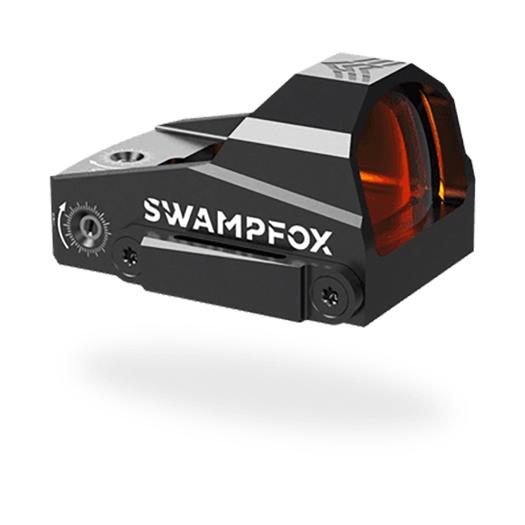 Swampfox Kingslayer Micro Reflex Sight Red Circle Dot
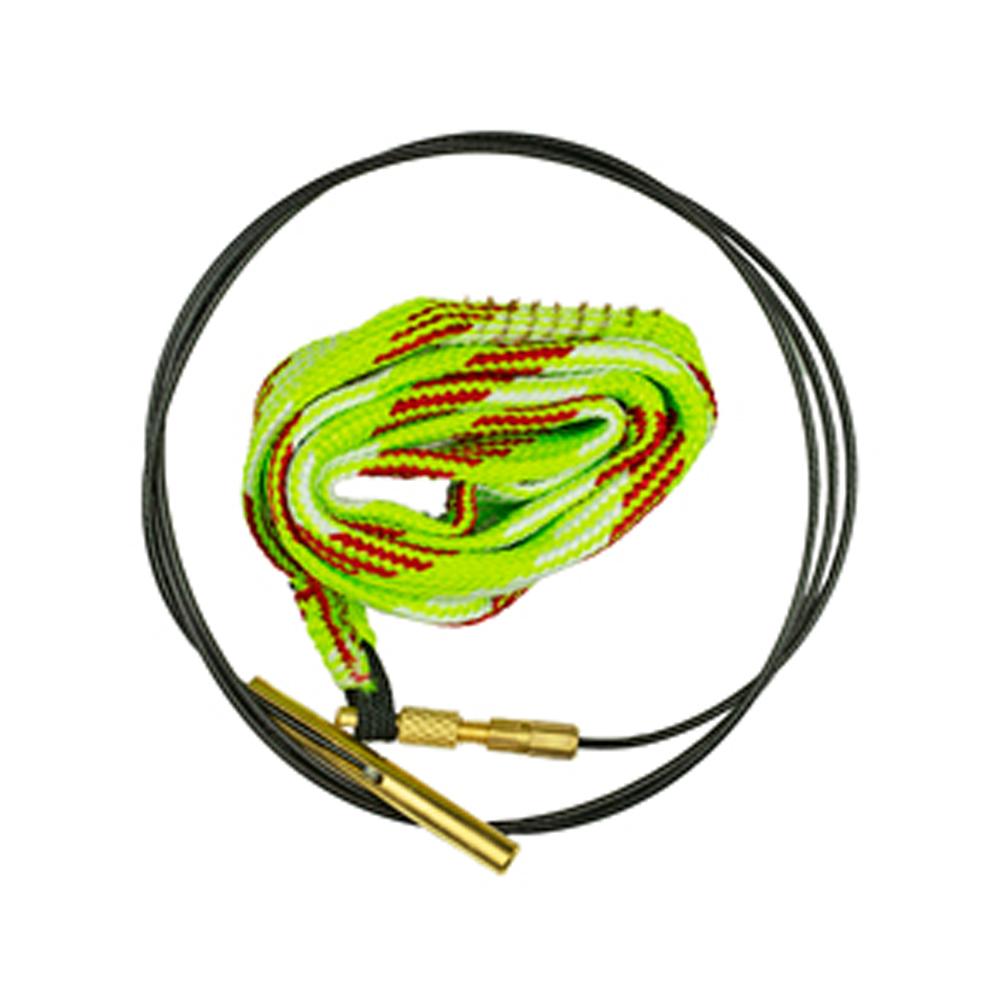 Allen Breakthrough Clean Battle Rope 2.0 Bore Rope with EVA Case .25 Cal/6.5mm Rifle
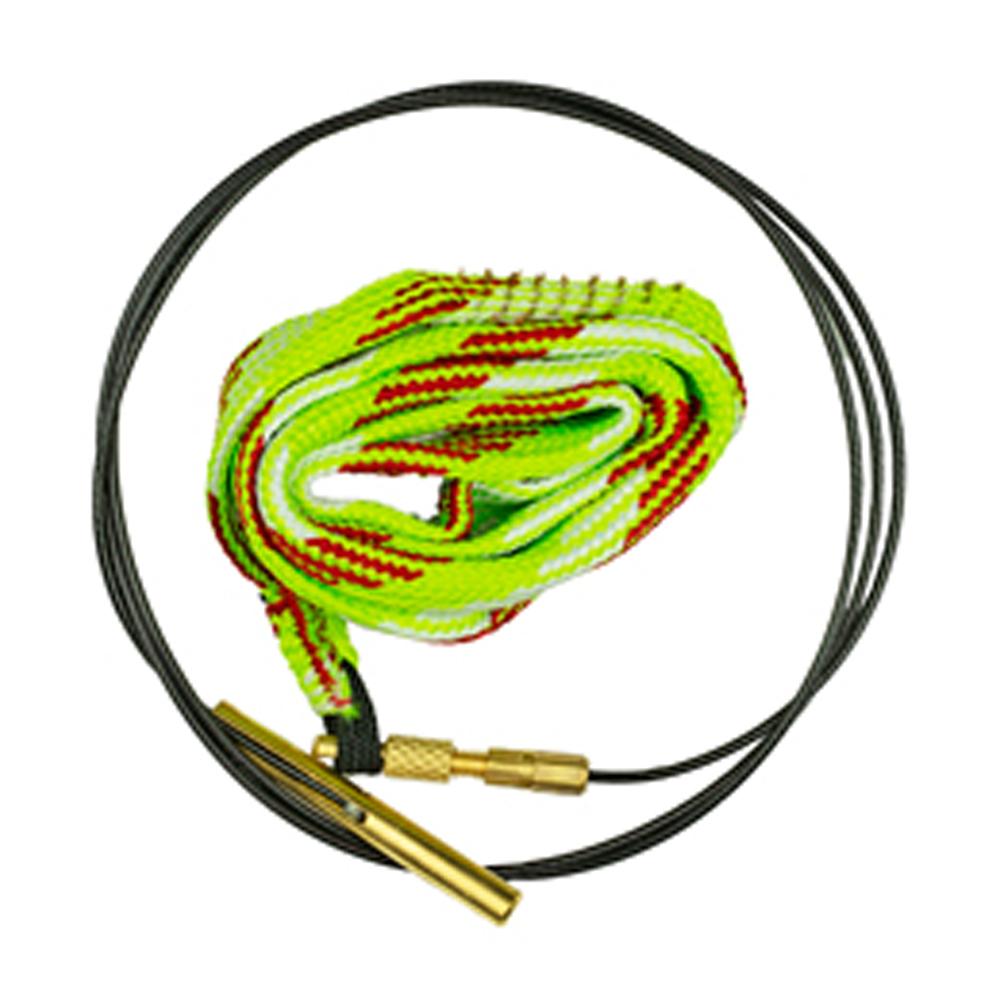 Allen Breakthrough Clean Battle Rope 2.0 Bore Rope with EVA Case .243 Cal/6mm Rifle
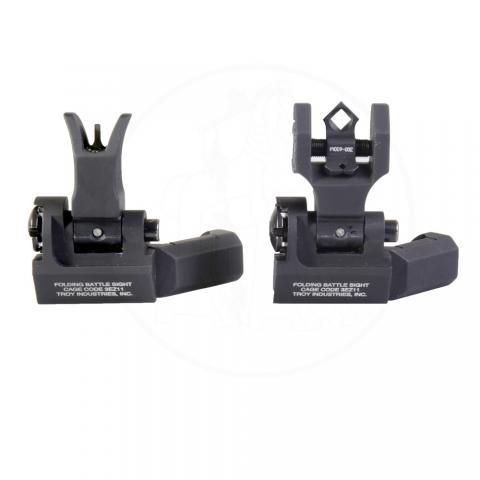 Troy 45-Degree Offset Sight Set - SSIG-45S-MDBT-00 - M4 Front & Dioptic Rear - Black
The M14 was the standard issue United States service rifle for a remarkably short window. Adopted in 1957 and fielded from 1959, it was largely displaced by the M16 by 1967. Roughly 1.38 million were built before production ended, and yet the design keeps coming back in marksman roles, in refurbished form, and in the civilian M1A that has been in continuous production since 1974. Surplus examples periodically re-enter the civilian market, which is the reason this platform is worth evaluating on current merits rather than nostalgia.
The question for a buyer today is straightforward. Does a gas operated, rotating bolt, 7.62x51mm rifle weighing over nine pounds still make sense next to a modern AR-10 pattern gun of similar chambering? The honest answer depends on what you intend to do with it, how much you shoot, and whether you understand what the platform demands in return.
The Numbers That Define the Platform
Baseline M14 specifications set the frame for every civilian variant that follows:
- Barrel length: 22 inches, 1:12 twist, six grooves
- Overall length: approximately 44.3 inches with the standard stock
- Weight: about 9.2 pounds empty, closer to 11 pounds loaded with a full magazine and sling
- Cartridge: 7.62x51mm NATO
- Magazine: 20 rounds, detachable box
- Cyclic rate in select fire military trim: roughly 700 to 750 rounds per minute
Ammunition performance is the other half of the equation. M80 ball uses a 147 grain projectile at roughly 2,750 feet per second from a 22 inch barrel. M118LR match loading runs a 175 grain open tip match bullet at approximately 2,580 fps. That heavier bullet stays supersonic well past 900 meters in standard conditions, which is why the platform found a second life as a designated marksman rifle capable of useful hits beyond 600 meters. The M21 sniper variant, adopted in 1969, formalized that role, and the Mk 14 Enhanced Battle Rifle chassis carried it into the 2000s at a system weight near 12 pounds before optics.
Choosing a Configuration
Civilian M14 pattern rifles break cleanly into three barrel length families, and the choice drives everything downstream.
- 22 inch standard: about 44.3 inches overall, 9.3 pounds. Full velocity, softest impulse, best long range performance. This is the configuration to buy if you shoot from a bench, a bipod, or a prone position and care about 175 grain match ballistics.
- 18 inch scout pattern: roughly 40.3 inches overall, near 9 pounds, with a forward rail segment. Expect somewhere in the range of 75 to 125 fps of velocity loss versus the 22 inch tube depending on load. A reasonable compromise for a truck rifle or a timber hunting gun.
- 16.25 inch carbine: about 37.25 inches overall, 8.8 pounds. Muzzle blast is significant, and 7.62x51mm loses meaningful velocity here. Handling improves, terminal performance at distance does not.
A simple decision filter: if most of your shooting happens past 300 yards, buy the 22 inch. If most of it happens inside 150 yards in thick cover or from a vehicle, the shorter barrels justify their tradeoffs. Splitting the difference at 18 inches works, but only if you accept that you paid for a rifle that is still nine pounds and 40 inches long.
Optics Mounting Is the Real Cost
This platform was designed around iron sights, and the rear aperture sits on the receiver where a scope base would naturally live. There is no integral top rail. Mounting glass means either a side rail that clamps to the receiver, a scout style forward rail, or a chassis system. Side mounts vary widely in return to zero performance, and a poorly fitted one will shift under recoil from a cartridge generating roughly 2,600 foot pounds of muzzle energy with match ammunition.
Budget for this properly. A quality mount plus a 3-18x or 4-16x scope frequently costs as much as a mid tier optic and mount pairing on any other rifle, and cheaping out here is the single most common reason owners conclude the platform is inaccurate. Our rifle field optics guide covers reticle selection, tube diameter, and elevation travel in the context of .30 caliber trajectories.
Ammunition Pressure and the Operating Rod
The gas system runs a short stroke piston with an expansion and cutoff design, and it was engineered around military ball ammunition with a specific pressure curve. Commercial .308 Winchester hunting loads, particularly heavy for caliber bullets with slow burning powders, can drive the operating rod harder than intended. Sustained use of hot loads accelerates op rod and bolt wear and, in bad cases, bends the rod.
Practical rules for owners:
- Stay in the 147 to 175 grain window for general shooting
- Prefer loads built to NATO pressure or standard .308 pressure, not magnum tier hunting loads
- Install an adjustable gas plug if you intend to run varied commercial ammunition regularly
- Inspect the op rod for straightness and the gas cylinder for looseness at every deep cleaning
For match and volume shooting, consistent ammunition matters more on this rifle than on a piston AR. Our range and match loadout guide walks through load selection and round count planning.
Stocks, Bedding, and Environmental Exposure
The original walnut stocks swelled and warped in tropical humidity, which degraded accuracy in Vietnam badly enough that fiberglass replacements were developed. That lesson still applies. A wood stocked rifle carried through a wet Northeast deer season or a coastal hunt will shift point of impact as the forend moves against the barrel.
Synthetic stocks and chassis systems solve the moisture problem and add rail real estate, at a weight cost. A chassis pushes an already heavy rifle toward 12 pounds bare. Bedding is the other variable. Accuracy on this design depends heavily on how the receiver and trigger group lock into the stock. A properly bedded national match configuration can hold roughly 1 to 1.5 MOA with quality ammunition. A loose, unbedded rifle will wander well past 3 MOA no matter what optic you bolt to it.
Magazines, Storage, and Transport
USGI pattern 20 round magazines remain the benchmark. Commercial magazines vary in feed lip geometry and follower quality, and a rifle that fails to lock back on empty or short strokes is usually telling you about the magazine, not the rifle. Ten round magazines exist for jurisdictions with capacity restrictions, and shooters in those states should confirm current requirements locally before purchase.
For transport, remember the physical envelope. A 44 inch rifle does not fit a standard 36 or 42 inch case, and it will not lay flat in most truck vaults. Measure before you buy the case. Long term storage should include the same discipline you would apply to any gas gun: dry, oiled bore, gas system clean of carbon, and the stock stored where humidity swings are minimal.
Maintenance Rhythm
Plan on a light cleaning every range session and a detailed strip every 500 to 1,000 rounds. The gas cylinder and piston need carbon removal, the bolt roller and its track want grease rather than light oil, and the op rod guide should be checked for movement. This is a more hands on rifle than a direct impingement AR, and owners who treat it like a low maintenance semi auto are the ones who report reliability complaints.
Where It Fits Today
The M14 pattern is a strong choice for a shooter who wants a full power .30 caliber semi auto with genuine service rifle lineage, plans to shoot from stable positions, and enjoys mechanical involvement. It works as an elk or deer rifle with 165 to 180 grain hunting bullets inside 400 yards. It performs well in high power service rifle competition. It is a poor choice for someone who wants the lightest, most modular, easiest to scope .30 caliber semi auto available, because an AR-10 pattern rifle does that job with a flat top rail and roughly a pound less weight.
Browse available M1A pattern rifles and parts or start with the full BLVista catalog to compare configurations side by side.
What to Settle Before You Buy
Answer four questions honestly. What is your realistic engagement distance? Can you carry nine to eleven pounds all day in your terrain? Have you budgeted for a mount and optic that will hold zero under .30 caliber recoil? Are you willing to learn the gas system and bedding well enough to maintain it? If all four answers land in your favor, buy the 22 inch standard configuration, put good glass on a rigid mount, feed it 147 to 175 grain standard pressure ammunition, and it will outlast you.
FAQ
The M14 is the select fire military rifle adopted in 1957. The M1A is the semi automatic only civilian version of the same pattern, produced since 1974. Both share the 7.62x51mm chambering, and the 22 inch standard model runs about 44.3 inches overall at roughly 9.3 pounds.
Standard pressure .308 Winchester in the 147 to 175 grain range is generally acceptable. Avoid heavy, slow burning hunting loads that raise gas port pressure, since repeated use accelerates operating rod wear. An adjustable gas plug helps if you run varied commercial ammunition.
A well bedded national match configuration with 168 or 175 grain match ammunition can hold roughly 1 to 1.5 MOA. A standard production rifle with a loose stock fit commonly runs 2 to 3 MOA. Bedding and mount rigidity matter more than barrel length.
Use a rigid receiver side mount torqued to specification, or a chassis with an integral top rail. Scout forward rails suit long eye relief optics and red dots. Confirm zero retention over at least 60 rounds before field use.
Yes for deer, hog, and elk with 165 to 180 grain expanding bullets inside about 400 yards. The limits are weight and length, which is why many hunters choose the 18 inch scout configuration at about 40.3 inches overall.
Twenty two inches for maximum velocity and long range work, 18 inches for general purpose and hunting, and 16.25 inches only when handling in tight spaces outweighs ballistics. Shorter barrels give up notable velocity in 7.62x51mm and increase muzzle blast.
Was this useful?