
Guides
Suppressor Buying Guide
A practical suppressor guide covering flow-through versus baffle designs, hearing, mounts, ammo, maintenance, and 2026 buying context.
Suppressor demand rises and falls with policy headlines, but the buyer questions stay the same: host fit, backpressure, hearing, mount standards, ammo behavior, and how much upkeep the setup really needs.
- Articles
- 7
- Shop links
- 5
- Questions answered
- 6
Lead article
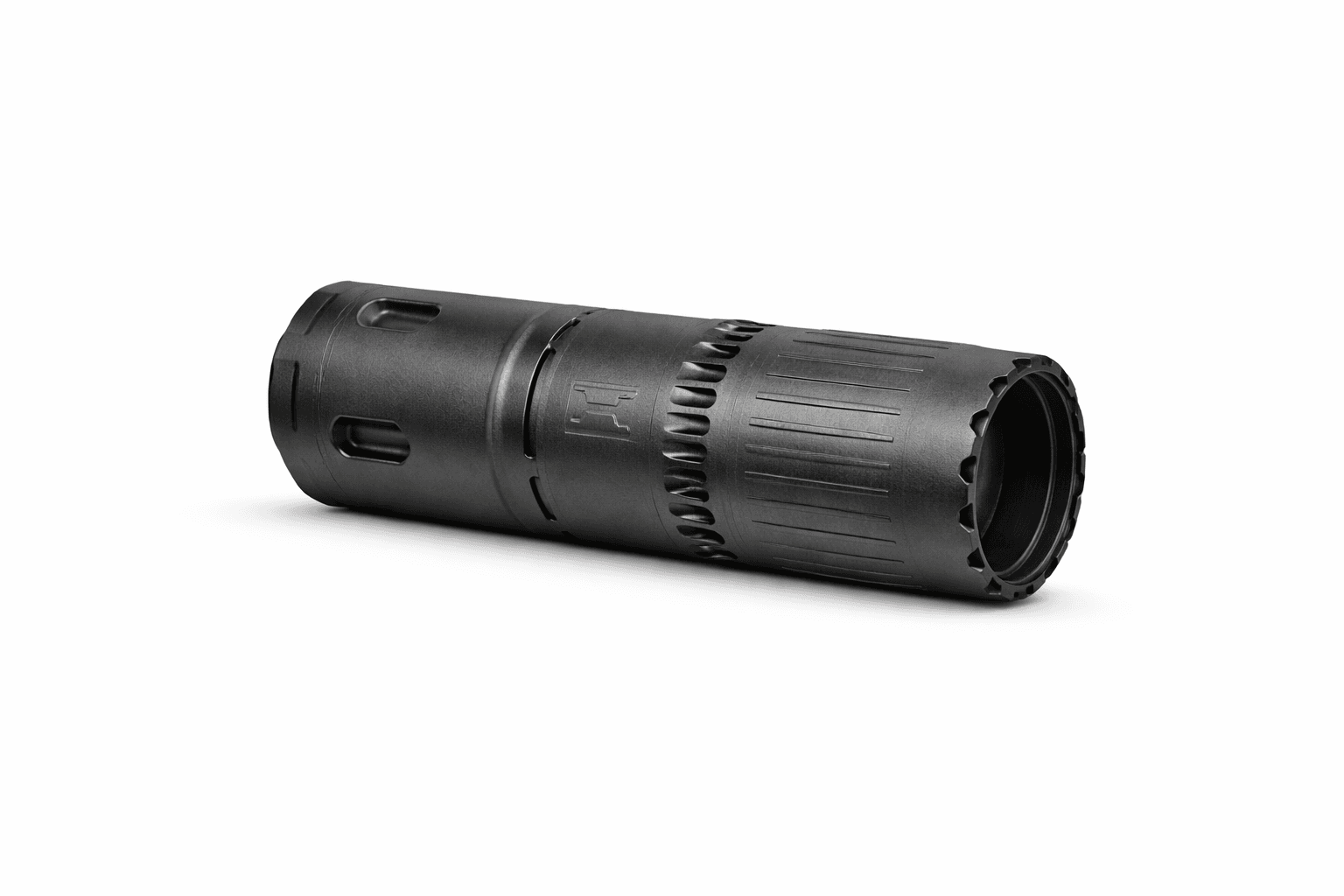
Ambient-Intake Suppressors: Cooler Cans, Clearer Glass, Better Real-World Pace
Ambient-air intake suppressors aim to cut heat, mirage, and burn risk while keeping sound performance strong. Here’s what matters for buyers.
Read the lead articleRelated articles
Each article below answers a narrower question that feeds back into the main guide.
Ambient-Intake Suppressors: Cooler Cans, Clearer Glass, Better Real-World Pace
Ambient-air intake suppressors aim to cut heat, mirage, and burn risk while keeping sound performance strong. Here’s what matters for buyers.
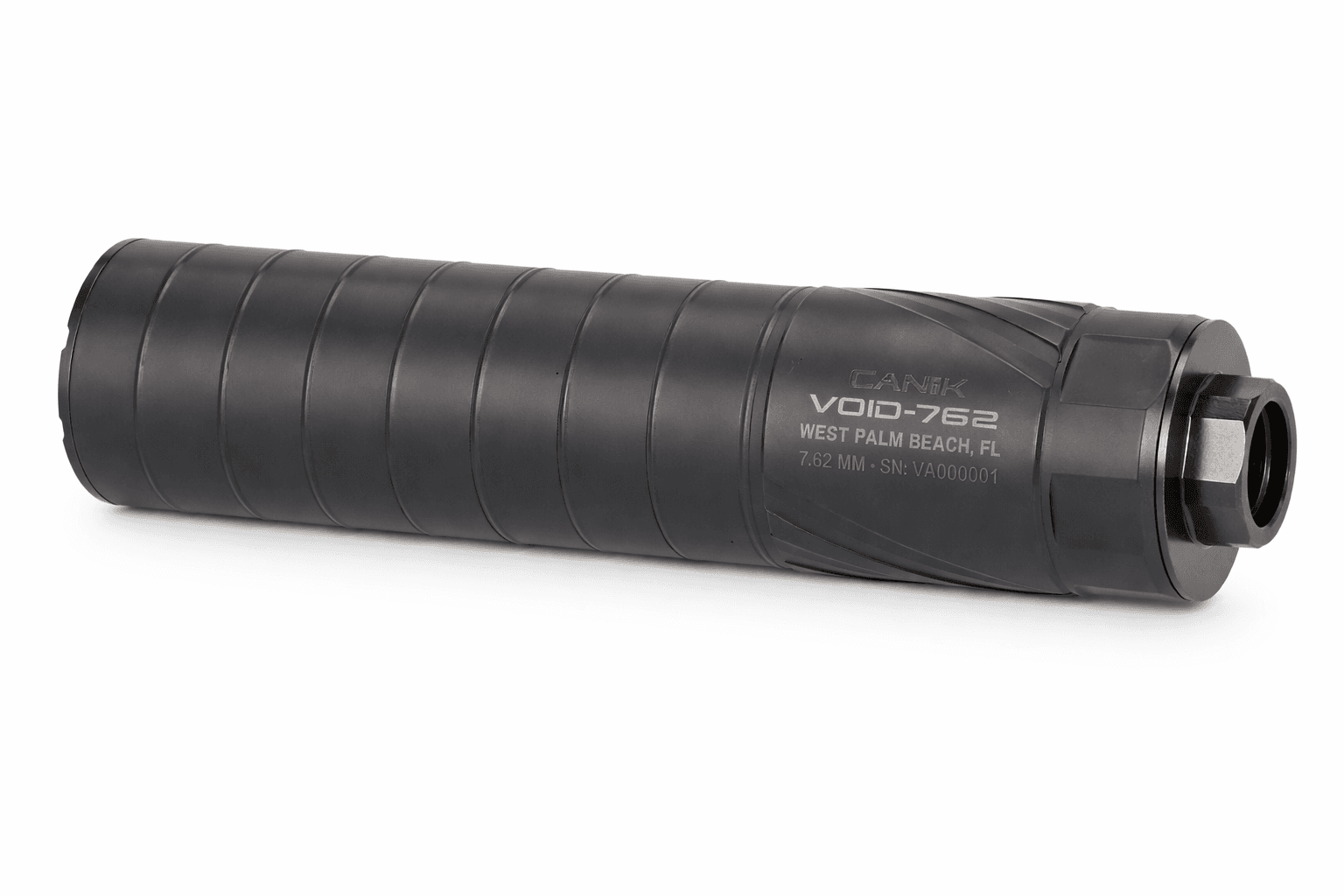
Canik Void Suppressors: What the Line Offers and How to Choose the Right Can
A practical look at the Canik Void suppressor lineup, with real-world selection guidance on materials, mounts, barrel limits, gas, and maintenance.
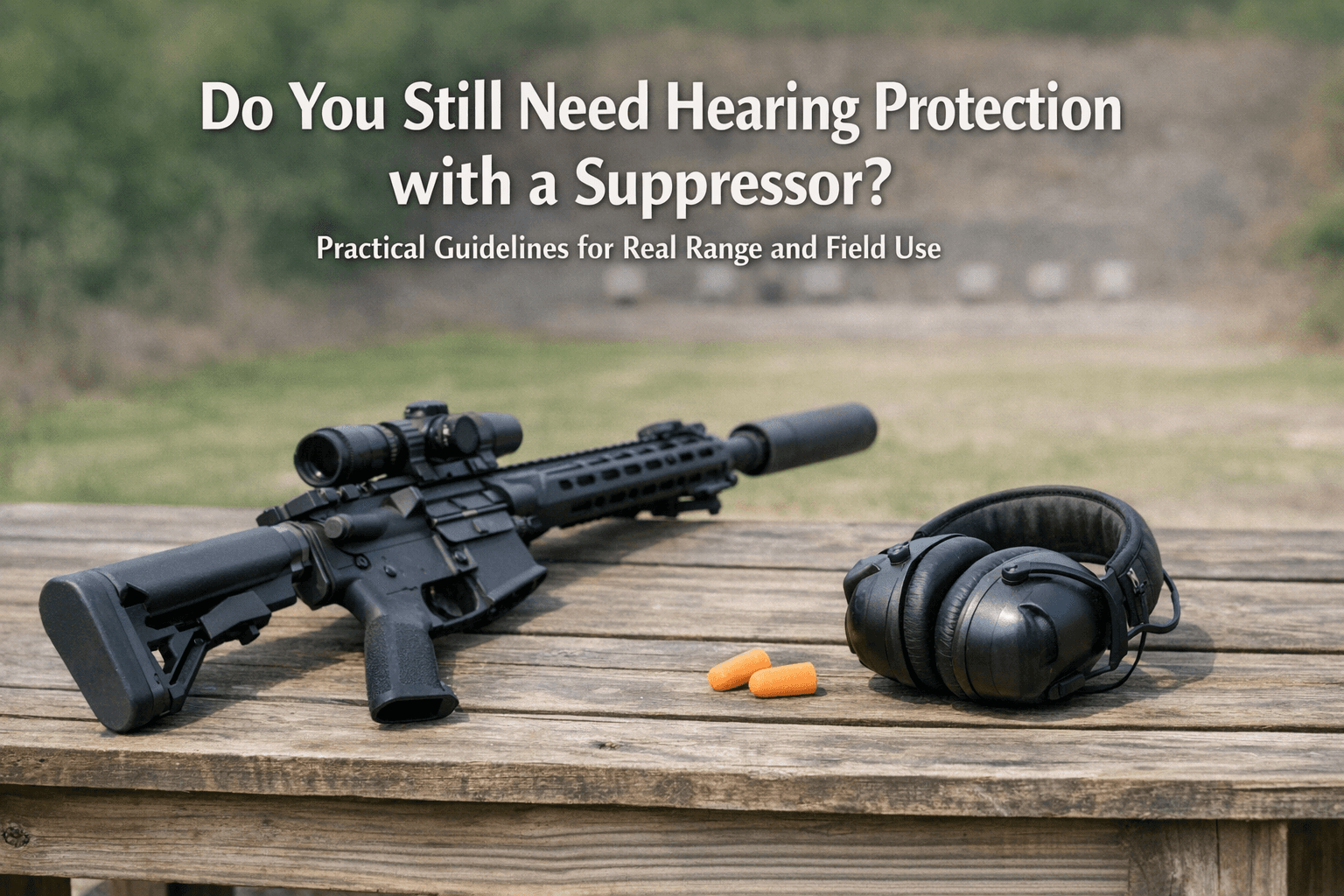
Do You Still Need Hearing Protection with a Suppressor? Practical Guidelines for Real Range and Field Use
Suppressors reduce blast, but most setups still exceed hearing-safe limits. Use a practical checklist for range, training, and hunting.
Suppressors After the $0 Tax Stamp: What Buyers Should Expect in 2026
The $0 tax stamp shifted suppressor demand fast. Here’s how to buy smart: pick the right can, plan wait times, and avoid common compliance mistakes.
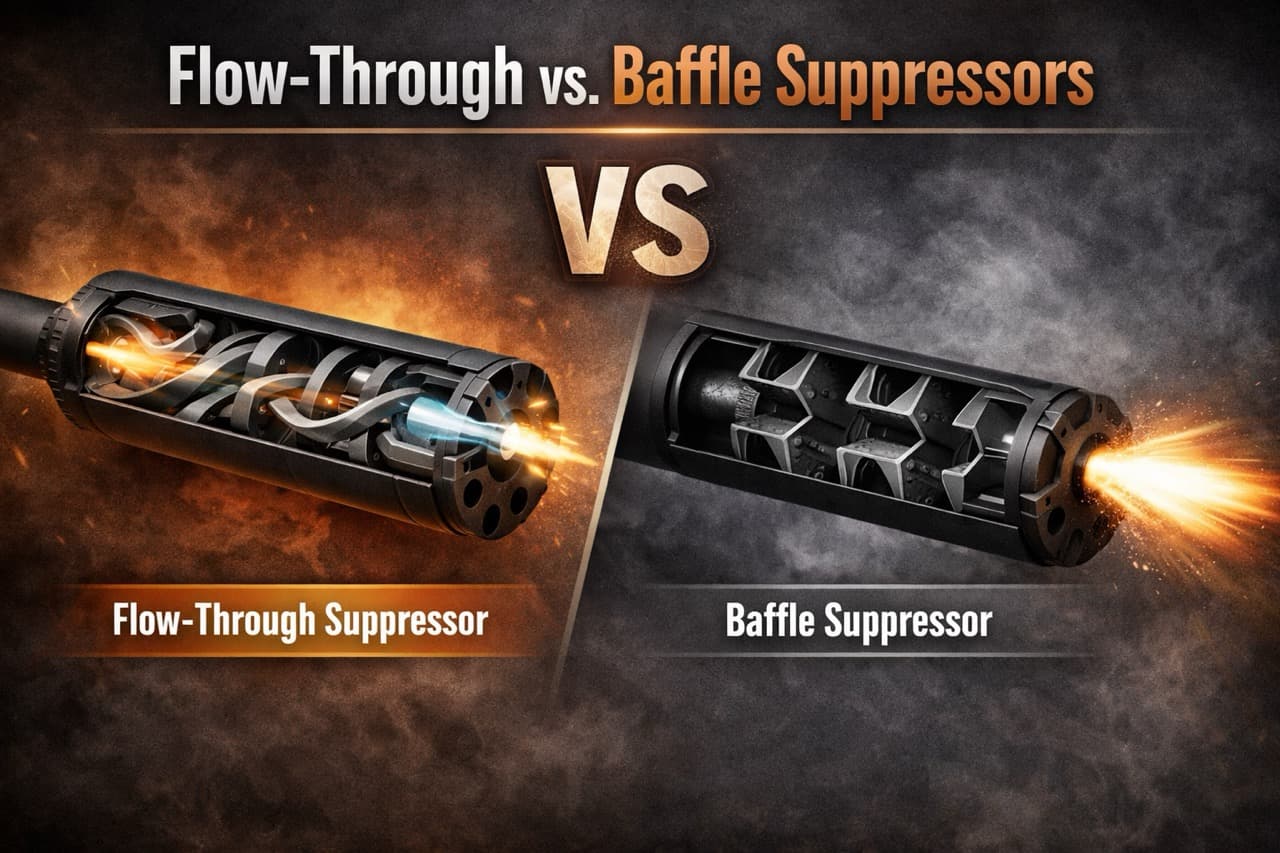
Flow-Through vs. Baffle Suppressors: What Actually Changes on the Gun
Flow-through suppressors cut blowback and backpressure. Here’s what that means for reliability, sound, flash, maintenance, and platform fit.
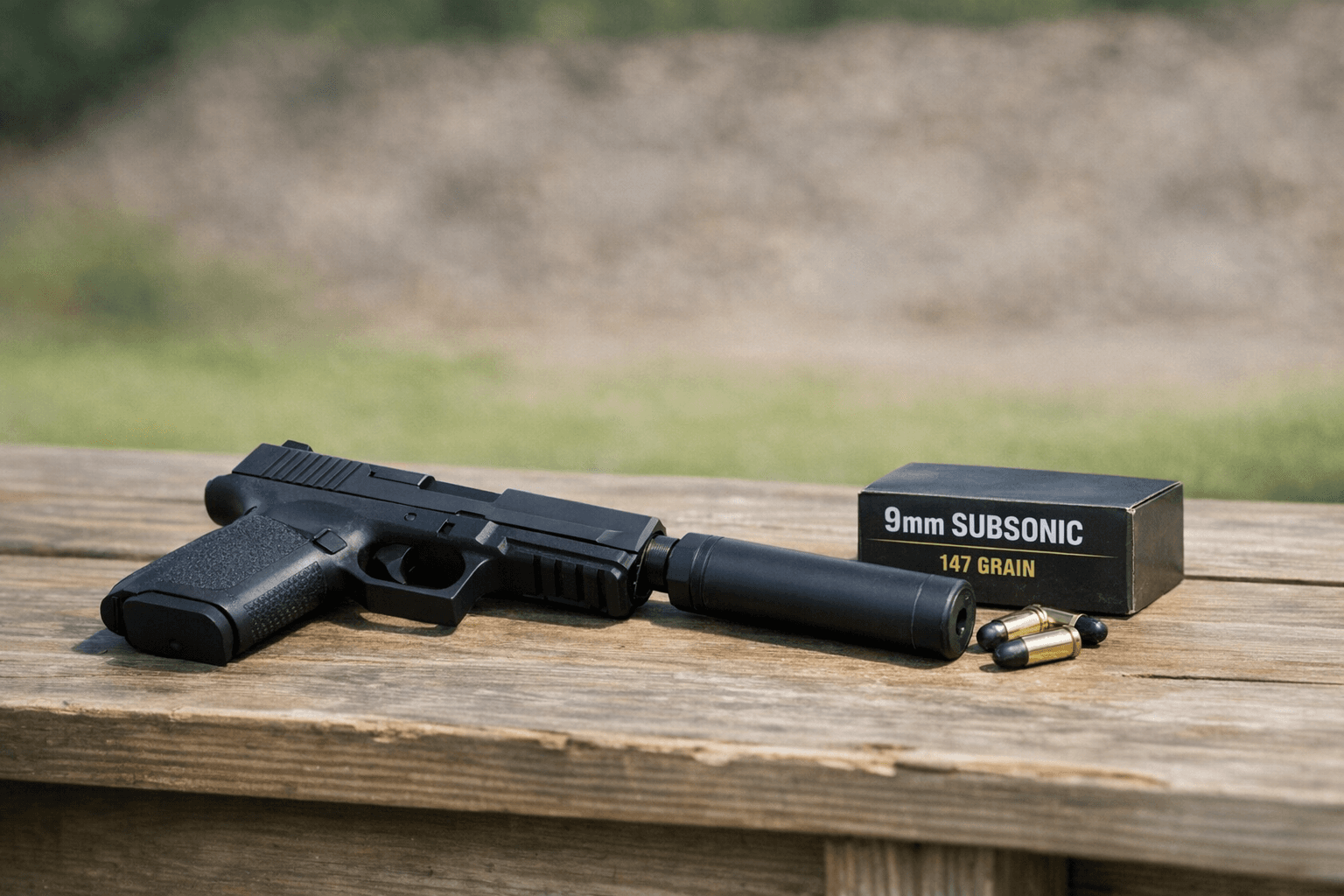
Pairing a Suppressor With the Right Subsonic Ammo: Practical Setups, Tradeoffs, and Reliability Checks
A practical guide to matching suppressors and subsonic ammo for 9mm, .300 BLK, .22 LR, and big bore with reliability, safety, and real use checks.
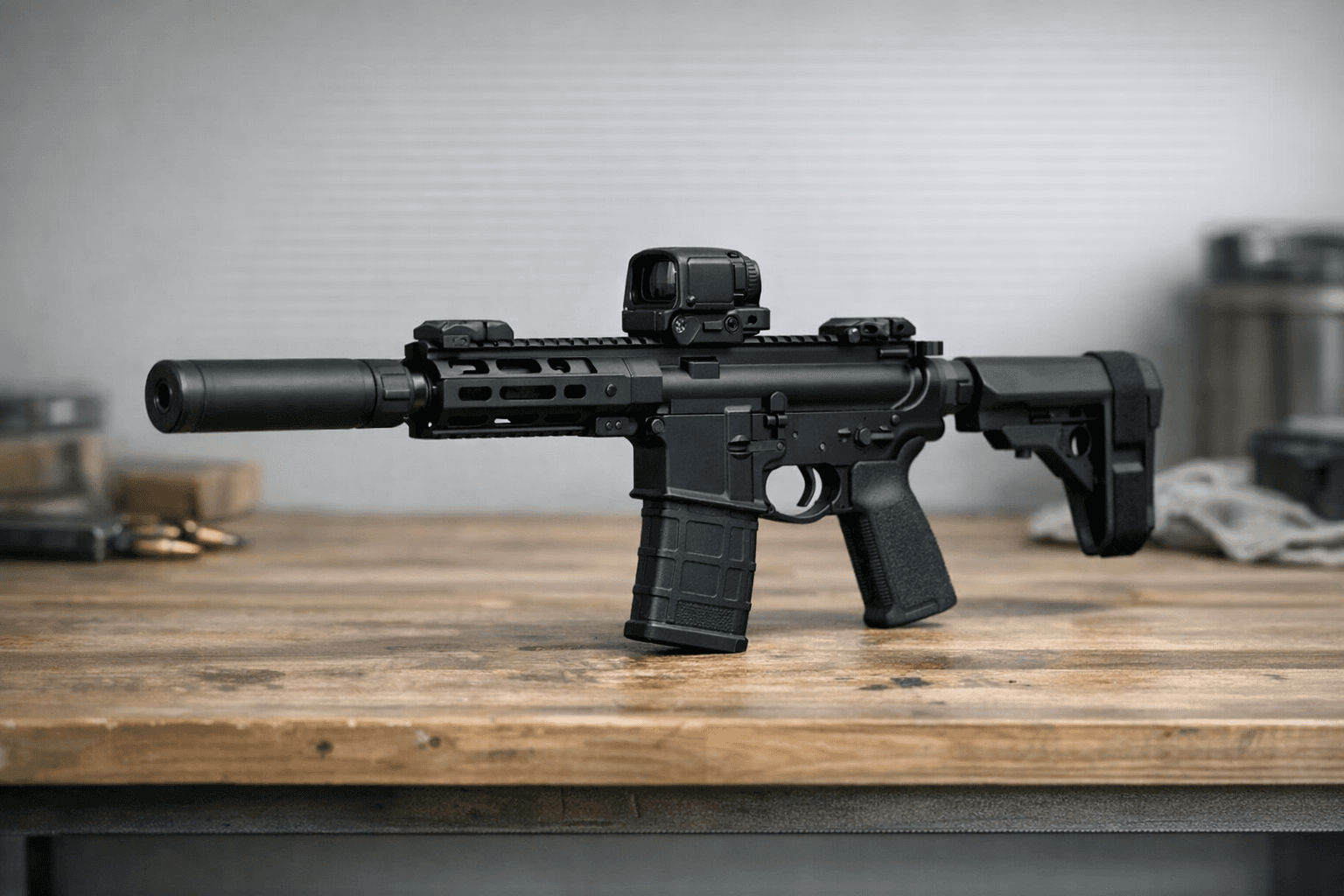
Why a 10.5-Inch Barrel Makes Sense for a .300 Blackout AR Build
A practical look at why 10.5 inches often delivers the best balance of reliability, suppression, and real-world handling in .300 Blackout.
Shop this guide
These are the live categories and products that match the practical questions behind this topic.
Suppressors & Accessories
Browse mounts, muzzle devices, adapters, and other can-support gear.
Ear Muffs
Keep hearing protection in the plan, especially for indoor lanes and higher-pressure setups.
Barrels
Match thread pattern, barrel length, and host use before you commit to a suppressor setup.
Tetra Gun Suppressor Cleaner Bath
A straightforward option for cleaning intervals when your setup runs dirty.
Surefire Muzzle Brake Suppressor Adaptor
Use a known mount pattern when you need predictable lockup and host compatibility.
Frequently asked questions
FAQ
Start with the host, caliber list, barrel restrictions, thread or mount pattern, and how much added length and gas you are willing to live with. The best suppressor on paper is the wrong suppressor if it creates a bad fit on the gun you actually shoot.
Often yes, but only if the can is rated for those calibers, barrel lengths, and firing schedules. Multi-caliber flexibility is useful, but it only pays off if the mount plan and host restrictions still make sense for every gun in the rotation.
Flow-through designs usually trade some raw suppression for less backpressure and a cleaner shooting experience on gassier hosts. Traditional baffle cans can sound great, but they often demand more attention to gas, tuning, and shooter comfort.
Usually yes. A suppressor can make shooting more manageable, but indoor ranges, short barrels, supers, and repeated strings of fire still justify hearing protection as part of the plan.
It matters more than many buyers expect. Subsonic versus supersonic loads, bullet weight, reliability, and how dirty the load runs can change the experience almost as much as the can itself.
Maybe both. Covers help with heat, mirage, and accidental contact on some setups, while cleaning intervals depend on host type, ammo, and firing volume. Plan for maintenance before the can gets buried in carbon.