
Brief
Tisas Regent BR9 Sport Nickel, A Hi-Power Done Right
A detailed look at the Tisas Regent BR9 Sport Nickel 9mm, its 4.6 inch barrel class, 15-round magazines, adjustable sights, G10 grips, and how it holds up...
Shop this at BLVista
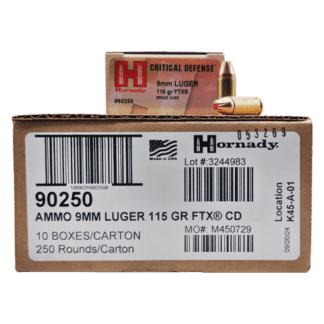 Hornady Critical Defense FTX Handgun Ammunition 9mm Luger 115gr PT 1140 fps 250/ct Case (10-25/ct Boxes)
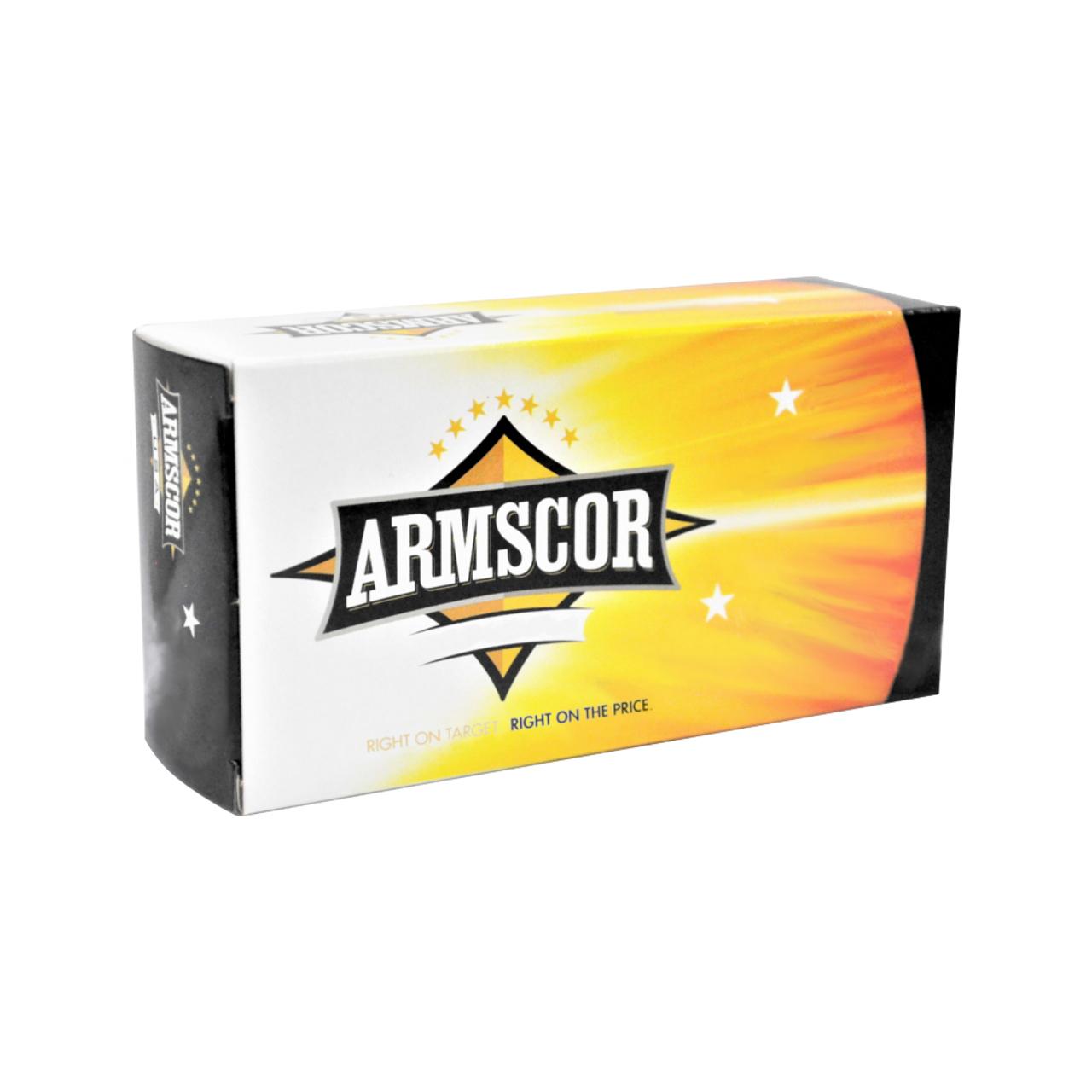 Armscor Handgun Ammunition 9mm Luger 124gr JHP 1068 fps 50/ct
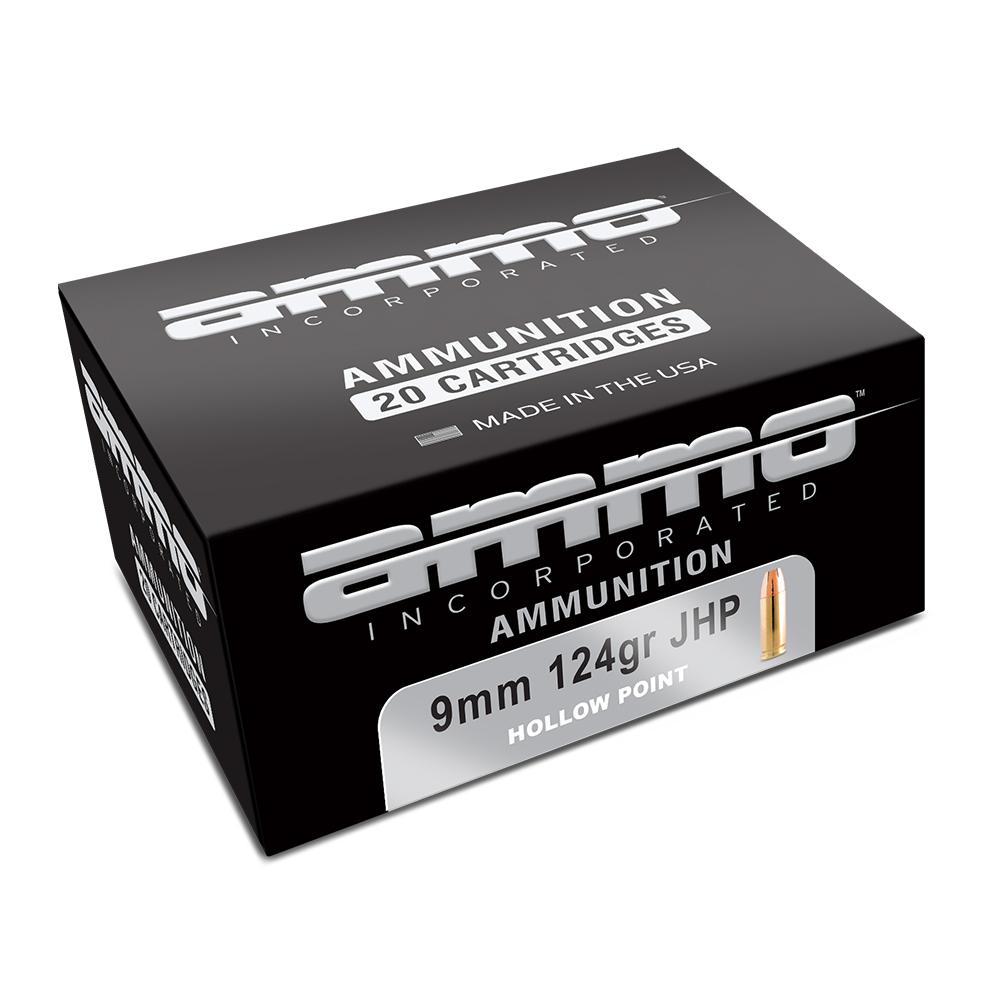 Ammo Inc Signature Handgun Ammunition 9mm Luger 124gr JHP 1017 fps 20/ct
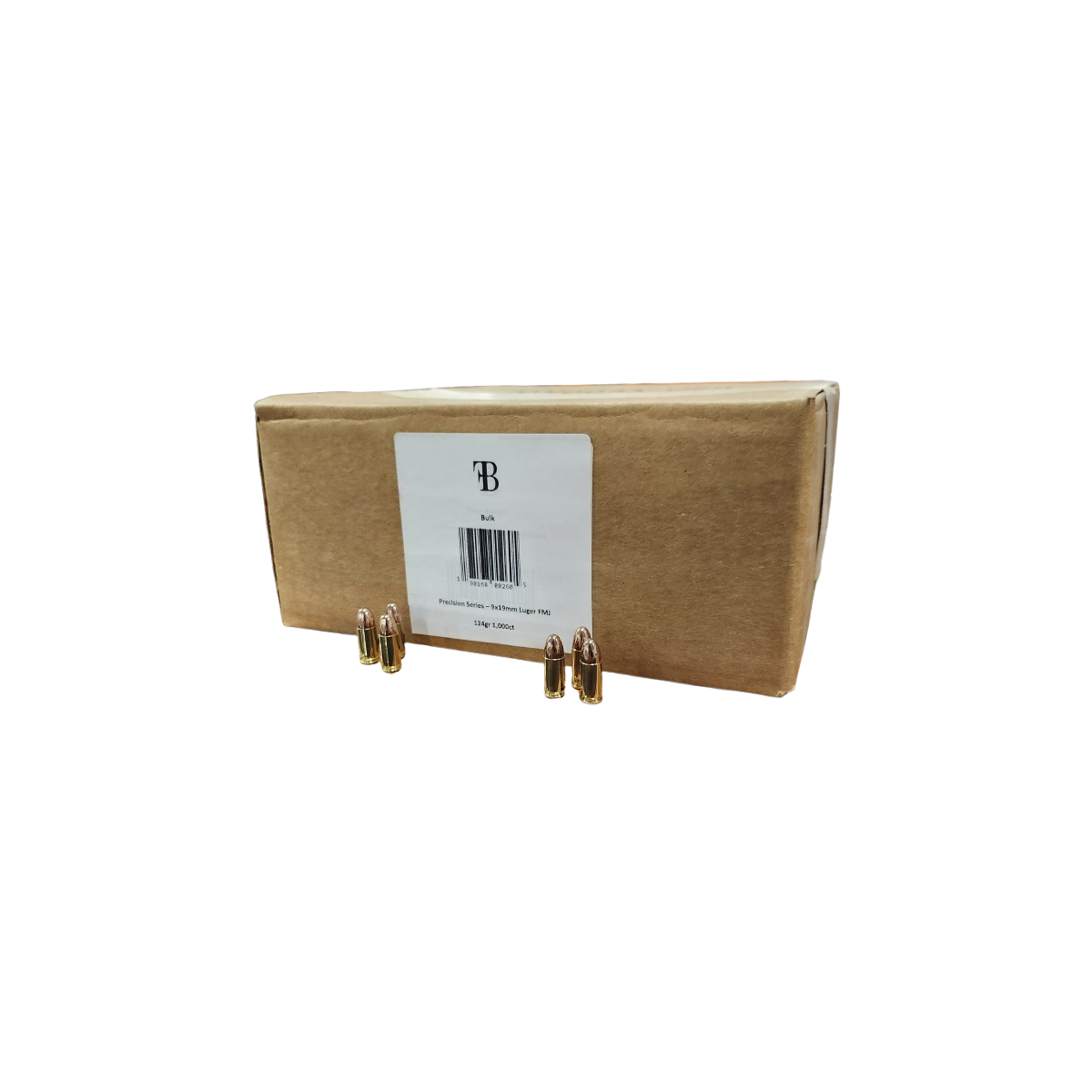 First Breach Precision Handgun Ammunition 9mm Luger 124gr FMJ 1100 fps 1000/ct
The Browning Hi-Power pattern has been out of mainstream production long enough that most shooters under 40 have never handled one. Tisas keeps the design alive in a form that costs a fraction of a collector-grade original, and the Regent BR9 Sport Nickel is the dressed-up version of that formula: satin nickel finish, G10 grip panels, an adjustable rear sight, and 15-round magazines in 9mm Luger.
The interesting question is not whether it looks good on a bench. It is whether a steel, single-action, hammer-fired 9mm built on a 1935 design still earns range time, holster space, and money in 2025. In several specific ways, it does.
What You Are Actually Buying
The BR9 family is a forged steel frame and slide pistol chambered in 9mm Luger, with a barrel in the 4.6 inch class and an unloaded weight in the low-to-mid 30 ounce range. Overall length runs just under 8 inches, height right around 5 inches with the flush magazine seated, and slide width near 1.3 inches at the widest point. Those numbers matter because they explain the gun’s behavior.
Thirty-plus ounces of steel over a 9mm cartridge is a favorable ratio. A 115 grain load leaving the muzzle around 1,150 fps or a 124 grain load near 1,100 fps produces recoil that this gun soaks up with very little muzzle rise. Compare that to a 22 ounce polymer compact firing identical ammunition and the difference in split times and sight tracking is obvious by the second magazine. For range work, steel-frame competition classes, and instruction days where you run 300 to 500 rounds, mass is an asset.
The tradeoff is carry weight. A loaded BR9 with 15 rounds of 124 grain ammunition pushes past 40 ounces. That is a real belt commitment and demands a stiff gun belt at least 1.5 inches wide plus a holster with a reinforced mouth. Readers working through that decision will find the framework in our concealed carry readiness guide useful before committing to an all-steel daily gun.
The Sport Features That Change How It Shoots
Two upgrades separate the Sport Nickel from a plain BR9.
- Adjustable rear sight. Fixed-sight Hi-Powers are notorious for shooting to a point of impact that does not match your preferred load. An adjustable rear lets you zero to a specific 115, 124, or 147 grain load at 25 yards instead of holding off. If you shoot steel plates or bullseye, this alone justifies the upgrade.
- G10 grip panels. G10 is a fiberglass-epoxy laminate that does not swell, rot, or crack the way checkered walnut can after years of sweat and solvent exposure. It also holds a texture that stays consistent when wet. For humid hunting camps or summer training, that is a durability win, not a cosmetic one.
The satin nickel finish is the part buyers overthink. Nickel plating resists corrosion better than traditional bluing and wipes clean easily, which suits a gun that lives in a safe between range trips. It will show holster wear at the muzzle and slide corners over time. If you want a pistol that stays visually pristine, this is not the finish to carry hard every day.
Magazines and Capacity
Original Hi-Powers shipped with 13-round magazines. Modern production runs 15 rounds in the same flush-fit envelope, which is a meaningful change for competition stage design and for anyone in a jurisdiction where capacity is unrestricted. Magazine quality is where clone pistols usually fail, so treat magazines as a consumable you buy in quantity. Plan on five to seven for a training rotation, label them, and retire any that show feed lip spreading. Stock up on Hi-Power pattern 9mm magazines before you need them rather than after a class.
Trigger, Safety, and the Magazine Disconnect
Hi-Power triggers are the design’s weak point out of the box. The transfer lever and the magazine disconnect both add drag, and factory pulls commonly land in the 6 to 8 pound range with noticeable creep. Removing the magazine disconnect typically drops several pounds and cleans up reset, which is why so many owners do it. Understand the consequence before you touch it: with the disconnect removed, the pistol will fire with the magazine out, so your administrative handling discipline has to be absolute. If you share a gun with less experienced shooters, leave it in place.
The manual thumb safety runs like a 1911, which makes cross-training between platforms straightforward. The spur hammer is the other legacy quirk. Shooters with high, meaty hands sometimes get hammer bite between the thumb and index finger. Dry-fire ten presses with a firm grip before you buy a holster and you will know immediately whether it affects you.
Ownership Lifecycle and Maintenance
A steel-framed, tilting-barrel design like this is simple to maintain and slow to wear out. A few specifics worth building into your routine:
- Recoil spring. Replace on a round count schedule, not by feel. Every 3,000 to 5,000 rounds is a reasonable interval for a range gun, sooner if you shoot heavy 147 grain or +P loads.
- Locking lug and barrel cam. These are the high-wear surfaces. Keep a light grease film there rather than thin oil, which migrates off under recoil.
- Extractor and feed lips. Most clone reliability complaints trace back to magazines or extractor tension, not the frame. Diagnose in that order.
- Nickel care. Avoid aggressive ammonia-based cleaners on plated surfaces. A quality CLP and a nylon brush is enough.
Optics, Suppressors, and Modern Compatibility
Be realistic about what this platform does and does not accept. The Sport Nickel is an iron sight pistol with a machined-in adjustable rear, not a factory optic-cut slide, so there is no RMR, RMSc, or ACRO footprint to work with. If a red dot is a requirement, buy a purpose-built optics-ready gun and read our carry red dot buyer’s guide first. Likewise, the standard barrel is not threaded, so host duty for a 9mm can is off the table without aftermarket barrel work in 1/2×28 thread pitch.
A Four-Question Buying Check
- Is this a shooter or a display piece? If it lives in the safe, the finish and grips are the value. If it gets 500 rounds a month, the adjustable sight and magazine supply matter more.
- Can your belt and holster handle 40-plus loaded ounces? Answer honestly before you plan to carry it.
- Will you remove the magazine disconnect? Decide up front, because it changes your handling rules.
- Do you need an optic or a threaded muzzle? If yes, this is the wrong platform and no amount of nostalgia fixes that.
For shooters building a steel-gun range kit around iron sights and clean trigger work, this pattern fits nicely alongside the rest of a range and match loadout, and it pairs well with a single-action 1911 in the same safe because the manual of arms overlaps.
How To Decide
Handle one, dry-fire it with your actual shooting grip, and check for hammer bite. If the ergonomics work for your hand, the BR9 Sport Nickel gives you a 15-round 9mm with a steel frame, a tunable single-action trigger, and a sight system you can zero to a specific load, at a price well under original-production Hi-Power money. If you need a dot, a light rail, and a threaded barrel, spend the money on a modern striker-fired pistol instead and keep the Hi-Power urge for a second gun. Browse our current 9mm pistol selection to compare it directly against optics-ready alternatives in the same price band.
FAQ
It is a 9mm Luger pistol with a barrel in the 4.6 inch class and 15-round flush-fit magazines, compared to the 13 rounds typical of original Browning Hi-Powers. Overall length is just under 8 inches and unloaded weight sits in the low-to-mid 30 ounce range. Confirm figures against the manufacturer's published specification sheet for the exact SKU.
The design has a long service record, and reliability on modern clones usually comes down to magazines and extractor tension rather than the frame or slide. Run 300 to 500 rounds of your chosen defensive and practice ammunition through every magazine before trusting the gun.
Removing it typically improves trigger pull and reset noticeably, but the pistol will then fire with the magazine removed. Only do it if your handling discipline and storage situation support that, and leave it installed on guns others may handle.
The Sport model ships with an adjustable iron rear sight and no factory optic cut, and the standard barrel is unthreaded. Adding a dot or a 1/2x28 threaded muzzle requires aftermarket slide machining or a replacement barrel.
Yes, with a rigid gun belt of at least 1.5 inches and a holster with a reinforced mouth, since a loaded gun exceeds 40 ounces. The setup has to be built for the weight rather than borrowed from a polymer compact.
Standard pressure 115 and 124 grain loads in the 1,100 to 1,150 fps range shoot very flat in a 30-plus ounce steel gun. Heavier 147 grain subsonic loads near 1,000 fps reduce muzzle blast and work well once you confirm zero at 25 yards.
Was this useful?