
Brief
Which Mossberg Earns a Spot in Your Safe
A spec-driven guide to Mossberg shotguns and the MVP rifle, with barrel lengths, capacities, optic cuts, thread pitches, and long term ownership tradeoffs.
Shop this at BLVista
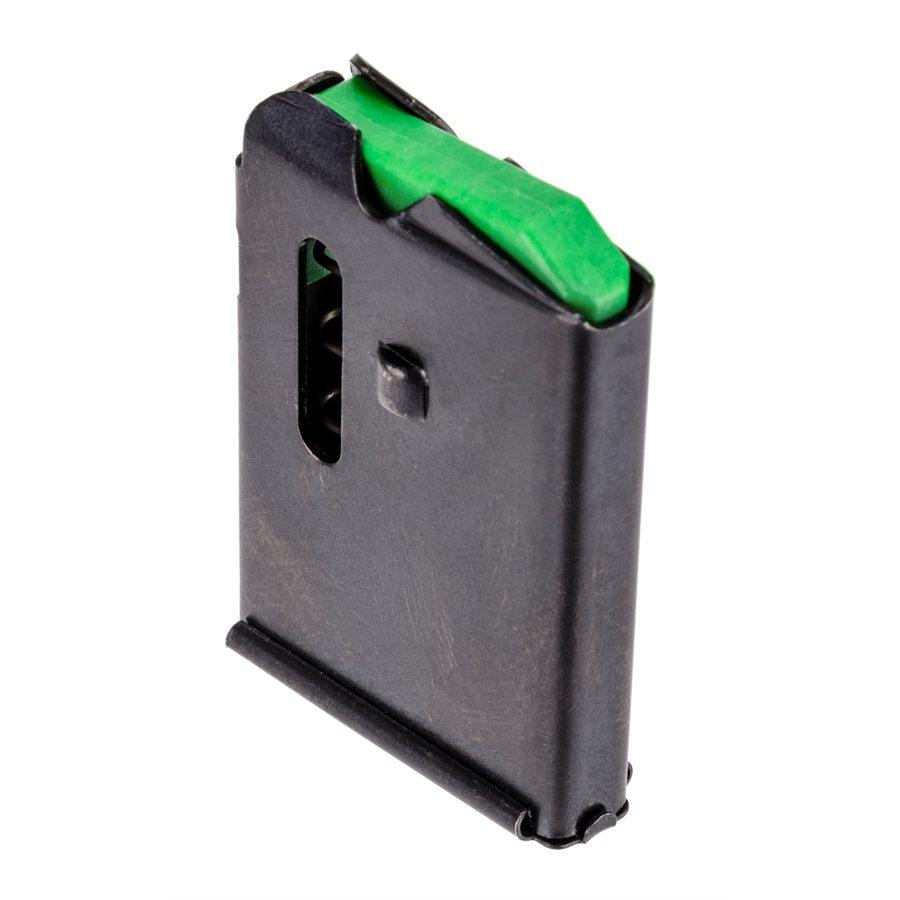
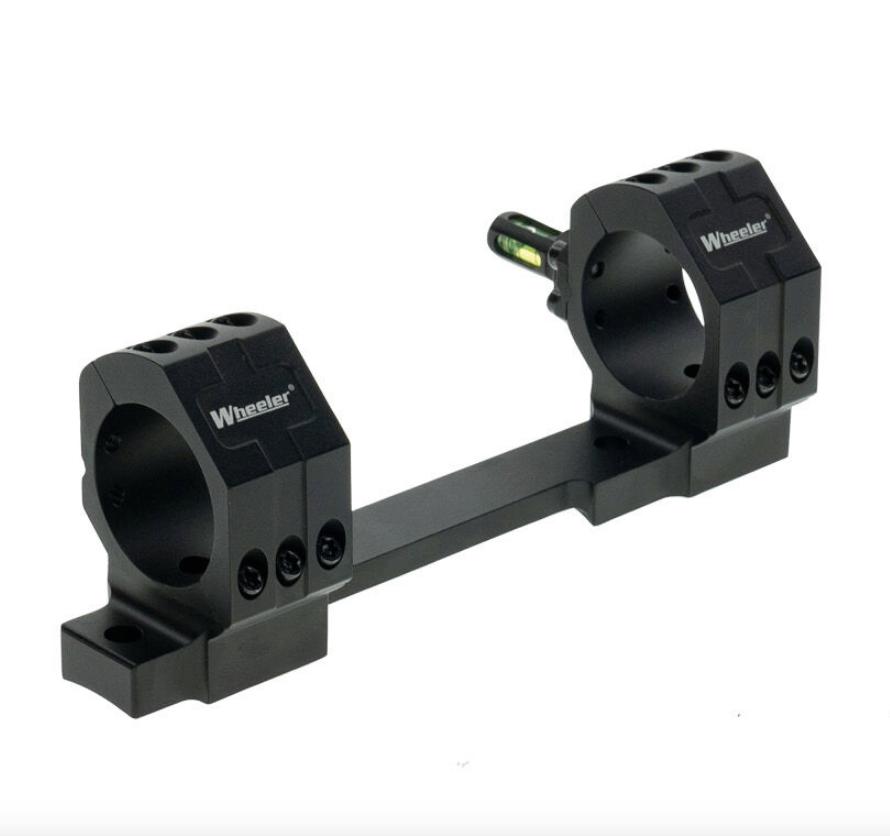
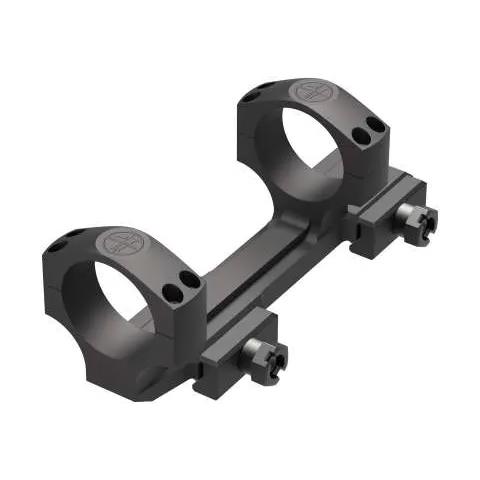
Mossberg has been building guns since 1919, starting with a four-barrel .22 LR pocket pistol and ending up as the company most American shooters associate with pump guns. The catalog is deep enough to be confusing. There are dozens of shotgun configurations wearing model numbers that differ by a magazine tube design or a stock, and the price spread runs from roughly $250 to well past $1,100. The question is not which Mossberg is best in the abstract. It is which one matches the barrel length, capacity, and mounting options you actually need.
Below is a working framework, then the models worth your attention with the numbers that separate them.
A Four-Question Filter Before You Buy
- What is the job? Bedside gun, dove field, turkey woods, truck gun, or a range toy. Each pushes barrel length in a different direction. Home defense favors 14 to 18.5 inches. Wingshooting favors 26 to 28 inches.
- Pump or gas gun? A pump action does not care about shell power factor. A gas semi-auto cuts felt recoil noticeably but can be picky with light target loads and reduced-recoil buckshot.
- Do you need an optic? A receiver-milled optic cut sits the dot lower than a rail-and-riser stack and removes tolerance stacking. If you plan to run a red dot, buy a gun that was designed for one.
- Are you willing to file paperwork? Anything under an 18-inch barrel with a shoulder stock becomes a registered short-barreled shotgun with a $200 transfer tax and a wait. Non-stocked “firearm” configurations at 14 inches sidestep that as long as overall length stays at or above 26 inches.
Mossberg 940 Pro Tactical
The 940 is a ground-up rework of the older 930 gas system, and the improvements are measurable in maintenance intervals rather than marketing copy. Mossberg rates the gas system for extended round counts between cleanings, and the practical result is a semi-auto that does not start short-stroking at the 500-round mark on a range day.
Specs that matter: 18.5-inch barrel, 3-inch chamber, 7+1 capacity in 12 gauge, and a receiver milled for a Shield RMSc footprint with adapter plates for other optic patterns. The stock adjusts for length of pull through spacers, which lets you set it between a short-armed shooter in a jacket and a long-armed shooter in a t-shirt. Controls are oversized, and the loading port is beveled deep enough that a proper quad-load is realistic with gloves on.
The front sight is barrel-mounted but raised on a flare, which corrects the point-of-aim versus point-of-impact drift you get from a bead sitting flush on the barrel. That single design choice is why slugs land where you expect at 50 yards instead of printing high.
Weak point: swapping stocks is more involved than on a 500-pattern gun. Decide on your furniture early.
Maverick 88
The value benchmark. Street pricing generally lands under $250, which puts a reliable pump gun in reach of a first-time buyer. You get 5+1 or 7+1 depending on tube length, an 18.5-inch defensive barrel or a 28-inch field barrel, and a cross-bolt safety rather than the tang safety found on the 500.
Combination sets that ship with both a 28-inch vent-rib barrel and an 18.5-inch cylinder-bore barrel are the single best dollar-per-capability buy in the entire lineup. One receiver covers dove season and the nightstand with a two-minute barrel change.
Tradeoffs are honest ones. No optic cut, no length-of-pull adjustment, no easy forend swap because of the different action slide tube dimensions, and a bead sitting directly on the barrel that will print high with slugs and tight buckshot patterns. Pattern it at 15 and 25 yards before you trust it.
500 and 590 Series
The 500 arrived in 1960 and has passed 10 million units, which is why the aftermarket is what it is. Stocks, forends, sidesaddles, magazine extensions, and replacement parts are available from more sources than any other pump platform except the 870.
The functional difference between the two: the 500 barrel indexes off the magazine tube with a barrel nut, while 590 tubes use a removable end cap that makes the tube easy to clean and easy to extend. Capacity on an 18.5-inch 590 runs 5+1 or 8+1 depending on tube. The 590A1 adds a heavy-wall barrel, an aluminum trigger guard and metal safety button, and is built to the Mil-Spec 3443E pattern, which is the reason it sits at the top of the price range. A 20-inch 590A1 carries 8+1.
Ergonomic advantages carry across the family. The tang safety works identically for left and right handed shooters, and the skeletonized elevator keeps thumbs out of the pinch zone during loading. Parts replacement is straightforward enough that a home shop with punches and a bench block can handle most repairs. If you are shopping the family, our 590-pattern shotgun listings are a reasonable place to compare configurations side by side.
990 Aftershock and 990 Tactical
The 990 is a gas semi-auto that does not use a stock-mounted buffer, and that engineering decision has a direct consumer benefit: it accepts 590 furniture. Magpul SGA stocks, folding options, and standard 590 forends all fit. Barrel lengths run 14 inches on the Aftershock pistol-grip firearm configuration and 18.5 inches on the tactical shotgun version, with SPX handguards and receiver-milled optic cuts on the shotgun models.
Controls are sized for hard use. The magazine release, charging handle, and safety are all large enough to run without breaking your firing grip. Reliability across load types has been good in extended use, including light field loads, though loads specifically engineered for pump-only guns will not cycle a gas system. Read the box.
Mossberg MVP
The only non-shotgun worth listing. The MVP is a magazine-fed bolt gun chambered in 5.56 NATO, .300 Blackout, and 7.62 NATO, feeding from AR-15 or SR-25 pattern magazines depending on chambering. Patrol and Scout variants both carry 16.25-inch barrels, which keeps the rifle short enough for thick timber and blind work.
Iron sights come standard. Patrol models use barrel-mounted open sights, Scout models use a rear peep. Both come drilled and tapped, and the Scout’s forward rail supports a long eye relief scope. Muzzles are threaded, which is the real argument for the platform. A bolt action in .300 Blackout running 220-grain subsonics around 1,000 fps under a can is one of the quietest practical hunting setups available, and a bolt gun removes action noise from the equation entirely. Typical rifle suppressors deliver roughly 20 to 30 dB of reduction depending on host and load. Match your thread pitch before ordering: 5.56 hosts are commonly 1/2×28 and .30 caliber hosts are commonly 5/8×24. Our suppressor buyer’s guide covers mount selection and host pairing in detail, and glass options for a short-barreled bolt gun are covered in the rifle field optics guide.
Known weakness: magazine sensitivity. The gun will accept nearly any AR magazine, but round nose-dive occurs with some brands. Stick to quality polymer magazines and test each one loaded to capacity before hunting with it.
Shockwave .410
Mossberg was first to production on the 14-inch barrel, pistol-grip-only, 26-plus-inch overall length configuration that stays outside NFA registration. It comes in 12 gauge, 20 gauge, and .410 bore, and the .410 is the version that earns its keep. Capacity is typically 5+1, the gun weighs under five pounds, and recoil is mild enough that a recoil-shy shooter will actually finish a box of shells.
Treat it as what it is. It is not a defensive gun in the way an 18.5-inch 590 with a stock is a defensive gun, because the bird’s head grip gives up all the accuracy advantages of a shoulder-mounted long gun. It is a legitimately fun trainer and plinker, and it is red-dot capable on 590-based variants.
590RM Chisel
This is the outlier. It is an 11.5-inch barreled short-barreled shotgun with a folding stock, a magazine-fed action using detachable M-series magazines up to 20 rounds, and an ambidextrous receiver-side safety that operates like an AR selector. The tang safety was dropped because folding stocks and tang safeties do not coexist well.
The tradeoffs are real. It requires a $200 tax stamp and the associated wait. It ships without iron sights, so budget for a red dot on top of a purchase price above $1,100. And shotshells stored under spring tension in a detachable magazine will deform over months. Set a calendar reminder and rotate your loaded magazines two or three times a year.
Capacity is the payoff. A tube gun at 14 inches gives you about five rounds. This gives you a shorter barrel and four times the onboard ammunition.
Ownership Realities Nobody Mentions at the Counter
- Storage. Shotshells with plastic hulls swell in humidity. Store loaded tubes at a reduced count if the gun sits for long periods, and rotate ammunition annually.
- Corrosion. Blued receivers on 500-pattern guns need a wipedown after coastal or wet-weather use. Aluminum receivers help, but the barrel and internals are steel.
- Gas gun maintenance. The 940 and 990 need the gas piston and magazine tube cleaned on a schedule. Carbon buildup is what kills gas shotguns, not spring fatigue.
- Optic mounting. A receiver-milled cut is worth paying for. Rail-and-mount stacks add height, add failure points, and put a dot where the cheek weld is not. See the red dot selection guide for footprint and durability considerations that apply to shotgun mounting as well.
- Transport. Overall length matters at the state line. A 26-inch firearm configuration is treated very differently in some jurisdictions than a standard shotgun. Confirm before you travel.
How to Decide
If your budget is $250, buy a Maverick 88 combo and put the rest into ammunition and a shotgun class. If you want one gun for hunting and defense, buy a 500 with two barrels. If you want the best-shooting defensive shotgun in the lineup, buy the 940 Pro Tactical and mount a dot. If you already own the paperwork mindset and want maximum capacity in minimum length, the 590RM Chisel is the answer and nothing else in the catalog competes. If you want a suppressor host that hunts, the MVP in .300 Blackout with a 16.25-inch threaded barrel is the entry point.
Pick the job first, then let the barrel length and capacity numbers do the sorting. Browse configurations in the BLVista store when you know what you are looking for.
FAQ
The magazine tube and barrel attachment. The 500 barrel indexes to the magazine tube with a barrel nut, while the 590 uses a removable end cap that allows easier cleaning and tube extension. The 590 is oriented toward defensive and duty use, the 500 toward hunting and sporting. The 590A1 adds a heavy-wall barrel and metal trigger guard built to the Mil-Spec 3443E pattern.
They share the same core action and many barrels interchange, but the Maverick uses a cross-bolt safety instead of a tang safety and a different action slide tube, which limits forend swapping. It is the budget line, typically under $250, and it is reliable.
18.5 inches is the shortest length legal without NFA registration when a shoulder stock is fitted. It balances maneuverability with a full 5+1 or 7+1 tube. Going shorter to 14 or 11.5 inches requires a $200 tax stamp and a registered short-barreled shotgun.
Models with a receiver-milled optic cut, including the 940 Pro Tactical and most 990 series guns. The factory cut accepts an RMSc footprint directly with plates available for other patterns, and it sits the dot low enough for a natural cheek weld.
Yes. MVP models ship with threaded muzzles, and the 16.25-inch barrel keeps overall length manageable with a can attached. .300 Blackout with 220-grain subsonic ammunition around 1,000 fps is the quietest pairing. Confirm your thread pitch before ordering a mount, since 5.56 and .30 caliber hosts commonly use different patterns.
Legally it is classified as a firearm rather than a shotgun because it has a 14-inch barrel, no shoulder stock, and an overall length of at least 26 inches. State law treats these configurations inconsistently, so verify local rules before purchase or transport.
Was this useful?