
Brief
The Tri-Lug Kuna 9mm PDW and Faster Suppressor Swaps
The Tri-Lug Kuna pairs a 6.6 inch roller-delayed 9mm barrel with a tool-free suppressor mount. Specs, Tri-Lug vs 1/2x28, ammo choice, and maintenance.
Shop this at BLVista
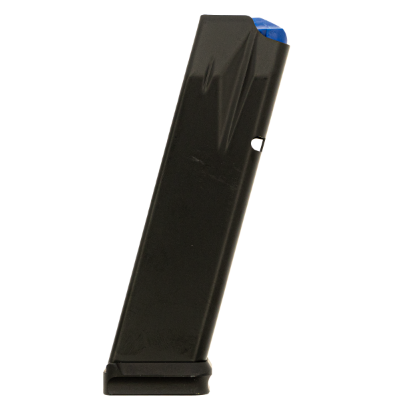
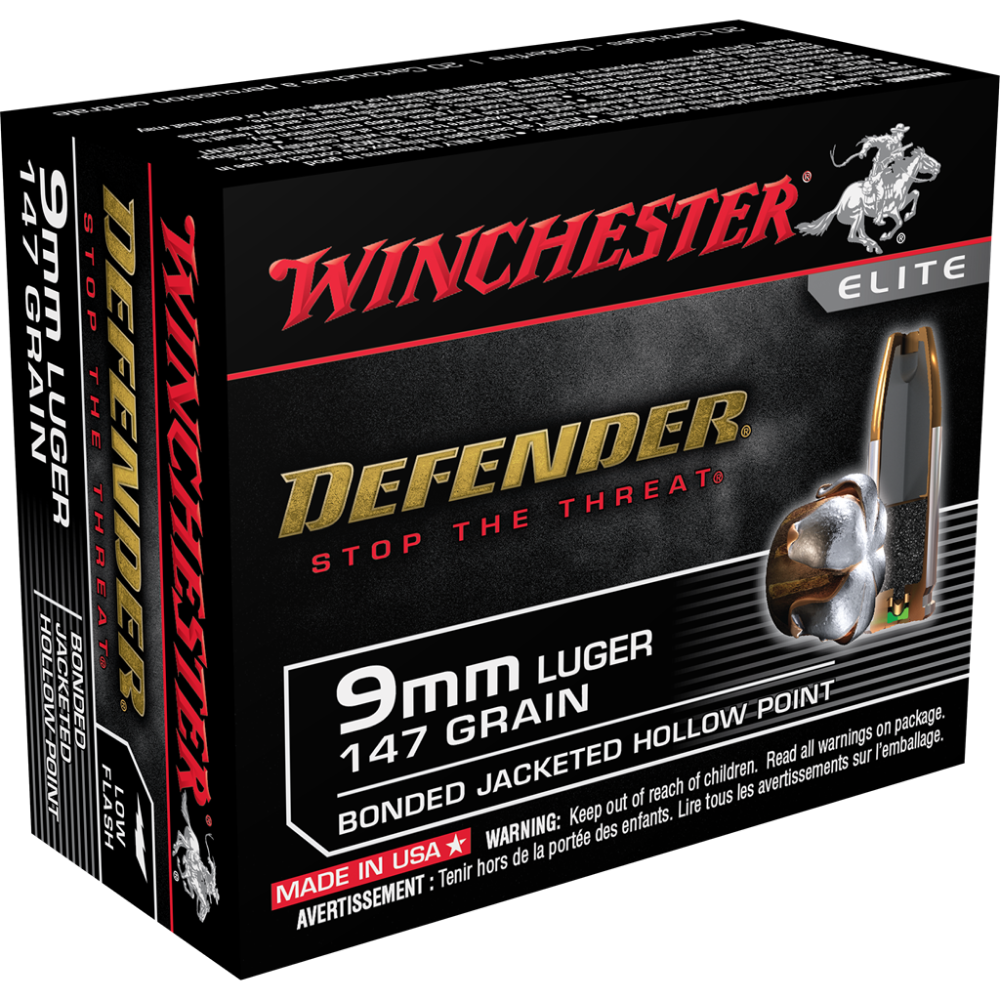
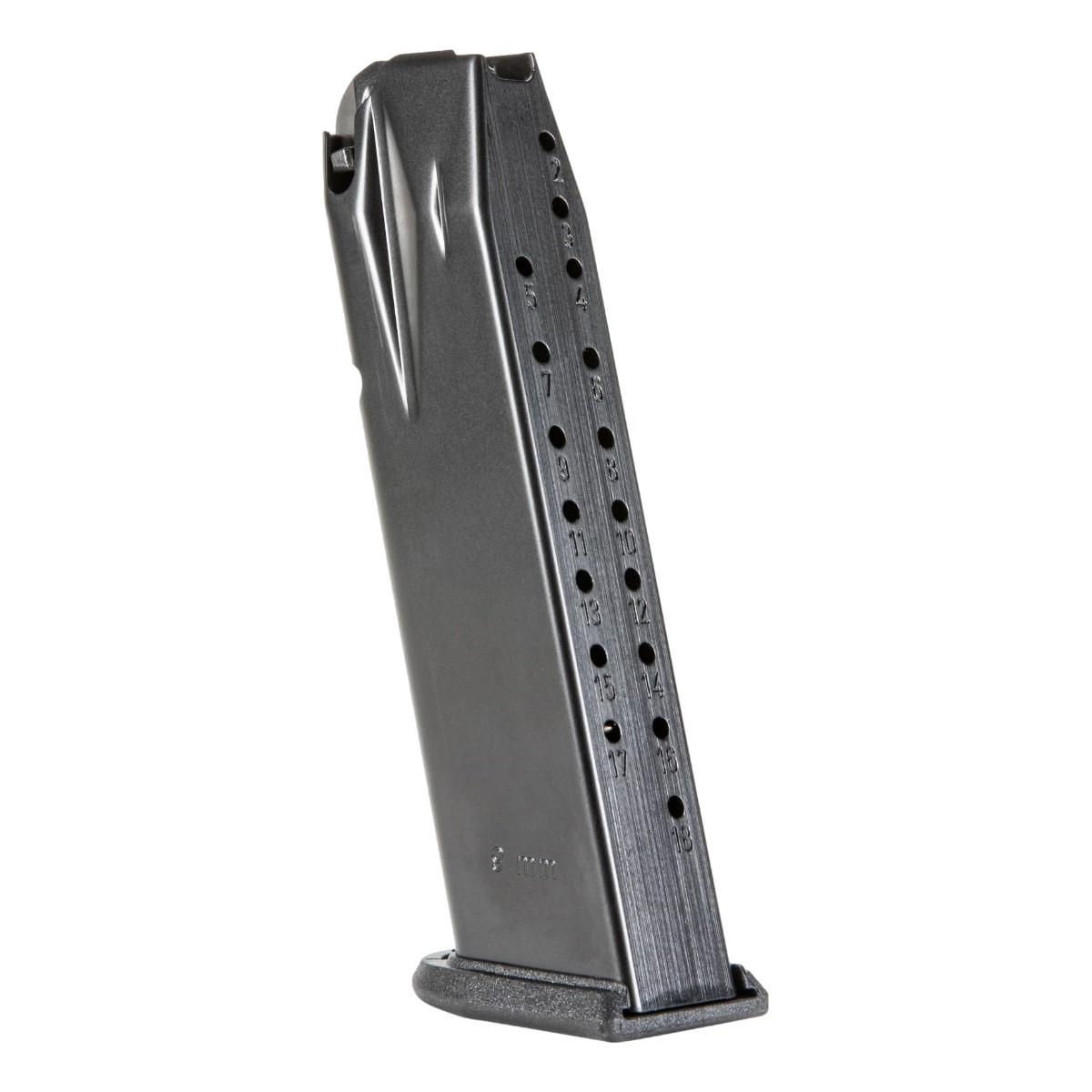
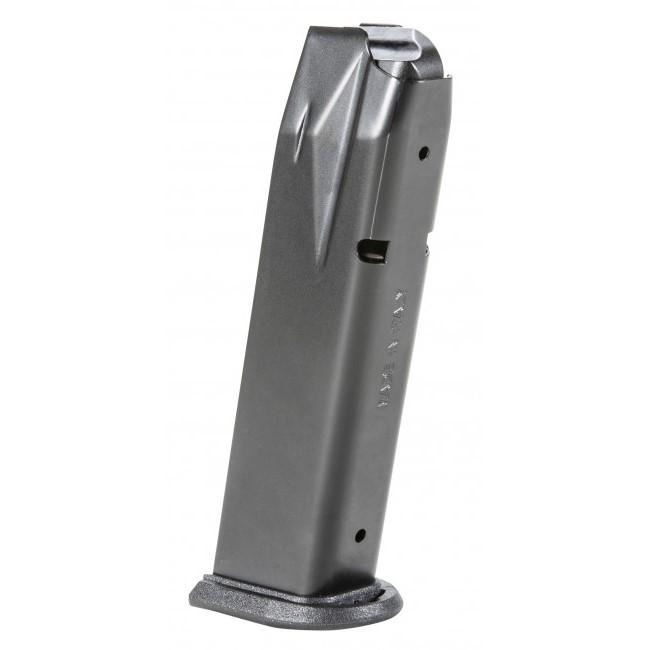
Springfield Armory’s Kuna already had a following as a roller-delayed 9mm PDW with a monolithic aluminum upper and fully ambidextrous controls. The newer Tri-Lug variants change one thing that matters more than it sounds: the 6.6 inch barrel now carries an integral three-lug mount, so a compatible can goes on and comes off with a push and a quarter turn instead of threading down onto a 1/2×28 shoulder.
What the Tri-Lug Kuna actually is
The published configuration is straightforward, and the numbers are worth having in front of you before comparing it against anything else in the pistol caliber space.
- Cartridge: 9mm Parabellum
- Barrel: 6.6 inches with integral Tri-Lug mounting surface
- Action: roller-delayed blowback
- Upper receiver: monolithic aluminum
- Controls: fully ambidextrous
- Magazines: two 30-round included, or five 10-round with the low-capacity variants
- Rear configurations: bare Picatinny rail, or a Strike Industries FSA side-folding brace
- MSRP: $1,179 bare rail, $1,330 with the FSA brace
- Model codes: KN9069BTL, KN9069BTL-FSA, KN9069BTLLC, KN9069BTLLC-FSA
The 10-round variants exist for capacity restricted states, and the pricing spread between the two rear configurations is $151. That is roughly what a standalone folding brace and mounting hardware cost anyway, so the braced SKU is not a premium so much as a bundled build.
Why roller delay matters at 6.6 inches
A direct blowback 9mm carbine controls bolt velocity with mass. That means a heavy reciprocating bolt, a sharp impulse at the rear of the stroke, and more felt disturbance on the sights between shots. Roller delay bleeds energy through the locking geometry instead, which lets the designer cut bolt weight and smooth the recoil curve. On a short 6.6 inch barrel firing 124 grain loads, that difference shows up in split times more than it does on paper.
Roller delay also handles suppressed gas better than most simple blowback designs. Adding a can raises back pressure and speeds up unlocking on any semiauto. A delayed system has more margin before that turns into battered brass, gas to the face, and premature extraction. It still pays to run a full magazine of your suppressed load before trusting the setup.
Tri-Lug versus 1/2×28 threads
Most 9mm hosts ship with 1/2×28 muzzle threads, and that standard is the reason a single 9mm can will mount on a Glock 19, an AR-9, and a bolt action .22 host with the right adapters. Three-lug is a different tradeoff.
- Speed. A three-lug mount indexes in under a second. Direct thread on a 1/2×28 muzzle takes several full rotations and both hands.
- Repeatability. Three-lug returns to the same rotational index every time. Direct thread depends on how hard you snugged it.
- Fouling tolerance. Carbon builds up in thread valleys and can seize a direct thread can after a few hundred rounds. Lug interfaces shrug off more residue before they get stubborn.
- Universality. Direct thread wins. A 1/2×28 can drops onto almost anything in 9mm. Three-lug requires a matching lug adapter or a can built with one.
- Weight and length. Three-lug adapters typically add a small amount of length and mass ahead of the muzzle compared to direct thread. On a compact PDW, that shifts balance forward slightly.
The practical answer for most owners is to own both interfaces. Buy the suppressor with a modular rear cap system so one can serves the Tri-Lug Kuna, a threaded pistol, and a rifle host. If you are still narrowing down a first purchase, our suppressor buyer’s guide walks through mount families, materials, and full-auto ratings in more depth.
Ammunition selection drives the suppressed result
Suppression on a 9mm host is mostly an ammunition problem. The speed of sound at sea level sits near 1,125 fps, and anything above that produces a sonic crack the can cannot touch. A 115 grain load out of a 6.6 inch barrel commonly runs in the 1,150 to 1,250 fps range depending on the lot. A 147 grain subsonic typically lands under 1,000 fps from the same barrel.
Unsuppressed 9mm at the muzzle is commonly measured around 160 dB. A quality 9mm can with subsonic ammunition frequently brings readings down into the low 130 dB range, which puts it near hearing safe territory. The gap between subsonic and supersonic ammunition is the single largest variable in that number, larger than the difference between two competing cans.
Practical takeaway: stock 147 grain subsonic for suppressed range work and hog or predator use at close distance, and keep 124 grain loads for unsuppressed practice where you are chasing velocity and cost per round. Match the load to the job rather than buying one case and hoping.
Ownership, maintenance, and storage
Suppressed 9mm is dirty. Lead and copper fouling accumulates in the blast chamber and around any mount interface. On a Tri-Lug host, brush the lugs and the shoulder every cleaning session and put a thin film of high-temperature anti-seize on the interface. Aluminum tube suppressors on a 9mm host stay well within their thermal limits during ordinary range use, but a titanium or stainless baffle stack is the better choice if you plan on high-volume classes.
Roller-delayed actions want attention at the roller pockets and the locking piece. Inspect the rollers for flat spots at the 2,000 to 3,000 round mark and check bolt gap if the design allows it. Keep spare recoil springs on hand and replace on a round count schedule instead of waiting for a malfunction to tell you.
For transport, a padded case sized for a folded PDW is more useful than a long rifle bag. With the FSA brace folded, the package shortens considerably and fits into most range bags built for compact hosts. Keep the suppressor and the host in the same locked container when moving between states, and confirm ahead of time that your route allows both the host configuration and the magazine capacity you are carrying. Suppressor ownership involves a federal $200 transfer tax and a registered transfer through a dealer, so plan on a wait between purchase and pickup.
A quick way to decide
Run through four questions before you commit.
- How many hosts will this suppressor serve? One host favors Tri-Lug. Three or more favors a modular can with interchangeable rear caps.
- How often do you actually remove the can? If it lives on the gun, direct thread is fine. If it moves between guns at every range session, the lug mount pays for itself in convenience.
- What is your dominant ammunition? Subsonic 147 grain shooters get the most out of a can. Supersonic-only shooters see a smaller return.
- What does your state allow? Capacity limits determine whether you are looking at the 30-round SKUs or the 10-round variants, and a few states restrict suppressor ownership outright.
Shooters comparing PDW and pistol caliber options can browse current 9mm pistol caliber carbines and 9mm suppressors to see what mounting systems are on the shelf right now.
What to sort out before you buy
Decide the suppressor mount first, then the host. That order matters because the can is the item with the transfer wait and the higher long-term cost, while hosts are easy to add later. If you already own a 1/2×28 direct thread can with a fixed rear cap, the Tri-Lug Kuna asks you to either buy an adapter or accept a second interface in your inventory. If you are starting fresh, buying a modular can and a Tri-Lug host together gives you the fastest mount available with a path back to threaded hosts. Sort out magazine capacity compliance for your state before you place the order, since the 10-round SKUs and the 30-round SKUs carry different model codes.
FAQ
6.6 inches, with the three-lug mounting surface machined into the barrel rather than added as a separate adapter, which keeps overall length shorter than a threaded barrel plus screw-on lug adapter.
Tri-Lug mounts faster and tolerates carbon fouling better. Direct thread 1/2x28 is more universal since nearly every 9mm host uses that pitch. Many owners keep both interfaces through a modular rear cap system.
Unsuppressed 9mm commonly measures around 160 dB at the muzzle. With a quality can and 147 grain subsonic ammunition, readings frequently fall into the low 130 dB range. Supersonic loads above roughly 1,125 fps still produce a sonic crack.
MSRP is $1,179 for the bare Picatinny rail configuration and $1,330 with the Strike Industries FSA side-folding brace.
Yes. Low-capacity variants ship with five 10-round magazines instead of two 30-round magazines and carry separate model codes. Verify your state rules on capacity and braced pistols before ordering.
147 grain subsonic 9mm delivers the largest sound reduction and softest impulse from a 6.6 inch barrel. Save 124 grain loads for unsuppressed practice.
Was this useful?