
Brief
How to Store Smokeless Powder and Primers Safely at Home
Storage limits, wooden magazine construction, temperature ranges, and shelf life checks for handloaders keeping smokeless powder and primers at home.
Shop this at BLVista
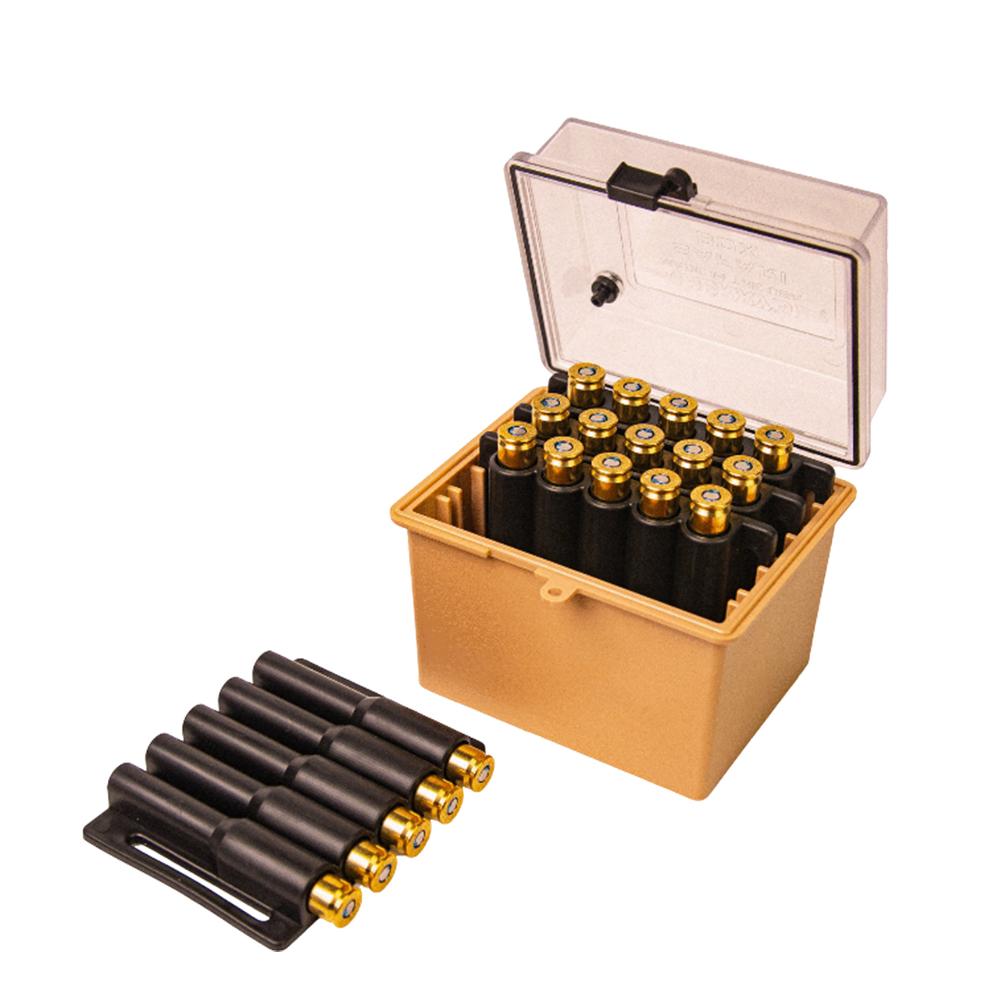
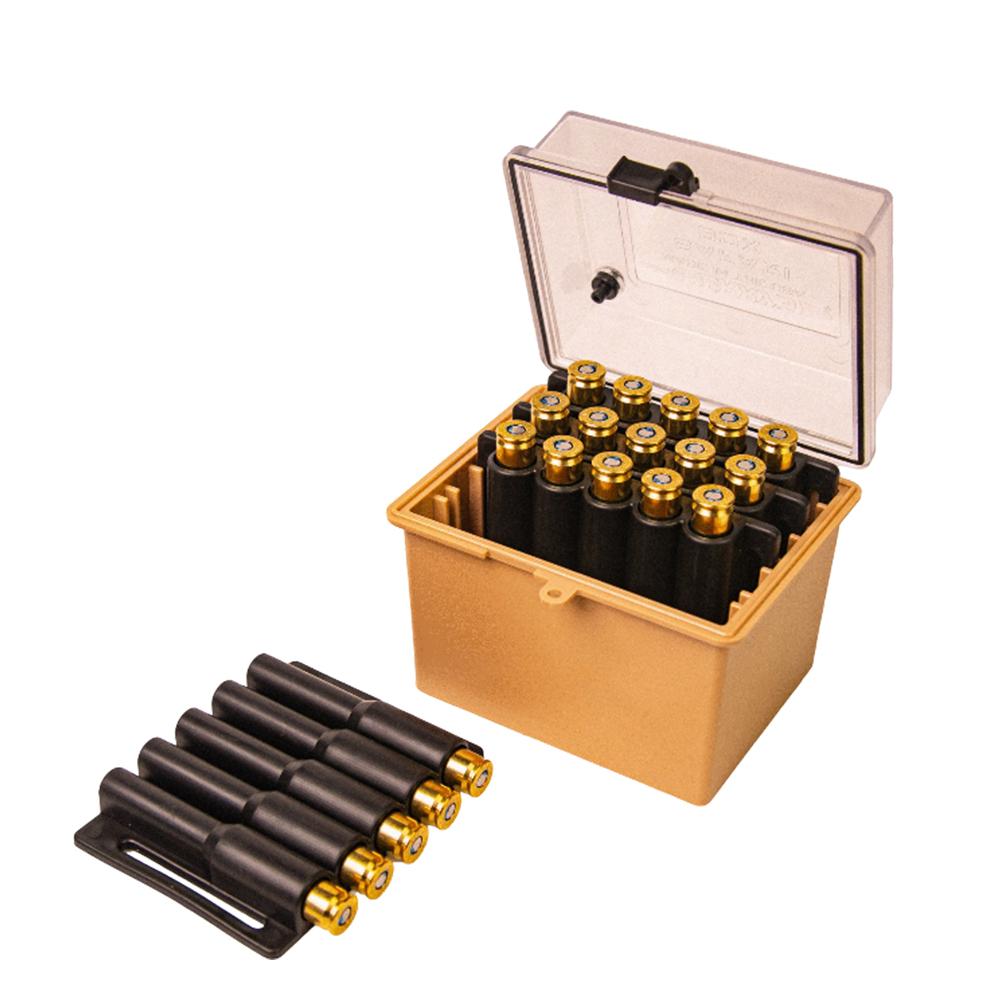
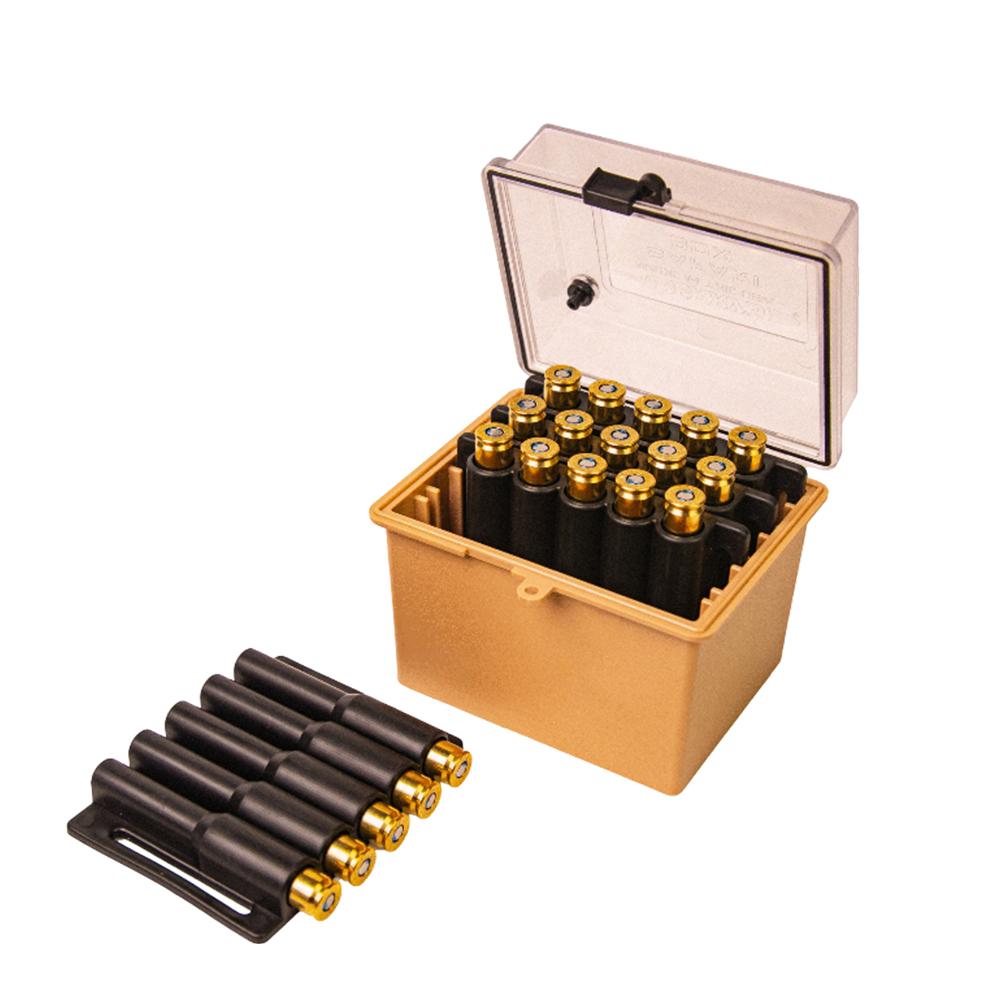
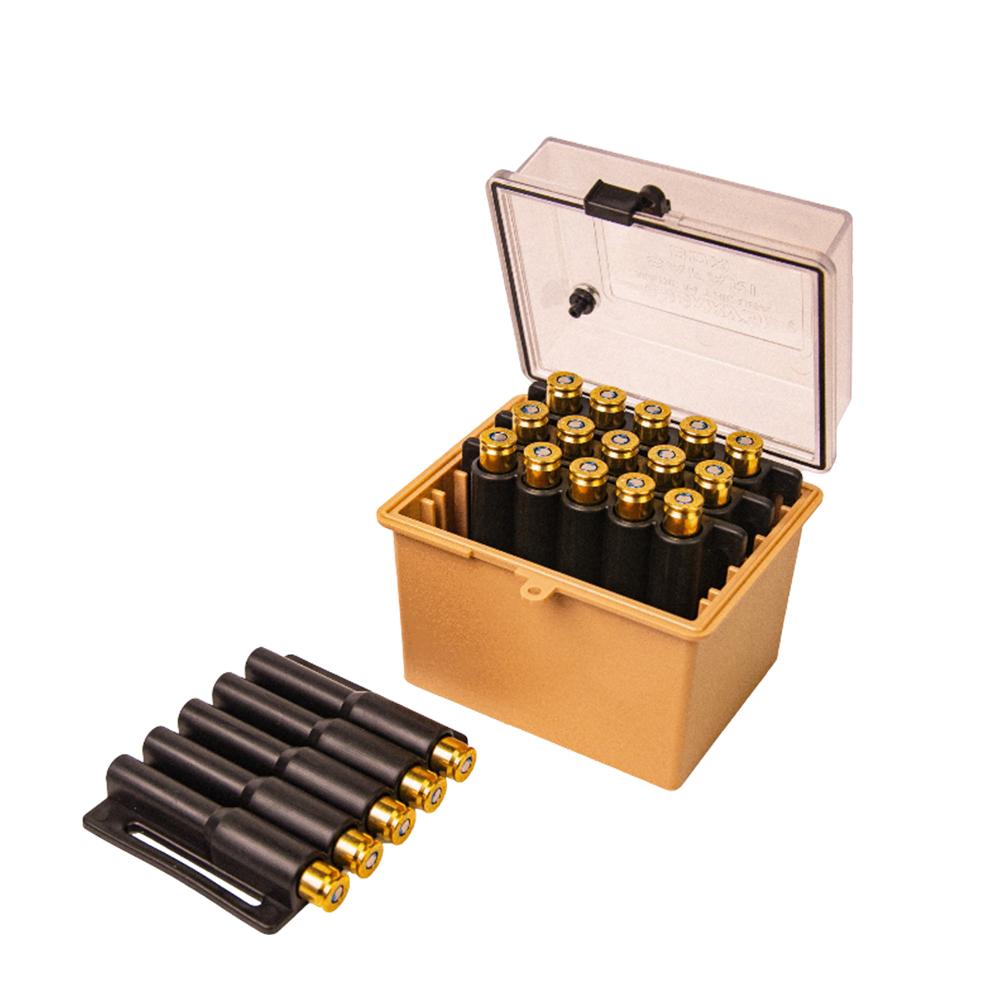
Every handloader eventually accumulates more energetic material than they planned on. A few pounds of powder bought during a good week turns into fifteen pounds spread across four canisters and a shelf of primer bricks. That inventory is a normal part of serious shooting, and it deserves the same deliberate thinking you apply to a safe, a carry holster, or a hunting rifle. Propellant and primers are stable, predictable products when they are stored correctly. They become a problem when they are treated as ordinary hardware store consumables.
This is a gear and process article, not a legal one. Local fire codes and municipal ordinances vary, and a short call to your fire marshal will tell you more about your address than any national guideline will. What follows is the equipment side: how much you can reasonably keep, what to keep it in, what environmental conditions do to it, and how to know when a canister has gone past its useful life.
Quantity thresholds that shape your setup
The widely referenced residential benchmarks come from NFPA 1124 and NFPA 495, and most local codes borrow from them. The common figures are 20 pounds of smokeless propellant stored in original factory containers inside a residence, and up to 50 pounds when it is kept in an approved wooden storage magazine. Primers are typically capped around 10,000 units in a dwelling, stored in the manufacturer’s original packaging with the internal dividers intact.
Those numbers matter for two reasons. First, they define the point where a plastic tote stops being adequate and a purpose built cabinet becomes the right purchase. Second, they influence insurance conversations. Exceeding common thresholds without appropriate storage is the kind of detail that surfaces at the worst possible time.
A simple planning check: total your powder by pound, total your primers by count, and decide which side of the 20 pound line you live on. If you are buying 8 pound jugs to save money per load, you are already in cabinet territory.
Why wood, and why not steel
This surprises people who assume a heavier container is always safer. Smokeless powder is a propellant, not a high explosive. Unconfined, it burns fast and hot rather than detonating. A storage magazine built from nominal one inch thick hardwood or equivalent, with no interior metal exposed and a lid that lifts under pressure, allows combustion gases to vent. A sealed steel box or an ammo can full of loose powder creates confinement, and confinement converts a fire into a pressure event.
Practical construction points for a powder magazine:
- Nominal one inch lumber walls, lid, and floor, with no exposed interior fasteners
- A hinged or loose fitting lid rather than a latched, gasketed seal
- No shelving that stacks canisters more than two deep, so you can inventory by sight
- Placement on an exterior wall, on the ground floor, away from furnaces, water heaters, dryers, and electrical panels
- Primers stored in a separate container from powder, never in the same enclosure
Loaded ammunition is a different matter and does fine in steel cans with desiccant. Keep the categories physically separate so a single incident cannot involve all three.
Temperature, humidity, and the slow failure mode
Smokeless powder does not go bad on a schedule. It degrades based on cumulative heat exposure. Nitrocellulose slowly decomposes and releases nitrogen oxides, and manufacturers add stabilizers such as diphenylamine to absorb those byproducts. Once the stabilizer is consumed, decomposition accelerates on its own.
Keep storage between roughly 55 and 85 degrees Fahrenheit, and treat 100 degrees as a hard ceiling. An uninsulated garage in Phoenix or a metal shed in the Carolinas can push past that for months at a stretch. A conditioned interior closet on an exterior wall beats a detached shed almost every time. Relative humidity in the 30 to 50 percent range protects primers and brass, and a small rechargeable desiccant unit inside the reloading room handles it inexpensively.
Inspect canisters at least annually. Warning signs of degraded powder include a sharp acidic or ammonia-like odor when the lid comes off, reddish brown dust in the bottom of the container, clumping, and a container that appears slightly swollen. Powder that shows any of these should not be loaded. Local fire departments and many ranges will advise on disposal, and small quantities are commonly spread thin outdoors as fertilizer rather than burned in bulk.
Properly stored powder in a sealed factory container routinely performs well past 20 years. Powder cooked in a truck bed for two summers may drift enough in burn rate to matter at pressure. That drift is the real risk, not spontaneous ignition.
Labeling, inventory, and load data discipline
Keep powder in its original container with the original label. Transferring propellant into an unmarked jar is how people end up guessing between a fast pistol powder and a slow magnum rifle powder, and that mistake shows up as a destroyed firearm. Never leave more than one powder container open on the bench at a time, and dump the measure back into its labeled jug at the end of every session.
A written inventory sheet taped inside the cabinet lid costs nothing and does three jobs. It tells you what you have before you buy more, it gives you a purchase date to track age, and it gives emergency responders a quick reference if they ever need one. Log lot numbers for anything you use in a match or hunting load, because a lot change can shift velocity enough to matter at 600 yards.
Precision matters on the measurement side too. A balance beam or electronic scale that resolves to 0.1 grain is the working standard, and charge weights should be verified against a check weight at the start of every session. On a 40 grain rifle charge, a 0.3 grain error is under one percent. On a 4 grain fast pistol charge, the same error is over seven percent and can move you toward a pressure problem.
Transport and range day handling
Powder and primers travel under shipping classifications 1.4C and 1.4S respectively, which is why carriers restrict quantities and require ground transport. For personal transport to a match or a friend’s bench, the sensible practice mirrors the storage rules: original containers, upright, secured so they cannot roll or crush, in the passenger cabin or trunk rather than a hot engine adjacent compartment, and out of direct sun. Do not leave a jug in a parked vehicle overnight in summer.
Loaded ammunition for a weekend of practice belongs in labeled, sealed cases with the load data written on the lid. If you are building a repeatable competition or hunting kit, our range and match loadout guide covers how to organize ammunition, gear, and documentation so nothing gets mixed between sessions. You can also browse ammunition storage cases and reloading supplies to build out the bench in stages.
A five point storage check before your next powder purchase
- Total inventory. Are you under 20 pounds of powder and 10,000 primers, or do you need a wooden magazine?
- Location. Is the storage point on a conditioned exterior wall, away from ignition sources and off the path to your primary exit?
- Separation. Are powder, primers, and loaded ammunition in three distinct containers?
- Environment. Does the space stay between 55 and 85 degrees year round with humidity under 50 percent?
- Records. Is there a current inventory list with purchase dates and lot numbers?
If you answer no to any of these, fix that item before the next component order arrives. Storage capacity should lead purchasing, not trail it.
What to set up this week
Decide first whether you are a casual loader who keeps two or three pounds on hand or a volume loader running 8 pound jugs and case lots of primers. The casual loader needs a cool interior shelf, original containers, and an annual inspection. The volume loader needs a real wooden magazine, separate primer storage, a hygrometer, and a written inventory. Build for the tier you are actually in, then check the rest of your bench and storage plan against the same standard at BLVista.
Was this useful?