
Brief
Storing a Carry Pistol When You Have to Disarm
How to disarm safely and store a concealed carry pistol in a vehicle, with steel gauge, cable diameter, holster rigidity, and pistol dimension guidance.
Shop this at BLVista
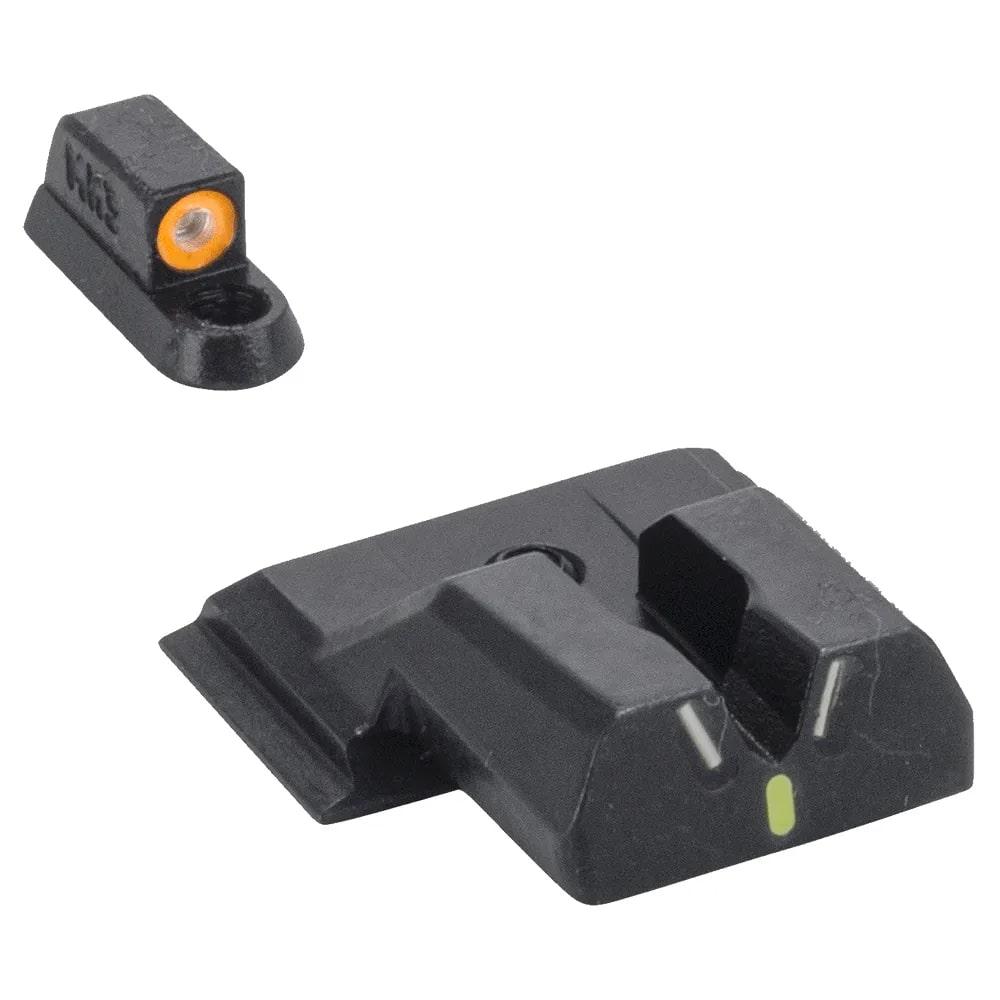
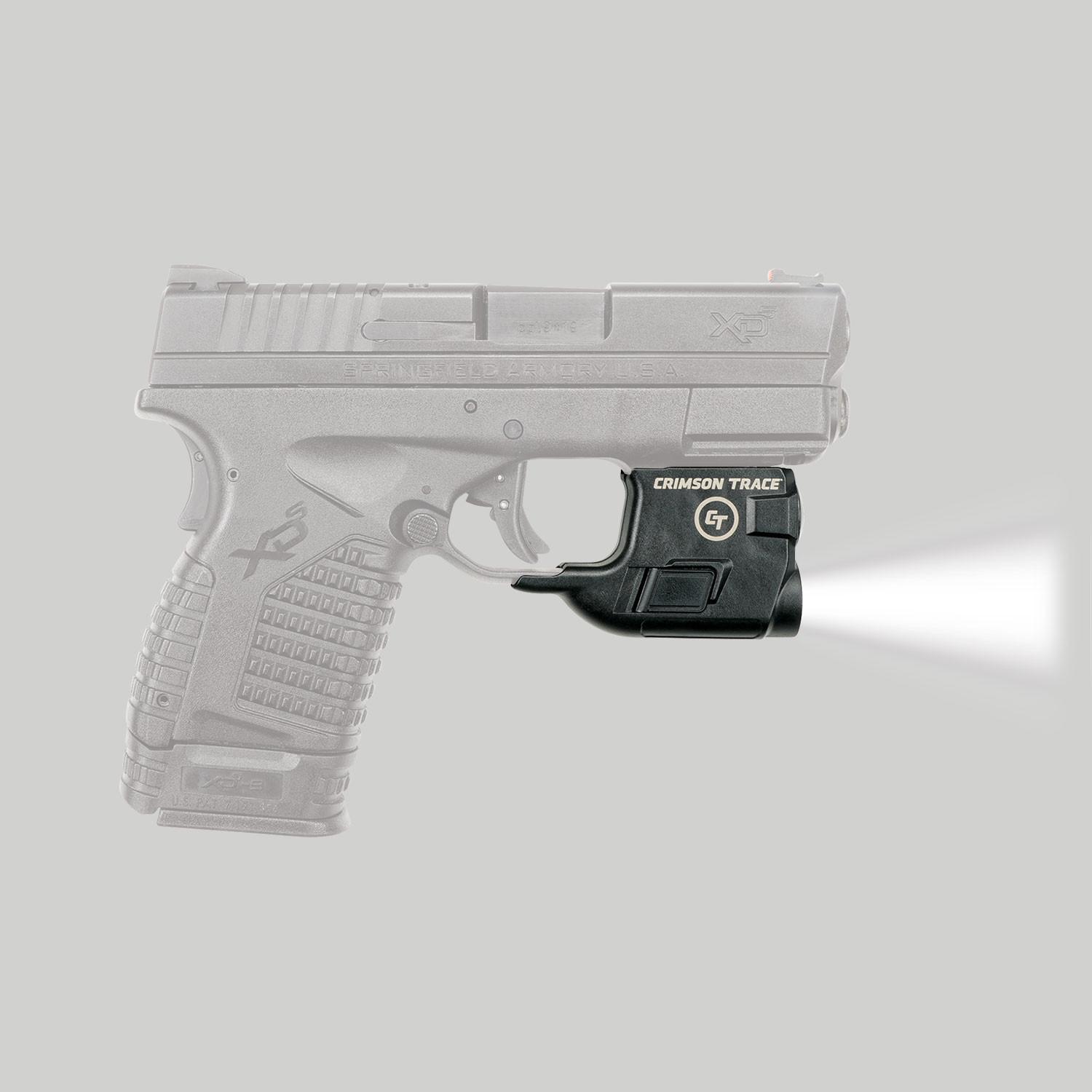
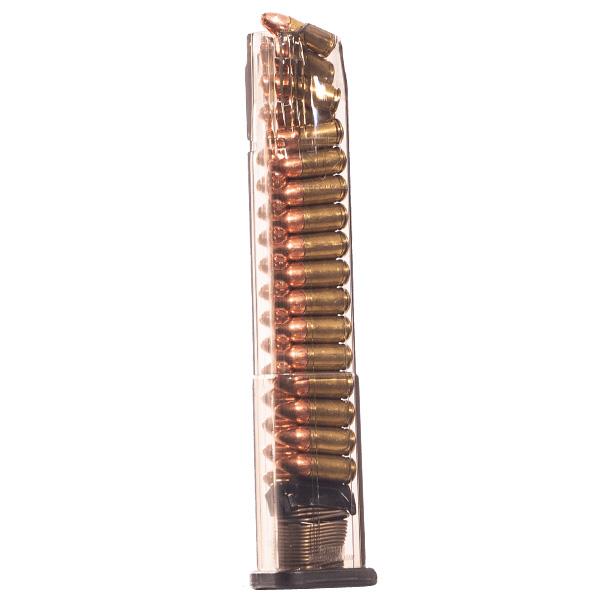
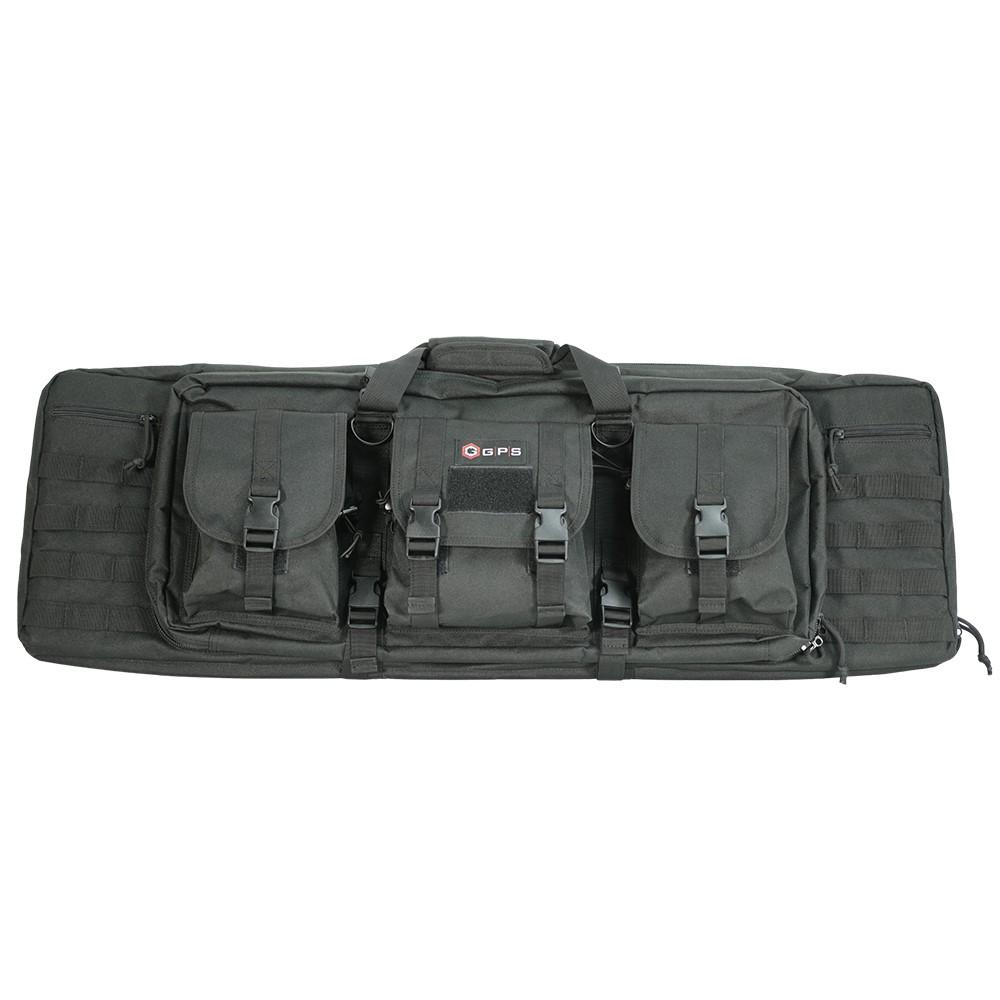
Every concealed carrier eventually runs into a building, a job site, or a posted door where the pistol has to come off. Rules vary by state and by property owner, and that side of the conversation gets plenty of attention. What gets far less attention is the equipment problem it creates. A pistol that comes off the body has to go somewhere secure, and the transition itself is the moment when negligent discharges, printing, and lost guns happen.
This is a gear and process problem with real answers. Here is how to build a disarm plan that holds up in a parking lot in July with kids in the back seat.
The transition is the risk, not the storage
Most people think about the safe. The hazard is the 20 seconds before it. You are drawing a loaded pistol inside a vehicle, in a seated position, with a seat belt across your torso and limited elbow room. Every design decision in your carry system should be judged by how it performs in that specific moment.
- Holster rigidity. A holster molded from 0.080 inch Kydex holds its mouth open after the draw. Soft nylon and thin leather collapse, and collapsed holsters are the primary mechanism behind reholstering injuries.
- Trigger guard coverage. The shell should fully enclose the trigger guard with no drawstrings, jacket hem, or shirt tail able to reach it.
- Attachment hardware. Belt clips sized for 1.5 inch belts do not sit correctly on a 1.75 inch gun belt. Match the clip to the belt you actually wear, and check the screws with a hex driver every few weeks. Loctite Blue on holster hardware is cheap insurance.
- One handed operation. If your storage solution needs both hands plus a light source, it will not get used consistently.
Vehicle storage that is actually secure
A console is not storage. Vehicle break-ins are the single largest source of stolen handguns in many jurisdictions, and thieves know where people stash guns. Judge a vehicle safe on four measurable points.
- Steel gauge. Compact boxes commonly run 16 gauge to 18 gauge body steel. Heavier 12 gauge to 14 gauge units resist prying far better but weigh more and cost more. Lower gauge number means thicker steel.
- Cable diameter and length. Look for a security cable of at least 3/8 inch vinyl coated aircraft cable, roughly 3 to 6 feet, long enough to loop a seat frame rather than a plastic seat rail.
- Interior dimensions. A single stack subcompact like a 3.1 inch barrel micro nine fits nearly anything. A 4.02 inch barrel duty compact with a mounted red dot and a weapon light needs roughly 9 to 10 inches of interior length and about 2 inches of interior height. Measure your loaded pistol with the optic and light attached, then add half an inch.
- Lock type. Simplex mechanical push button locks work in cold weather with gloves and never need power. Biometric readers are fast in good conditions and less reliable with wet, dirty, or cold hands. Keyed backup is a requirement either way.
If you carry a Glock 19 sized pistol at 4.02 inches of barrel, 15+1 capacity, and roughly 23.6 ounces empty, plan for a larger box than the marketing photos suggest. Add a Trijicon RMR footprint optic and a rail light and the envelope grows again. Browse vehicle gun safes and lockboxes with your measured pistol dimensions in hand rather than by model name alone.
Choosing a carry pistol with disarming in mind
If your routine includes daily off body transitions, that should influence gun selection. Compare the tradeoffs honestly:
- Micro nine, 3.1 inch barrel, roughly 17 to 20 ounces, 10+1 to 13+1. Easiest to conceal, easiest to fit in small storage, fastest to move. Shorter sight radius and more felt recoil in training blocks over 200 rounds.
- Slimline 3.41 inch barrel, 10+1, around 16 ounces empty. A good middle point for appendix carry and vehicle work. Aftermarket holster support is deep.
- Compact 4.02 inch barrel, 15+1, around 23 to 26 ounces loaded. Better shootability and capacity, but a bigger footprint in every safe, bag, and console.
- Revolver, 1.875 inch barrel, 5 rounds, roughly 15 ounces in aluminum frame. Simple manual of arms with no chambered round question during transitions. Capacity and reload speed are the cost.
For carriers running optics, verify footprint before buying storage or a holster. A Shield RMSc pattern optic sits lower and narrower than an RMR pattern, and holster cuts are not universal. Our carry red dot buyer’s guide covers footprint compatibility and mounting screw torque in detail.
A five point disarm checklist
- Park first. Never handle a firearm with the vehicle in motion.
- Muzzle discipline. Point at the floorboard or the door sill, never at the seat back or an occupied space.
- Holster comes off with the gun in it when possible. This is the single largest safety upgrade available. An outside the waistband holster with a paddle or a clip on inside the waistband rig lets you remove the whole unit without touching the trigger area.
- Lock, then verify. Pull on the lid before you walk away.
- Nothing visible. No range bag, no holster on the seat, no sticker on the glass advertising what is inside.
Maintenance and long term ownership
Guns that spend time in vehicles live in a punishing environment. Cabin temperatures can exceed 140 degrees in direct summer sun and drop below freezing overnight. That cycling drives condensation, which attacks carbon steel slides and unprotected internals.
- Wipe down and re-oil any vehicle stored pistol on a weekly basis, focusing on the slide rails, barrel hood, and the underside of the extractor.
- Rotate carry ammunition. Repeated chambering of the same round sets the bullet back in the case and raises pressure. Mark your chambered round and retire it after roughly three to five chamberings, or use a fresh round each time.
- Check optic screws. A 4-40 or 6-32 mounting screw backed out under vibration will shift zero. Witness marks in paint pen make a loose screw visible at a glance.
- Inspect the holster shell for cracks near the trigger guard detent and around the belt clip screw holes.
Training the transition
Dry practice this in your actual vehicle with a verified unloaded pistol and no live ammunition in the room. Run the sequence 10 to 15 times per session until it is automatic: seat belt off, park confirmed, holster removed as a unit, box open, unit stowed, box locked, cable checked. Then reverse it. Ten minutes a week beats an hour once a year. Our concealed carry readiness guide outlines a full dry practice structure you can build on.
What to sort out this week
Measure your loaded carry pistol with every accessory attached. Write down the length, height, and width. Then pick storage that clears those numbers with margin, a holster rigid enough to be removed as a single unit, and a mounting method that survives being pulled on. Start with retention holsters built for daily transitions and work outward from there. The gear only matters if the routine is repeatable when you are tired, late, and parked in the rain.
Frequently Asked malformed Questions
Was this useful?