
Brief
Springfield Model 2020 Waypoint SG-100 In 7mm PRC
A close look at the Model 2020 Waypoint SG-100 in .308, 7mm PRC and .300 Win Mag, including barrel lengths, the 0.75 MOA guarantee, brake tradeoffs and...
Shop this at BLVista
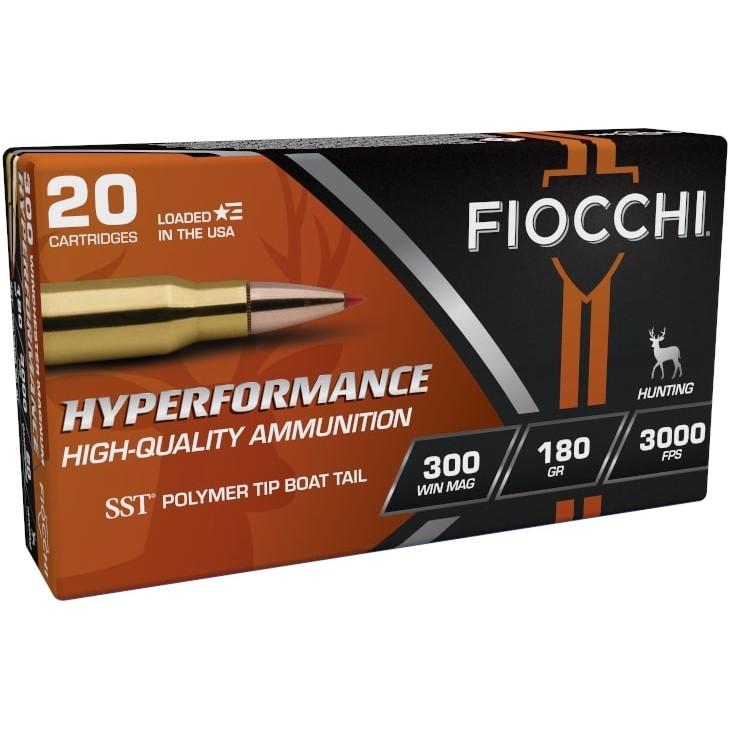 Fiocchi Hyperformance Hunt Rifle Ammunition .300 Win Mag 180 gr SST 3000 fps 20/ct
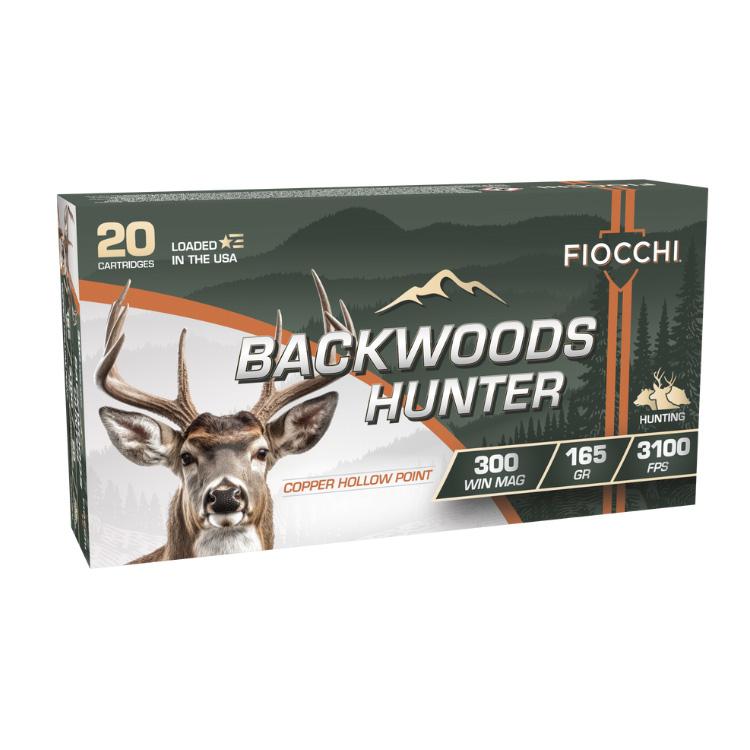 Fiocchi Backwoods Hunter Rifle Hunter .300 Win Mag 165gr CHP 3100 fps 20/ct
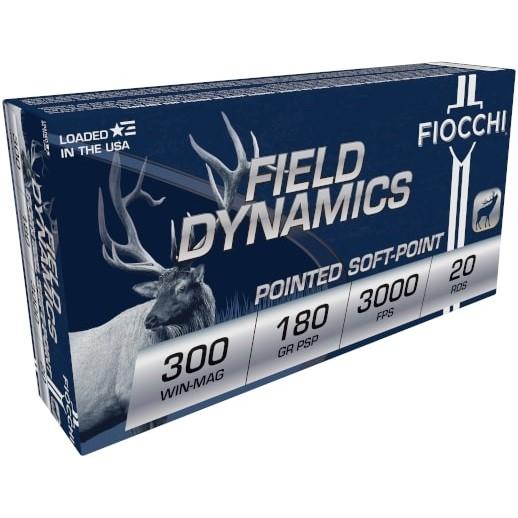 Fiocchi Field Dynamics Rifle Ammunition .300 Win Mag 180 gr PSP 3000 fps 20/ct
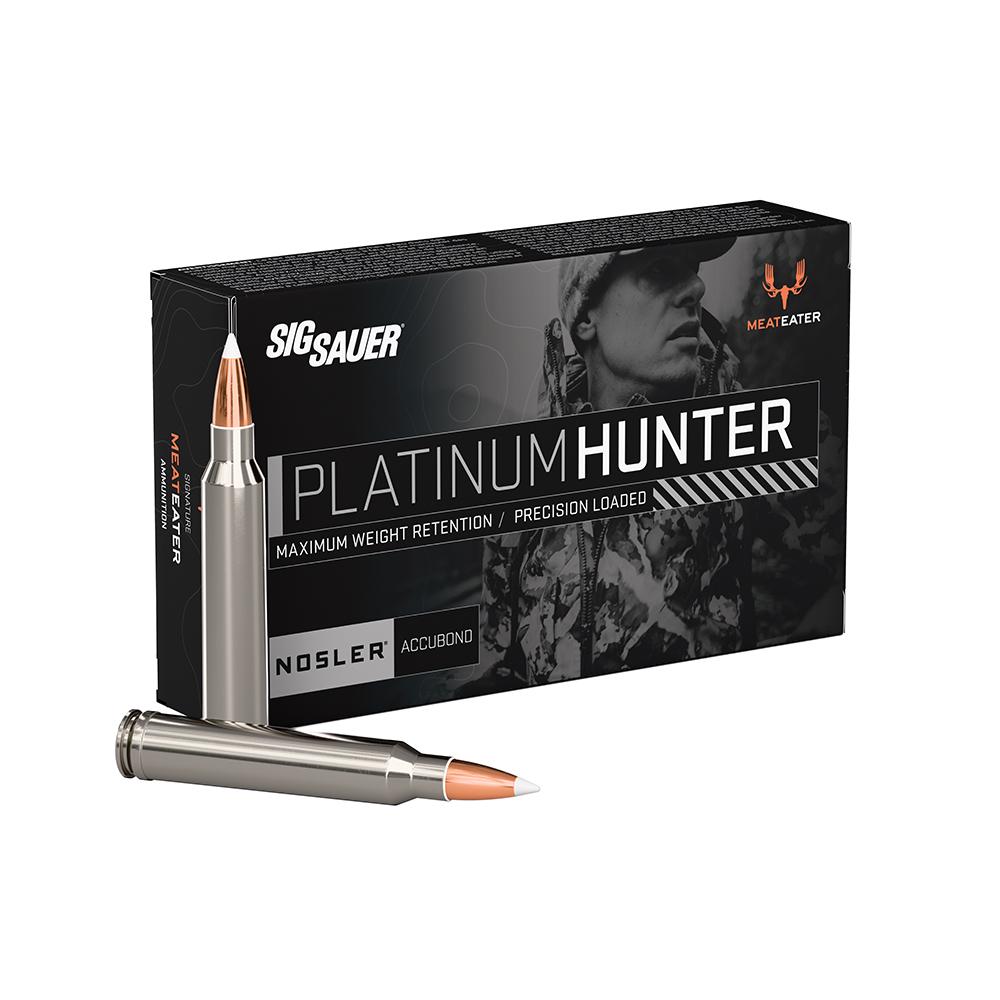 Sig Sauer Platinum Hunter Accubond Rifle Ammunition .300 Win Mag 180gr PT 3000 fps 20/ct
Springfield Armory has expanded the Model 2020 Waypoint family with three configurations built around a textured stock finish rather than a new action. All three use a bead blasted carbon fiber stock from AG Composites coated in Super Grip SG-100 Cerakote, a ceramic coating that leaves a rubberized surface instead of the slick paint finish common on lightweight hunting stocks. The metalwork wears black H-164 Cerakote. MSRP on each of the three is $1,995.
That combination matters more than a color change suggests. A carbon fiber stock is the single biggest weight saving in a modern hunting rifle, and it is also the surface most likely to slip in your palm when it is wet, when your gloves are frozen, or when you are pulling the rifle into a shoulder pocket over a pack. A textured coating addresses the one real drawback of the material without adding meaningful weight.
The three chamberings and what each one is actually for
- .308 Win., 20 inch barrel. The short action option and the lightest, handiest of the three. From a 20 inch tube a 168 grain match load runs in the neighborhood of 2,600 fps, and a 175 grain load a bit under that. Practical, cheap to feed, and the best pick for timber, tree stands, and anyone who shoots a lot of practice rounds.
- 7mm PRC, 24 inch barrel. The most ballistically efficient of the three. Factory 180 grain ELD-M loads are published at 2,975 fps, and high BC 7mm bullets hold velocity and buck wind better than .30 caliber projectiles at the same weight. This is the open country and long range hunting choice.
- .300 Win. Mag., 24 inch barrel. The heavy hitter, with 180 to 200 grain loads in the 2,850 to 2,960 fps range depending on bullet weight. More recoil, more barrel wear, and the widest factory ammunition availability of the three in remote areas.
If you already own a .308 or a 6.5, the 7mm PRC is the variant that adds capability you do not have. If you hunt elk in Alaska or Canada and want ammunition you can buy at a small town counter, .300 Win. Mag. still wins on logistics.
Barrel, brake, and muzzle considerations
All three barrels are fluted 416 stainless steel with a threaded muzzle and an SA Radial Brake included. Fluting removes mass and increases surface area for cooling, which helps on a hunting rifle where you fire two or three rounds and then carry it for hours. It does not turn a hunting contour into a match contour, so plan on letting the barrel cool between strings during zero confirmation.
The radial brake is worth understanding before you commit. A brake redirects gas to reduce muzzle rise and felt recoil, which is genuinely useful on the .300 Win. Mag., and it also pushes a significant amount of blast and noise sideways toward anyone standing near you. Hunting partners, spotters, and dogs feel it. Doubling up on hearing protection at the range is not optional with a braked magnum.
Because the muzzle is threaded, the same rifle accepts a suppressor. That is the better long term answer for recoil and noise if you are willing to work through the paperwork and wait. Confirm the thread pitch on your specific chambering against the manufacturer’s published spec sheet before you order a mount or muzzle device, and verify bore diameter compatibility with any can you already own. Our suppressor buyer’s guide walks through host compatibility, mounting systems, and what to check before you buy.
Action and bolt details that show up in the field
The action is machined from pre-hardened stainless steel with EDM cut raceways and an integral recoil lug. Pre-hardening before machining reduces the dimensional movement that heat treating can cause afterward, which is one of the reasons this platform holds its accuracy claim at a production price. The integral lug removes a stacked part and a possible source of bedding inconsistency.
The fluted bolt uses dual cocking cams and disassembles without tools. That last point is easy to overlook until you are in a wall tent with a bolt that took a fall into creek silt. Being able to strip and dry a bolt with nothing but your hands is a real maintenance advantage on a multi-day hunt.
Springfield’s accuracy guarantee on the Model 2020 line is 0.75 MOA for three shots with match grade ammunition. Read that literally. It is a three shot standard with quality ammunition, not a five shot group with bulk hunting loads. In practice a rifle that shoots three into 0.75 MOA will usually put five somewhere in the 1 to 1.25 MOA range, which is more than adequate for any ethical hunting distance.
A short checklist before you buy
- Weight with everything on it. Bare rifle weight is only part of the story. Add scope, rings, brake or suppressor, sling, and a loaded magazine, then decide whether you want to carry that at 9,000 feet.
- Optic and base fitment. Confirm base pattern and screw size, and budget for a quality mount. A $1,995 rifle with a $90 scope is a $90 rifle. Compare glass options in our rifle field optics guide.
- Ammunition supply. Price and stock check your intended load before you commit to the chambering. 7mm PRC availability has improved steadily, but .308 remains the easiest and cheapest to practice with.
- Barrel life versus round count. A magnum burns throat faster than a .308. If you shoot 500 rounds a year in practice, that difference compounds.
- Finish care. Cerakote handles abrasion and salt well, but the textured SG-100 surface traps grit. A nylon brush and clean water beats solvent for cleaning it.
Ownership, storage, and transport
Carbon fiber stocks are far less sensitive to humidity and temperature swings than wood, which is the main reason zero holds from a warm truck to a 15 degree morning. Even so, confirm zero after air travel or any hard case drop. Use a case with enough internal support that the scope turrets are not carrying load, and pull the rifle from the case to dry after wet hunts rather than storing it sealed. Wipe the bore, oil the bolt body lightly, and leave the action unlocked from the stock only if you are prepared to torque action screws back to spec.
Transport rules for cased rifles vary by state and by whether you cross a state line, so verify the law where you are going before you leave. Browse bolt action hunting rifles and accessories or start at the BLVista store to build out the mount, sling, and case side of the setup.
What to decide next
Pick the chambering by terrain and shot distance first, not by the finish. Choose the 20 inch .308 if most of your shots fall inside 400 yards and you value carry weight and cheap practice. Choose the 24 inch 7mm PRC if wind calls and longer shots define your season. Choose .300 Win. Mag. if you want maximum terminal energy on heavy game and the widest ammo availability. Then spend real money on the optic and mount, and confirm your zero with the exact load you will hunt.
Was this useful?