
Brief
BCA Bolt-Action AR Uppers (6mm ARC, 6.5 Creedmoor) Reviewed: What Works, What to Check, and Who They Fit
Field-focused review of BCA bolt-action AR uppers: real accuracy results, common feeding issues, gas collar maintenance, barrel swaps, and who these budget...
Shop this at BLVista
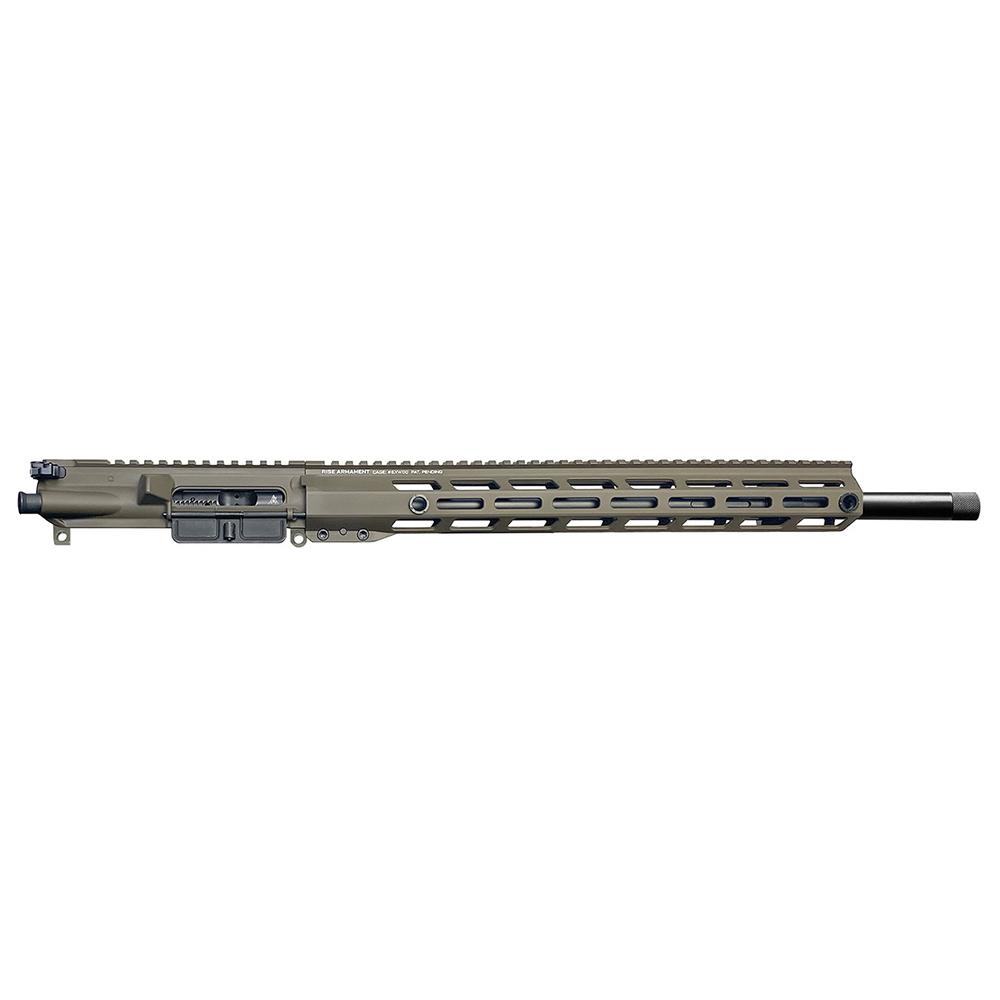
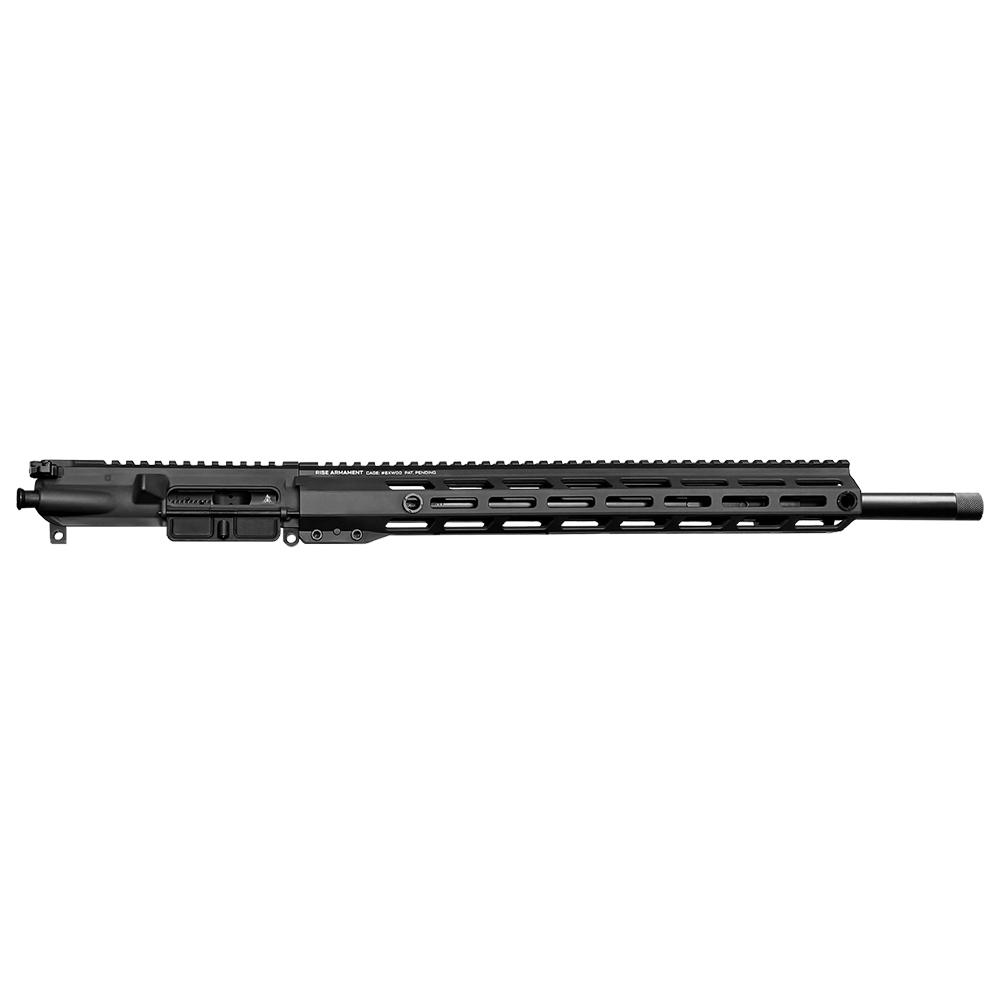
Bolt-action AR uppers sound like a contradiction until you spend time behind one. The idea is simple: keep the AR-15 or AR-10 lower you already trust, then swap to a manually operated upper for precision work, hunting compliance, or range time where you want control over feeding and ejection. Bear Creek Arsenal (BCA) pushed that concept into a price bracket that makes experimentation realistic, especially for shooters who already have optics, triggers, and support gear.
This review focuses on what matters to buyers who actually use their rifles: accuracy with real ammo, reliability across bullet shapes, parts compatibility, maintenance, and the ownership lifecycle problems that show up after the first range trip. These uppers can shoot impressively well for the money, and they can also demand more inspection and tuning than many shooters expect from a bolt gun.
What a bolt-action AR upper is and why it exists
A bolt-action upper replaces the standard gas-operated cycle with a manual bolt handle attached to a modified carrier assembly. You still use a standard AR lower, standard mags, and the AR ergonomics you already know. The payoff is usually one of three things:
- Compliance and hunting rules: In some jurisdictions and seasons, semi-auto rifles face restrictions. A manual-action upper can keep your familiar lower in play while meeting local requirements. Always verify state and unit-specific hunting regulations before assuming compliance.
- Caliber flexibility: BCA offers a long list of chamberings, including niche rounds that are hard to justify in a full rifle purchase.
- Training and precision: Manual operation slows the shot cadence and can reinforce fundamentals, especially when you are confirming dope, shooting from barricades, or working on recoil management.
Key specs and compatibility that actually affect ownership
BCA’s bolt-action AR-15 uppers are built around broad compatibility: standard AR-15 lowers, and the ability to use common AR-15 barrels and bolts. On the AR-10 side, the pattern is DPMS Gen 1 low-profile, which opens up a workable parts ecosystem, but AR-10 compatibility always requires more homework than AR-15.
Specs vary by configuration, but the practical points to track before buying are:
- Lower fit: AR-15 uses mil-spec lowers. AR-10 requires DPMS Gen 1 low-profile.
- Handguard clearance: Heavy-profile barrels can create M-LOK clearance conflicts on some handguards. If you run thick barrels and mount accessories near the chamber, verify the geometry before committing.
- Manual action format: BCA offers turn-bolt and straight-pull variants. Turn-bolt tends to feel more like a traditional lock-up cycle, while straight-pull can be faster but may be more sensitive to technique.
- Gas port blocking: These uppers use a collar system to block the barrel gas port. That detail matters for reliability and long-term barrel swapping.
Range performance: accuracy is the strong argument
For a budget upper, the headline is that both platforms can produce useful precision with the right load selection and reasonable heat management. Testing at 100 yards using multiple factory loads showed that the AR-15 upper in 6mm ARC was consistently around the 1 MOA neighborhood with standout performance on match-oriented Hornady loads. The AR-10 upper in 6.5 Creedmoor was more variable by ammunition, with its best results coming from 140-grain match loads.
From a buyer’s standpoint, two takeaways matter more than any single group size:
- Ammo sensitivity is real: These uppers may reward you for choosing bullet profiles they feed well. Plan on a short load evaluation phase rather than assuming your favorite hunting or match round will run.
- Heat discipline pays off: Treat it like a precision rig. Shoot measured strings, let the barrel cool, and track group shift. Budget barrels can still shoot, but they often demand consistency from the shooter.
Reliability: where the risk shows up
Manual-action rifles earn their reputation because they usually run when fed almost anything. A bolt-action AR upper has more moving pieces borrowed from a semi-auto ecosystem, and that can introduce failure points that do not exist on a traditional bolt gun.
Break-in friction and early extraction feel
One observed pattern with the 6mm ARC upper was rough cycling and repeated feed and extraction issues early on, followed by improved function after several dozen rounds. That points to surface finish, tolerance stacking, and lubrication sensitivity. With a bolt-action AR upper, you should treat initial lubrication and early-cycle feel as part of the purchase decision.
Feeding geometry and bullet profile conflicts
The bigger issue showed up on the 6.5 Creedmoor upper: certain longer bullets contacted the barrel area below the chamber during feeding, causing stoppages and visible bullet tip deformation. That is more than an annoyance. Deformed tips can change ballistic performance, and repeated nose impacts can create inconsistent chambering feel that distracts from precision shooting.
In practical terms, it means you need to evaluate:
- Feed ramp design on the barrel
- Magazine selection and feed angle
- Bullet ogive shape and overall length
A barrel swap to a quality match barrel with different feed ramp geometry improved both cycling feel and feeding reliability in follow-up testing. That is important because it frames these uppers as a modular system: you can buy in cheap, then fix the largest functional variable by selecting a better barrel.
The gas port collar: small part, big consequences
Blocking the gas port is central to making a standard AR barrel behave in a manual-action upper. BCA’s collar secured by set screws can work, but it becomes a maintenance checkpoint. If the screws loosen, you can lose consistency or introduce odd function symptoms.
BLVista buyer checklist before the first range trip:
- Remove the handguard if needed and confirm collar screw torque.
- Use appropriate thread locker if you are comfortable with the maintenance implications and heat exposure. For many shooters, a high-temp solution is preferable to standard blue thread locker, but follow manufacturer guidance.
- Recheck after the first 20 to 50 rounds, then at normal cleaning intervals.
Another real-world note: if you block a gas port by reversing a low-profile gas block or using a collar system, the port can accumulate copper fouling over time. That can matter later if you move the same barrel back to a semi-auto upper. Plan your barrel swaps as a one-way door unless you are willing to clean and restore the gas system.
Ergonomics and handling: familiar, with one important difference
The win with this concept is that your grip, trigger, stock, and optic setup can stay consistent. The difference is bolt manipulation. The handle location forward on the carrier can be awkward for smaller shooters or anyone trying to stay hard on the gun behind glass.
Think about the use case:
- Bench and prone: You can make it work with good body position, but you will likely break cheek weld more than with a traditional bolt rifle.
- Field positions and hunting: Cycling can be slower and less intuitive when you are wrapped around a sling, shooting off sticks, or working around brush.
- Cold weather: Gloves and stiff lubrication can magnify bolt lift effort. Choose lube that remains stable in your typical temperatures and keep the action clean.
Who these uppers fit, and who should skip them
Good fit:
- Shooters who already own an AR lower and want a low-cost path into distance shooting with cartridges like 6mm ARC or 6.5 Creedmoor.
- Hunters who need manual-action compliance but want to keep AR ergonomics, magazines, and optics.
- Tinker-friendly owners who are comfortable checking fasteners, testing magazines, and potentially swapping barrels.
Skip it:
- Anyone buying for duty or life-saving use. A budget bolt-action upper with known variability belongs in the sporting and training lane.
- Shooters who want a traditional bolt rifle experience with maximum feeding tolerance and minimal setup work.
- Buyers who cannot test ammo and magazines before relying on the setup for a hunt.
A practical decision framework before you buy
Use this quick framework to compare a BCA bolt-action upper to a dedicated bolt rifle or a higher-end upper:
- Purpose: Compliance, hunting, steel at distance, or experimentation. If precision competition is the goal, start with a dedicated bolt gun or a proven semi-auto precision build.
- Ammo plan: Identify two or three factory loads you can actually buy consistently. If your preferred bullet profile is long and high-BC, assume you may need a barrel or magazine solution.
- Support gear: Budget for a stable optic mount, bipod or front support, and a trigger you shoot well. Precision gets expensive in the accessories, even when the upper is cheap.
- Maintenance tolerance: If you will not inspect set screws, check torque, and keep a log of what works, pick simpler hardware.
- Exit strategy: One advantage here is modularity. If the action concept works for you, you can upgrade the barrel and keep the rest. If it does not, you can return to your semi-auto upper without replacing the lower.
Setup notes that reduce headaches
- Oil the action before first use and cycle it by hand to feel for rough spots.
- Confirm headspace if you change barrels or bolts. Treat it as mandatory, especially on AR-10 pattern builds.
- Follow magazine recommendations for your caliber. Many feeding complaints trace back to mag geometry rather than the upper itself.
- Track malfunctions by ammo type. If one load consistently hangs on the feed path or deforms tips, stop trying to force it into working.
- Inspect fasteners at the collar and handguard after the first session and periodically thereafter.
Bottom line
BCA bolt-action AR uppers deliver a surprising amount of practical accuracy for the price and take advantage of the massive AR aftermarket. The trade is that you may need to think like an owner, not just a shooter. Feeding geometry, bullet profile compatibility, and small fasteners matter more than they should on a manual-action rig. If you want an inexpensive path to a manually operated, AR-ergonomic precision setup and you are willing to validate ammo and inspect the system, these uppers can make sense. If you want bolt-gun simplicity with broad feeding tolerance, a traditional bolt rifle remains the safer buy.
FAQ
Sometimes. A manual-action upper can help in jurisdictions that restrict semi-automatic function, but laws vary by state and can depend on features, magazine rules, and classification. Confirm local firearms laws and hunting regulations before buying.
Yes for the AR-15 model. It is designed for a standard mil-spec AR-15 lower. The AR-10 version is typically DPMS Gen 1 low-profile and requires careful compatibility checks.
With match-friendly ammo and disciplined shooting, many setups can produce around 1 MOA performance, especially in 6mm ARC. Results vary by barrel, ammunition, and heat management.
Feeding issues commonly come from barrel feed ramp geometry, magazine feed angle, and bullet profile or overall length. Longer bullets can contact the barrel below the chamber, causing stoppages and tip deformation.
6mm ARC often runs best in 6.5 Grendel pattern magazines from reputable makers. 6.5 Creedmoor AR-10 setups typically use quality SR-25 pattern magazines like Magpul PMAGs. Follow the manufacturer’s recommendations and test with your ammo.
If the collar screws loosen during use, a heat-resistant thread retention approach can help, but it reduces ease of later service. Verify torque and recheck after the first range trip. Use manufacturer guidance or a qualified gunsmith.
Yes. Barrel swaps are a major advantage of the platform. Confirm headspace whenever you change barrels or bolts. A higher-quality barrel can improve feeding and cycling feel.
It can be, especially where manual-action compliance matters or you want AR ergonomics. Validate reliability with your hunting load, confirm magazine function, and practice cycling from field positions.
No. Variable quality control and ammo sensitivity increase risk. Defensive firearms should prioritize proven reliability and consistent function across ammunition.
Was this useful?