
Brief
OTF Automatic Knives That Earn Pocket Space
Choose an OTF automatic knife by steel, blade length, lockup, and maintenance. MagnaCut, S35VN, and D2 compared with real carry and durability tradeoffs.
Shop this at BLVista
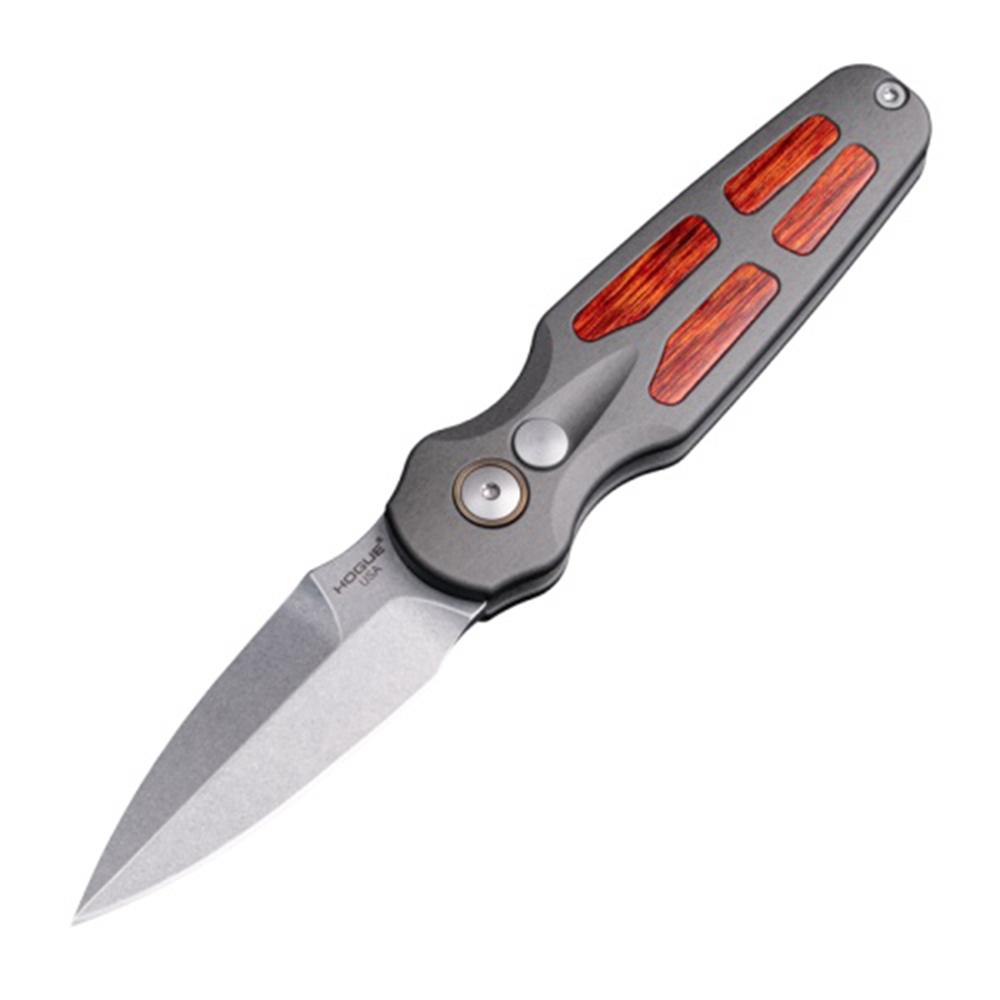 Hogue Ballista II Automatic Folder Knife 2-3/5 Spear Point Blade Grey with Cocobolo Inserts
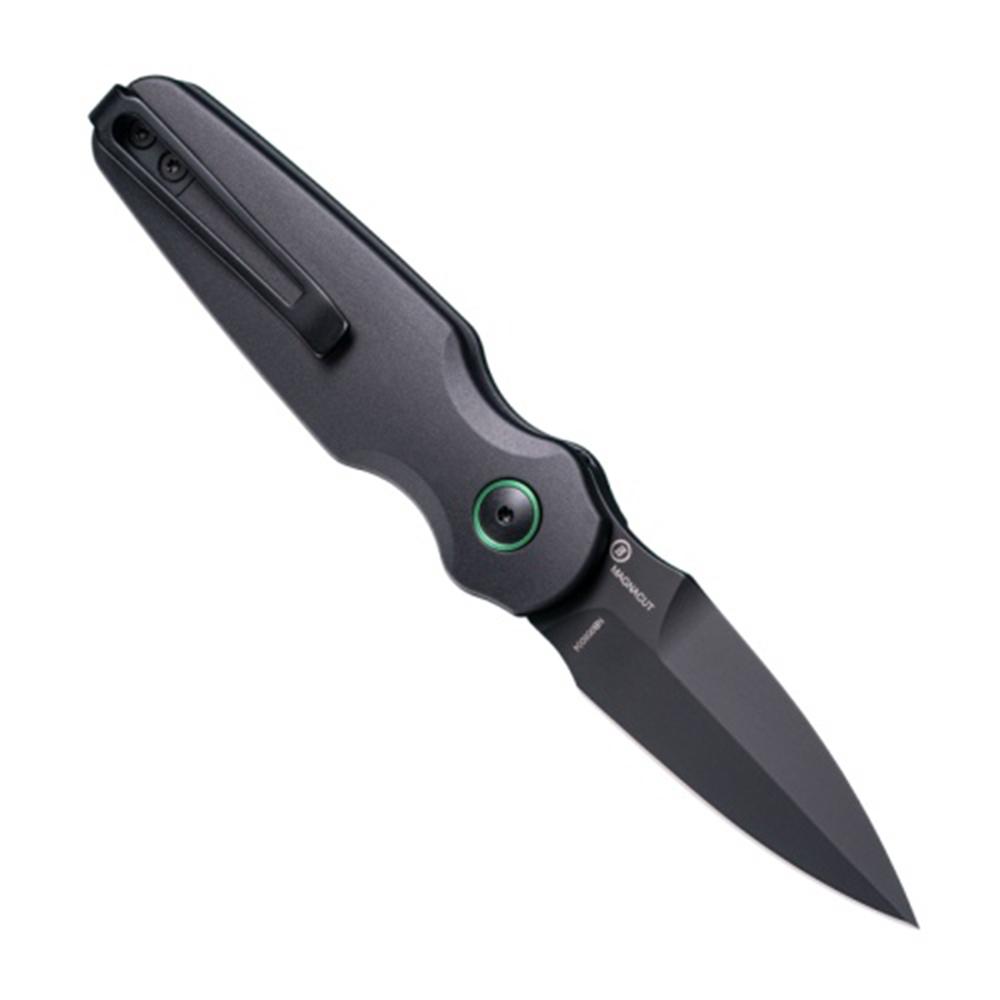 Hogue Ballista II Automatic Folder Knife 2-3/5 Spear Point Blade Solid Black
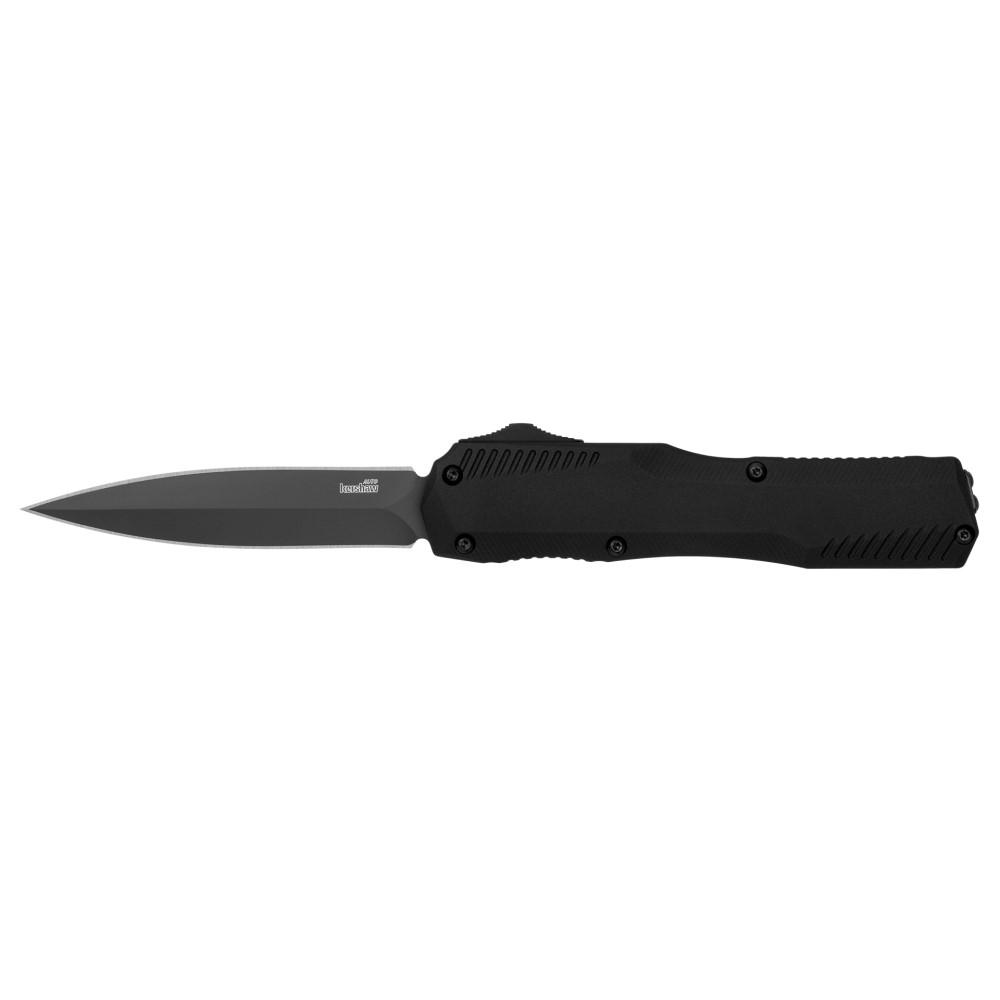 Kershaw Livewire Double Edge Automatic OTF Knife 3-1/2" Spear Point Blade Black
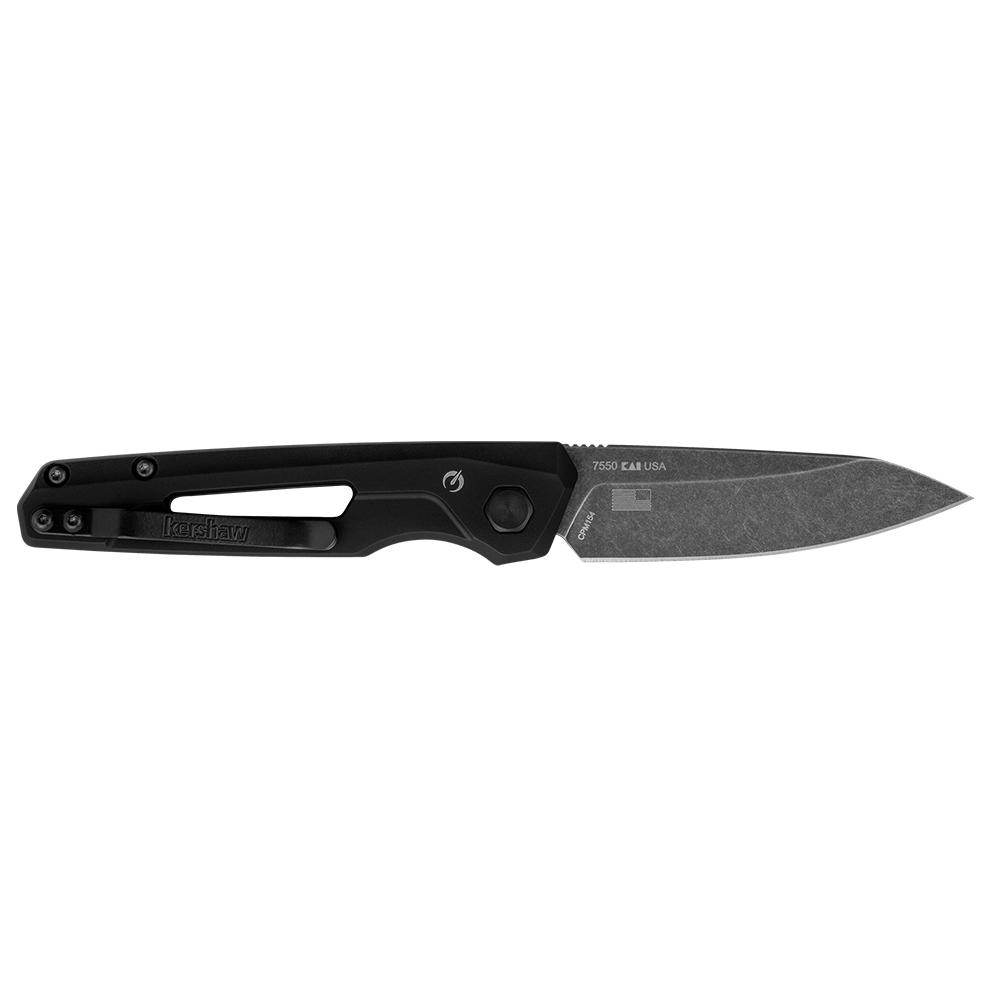 Kershaw Launch 11 Automatic Knife 2-3/4" Drop Point Blade Black
Out the front automatic knives carry more baggage than any other blade category. Decades of gas station junk built a reputation for rattling handles, mushy buttons, and blades that stopped firing after a month in a pocket. The current crop is a different animal. Modern powder metallurgy steels, tighter machining tolerances, and better spring and carrier design have moved OTFs from novelty to legitimate everyday carry tools, provided you know which specifications actually predict field performance.
One legal note and then we move on to the hardware: automatic knife carry rules vary sharply by state and city, and blade length limits plus double edge restrictions are the two provisions that catch buyers off guard. Confirm your local statutes before you buy.
Why Steel Choice Drives Ownership Cost
Steel is the single largest predictor of how a knife feels six months in. Four alloys cover almost the entire OTF market.
- D2: roughly 1.5 percent carbon and 11 to 12 percent chromium, typically hardened to 59 to 61 HRC. It takes a fine edge and holds it well for the money. It is semi stainless, meaning it will spot with rust if you leave it wet after cutting fruit, gutting fish, or carrying through humid coastal air. Budget a light oil wipe weekly.
- S35VN: usually 58 to 61 HRC, with niobium added to improve toughness and sharpenability compared to the older S30V. It resists corrosion well and hones back to sharp on a ceramic rod in under a minute. A strong all around choice.
- CPM MagnaCut: released commercially in 2021, generally run at 60 to 63 HRC with about 10.7 percent chromium and almost no chromium tied up in carbides. That combination delivers stainless behavior with toughness closer to a carbon tool steel. It is the current benchmark for a hard use folding or OTF blade.
- Stainless Damascus: pattern welded, visually striking, and usually built on stainless cores. Edge holding depends entirely on the core steel and heat treat, so treat the pattern as aesthetics rather than performance data.
If you cut cardboard, strap, and packaging tape daily, MagnaCut reduces sharpening sessions more than any handle upgrade will. If you sharpen freehand and want a cheaper entry point, D2 remains a rational pick as long as you accept the maintenance schedule.
Blade Length Is a Carry Decision, Not a Capability Contest
Most full size production OTFs land between 3.3 and 3.5 inches of blade with overall lengths in the 8.4 to 9 inch range and weights around 3 to 4 ounces. That is the sweet spot for general utility. A 4.5 inch American tanto in D2 gives you real reach for rope, hide, and heavy strap work, and it also gives you a handle long enough to be noticeable in dress slacks and long enough to trip length limits in restrictive jurisdictions.
The underrated end of the range is the compact class. A 2.5 inch blade shortens overall length by roughly 2 inches compared to a full size model, and the shorter blade needs a lighter spring. That means a lower actuation force at the button, which matters more than most buyers expect. Smaller hands, gloved hands, and cold hands all deploy a light spring OTF more reliably. If you are buying a knife your spouse will actually carry, look hard at the compact models before defaulting to a 3.5 inch flagship.
Six Checks Before You Buy
- Blade play: extend the blade and try to move it side to side and up and down. The best production OTFs feel close to a fixed blade. Some very expensive models rattle audibly. Rattle is not a failure, but you should not pay a premium for it.
- Button throw and texture: a short, crisp throw with a defined break gives you positive feedback. A loose button that wiggles under the thumb costs you confidence in one handed use.
- Clip configuration: reversible clips serve left handed carry and appendix positions. Right side only clips are common and are worth checking before purchase, since aftermarket options for OTFs are thin.
- Retention features: lanyard holes are missing on a surprising number of OTFs. If you work over water, from height, or on a boat, that omission matters.
- Fastener standard: common T6 and T8 Torx hardware means you can strip, clean, and re oil the chassis yourself. Proprietary or peened hardware pushes you toward factory service.
- Edge geometry versus legality: double edge dagger grinds penetrate well and are restricted in multiple jurisdictions. Single edge clip point, hawkbill, and tanto grinds travel with fewer complications.
Field Reality and Maintenance
An OTF is a spring loaded carrier riding in a channel, and that channel collects lint, sawdust, dust from a range bay, and blood and hair from field dressing. First failures on a new OTF are usually short stroking or failure to lock at the very end of travel, and the fix is almost always cleaning rather than warranty service. Flush the channel with a solvent, blow it dry, and apply a single drop of light oil at the carrier rails. Twenty seconds of maintenance every few weeks keeps deployment consistent.
Expect a small failure rate even on good examples. A knife that fails to fully close roughly once in one hundred cycles is annoying on an EDC tool and disqualifying on a duty knife. Cycle any new OTF fifty times before you trust it, and repeat that test after the first deep clean.
Transport is the other overlooked item. Automatics ride poorly loose in a range bag where they can be actuated by pressure against other gear. Keep them clipped to a pocket or stored blade retracted in a dedicated slip. For air travel, all knives go in checked baggage, and knowing the rules of your destination matters as much as the rules at home.
Price Bands and What You Get
Production OTFs generally sort into three bands. Around the low 200s you get aluminum handles, D2 or similar steel, and a solid single edge working knife. In the 250 to 300 range you move into S35VN or MagnaCut, better button feel, deep carry clips, and reversible hardware. Above 350 you are paying for premium steel, tighter tolerances, US manufacturing, limited run finishes, and brand track record. Spending more does not guarantee better ergonomics, and several mid band knives feel better in hand than flagship models that cost 60 percent more.
If you are building out a carry kit around the knife, our concealed carry readiness guide covers how belt, holster, light, and blade placement interact. You can also browse current OTF automatic knives and EDC pocket knives at the BLVista store.
What to Decide Next
Pick your steel first based on how often you are willing to sharpen, then pick blade length based on where you legally and comfortably carry, then judge the individual knife on button throw and blade play. In that order, the decision stops being about brand loyalty and starts being about the work you actually do with the blade.
FAQ
Modern production OTFs from established makers are reliable when kept clean. The dominant failure is debris in the blade channel causing short stroking, not spring breakage. Cycle a new knife at least fifty times, clean the channel every few weeks, and use a single drop of light oil on the carrier rails.
CPM MagnaCut at 60 to 63 HRC offers the best combination of edge retention, toughness, and corrosion resistance currently available in production OTFs. S35VN at 58 to 61 HRC is a close second and is easier to sharpen. D2 at 59 to 61 HRC delivers strong value but is only semi stainless and needs oiling in humid or wet conditions.
Full size models run 3.3 to 3.5 inches and handle general utility work well. Compact 2.5 inch models trim about 2 inches of overall length and use lighter springs, which makes the button easier to actuate for smaller or gloved hands. Longer 4.5 inch tanto blades add reach and also add carry bulk and legal exposure.
Double edge dagger grinds pierce efficiently and look the part, but they are restricted in a number of states and cities and give you no advantage for utility cutting. A single edge clip point, tanto, or hawkbill is the more versatile choice for most owners.
Roughly 200 to 250 buys a competent aluminum handled D2 working knife. The 250 to 300 band adds premium steel and better ergonomics. Above 350 you are paying for tighter tolerances, US manufacturing, and brand pedigree. Handle feel does not scale linearly with price, so evaluate button throw and blade play rather than assuming the most expensive option is the best fit.
Automatic knife laws differ by state and often by municipality, with blade length caps and double edge restrictions being the most common limits. Verify your state statute and any local ordinance before you carry, and check destination rules before traveling with one.
Was this useful?