
Brief
Springfield Kuna Tri-Lug 9mm and the Three-Lug Advantage
Springfield's roller-delayed Kuna adds Tri-Lug models. Barrel length, subsonic ammo choices, mount tradeoffs, and maintenance for suppressed 9mm owners.
Shop this at BLVista
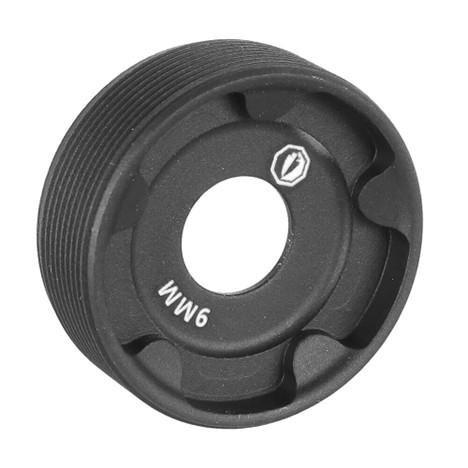
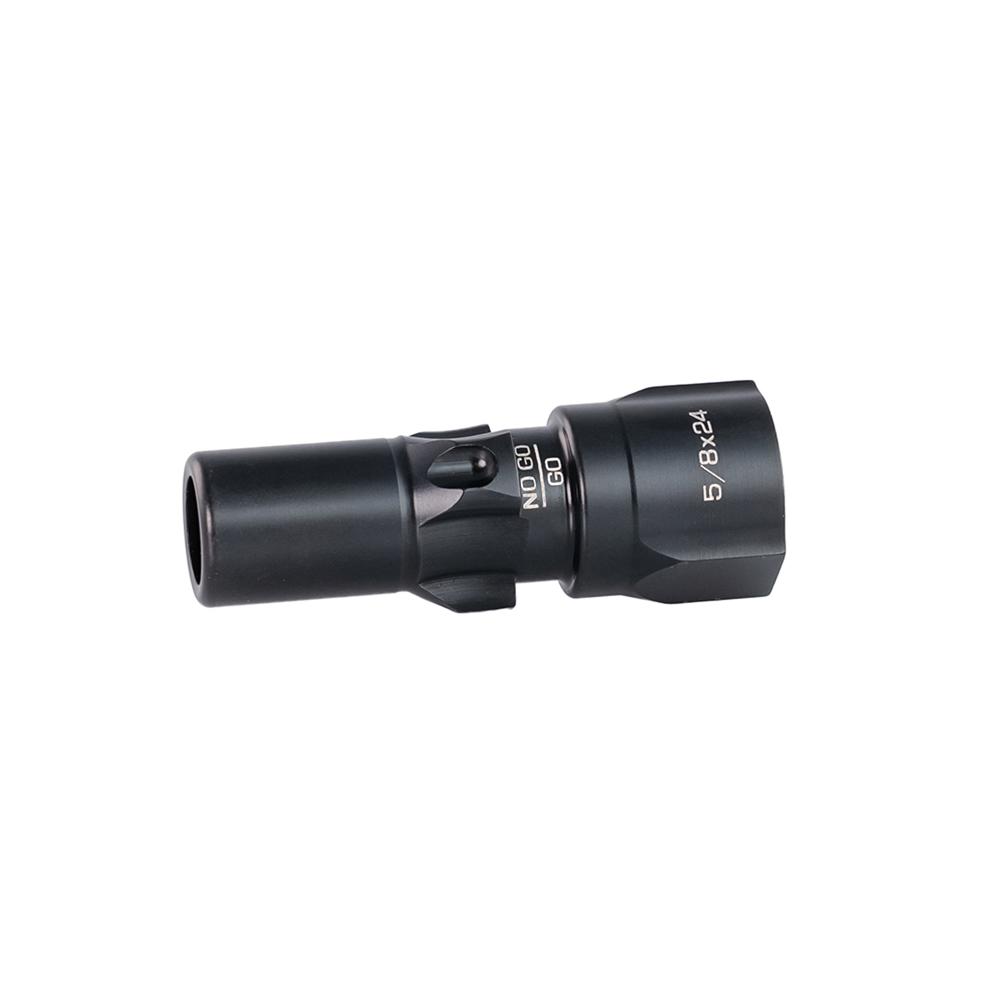
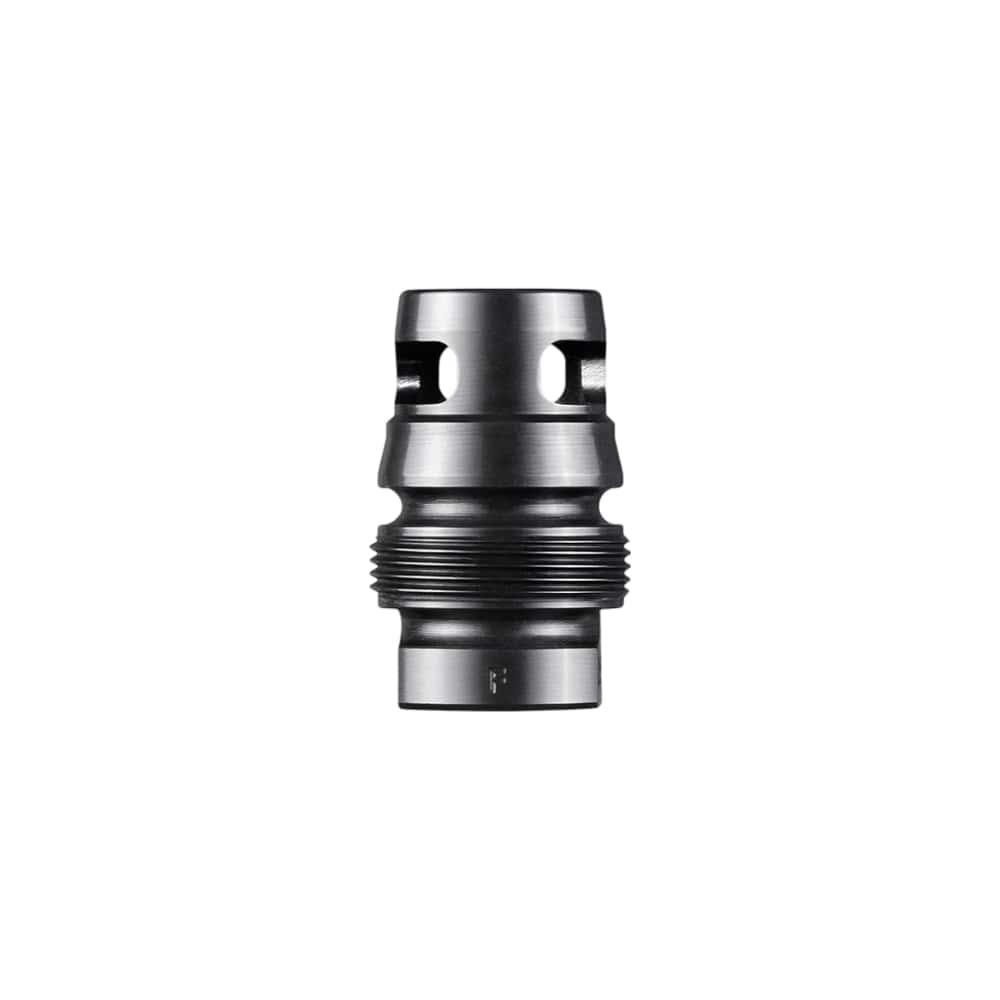
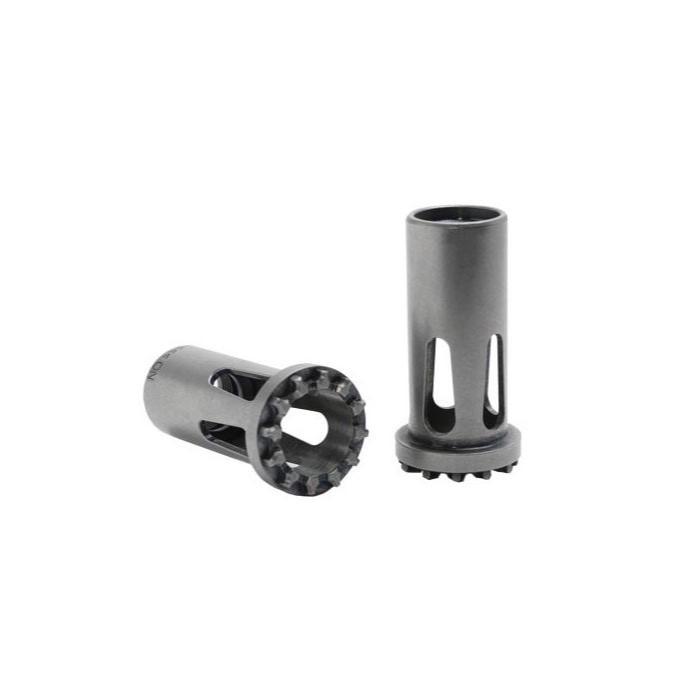
Springfield Armory has widened its roller-delayed Kuna 9mm line with four Tri-Lug variants. On paper it reads like a small change to the muzzle. In practice it changes how the gun gets used, how fast a can comes on and off, and how much thought a buyer has to put into mounting hardware before the first range trip.
What the Kuna platform brings to the table
The Kuna is a 9mm pistol built around a roller-delayed blowback action rather than the straight blowback used in most pistol-caliber carbines. That distinction matters more than the marketing copy suggests. Straight blowback guns run heavy reciprocating mass and dump a noticeable amount of gas back toward the shooter, which gets worse the moment a suppressor is added. A delayed system slows bolt unlocking mechanically, which lowers bolt velocity, softens the impulse, and keeps more of the combustion pressure in front of the shooter’s face.
Core configuration on the standard Kuna is a 6 inch barrel chambered in 9mm Luger, feeding from 30 round proprietary magazines, with an M-LOK handguard and a full-length top rail for optics and backup irons. That 6 inch tube is the number to keep in mind, because it drives everything downstream: velocity, suppressed sound signature, and how much length a can adds to an already compact package.
Why a three-lug muzzle is worth paying for
The HK-pattern three-lug interface has been in service for decades on submachine guns for one reason. It indexes fast. A quarter turn seats the suppressor against the lugs and it locks. There is no counting threads, no cross-threading a hot muzzle, and no wondering whether the can loosened after a 200 round string.
Compare the three common mounting approaches for a 9mm host:
- Direct thread, 1/2×28: lightest and shortest option, lowest cost, best repeatable point of impact. Slowest to install and remove, and prone to loosening under sustained fire if not checked.
- Three-lug quick attach: on and off in about a second, very hard to install incorrectly, tolerant of hot barrels and gloved hands. Adds a small amount of length and weight at the mount, and typically shifts point of impact slightly compared to direct thread.
- Piston and booster systems: necessary on tilting-barrel handguns, unnecessary on a fixed barrel host. If you move a handgun can to a fixed-barrel gun like the Kuna, swap the piston for a fixed spacer or fixed barrel adapter so the assembly is not reciprocating during fire.
That last point is the one new suppressor owners miss most often. Running a spring-loaded Nielsen device on a fixed-barrel 9mm gains nothing and introduces a wear item and a source of inconsistent impacts.
Ammunition choices and what the 6 inch barrel does to them
Subsonic performance is where a suppressed 9mm earns its keep. The transonic threshold sits near 1,125 feet per second at sea level, and it drops as temperature drops, which is why a load that runs quietly on an 85 degree August afternoon can crack on a 20 degree January morning.
- 147 grain subsonic: the default choice for suppressed use. Stays comfortably under the sound barrier from a 6 inch barrel with margin for cold weather.
- 124 grain standard pressure: usually supersonic from a 6 inch barrel, so you keep the crack. Cheaper for volume training, and it cycles reliably.
- 115 grain full power: fastest and loudest of the three. Fine for practice, poor for a suppressed evaluation.
- 158 to 165 grain heavy subsonic: quietest of the group, but verify function. Heavy, slow loads are where a delayed action’s reduced bolt velocity can start to matter.
A well-built 9mm can typically pulls sound down into the 125 to 135 decibel range at the shooter’s ear with subsonic ammunition, which is why suppressed pistol-caliber shooting is one of the few centerfire experiences that is genuinely comfortable in a confined bay. Do not expect that with supersonic loads. The ballistic crack is generated downrange and no suppressor addresses it.
Selection checklist before you commit
- Confirm your can’s mount path. Does it accept a three-lug adapter, and does that adapter exist for your specific rear cap threading?
- Weigh the whole system. A compact 9mm can runs roughly 6 to 12 ounces. On a gun in the 5 pound class, hanging weight forward changes handling more than it would on a rifle.
- Measure total length. Add the can length to the 6 inch barrel and see whether the package still fits your bag, safe, or vehicle mount.
- Check bore alignment. Three-lug mounts should be tested for baffle strike clearance with an alignment rod before live fire, every time you change hosts.
- Verify optic footprint. The full-length rail accepts most micro red dots on the common footprints, but plan mount height around your cheek weld and any brace or stock geometry you intend to run.
If you are still building out a suppressed 9mm setup, our suppressor buyer’s guide walks through mount types, materials, and service intervals in detail, and you can browse current 9mm suppressors and mounting hardware to see what fits your host.
Ownership lifecycle, maintenance, and storage
Roller-delayed guns are not maintenance free. The rollers and locking piece are wear surfaces, and they want a light film of quality lubricant rather than a flood of oil that will collect carbon. Inspect the roller surfaces and the locking piece angles at cleaning intervals and watch for peening. A gun that starts short-stroking on subsonic ammunition after several thousand rounds is usually telling you about spring fatigue or fouling, not a design flaw.
Suppressed 9mm shooting is dirty. Lead and carbon accumulate in the muzzle device threads and in the lug recesses, and a fouled three-lug interface will feel loose long before it fails. A nylon brush and solvent on the lugs at every cleaning keeps the interface indexing correctly. Sealed suppressors on pistol-caliber duty benefit from periodic disassembly if the design allows it, since lead buildup adds ounces and shifts balance over time.
For storage and transport, treat the suppressed configuration as a two-piece system. A hard case cut for the host with the can stored separately protects both, and it keeps the mount threads from bearing the weight of the can during transit. Owners should also keep transfer documentation accessible when traveling, since suppressor legality still varies by state.
Rounding out the setup
A three-lug Kuna is a strong foundation, but the accessories decide whether it becomes a gun you actually train with. Priorities in order: a red dot with a proven return to zero, a sling that supports one-handed manipulation, spare magazines in sets of at least three, and hearing protection that still gets used even when suppressed. Our range and match loadout guide covers how to sequence those purchases without buying twice, and the BLVista store carries the supporting gear.
What to decide next
Answer two questions before you buy. First, do you already own a 9mm suppressor, and can it accept a three-lug adapter without a costly rear cap change? If yes, a factory Tri-Lug host removes a purchase and a fitting headache. Second, is your primary use case high-volume training with frequent can removal, or a single dedicated setup that stays assembled? Frequent swaps favor three-lug. A permanent build favors direct thread for the shortest, lightest, most repeatable result.
FAQ
Usually a small amount, and it is repeatable once confirmed. Zero with the suppressor attached in the configuration you intend to shoot, then record the offset for unsuppressed fire.
Yes, if the can is rated for the host and you replace the spring-loaded piston with a fixed spacer or a three-lug adapter. Fixed-barrel firearms do not need a recoil booster.
147 grain subsonic is the standard choice. It stays under the roughly 1,125 feet per second sound barrier with margin for cold weather, while 115 and 124 grain loads generally go supersonic from a 6 inch barrel.
A quality 9mm suppressor with subsonic ammunition typically lands in the 125 to 135 decibel range at the shooter's ear. Supersonic ammunition retains the downrange ballistic crack regardless of suppressor performance.
Yes. A 6 inch barrel produces higher velocity than the 3.5 to 4 inch barrels most defensive handgun data is built around, which helps hollow points reach expansion thresholds.
Buying the suppressor before confirming the mount path for every host they own. Choose the mounting standard first, then select a suppressor that supports it.
Was this useful?