
Brief
Uzi, MP5, PS90, and Stribog Compared by the Numbers
Barrel length, weight, capacity, cartridge cost, and suppressor fitment compared across the Uzi, MP5 clones, FN PS90, and Grand Power Stribog.
Shop this at BLVista
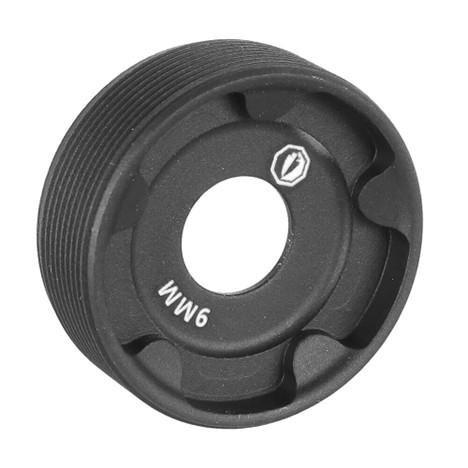
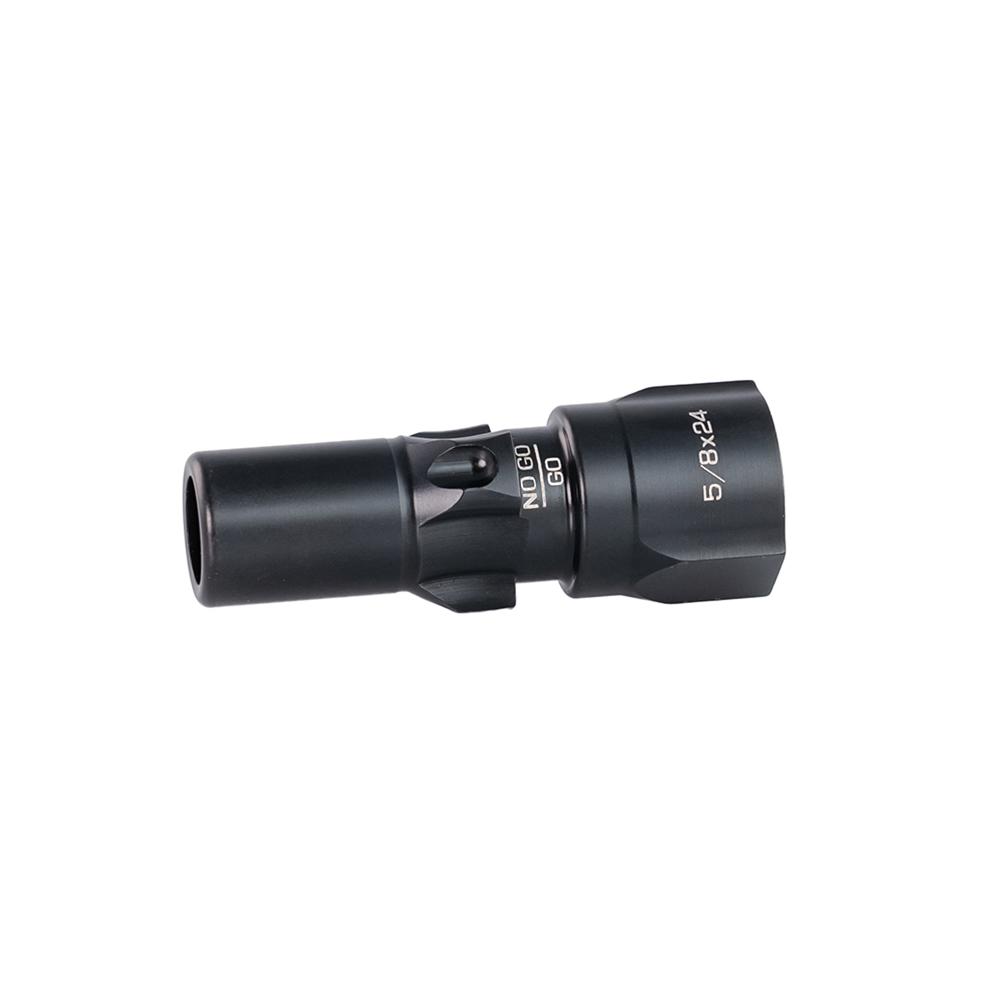
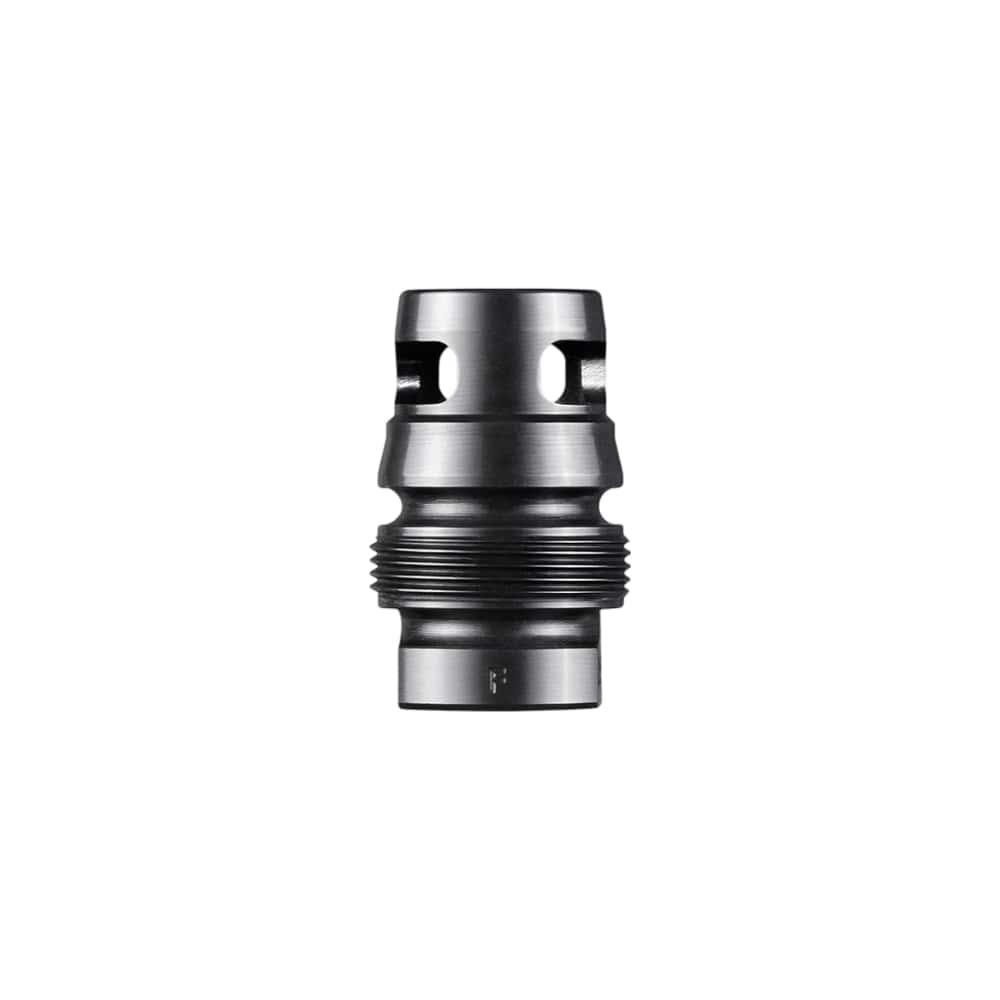
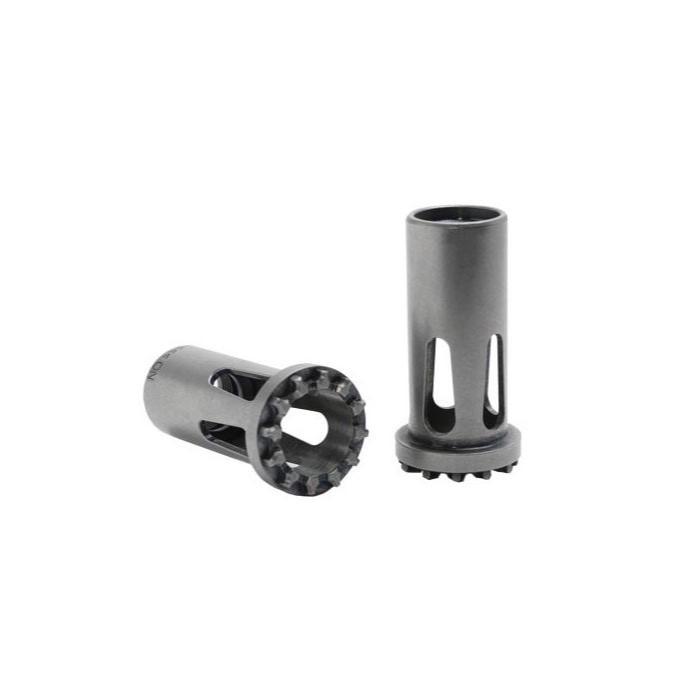
The compact fighting firearm has been reinvented roughly every twenty years, and the four platforms most shooters actually encounter today came from four different design eras with four different sets of priorities. The Uzi, the MP5 family and its semiautomatic clones, the FN PS90, and the Grand Power Stribog are not iterations of one idea. They are separate answers to the question of how much firepower you can fit into a package under 27 inches long.
For a buyer, the interesting part is not the history. It is the fact that these platforms behave very differently on a range, in a truck, in a safe, and across a decade of ownership. Below is how they compare where it matters, with the figures that drive the decision.
Uzi: heavy, simple, and mechanically forgiving
The original 9x19mm Uzi ran a 10.2 inch (260 mm) barrel, an open-bolt telescoping design that wraps the bolt around the barrel, and a magazine well inside the pistol grip. Empty weight sat around 7.7 pounds, which is heavy by any modern standard and is exactly why it shoots flat. Magazines came in 20, 25, and 32 round capacities. US-market semiautomatic carbine versions moved to a 16 inch barrel to stay out of short-barrel rifle territory.
That mass is the whole story. A 7 to 8 pound gun firing a 115 to 147 grain 9mm bullet at 1,100 to 1,250 fps has very little to say in terms of recoil. Sight tracking is easy, and new shooters hit with it. The costs are equally clear: it carries like a brick on a sling, the stamped receiver sights are crude, and the accessory ecosystem is thin. Optic mounting usually means a receiver cover replacement, and every cover you add is another interface that can shift zero if it is not torqued and checked.
Ownership notes: parts are still around, the design tolerates neglect better than most, and a .22 LR conversion makes practice cheap. Do not build a modern duty concept on it. Treat it as a durable range gun that will still function after a wet hunting camp weekend and a lazy cleaning.
MP5 pattern: the roller-delayed benchmark
The MP5 uses a roller-delayed blowback system firing from a closed bolt with an 8.9 inch (225 mm) barrel, a 30 round magazine, and an empty weight around 5.6 pounds. Cyclic rate on the select-fire versions runs near 800 rounds per minute. Closed bolt operation is why it shoots to point of aim on the first round instead of shifting under the mass of a bolt slamming forward.
Semiautomatic clones and analogs are the realistic path. Pistol-configuration 5K style guns are commonly built around a 5.8 inch barrel and land in the $1,200 to $1,500 band, while full-size 8.9 inch clones and 16 inch carbines sit higher. Two fitment details matter more than anything else on this platform:
- Muzzle interface. Most current clones ship with a tri-lug collar plus 1/2×28 threads, which covers nearly every modern 9mm suppressor mount. Verify before you buy a can.
- Optic mounting. There is no native flat top. You are choosing between a claw mount, a welded or clamped rail, or a replacement top cover. Claw mounts return to zero well. Cheap clamp rails do not.
The integrally suppressed SD variant is worth understanding as an engineering lesson. Ports in the barrel bleed gas into an expansion chamber so that standard supersonic 115 grain ball drops below the roughly 1,125 fps sound barrier. You get subsonic performance without buying subsonic ammunition, and you pay for it in terminal energy. A 115 grain bullet arriving in the 950 to 1,050 fps range performs closer to a .380 than a service 9mm. For defensive use, purpose-built 147 grain subsonic loads through a conventional can are the better trade.
FN PS90: the 5.7×28 bullpup that changed the layout
The military P90 uses a 10.4 inch (263 mm) barrel, a 50 round top-mounted magazine that feeds rounds through a 90 degree rotation, downward case ejection, and an empty weight near 5.7 pounds. The civilian PS90 stretches the barrel to 16.04 inches, holds overall length around 26.2 inches, and weighs roughly 6.4 pounds. Nothing else on this list gives you 50 rounds with no magazine hanging below the receiver, which is the reason it still makes sense for anyone working around vehicle interiors, tree stands, or tight structures.
The cartridge is the real decision. 5.7x28mm sends 27 to 40 grain projectiles at velocities well above pistol 9mm, and the 16 inch PS90 barrel adds a meaningful bump over the 4.8 inch handgun barrels most 5.7 data is quoted from. Recoil impulse is closer to a .22 Magnum than a 9mm carbine, so follow-up shots are fast and the gun is easy to run one-handed if needed. Ammunition cost is the ongoing tax. Budget accordingly if you shoot 300 to 500 rounds in a range session, and check whether your chosen defensive load is offered in a non-restricted commercial version.
Practical fitment points: the top rail is short compared to a modern flat top, accessory real estate on the forend is limited, and suppressor use requires confirming the muzzle threading on your specific configuration rather than assuming. If you plan to suppress it, work through the mount and thread question first, then choose the host configuration. Our suppressor buyer’s guide covers thread pitch matching and mount families in detail.
Grand Power Stribog: built for the aftermarket from day one
The Stribog SP9 series was designed with the civilian market as the primary customer, and it shows. The SP9A1 runs a straight blowback action with an 8 inch (203 mm) barrel, 30 round magazines, 1/2×28 muzzle threads, a full-length Picatinny top rail, and an empty weight in the 5.5 pound range. The SP9A2 accepts CZ Scorpion EVO magazines, which matters if you already own a pile of them. The SP9A3 swaps to a roller-delayed action, which softens the impulse and reduces the amount of gas coming back at the shooter under a suppressor. A 16 inch rifle configuration exists for buyers who want to skip short-barrel paperwork entirely, with street prices commonly in the $1,700 to $1,900 range.
If you are choosing among the three Stribog actions, the framework is simple:
- Blowback A1: lowest cost, more felt impulse, more suppressor blowback, simplest parts count.
- Scorpion-mag A2: pick this only if magazine commonality is a real benefit to you.
- Roller-delayed A3: smoother cycling and better suppressed manners, higher price, slightly more to maintain.
This is the platform that assumes you will add a red dot, a light, a sling, and a can. That is a strength and a budget trap. A $1,800 host with a $700 optic, a $900 suppressor, and a $300 trigger is a $3,700 system. Plan the whole build before the first purchase.
A short selection checklist
- Barrel length and legal configuration. A 16 inch barrel keeps a rifle a rifle. Anything shorter puts you in a registration or pistol-configuration decision, and state rules vary. Confirm your jurisdiction before ordering.
- Weight versus shootability. Roughly 5.5 pounds carries better. Roughly 7.7 pounds shoots flatter. Decide which one you will actually notice more.
- Magazine capacity and availability. 30 rounds of 9mm is the practical standard. 50 rounds of 5.7×28 is unique. Proprietary magazines cost more and can dry up, so buy the spares you will want when you buy the gun.
- Optic mounting integrity. A native rail beats an adapter every time. If your platform needs an adapter, buy the good one and witness-mark the screws.
- Suppressor plan. Match 1/2×28 or tri-lug interfaces to your existing can. Choose a 147 grain subsonic load rated for your barrel and confirm cycling before you trust it.
- Cost per range session. 9mm practice ammunition is a fraction of 5.7×28 cost. Over 5,000 rounds that gap funds an optic.
- Maintenance and storage. Blowback guns get dirtier faster, especially suppressed. Plan for bore solvent, a nylon brush, and a light film of oil after wet weather. Store in a dehumidified safe rather than a foam-lined case that traps moisture.
Long-term ownership realities
Compact 9mm platforms are high-round-count guns. Recoil springs, extractors, and magazine feed lips are the parts that wear before anything else. Keep one spare recoil spring and one spare extractor on the shelf for any host you shoot regularly, and log your round count. Suppressed shooting accelerates carbon buildup on bolt faces and inside the receiver, so plan a deeper cleaning every 500 to 1,000 rounds if you run a can most of the time.
Transport is the other overlooked factor. A bullpup at 26 inches fits in cases and vehicle spaces that a 16 inch conventional carbine at 33 to 35 inches will not. If range trips involve a truck, an ATV, or a hunting camp, measure your case and your storage space before you commit. Browse pistol caliber carbines and PDW hosts and 9mm suppressors with those dimensions in hand, and use our range and match loadout guide to size up magazine, ammunition, and support gear needs before the first order.
What to decide before you buy
Pick your priority in one sentence and the platform selects itself. If you want mass, simplicity, and a gun that survives abuse, an Uzi pattern earns its keep. If you want closed-bolt precision and a proven mechanical benchmark with a deep parts economy, an MP5 pattern clone is the answer, provided you budget for the mounting solutions it needs. If you want 50 rounds in a 26 inch package with a flat-shooting high-velocity cartridge, the PS90 has no direct competitor. If you want a modern host that accepts a red dot, a can, and a better trigger without adapters, the Stribog is the efficient starting point. Then buy the magazines, the mount, and the maintenance parts in the same order, because that is what separates a working system from a safe queen.
FAQ
Yes, with the right load. A 16 inch 9mm carbine firing 124 to 147 grain defensive ammunition offers lower recoil than a rifle cartridge, easier hit placement under stress, and 30 round capacity. Pair it with a light and a red dot and confirm your chosen load cycles reliably.
1/2x28 is the dominant 9mm thread pitch, including on the Stribog SP9 series and most MP5 pattern clones, which frequently add a tri-lug collar. Confirm the muzzle threading on your exact configuration before buying a mount or suppressor.
Expect to pay substantially more per round than 9mm practice ammunition. For shooters who fire several hundred rounds per session, that difference becomes the largest ongoing cost of PS90 ownership.
Any configuration with a barrel under 16 inches paired with a shoulder stock falls under federal short-barrel rifle rules, and some states add restrictions. A 16 inch barrel configuration avoids the question. Verify state rules before ordering.
Choose a sealed or enclosed emitter sight with a 2 to 3 MOA dot for precision out to 50 to 100 yards and a rugged mount at the correct height. A native Picatinny rail is preferable, since adapter mounts are the most common cause of lost zero.
Plan a full cleaning every 500 to 1,000 rounds when shooting suppressed. Blowback actions drive carbon back into the receiver, and buildup on the bolt face and rails causes sluggish cycling long before parts wear out.
Was this useful?