
Brief
Suppressor Demo Days and the Specs That Actually Matter
Use a suppressed shooting event the right way. Compare weight, thread pitch, backpressure, bore size, and sound signature before buying a suppressor.
Shop this at BLVista
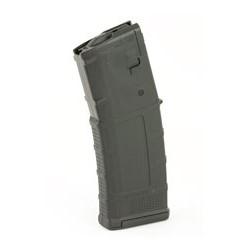
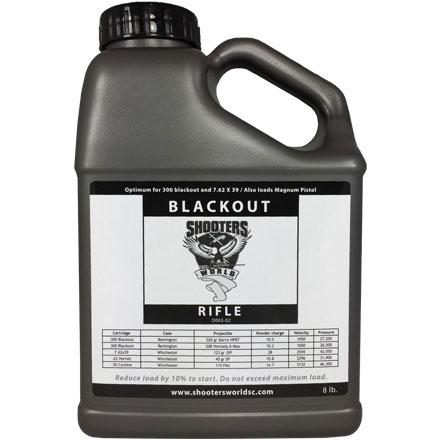
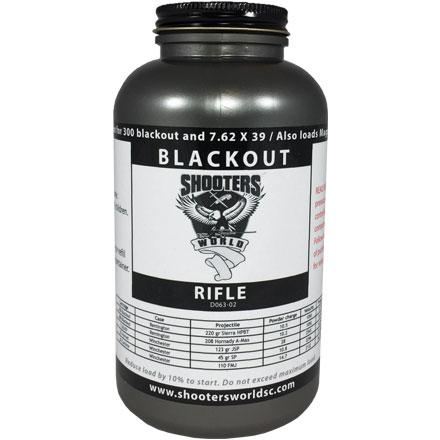
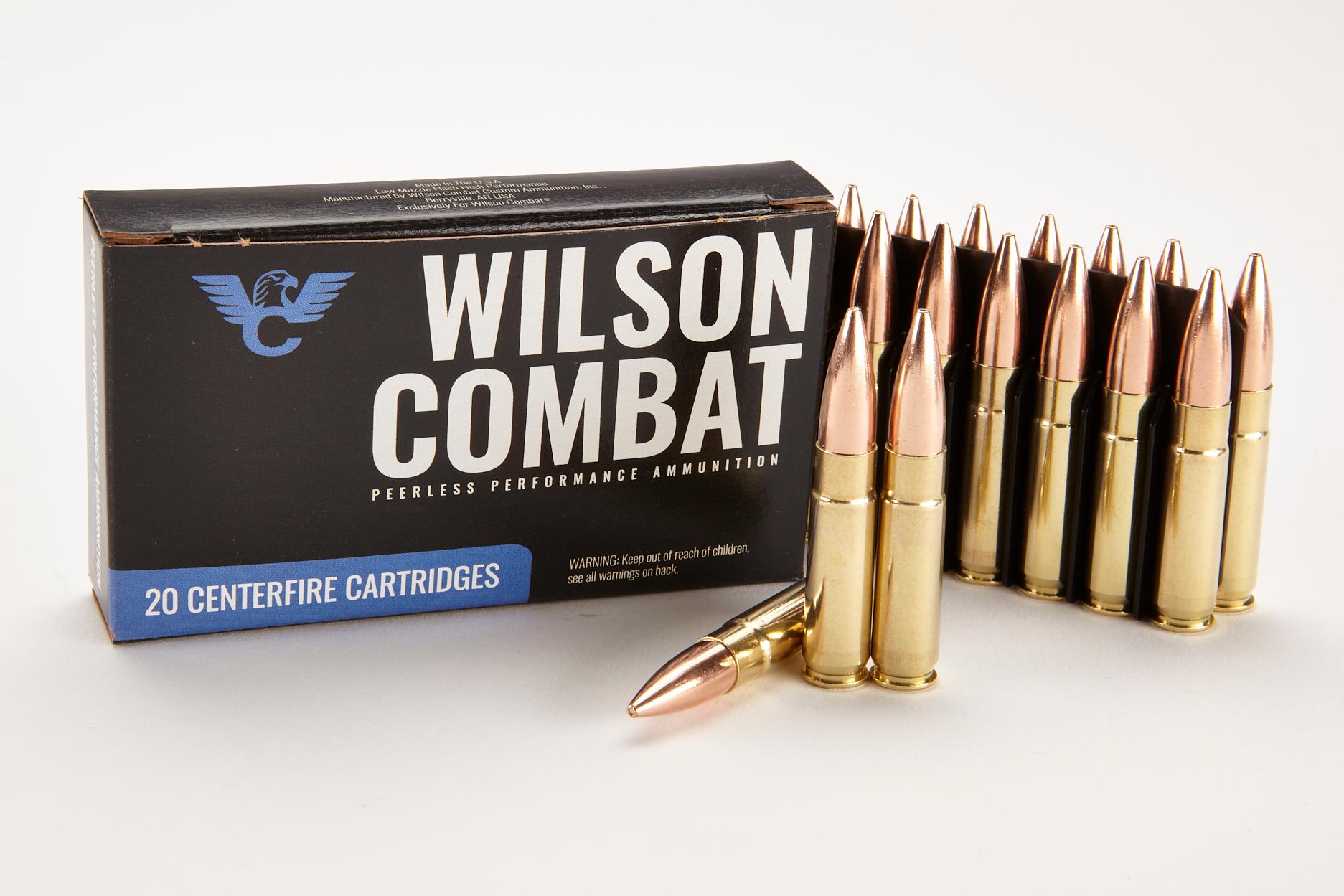
Large suppressed shooting events have become the most useful research tool in the entire NFA category. You can read every spec sheet published, but nothing settles a buying decision faster than putting 30 rounds through three different cans on the same host rifle in the same 20 minutes. Most of these events run in the fall on desert or clay-bank ranges, with two public days and an early-access day, and the shooting lines carry hundreds of suppressors from dozens of builders. Your job as a buyer is to walk that line with a plan instead of just enjoying the noise reduction.
Here is how to turn a day of borrowed guns into a purchase you will still be happy with in five years.
Know the four numbers that define a suppressor
Before you touch anything, learn to read a can the way you read a barrel contour. Four figures explain most of the performance and nearly all of the tradeoffs.
- Weight. Rimfire cans typically run 3 to 7 ounces. Modern titanium 5.56 suppressors land around 9 to 14 ounces. Stainless and Inconel 5.56 units go 15 to 22 ounces. A .30 caliber magnum-rated can in stainless can exceed 20 ounces. Every ounce hangs 5 or more inches past the muzzle, so it works against you with a long lever arm.
- Length. Compact 5.56 cans measure roughly 5.0 to 5.5 inches. Standard length units run 6.5 to 7.5 inches. Rimfire cans are usually 5 to 6 inches. On a 16 inch carbine, a 7 inch can pushes total length past 23 inches before the muzzle even clears a truck door.
- Bore and rating. A 5.56 can bored at .223 will not pass .308. A .30 caliber can will shoot 5.56, 300 BLK, and .308 with a small sound penalty from the larger bore. Check the minimum barrel length rating, commonly 10.3 inches for 5.56 and 16 inches for .308 in lighter designs.
- Mounting thread. 1/2×28 covers .22 LR, 5.56, and most 9mm hosts. 5/8×24 is the standard for .30 caliber rifles. 9/16×24 shows up on .40 and 10mm. Some pistols use M13.5×1 LH. Many modern cans use a 1.375×24 rear thread so you can swap direct-thread and quick-detach mounts on the same tube.
Sound is only part of the answer
Unsuppressed 5.56 from a 16 inch barrel measures in the mid 160 dB range at the shooter’s ear. A good suppressor typically brings that into the low to mid 130s. That is a large reduction, and it is still above the 140 dB peak impulse threshold generally treated as the hearing damage line, which is why plugs or muffs stay in your bag even on a suppressed rifle. Subsonic .22 LR, running a 40 grain bullet at roughly 1,050 fps, is the one common combination that lands well under that threshold and genuinely sounds like a stapler.
At an event you will not have a meter, and comparing two cans mounted on two different rifles tells you very little. Instead, judge these things, which your ears and hands read accurately:
- Tone. A sharp crack fatigues you faster than a deeper thump at the same measured level.
- Backpressure. Gas in the face, brass ejecting at odd angles, and a stiffer recoil impulse all point to a high-backpressure design. Flow-through and low-backpressure cans give up a few decibels to fix this.
- First round pop. The first shot after the can sits idle is often several decibels louder. Ask to fire a cold first round rather than joining mid-string.
- Heat behavior. After 60 rounds, note mirage over the handguard and whether the mount still comes off later without tools.
Match the cartridge to the mission, not to the demo
The rifle in your hands at a demo line is rarely the rifle you own. Translate what you feel into your own build.
- 300 BLK. A 220 grain subsonic at roughly 1,000 fps from a 9 inch barrel is the quietest practical centerfire option. Supersonic 125 grain loads run near 2,200 fps and are much louder.
- 5.56 NATO. 55 grain M193 leaves a 20 inch barrel around 3,240 fps and a 16 inch closer to 3,100 fps. Suppression does nothing about the supersonic crack downrange, only the muzzle blast at your position.
- .308 Winchester. A 168 grain match load at roughly 2,650 fps from a 24 inch barrel is the classic hunting and precision pairing. Expect a heavier can and a real change in balance.
- 9mm. 147 grain subsonic at about 990 fps suppresses well. 124 grain at roughly 1,150 fps stays supersonic and stays loud.
If you plan to hunt with the can, weigh it against your optic and rifle together. A 7.5 pound rifle, a 22 ounce scope and mount, and a 20 ounce suppressor produce a package near 10.5 pounds that you will carry uphill. Our rifle field optics guide covers how to keep the whole system in balance.
A five-question checklist for the firing line
- How many hosts will this can serve? One .30 caliber can with interchangeable mounts often beats three dedicated units, since each purchase carries a $200 transfer tax and a wait.
- Direct thread or quick detach? Direct thread is lighter, cheaper, and shorter, and it takes a minute to remove. A QD mount adds 2 to 4 ounces and roughly a half inch, and it moves between rifles in seconds.
- Can I service it? Sealed centerfire cans are self-cleaning under normal use. Rimfire cans are not. Lead and unburned powder build up fast, so plan on disassembly every few hundred rounds and confirm the baffle stack comes apart with hand tools.
- What is the point of impact shift? A quality mount should hold repeatability inside about 1 MOA when you remove and reinstall the can. Verify zero on your own rifle at 100 yards, suppressed and unsuppressed, and record both.
- Does the handguard clear it? A can with a 1.6 inch outside diameter will not fit inside many 1.5 inch inside diameter rails. Measure before you order.
Materials, heat, and long term ownership
Titanium is roughly half the density of stainless steel, which is why it dominates hunting and general purpose cans. It tolerates less sustained heat, so high-volume and full-auto ratings usually go to stainless or Inconel builds. Aluminum shows up in rimfire and pistol cans where pressures and temperatures stay low, and it should not see rifle duty. Cerakote and high-temp finishes survive better than paint, though any can will discolor after a few hundred rounds.
Long term, treat the mounting interface as the wear item. Carbon-lock a direct thread can onto a barrel for a year and you may need heat and a strap wrench to break it free. Anti-seize on the shoulder, plus a quarter turn check after each range session, prevents that. Store the can dry and off the rifle if the vehicle sees temperature swings, and keep the wrench and spare mount in the same case so the whole package travels together. When crossing state lines, verify legality at your destination before the trip, since a handful of states restrict ownership or hunting use.
Beyond the firing line
These events usually pair the suppressed lines with short skills blocks on land navigation, medical, fire, and shelter, plus crowd-versus-professional shooting challenges where the stage is not announced until you step up. Both are worth your time for the same reason: they test whether your gear works when you are unprepared. If you cannot run your own carbine cold under mild pressure, no can will fix that. Bring your own belt, your own optic zero, and your own ammunition data if the event allows it.
Decide what to buy before you leave the parking lot
Write down two candidates, their weights, their thread pitch, and the host rifles they will serve, then compare them against the checklist above rather than against how impressive they sounded. Start with our suppressor buyer’s guide to narrow the field, then browse current rifle suppressors and mounts and pair the choice with the ammunition and gear in our range and match loadout guide. The right can is the one that fits the rifle you actually shoot, at a weight you will actually carry.
Was this useful?