
Brief
MITLA-1 Net Launcher, 365 Grams And One Shot
The 365 gram MITLA-1 throws a 3.5 by 3.5 meter net in 0.2 seconds out to 25 meters. A specification-driven look at judging single-use field gear.
Shop this at BLVista

Compact, single-use hardware built for one specific job has a long history in field kit, from signal flares to smoke to hand-thrown marking devices. The newest example comes from Ukraine, where a defense manufacturer has fielded a pocket-scale net launcher called the MITLA-1, intended to entangle the propellers of small FPV drones in flight. It is worth studying not because most readers will ever own one, but because the design decisions inside it map directly onto how you should evaluate any single-use, pyrotechnic-driven tool you carry in a pack, a chest rig, or a truck bin.
What the MITLA-1 Actually Is
The published numbers are tight and specific, which is what makes them useful:
- Weight: 365 grams, roughly 12.9 ounces
- Height: 200 mm, about 7.9 inches
- Diameter: 40 mm, about 1.57 inches
- Net footprint: 3.5 by 3.5 meters, about 11.5 by 11.5 feet
- Deployment time: 0.2 seconds
- Effective range: up to 25 meters, about 82 feet
- Propulsion: a 7.62 mm pyrotechnic cartridge
- Power requirement: none, fully manual, no electronics
- Uses: one, then discard
- Stated warranty: one year of operational effectiveness
- Price band as published: roughly 80 USD for the launcher, roughly 100 USD bundled with a holster
Operation is a three-step sequence. Pull the safety catch, point, press the firing button. Recoil is described as heavy for the size, which tracks. Accelerating a net and its weights to full spread in two tenths of a second out of a 40 mm tube means the impulse has nowhere to go but back into the hands. Two-handed use is the recommendation, and with a 200 mm tube that is the only sensible grip anyway.
The Real Lesson Is In The Numbers, Not The Mission
Look at the ratio of capability to size. A 25 meter maximum engagement window is short. An 11.5 foot square net is generous relative to a quadcopter that might measure 250 to 350 mm across the motors. Together those two figures tell you the design accepts a very narrow window in exchange for a high hit probability inside that window. That is a deliberate tradeoff, and it is the same tradeoff you make when you choose a 3 inch barreled revolver over a 4.6 inch service pistol, or a 1x prism over a 3-18x rifle scope. Narrow the problem, then solve it decisively.
The second lesson is the absence of electronics. No power source, no firmware, no pairing, no cold-weather voltage sag. Anyone who has watched a red dot blink out at 15 degrees Fahrenheit on the second morning of a hunt understands the appeal. Mechanical and pyrotechnic systems fail differently than electronic ones. They fail from moisture ingress, corrosion, seal degradation, and propellant aging rather than from a dead cell or a corrupted board.
A Checklist For Judging Any Single-Use Field Tool
Use this before you spend money on disposable gear, whether it is a signal launcher, a bear deterrent, a fire starter, or a compact aerial device:
- Carried weight versus carried count. At 365 grams, three units run about 1.1 kilograms, roughly 2.4 pounds. That is the weight of a full 30-round 5.56 magazine plus change. Single-use means capability scales only by adding mass.
- Shelf life and dated marking. A one-year stated effectiveness window is short. Anything pyrotechnic should carry a legible manufacture or expiration date. If it does not, treat the purchase as consumable and rotate on your own schedule.
- Sealed against water and dust. Rain and snow performance claims mean nothing without a stated seal method. Check for a sealed primer path and a capped muzzle.
- Temperature range in actual figures. “Heat and frost” is marketing language. A number in Celsius or Fahrenheit is a specification.
- Recoil and one-hand usability. If the manufacturer says two hands, plan on two hands.
- Carriage method. A 200 mm by 40 mm cylinder needs a dedicated MOLLE pouch. Loose in a pack, the safety catch is the only thing between you and an unplanned discharge.
- Disposal path. Spent and expired pyrotechnics are not household trash in most jurisdictions.
How This Compares To Tools You Can Actually Buy
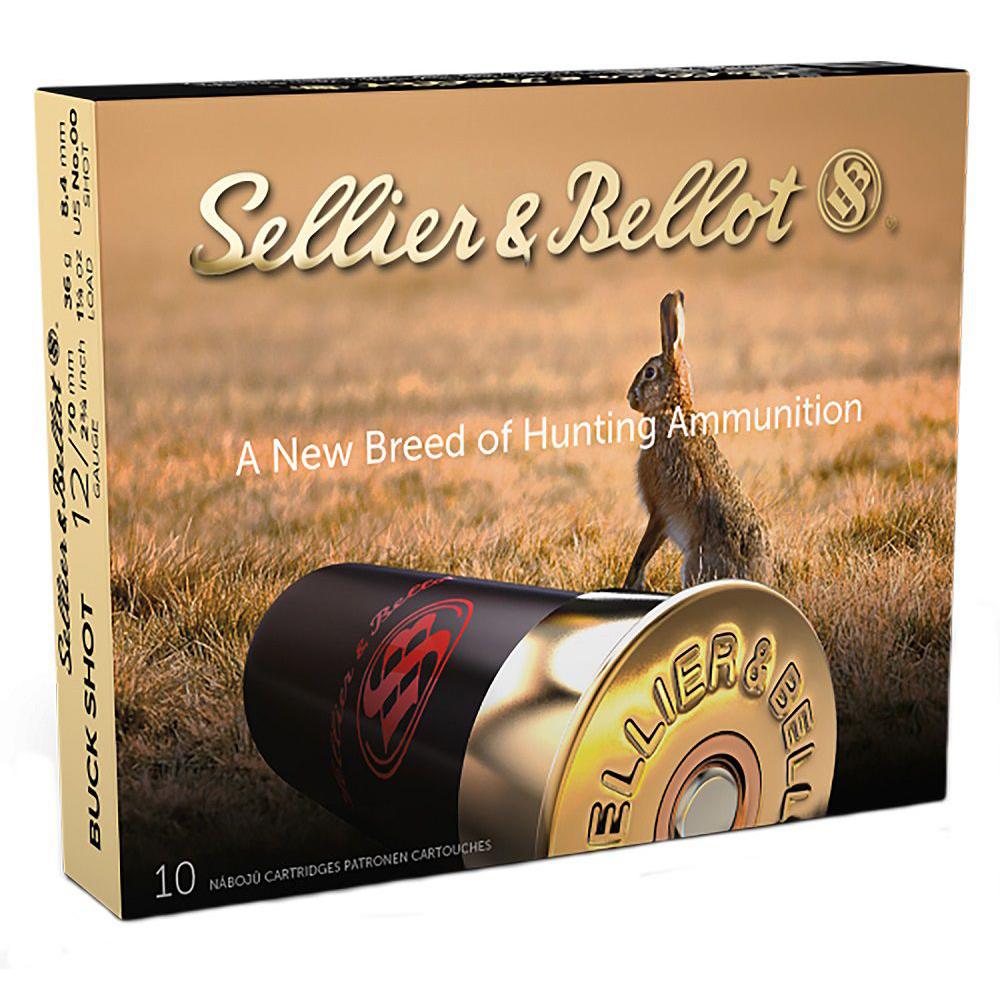
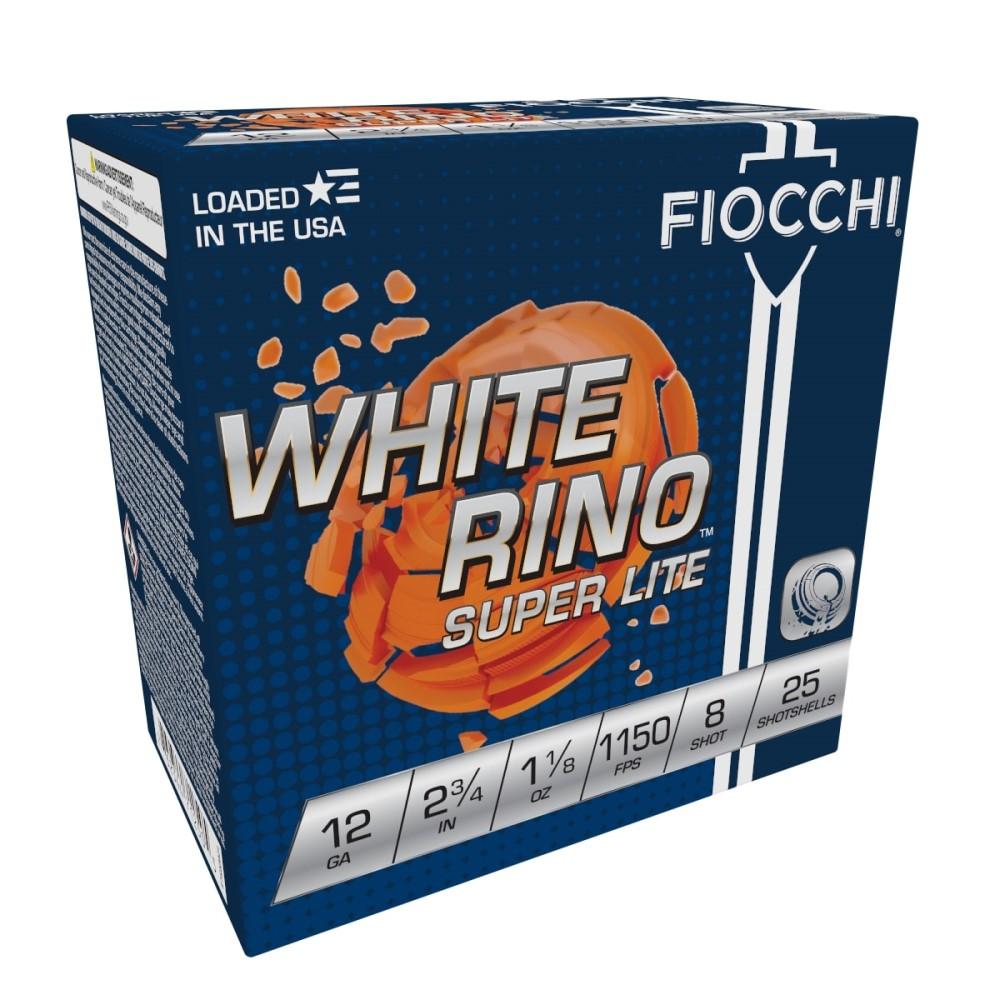
For American shooters, the useful comparison is against gear already in the safe. A 12 gauge with a 26 or 28 inch barrel firing 2 3/4 inch #4 buckshot, typically 27 pellets at roughly 1,325 fps, covers far more distance and is fully repeatable, but weighs 6.5 to 8 pounds and is not going in a cargo pocket. A 26.5 mm flare launcher weighs under a pound and takes reloads, but its payload does nothing to a moving object. A 37 mm launcher is bulkier still and its practical role is signaling and less-lethal munitions.
Rough comparison, weight and reusability:
- Disposable 40 mm diameter net launcher: 365 g, one shot, 25 m stated range
- 26.5 mm flare pistol: typically 300 to 500 g, reloadable, signal payload only
- Pump 12 gauge, 18.5 to 28 inch barrel: 2,900 to 3,600 g, 4 to 8 rounds, reloadable
- Compact AR pistol, 10.5 inch barrel: roughly 2,700 g bare, 30 rounds, reloadable
Every one of those is a different answer to a different question. If your need is a bulky launcher you may only ever fire once, weight and volume dominate. If your need is repeatable performance across varied distances, a reloadable platform wins on cost per use. If you are building out a repeatable range and training setup instead, our range and match loadout guide walks through ammunition selection and consumable planning in detail.
Ownership, Storage, And Compliance Realities
Pyrotechnic devices have their own storage logic. Keep them dry, keep them out of vehicle interiors that reach 140 degrees Fahrenheit in summer, and keep them separate from ammunition in a labeled, ventilated container. Vacuum sealing a spare in a bag with a desiccant pack extends usable life in humid climates and gives you a visible tamper indicator. Log purchase dates. Consumables without dates become dead weight nobody trusts.
On the legal side, interfering with an aircraft in flight in the United States, including small unmanned aircraft, carries serious federal exposure, so treat any drone countermeasure as a military and authorized-agency item rather than a consumer purchase. Devices in this class are not currently sold into the general US market.
Where the underlying idea does translate for civilian buyers is discipline about consumables. Audit what you carry that only works once, know its expiration, know its weight, and know what it replaces. If you are building out reliable, reusable core kit instead, start with the fundamentals at our gear catalog and look at 12 gauge shotgun options that give you repeatable performance for the same money you would spend on a handful of disposables.
What To Decide Next
Run your kit through a single question: for each item, what does it weigh, how many times can it work, and what happens when it expires. Anything that fails that test should either earn its place with a very specific job, like a 365 gram tool that solves one problem inside 25 meters, or come out of the pack. Then spend the savings on the reusable items that carry you through hundreds of range sessions and multiple seasons.
FAQ
No. Handheld anti-drone net launchers of this type are military procurement items sold through defense channels overseas, and using any device to interfere with an aircraft in flight, including a small drone, carries federal criminal exposure. Treat marketing aimed at US consumers with skepticism.
The MITLA-1 is listed at 365 grams, about 12.9 ounces, in a 200 mm by 40 mm cylinder. A typical pump 12 gauge runs 2,900 to 3,600 grams, roughly 6.5 to 8 pounds. The launcher wins on carry weight and loses on reusability, since it fires once.
That is about 11.5 feet square, roughly 132 square feet of intercept area, deployed in 0.2 seconds. Against a quadcopter measuring 250 to 350 mm motor to motor, the net is many times larger than the target, which is how a 25 meter maximum range still produces useful hit probability.
Manufacturer figures vary, and the MITLA-1 carries a stated one year effectiveness warranty. As a general rule, store pyrotechnics dry, below 100 degrees Fahrenheit where possible, in a labeled container away from ammunition, and rotate on a documented schedule rather than trusting an undated unit.
Check five things: stated weight, stated shelf life with a printed date, sealing against moisture, a real temperature range in degrees rather than vague wording, and a dedicated carry pouch so the safety cannot be defeated in a pack. If any of those are missing from the spec sheet, ask why before you buy.
Yes, when the job is rare, urgent, and weight sensitive, and when the alternative is carrying several pounds you will likely never fire. For anything you will use repeatedly, including range training and hunting, a reusable platform with a documented round count and a maintenance schedule delivers far better cost per use.
Was this useful?