
Brief
Suppressor Ready Firearms Need Better Specs
How to evaluate suppressor ready firearms by barrel length, thread pitch, gas tuning, materials, cleaning, heat, storage, and host compatibility.
Shop this at BLVista
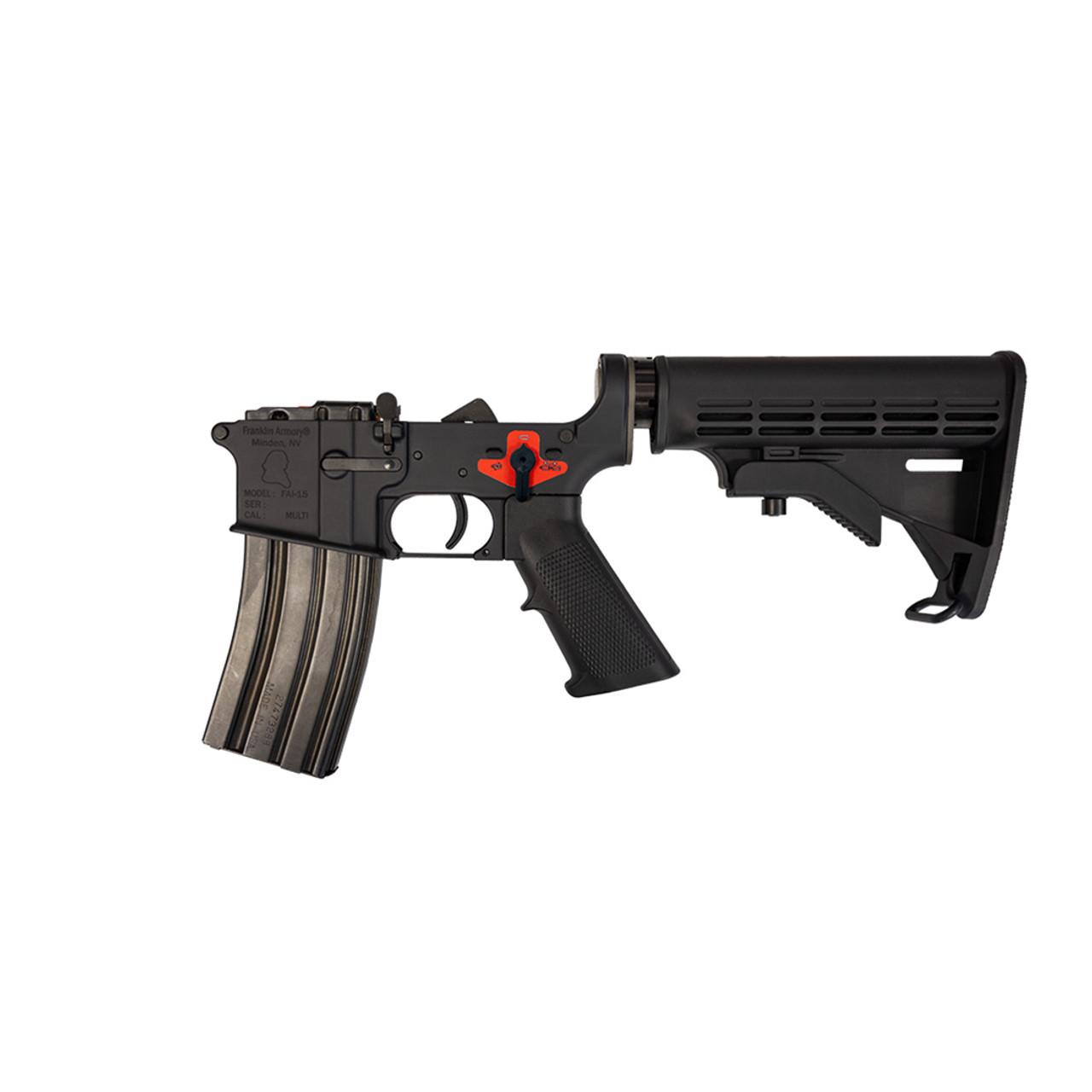
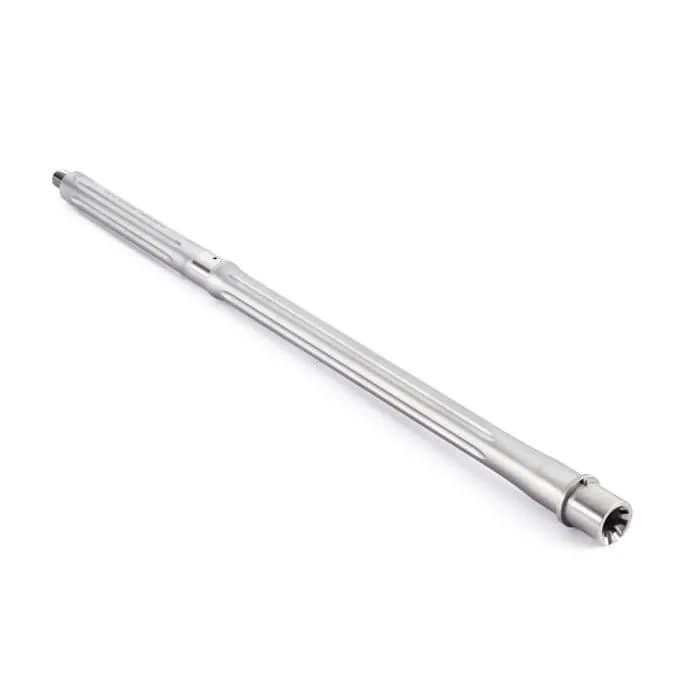
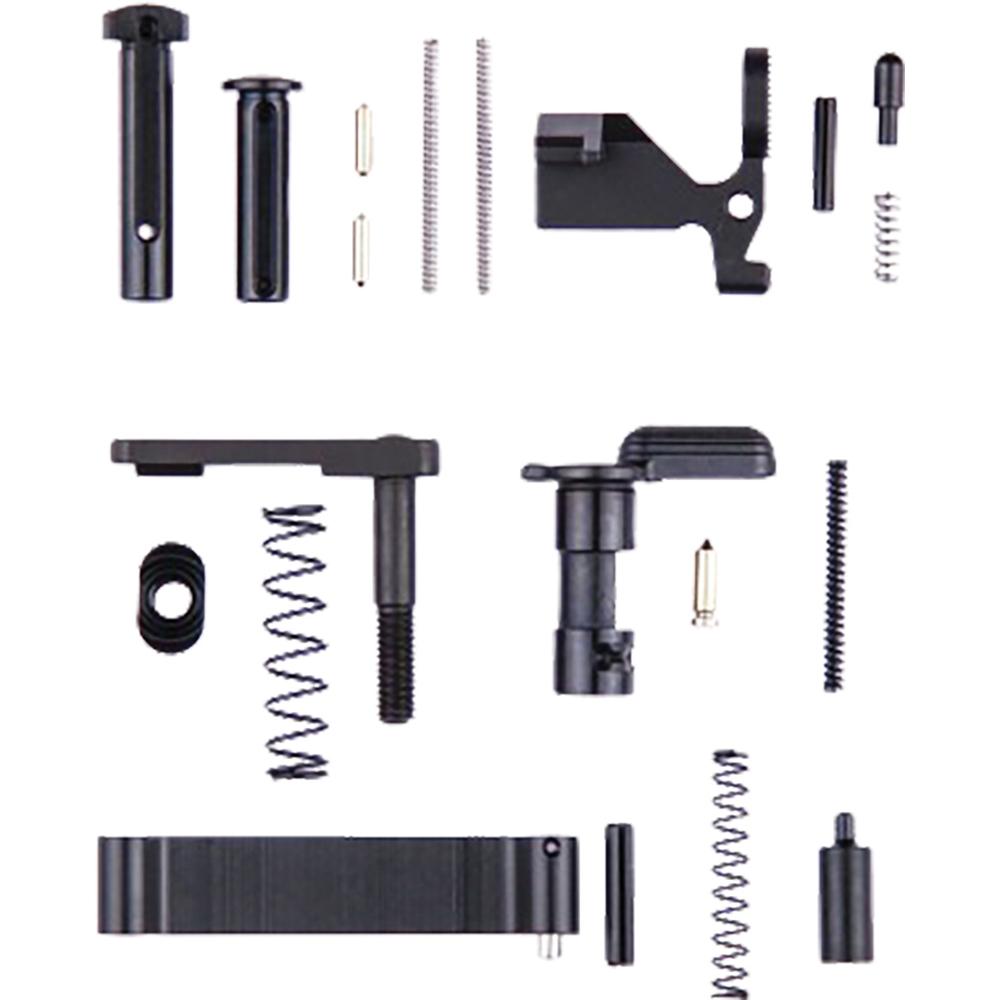
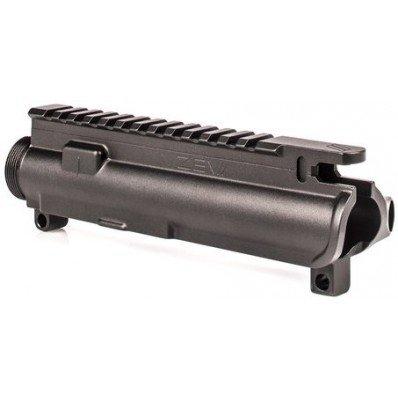
Suppressor ready firearms are moving from a specialty corner of the market into the main buying conversation for AR owners, rimfire shooters, hunters, and home defense buyers. Because rules and transfer procedures can vary, confirm current state and destination requirements before buying or transporting any suppressor, SBR, SBS, or integrally suppressed firearm.
The equipment question matters more than the legal noise. A rifle, pistol, shotgun, or rimfire host that looks good on a shelf can become frustrating once a can is attached. Extra length changes handling. Extra back pressure changes cycling. Heat changes maintenance. Mount choice can decide whether the system stays tight through a 90 round training session or walks loose after the first magazine.
BLVista buyers should evaluate suppressor ready firearms as complete systems. The host, barrel length, thread pitch, gas system, optic height, ammunition, storage plan, and cleaning routine all affect real world performance.
Integral Suppression Changes The Buying Math
An integrally suppressed firearm builds the suppressor around the barrel instead of hanging a removable can off the muzzle. That can make sense on .22 LR pistols, pistol caliber carbines, and specialty hunting guns because the overall package can stay shorter and better balanced.
Take a rimfire pistol as a baseline. A common .22 LR target pistol uses a 10 round magazine, and threaded rimfire hosts often use 1/2×28 muzzle threads. A removable rimfire suppressor commonly adds about 5 to 6 inches of length and several ounces at the muzzle. An integral design can keep more of that weight inside the barrel envelope, which helps the gun track flatter during slow fire, steel challenge practice, or small game work.
The tradeoff is service life and cleaning access. Rimfire ammunition is dirty. A 40 grain .22 LR lead round at subsonic speed leaves carbon, wax, and lead fouling in baffles. Many serious rimfire users clean serviceable suppressors every 500 to 1,000 rounds depending on ammunition and design. An integral rimfire that requires tools, special disassembly steps, or factory service can become a burden for high volume shooters.
Before choosing an integral rimfire, ask four questions:
- Can the baffles or monocore be removed by the owner?
- Does the design handle standard velocity 40 grain ammunition without excessive first round pop?
- Will the sights clear the suppressor body, or does the gun need an optic?
- Can the owner clean lead fouling without damaging aluminum, stainless steel, or titanium parts?
For rimfire buyers comparing hosts and cans, BLVista keeps the research path simple with rimfire suppressors and the suppressor buyer guide.
Barrel Length Matters More Once A Can Is Installed
The standard 16 inch AR-15 became common because it fits long standing civilian rifle norms and pairs well with a mid-length gas system. Add a 6.5 inch suppressor to that rifle and the muzzle system becomes roughly 22.5 inches forward of the receiver before accounting for the mount. That length is manageable from a bench or shooting mat. It becomes less convenient in vehicles, around barricades, in dense woods, or inside a home defense layout.
Shorter 5.56 NATO hosts change the feel of the gun. An 11.5 inch barrel with a 6.5 inch suppressor gives a similar forward length to an unsuppressed 18 inch rifle while keeping the center of gravity closer to the shooter. A 12.5 inch or 13 inch barrel often gives better velocity and dwell time than a 10.3 inch setup while remaining compact once suppressed.
Velocity still matters. A 55 grain M193 type 5.56 load is often associated with roughly 3,200 fps from a 20 inch barrel under favorable conditions. A 16 inch barrel usually gives less velocity, and an 11.5 inch barrel gives less again. With 77 grain open tip match loads, shooters often prioritize consistent accuracy and terminal behavior over raw speed, but the shorter barrel still reduces muzzle velocity. That affects expansion range, wind drift, and point of impact at distance.
A buyer setting up a suppressed 5.56 rifle should compare barrel lengths by role:
- 10.3 to 10.5 inches: Very compact, high blast, more demanding on gas tuning and suppressor durability.
- 11.5 inches: Common short 5.56 choice with better dwell time than 10.3 inch barrels.
- 12.5 to 13 inches: Strong balance of length, velocity, and suppressor handling for many general purpose carbines.
- 14.5 inches: Good velocity and softer behavior, longer once a full size can is mounted.
- 16 inches: Broad parts compatibility, simple rifle configuration, long overall package with a suppressor.
Gas system length also deserves attention. A mid-length gas system suits many 16 inch barrels. Short barrels often use carbine length gas, though some 12.5 inch and longer barrels use intermediate choices depending on port size and intended suppressor use. Port size, buffer weight, spring choice, carrier mass, and suppressor back pressure determine whether the rifle cycles cleanly or beats itself up.
Thread Pitch And Mount Standards Prevent Expensive Mistakes
Thread pitch is one of the easiest specifications to overlook. It is also one of the fastest ways to buy the wrong part.
Common thread patterns include 1/2×28 for many .22 LR and 5.56 NATO barrels, 5/8×24 for many .30 caliber rifle barrels, and 1/2×28 or metric patterns such as M13.5×1 LH on some 9mm pistols. Many modern rifle suppressor mounts use the 1.375×24 rear thread pattern often called HUB compatible. That rear thread standard gives owners more flexibility with direct thread adapters, muzzle brakes, flash hider mounts, and taper lock systems.
The mount must match the use case. Direct thread is simple, light, and strong when installed correctly. It makes sense for hunting rifles, rimfire rifles, and guns where the suppressor stays on one host. Quick attach systems help shooters move one can across multiple rifles, but they add cost, length, weight, and another interface that must stay clean.
Use this mount checklist before buying:
- Confirm barrel thread pitch before ordering any muzzle device.
- Check bore compatibility. A .30 caliber can can often run 5.56, but a 5.56 can cannot safely run .308 Winchester.
- Use a proper shoulder or taper surface for alignment.
- Inspect for carbon buildup on tapers and locking teeth.
- Verify alignment after installing a new mount, especially on AK pattern rifles, lever guns, and budget threaded barrels.
For buyers standardizing multiple hosts, BLVista can help compare suppressor mounts without mixing incompatible thread patterns.
Materials Decide Weight, Heat Tolerance, And Cleaning
Suppressor material is a durability choice, not a spec sheet decoration. Aluminum keeps rimfire and pistol cans light, but it limits cleaning methods and heat tolerance. Stainless steel handles fouling and cleaning abuse better. Titanium saves weight on hunting rifles, though rapid strings can exceed its comfort zone faster than heavier steel designs. Inconel, Stellite, and other high temperature alloys are common in hard use rifle cans because they tolerate heat and erosion from short barrels.
Weight changes field performance. A 12 ounce rifle can feels different from a 20 ounce rifle can after a mile of walking or a day in a deer stand. A 1.5 inch diameter suppressor may fit under some handguards, while larger 1.75 inch rifle cans can block more sight picture, interfere with lights, or crowd a slim rail. Pistol cans around 1.375 inches in diameter often require raised sights or a red dot because standard iron sights may disappear behind the tube.
Heat is the quiet ownership cost. A single 30 round magazine through a suppressed 5.56 rifle can make the tube too hot to touch. Multiple magazines fired quickly can push the suppressor into a temperature range that damages nylon cases, melts soft gear, creates visible mirage through an optic, and makes vehicle storage awkward. A suppressor cover can reduce mirage and protect skin, but it can also trap heat during high volume fire. Let the can cool before packing it in a range bag.
Shotgun And Niche Suppressors Need Extra Scrutiny
Shotgun suppressors solve a different problem than rifle cans. A 12 gauge bore is about .729 inch, and a 20 gauge bore is about .615 inch. That large bore means the suppressor body has to manage a bigger gas column, shot wad movement, and choke compatibility. Weight and swing matter more than bench accuracy.
A suppressed 20 gauge can make sense for pest control, farm use, and recoil sensitive shooters using 2 3/4 inch or 3 inch shells, provided the suppressor is rated for the load and choke arrangement. The buyer needs to confirm barrel support, front bead visibility, and how the added length affects movement through brush or blinds.
Niche rimfire loads also require care. A .22 LR shotshell commonly uses tiny No. 12 shot and a light payload, often around 31 grains in common commercial examples. These loads are useful at short distance on pests, but the shot cup and pattern behavior make suppressor compatibility a manufacturer specific question. Never assume a baffle stack can handle shot, wads, sabots, or specialty projectiles unless the suppressor maker rates it for that use.
Second Hand Suppressors Require Inspection Discipline
If suppressors become easier to resell in a given market, used cans will attract more attention. A used suppressor can be a good value when the buyer can inspect it properly. It can also hide erosion, damaged threads, a bulged tube, carbon locked mounts, or a previous baffle strike.
Inspect these items before accepting a used suppressor:
- Look through the bore for concentric baffle alignment.
- Check the end cap for asymmetrical impact marks.
- Inspect rear threads for galling, cross threading, or carbon welding.
- Ask for the approximate round count and host barrel lengths used.
- Confirm whether the can was used on short 5.56 barrels, full auto fire, magnum rifles, or corrosive ammunition.
- Remove serviceable rimfire baffles and inspect lead accumulation.
- Check that all mounts, pistons, spacers, and end caps are included.
Round count matters by cartridge. A .22 LR suppressor with 5,000 slow fire rounds may need cleaning. A rifle can that spent 5,000 rounds on a 10.3 inch 5.56 host may show meaningful blast baffle erosion. A hunting suppressor with a few boxes of .308 Winchester through it may have decades of useful service left.
Storage, Transport, And Range Use
Suppressor ownership adds small routines. Keep thread protectors, mounts, pistons, and end caps labeled by caliber and pitch. Store rimfire baffles clean enough that they can be removed later. Apply anti-seize only where the manufacturer allows it. Keep a heat resistant pouch in the range bag so a warm can does not damage nylon, foam, or optics.
For range training, build a loadout that accounts for heat and tools. A suppressed rifle session should include gloves, a torque tool or wrench if the mount requires it, a bore light, spare batteries for optics, and a simple log of ammunition type and round count. The range and match loadout guide helps buyers think through those support items before gear gets left on the bench.
Decide Which Host Drives The Build
The best suppressor ready firearm starts with the host. A hunting rifle values low weight, repeatable point of impact, and simple direct thread mounting. A home defense carbine values compact length, reliable cycling, white light clearance, and safe storage. A rimfire trainer values cleaning access and low ammunition cost. A pistol caliber carbine values mount security and ammunition selection, especially 147 grain 9mm subsonic loads.
Start with the cartridge, barrel length, and role. Then choose the suppressor diameter, material, mount, and maintenance plan around that host. Buyers who make those decisions in order reduce compatibility problems and avoid paying twice for parts that never belonged on the gun.
FAQ
For many 5.56 NATO buyers, 11.5 inches to 13 inches gives a strong balance of compact handling, velocity, and suppressor use. A 16 inch barrel remains easy to configure, but a 6.5 inch suppressor makes the front end much longer.
Most 5.56 NATO AR-15 barrels use 1/2x28 muzzle threads. Many .30 caliber rifles use 5/8x24. Always confirm the barrel thread pitch and bore size before buying a direct thread adapter or muzzle device.
They can be if the design limits owner cleaning. .22 LR ammunition leaves lead, wax, and carbon fouling, so buyers should look for serviceable baffles or a clear cleaning process. High volume rimfire shooters often clean cans every 500 to 1,000 rounds.
Yes, if the bore rating, pressure rating, thread pitch, and mount system match each host. A .30 caliber rifle suppressor can often be used on 5.56 rifles with the correct mount, but a smaller bore suppressor must never be used on a larger projectile.
A suppressor can reduce sound by roughly 20 to 35 decibels depending on cartridge, barrel length, ammunition, and design. Supersonic ammunition still creates a ballistic crack, and shooters should continue using hearing protection during training.
Was this useful?