
Brief
Building a Suppressed Home Defense Carbine That Works
Barrel length, thread pitch, buffer weight, and suppressor material decide whether a suppressed defensive carbine runs. Concrete specs and a selection...
Shop this at BLVista
Interest in suppressors and short barreled rifles rises every time the regulatory picture shifts, and buyers tend to shop in that order: they pick the can first, then discover the host will not run with it. Regulatory questions around registered items are still working themselves out, and that is worth exactly one sentence here because the equipment decisions are the part you control. A suppressed carbine is a system. Barrel length, gas port timing, buffer mass, thread pitch, mount type, and ammunition all move together. Get one wrong and you get short stroking, gas in the face, or a can that shoots loose on the third magazine.
Why Suppression Matters Indoors
An unsuppressed 16 inch 5.56 carbine produces roughly 165 dB at the muzzle. Inside a hallway with drywall and hard flooring, the reflected pressure is worse than the same shot fired in an open field. The commonly cited hearing safe ceiling is 140 dB, and a competent 5.56 suppressor typically brings the sound at the shooter’s ear into the low to mid 130s. That is a meaningful reduction in a defensive situation where you will not be wearing muffs, and it also preserves your ability to hear commands, movement, and family members in the house.
The second benefit is flash. An 11.5 inch barrel throws a significant fireball with a bare muzzle in low light. A sealed suppressor cuts that dramatically, which matters when you are trying to keep a red dot visible after the first round.
Barrel Length and What You Give Up
Short barrels buy maneuverability and cost velocity. Approximate 55 grain M193 numbers, which vary by lot and barrel:
- 20 inch: about 3,240 fps
- 16 inch: about 3,100 fps
- 14.5 inch: about 3,050 fps
- 11.5 inch: about 2,850 fps
- 10.3 inch: about 2,750 fps
Terminal performance for common 5.56 loads falls off sharply below roughly 2,500 fps impact velocity, so the practical question is not muzzle velocity but velocity at your realistic distance. Inside a house, every one of those barrel lengths is well above threshold. At 200 yards, a 10.3 inch gun is already marginal with light bullets and does better with a bonded or heavier open tip load in the 62 to 77 grain range.
Adding a suppressor gives back a little velocity, often 20 to 60 fps, but adds 5.5 to 8.5 inches of length and 9 to 22 ounces of weight hanging off the muzzle. An 11.5 inch upper with a 6.5 inch can is roughly the same overall length as a 16 inch carbine with a flash hider, with more weight forward. That is the tradeoff worth internalizing before you buy: you are not shortening the gun, you are relocating the mass.
Thread Pitch and Mounting
Confirm the muzzle threads before ordering anything. Common pitches:
- 1/2×28: 5.56, .223 Wylde, .22 LR, most 9mm pistols
- 5/8×24: .308, 6.5 Creedmoor, .300 Blackout, most .30 caliber hosts
- 1/2×36: some 9mm carbines and pistols
- .578×28: .45 ACP
- M13.5×1 LH: many imported 9mm platforms
Direct thread mounts are lighter, shorter, and repeatable, and they can loosen under sustained fire if you do not check them between strings. Quick detach systems using a tapered shoulder or a ratcheting collar add roughly 2 to 4 ounces and an inch of length but let you move one can across several hosts. For a dedicated home defense rifle where the can lives on the gun, direct thread is defensible. For a shooter with a 5.56 carbine, a .300 Blackout pistol, and a bolt gun, a common mount system pays for itself. Our suppressor buyer’s guide walks through mount families and how they interact with handguard diameter.
Always check bore alignment with a rod after mounting a new can on a new host. A baffle strike ends a $1,000 plus purchase in one round.
Materials and Duty Rating
Grade 5 titanium tubes and baffles produce the lightest cans, often 9 to 13 ounces for a full size 5.56 unit, and they are typically rated for semi automatic use with cooling periods. Inconel 718 and 17-4 stainless builds run 16 to 22 ounces and tolerate abusive strings including full auto on short barrels. For a house gun that will see maybe 300 rounds a year of training, titanium is the smarter carry weight. For a class rifle that eats 800 rounds in a weekend, buy the heavier duty rated can and accept the ounces.
Gas Tuning Is Not Optional
Suppressors raise back pressure, which means faster unlocking, harder ejection, and more gas venting into the receiver. Three fixes, best used together:
- Adjustable gas block, tuned to lock the bolt back with your defensive load plus one or two clicks of margin
- Heavier buffer. Carbine buffers run about 3.0 ounces, H about 3.8, H2 about 4.6, H3 about 5.4. Most suppressed 11.5 inch guns settle on H2
- A bolt carrier group with adequate staking and a quality extractor spring with an insert
Test the tune with the exact ammunition you intend to keep loaded, not with bulk range fodder. A rifle that runs on 55 grain steel case may short stroke with a 62 grain bonded load at a different port pressure.
Ammunition Choices Worth Comparing
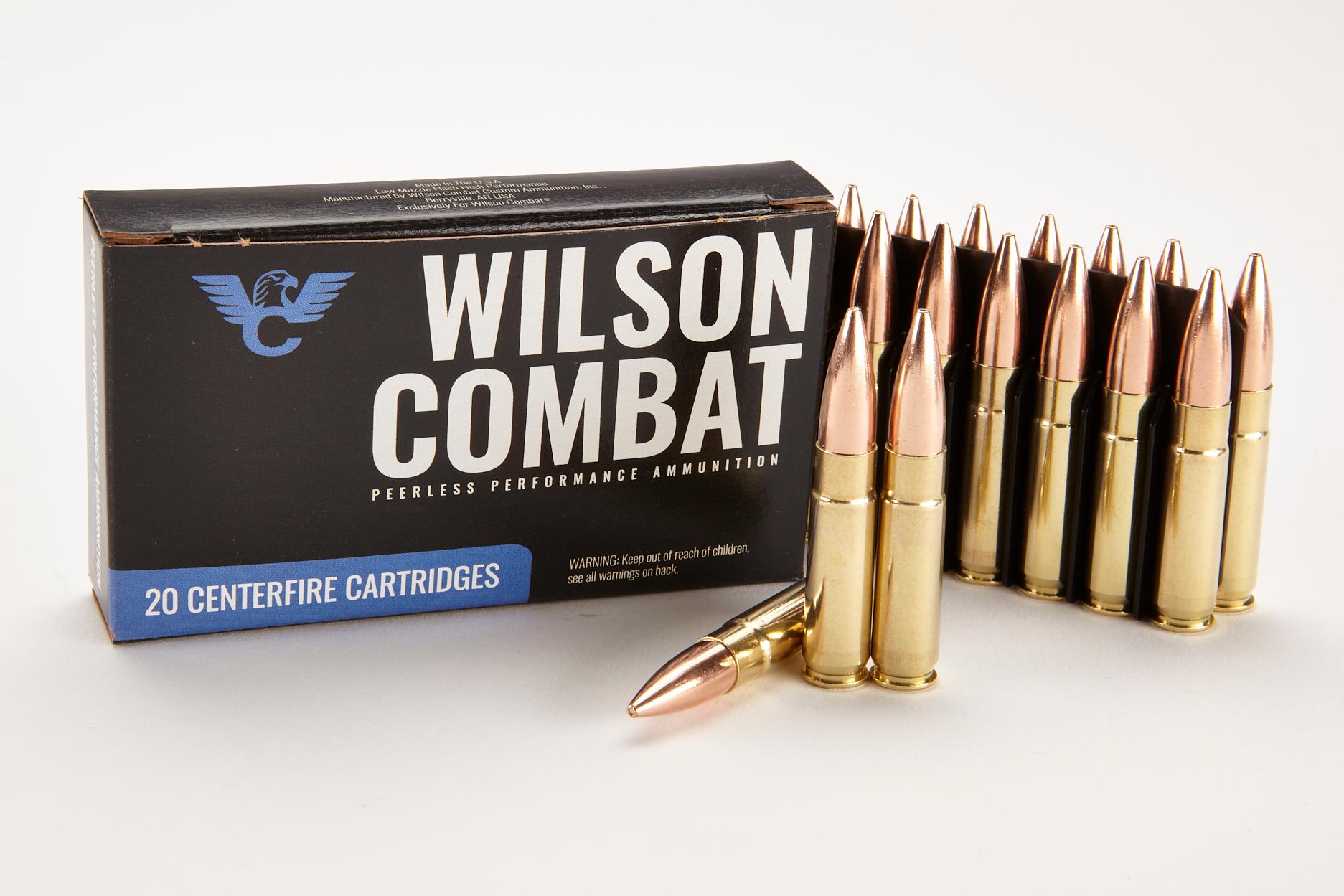
For 5.56 indoors, controlled expansion loads in the 55 to 64 grain range generally produce less overpenetration through interior walls than pistol calibers or buckshot, which surprises people. In .300 Blackout, a 220 grain subsonic at roughly 1,010 fps from a 9 inch barrel is genuinely quiet but demands expanding bullet designs to perform, while 110 to 125 grain supersonic loads run near 2,200 fps and are loud even suppressed. For 9mm carbines, 147 grain subsonic at about 1,000 fps stays under the sound barrier while 115 grain at 1,180 fps will crack no matter what can you hang on it.
Optics, Lights, and the Rest of the System
A 1x red dot with a 2 MOA dot remains the default for a defensive carbine because it works with both eyes open at contact distance and still holds a torso at 100 yards. Mount it at absolute or lower third cowitness on a 1.93 inch riser if you plan to shoot with head protection. A weapon light of 500 to 1,000 lumens with usable candela is not a luxury on a gun you may fire in the dark. If your rifle doubles as a hunting or field gun, see our rifle field optics guide before committing to a magnified setup that will not clear a suppressor mount.
Ownership, Maintenance, and Storage
Sealed centerfire rifle cans are effectively self cleaning; carbon burns off at operating temperature. Rimfire and pistol cans need scheduled disassembly, often every 300 to 500 rounds, because lead and unburned powder cake up and can seize baffles. Check mount torque and muzzle device timing every range session. Store the rifle in a safe with a dehumidifier rod or desiccant, keep a copy of your registered item paperwork with the transport case, and use a lockable hard case when the gun travels. Suppressors are not consumable, but mounts, springs, and gaskets are.
A Quick Selection Checklist
- Confirm host caliber, barrel length, and thread pitch in writing before ordering
- Decide direct thread or quick detach based on how many hosts the can will serve
- Match duty rating to your actual round count, not your aspirational round count
- Budget for the gas tune: adjustable block, heavier buffer, quality bolt carrier
- Verify handguard inner diameter clears the can body if you want it partially shrouded
- Buy the ammunition you will actually keep loaded and validate function with 100 rounds of it
You can browse 5.56 suppressors and mounts or start with the broader BLVista catalog if you are still narrowing the host platform.
What to Settle Before You Spend
Pick the host and barrel length first, then the mount system, then the can. Reversing that order is how people end up with a well reviewed suppressor that does not fit the rifle they actually own. Write down your realistic round count, your maximum acceptable muzzle weight, and whether the can needs to move between guns. Those three answers eliminate most of the market and leave you with a short list you can compare on measured sound numbers and duty rating rather than reputation.
FAQ
Standard 5.56 and .223 barrels in the United States use 1/2×28 threads. Verify with a thread gauge or the manufacturer’s specification page rather than assuming, because some imported barrels and .30 caliber conversions use 5/8×24 or a metric pitch.
An unsuppressed 5.56 carbine measures around 165 dB at the muzzle. A quality suppressor typically brings the sound at the shooter’s ear into the low to mid 130 dB range, below the 140 dB hearing safe threshold, though the exact figure depends on barrel length, ammunition, and measurement method.
Usually yes on a short barreled AR. Most suppressed 11.5 inch builds run best on an H2 buffer at about 4.6 ounces combined with an adjustable gas block. Tune with the load you intend to keep in the rifle.
Titanium saves 6 to 10 ounces at the muzzle and handles the modest round counts a defensive rifle sees. Stainless and Inconel builds tolerate sustained rapid fire and are the better choice for high volume training and classes.
.300 Blackout with 220 grain subsonic loads near 1,010 fps is the quieter option and loses less velocity from a 9 inch barrel. 5.56 offers cheaper ammunition, flatter trajectory, and better performance past 150 yards. Choose based on distance and how much you value sound signature.
Sealed centerfire rifle suppressors are self cleaning under normal use. Rimfire and pistol suppressors with serviceable baffles should be disassembled and cleaned roughly every 300 to 500 rounds to prevent lead buildup from locking the baffle stack.
Was this useful?