
Brief
CMMG Zeroed Banshee 6.5 Inch 9mm Ships With the Can On
A specification driven look at CMMG's factory suppressed Zeroed Banshee in 9mm: 6.5 inch barrel, 1/2x28 threads, 6.3 pounds, 33 round Glock magazines, and...
Shop this at BLVista
Factory suppressed pistol caliber guns solve a problem that most buyers only discover after they have already spent the money: matching a can, a barrel, a handguard, and a gas or recoil system that all agree with each other. CMMG’s suppressed Zeroed Banshee in 9x19mm takes that decision away by shipping the ZEROED 36 suppressor already mounted on a 6.5 inch barrel, inside an 11 inch M-LOK handguard with a 1.72 inch inner diameter. The result is a 6.3 pound package that measures 27 to 29.5 inches depending on where you set the six position brace.
The Numbers That Actually Drive the Design
The barrel is 4140 chrome moly with a nitride finish, cut at a 1:10 twist and threaded 1/2×28. That twist rate is the common denominator for 9mm and stabilizes the full range of factory loads, from 115 grain practice ammunition through 147 grain subsonic. The 1/2×28 thread pitch matters even though the can arrives installed, because it means the barrel is not a proprietary dead end. If you later want to run a different 9mm suppressor or a flash hider for a course of fire where cans are restricted, the interface is the most common one in the pistol caliber world.
The 6.5 inch barrel is a deliberate compromise. A 16 inch 9mm carbine barrel will push 115 grain loads meaningfully faster than a 5 inch pistol, but past roughly 10 inches the velocity curve for pistol powder flattens hard. Going from 6.5 inches to 8 or 10 inches buys modest velocity and costs you length you cannot get back once the suppressor is tucked into the handguard. At 6.5 inches with a 36 series can mostly shrouded by an 11 inch rail, the overall length stays in the same neighborhood as a bare 16 inch carbine while producing the sound signature of a suppressed host.
Radial Delayed Blowback and Why Suppressed Shooters Care
Straight blowback pistol caliber guns work, and they beat themselves up doing it. The bolt starts moving the instant pressure rises, which drives ejection port gas back toward the shooter and demands a heavy reciprocating mass to stay controllable. Add a suppressor and back pressure gets worse. CMMG’s radial delayed blowback system uses a rotating bolt to hold the action closed slightly longer, which lets pressure drop before the case starts moving. In practice that means less gas in the face, less violent bolt travel, and a lighter carrier that does not need mass to compensate. Pair it with the fixed ejector Mk4 PCC upper machined from 6061-T6 aluminum and you get an action tuned for a can rather than tolerating one.
For context on why this matters to your hearing rather than your comfort, unsuppressed 9mm handgun fire is commonly measured well above the 140 dB threshold that hearing conservation guidance treats as the impulse noise limit. A quality 9mm can plus 147 grain subsonic ammunition below the roughly 1,125 feet per second speed of sound is the combination that actually gets you into a range where a single unprotected shot is not automatically damaging. Supersonic 115 or 124 grain ammunition through the same can still produces a ballistic crack downrange no suppressor can remove.
Build Specifications
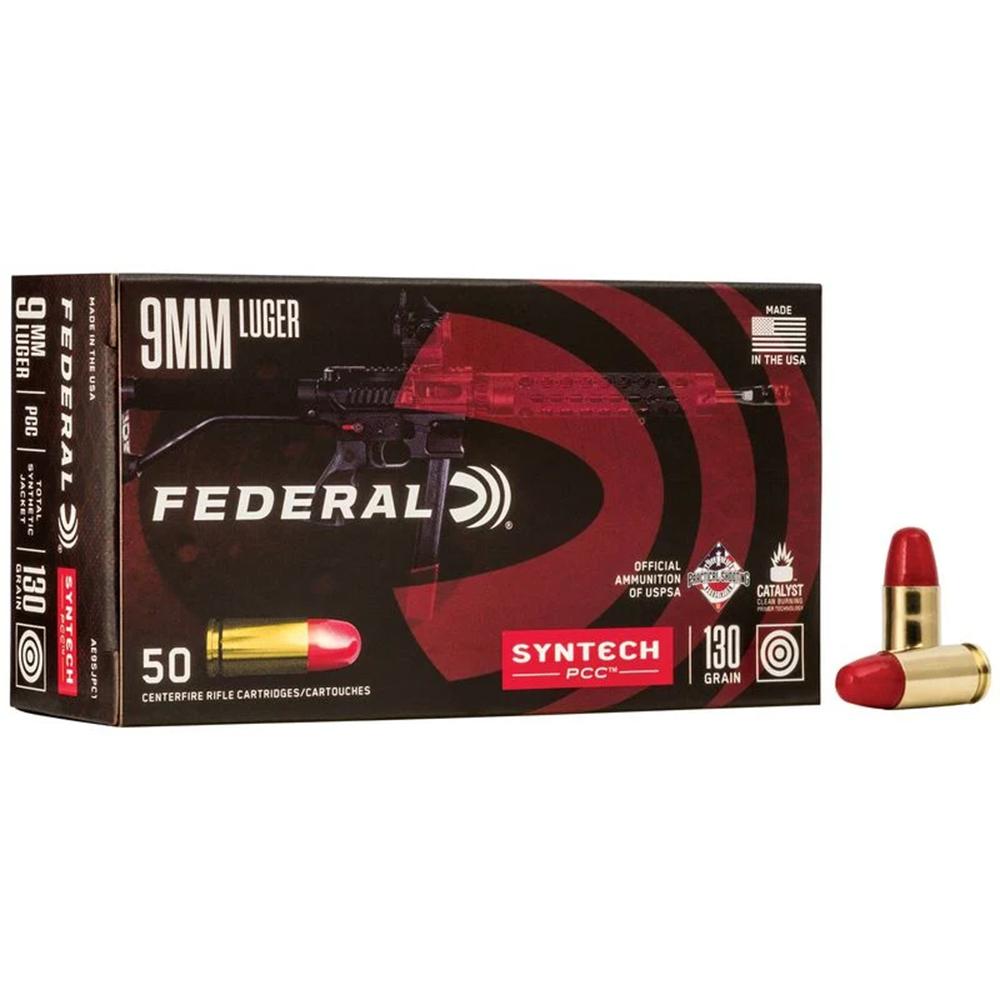
- Cartridge: 9x19mm
- Barrel: 6.5 inches, 4140CM nitride, 1:10 twist, MT contour
- Muzzle thread: 1/2×28, ZEROED 36 suppressor installed
- Operating system: fixed ejector radial delayed blowback
- Upper: Mk4 PCC, 6061-T6 aluminum
- Lower: MkGs, forged 7075-T6 aluminum
- Handguard: 11 inch M-LOK, 1.72 inch inner diameter
- Brace: CMMG RipBrace on a FASTBACK six position extension, carbine buffer
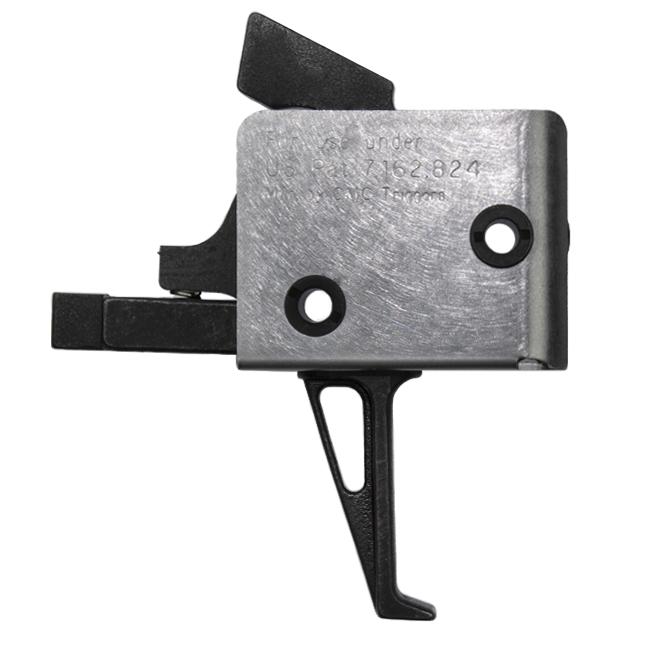
- Controls: ambidextrous charging handle, ambidextrous 60/90 degree selector, drop-in single stage trigger
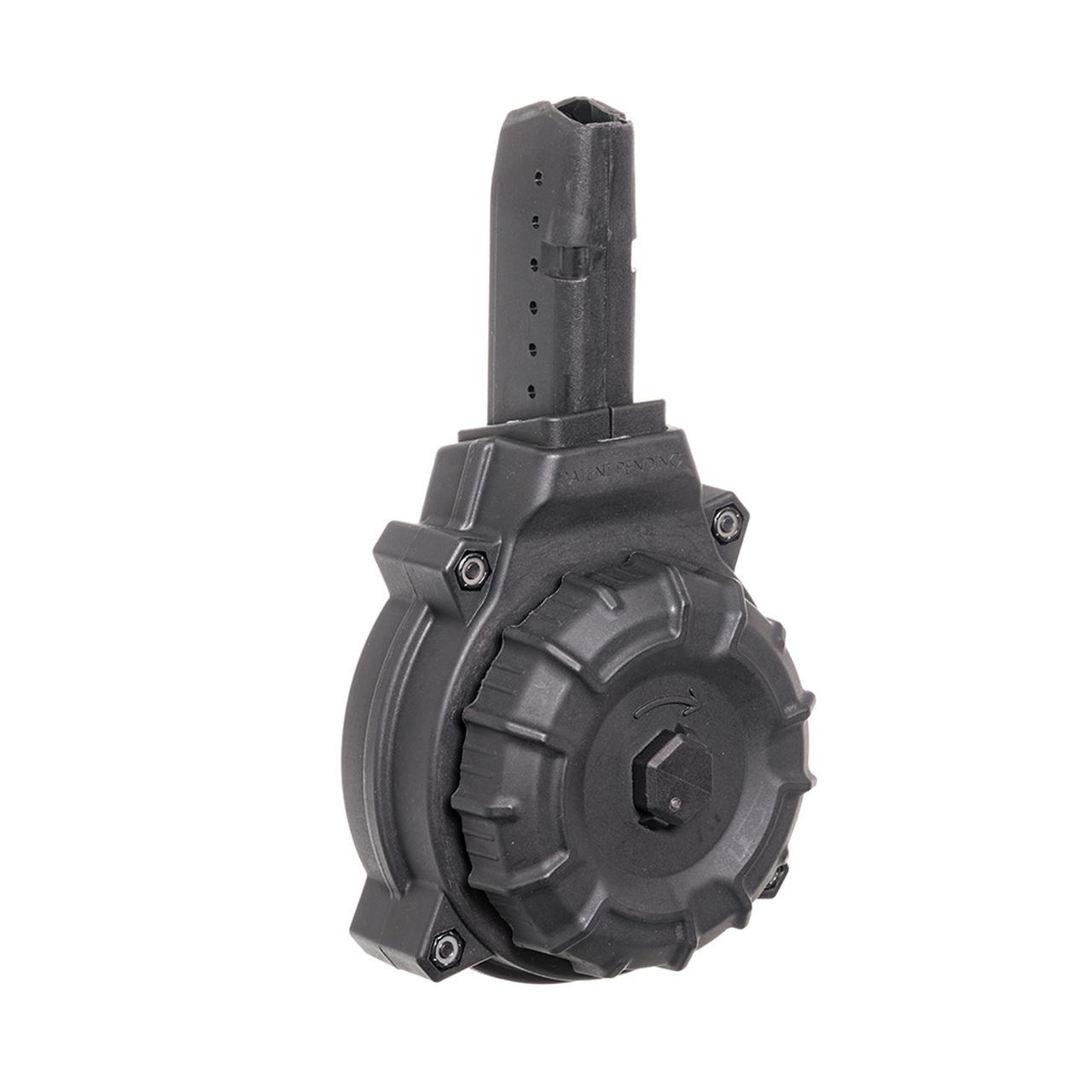
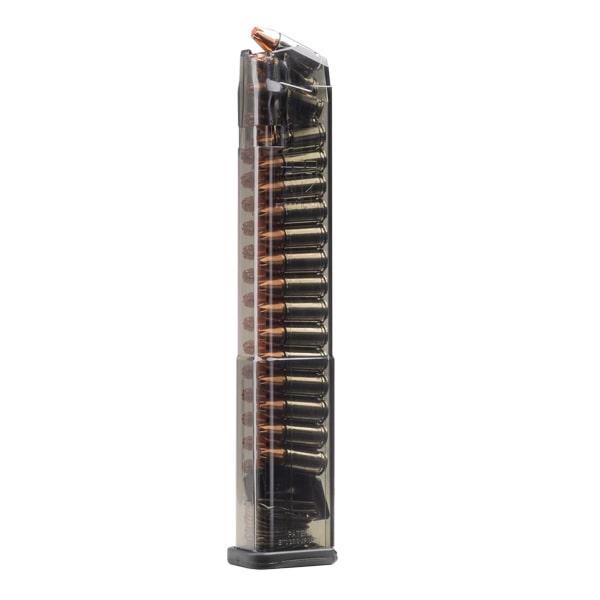
- Magazine: Glock pattern, ships with a 33 round stick
- Weight: 6.3 pounds
- Length: 27 to 29.5 inches
- Finish: Cerakote in Armor Black, Coyote Tan, FS Green, Midnight Bronze, or Tungsten
- MSRP: $2,324.95
Handguard Clearance Is the Detail Buyers Miss
A 1.72 inch inner diameter clears the large majority of 9mm and 5.56 suppressors on the market, but inner diameter is measured to bare tube. Every M-LOK nut, screw head, and clamp you install in the forward slots eats into that number. A light mount or bipod adapter with a deep backing nut can contact a hot can, and heat transfer into a polymer accessory is a real failure mode after a few hundred rounds. The workable habit is simple. Mount lights, sling points, and hand stops in the rear third of the rail, keep the forward third clear, and verify clearance with the can cold before you ever fire the gun. The three silicone SD style handguard covers included in the box snap into the M-LOK slots and give your support hand something to grab when the tube behind the rail is radiating heat.
Where This Gun Fits
At 6.3 pounds with a 33 round magazine, this is a short, quiet, low recoil platform. That profile fits three real jobs. First, home defense inside a structure where 9mm penetration behavior is more predictable than buckshot or 5.56 and where firing without ear protection is a genuine possibility. Second, high volume training, since Glock magazine feed and 9mm ammunition cost keep round count affordable compared to rifle practice. Third, suppressed pest and depredation work at short range, where subsonic 147 grain loads and a tucked can keep the report from clearing an entire field.
It is not a distance gun. Even with the best 147 grain loads, 9mm from a 6.5 inch barrel is a short and mid range proposition. If you want a suppressed host that reaches, that conversation belongs to a 300 Blackout or 5.56 build, and the tradeoffs there are different in every direction.
Ownership, Transfer, and Long Term Care
Because the suppressor is a serialized item, this is a two part purchase in one box. Federal transfer of the can requires a $200 tax stamp and an approved application before it goes home with you, and the host pistol transfers on its own timeline. Plan for that gap. It also means the suppressor stays with the registered owner, so lending the whole gun to a friend at the range works differently than lending a standard pistol. Check what your state permits before you build a plan around it. Our suppressor buyer’s guide walks through mount types, materials, and what to verify before you commit to a can. For general federal process reference, the ATF National Firearms Act page is the primary record.
Maintenance on a suppressed 9mm is dirtier than most owners expect. A sealed 9mm can traps lead and carbon, and a delayed blowback action still pushes fouling into the receiver. Practical intervals look like a bolt and carrier wipe down every 300 to 500 rounds, a bore cleaning at the same point, and attention to the barrel shoulder and thread interface any time the suppressor comes off. Nitride barrels and Cerakote receivers resist corrosion well, and the weak points are still the same as always: thread crud, dry lugs, and magazine feed lips after heavy use.
Storage and transport deserve a plan too. A 27 to 29.5 inch pistol with a tucked can does not fit a standard handgun case, so budget for a 32 inch or longer padded case that supports the muzzle end and keeps the can from bearing weight on the threads. If you are building out a range kit around this platform, our range and match loadout guide covers case, magazine, and ammunition planning.
A Short Checklist Before You Buy
- Do you already own a 1/2×28 9mm suppressor? If so, a non suppressed host may cost less overall.
- Will you shoot mostly 147 grain subsonic? If not, you are paying for suppression you will partly cancel with supersonic crack.
- Does your state allow suppressor ownership and does it allow a braced pistol in this configuration?
- Can you live with 6.3 pounds carried, plus optic, light, and a loaded 33 round magazine?
- Do you have secure storage for a serialized suppressor that stays attached to the host?
What to Decide Next
Decide first whether you are buying a suppressed system or a pistol that can accept one. If you want a single serial number stack, one warranty conversation, and a barrel, action, and can that were designed as a set, a factory suppressed configuration is worth the premium over assembling parts. If you already have a can you like and a host that runs, your money goes further elsewhere. Either way, sort out ammunition selection and optic mounting before the transfer clears, and browse 9mm pistol caliber carbine gear or the broader BLVista store to build the support kit while you wait.
FAQ
Sound level depends far more on ammunition than barrel length. With 147 grain subsonic loads staying under roughly 1,125 feet per second, a quality 9mm can reduces the report substantially. Supersonic 115 and 124 grain ammunition still produces a downrange crack no suppressor eliminates.
Yes. The suppressor is its own serialized NFA item requiring an approved transfer and a $200 tax stamp, even when it arrives attached to a host firearm. The pistol transfers separately through the normal process.
The MkGs lower is Glock pattern and ships with a 33 round magazine. Standard 15, 17, 19, and 33 round Glock 9mm magazines are the usual options, subject to state capacity limits.
The barrel is threaded 1/2x28, the most widely supported 9mm pitch, so alternate suppressors and muzzle devices fit. Clean the barrel shoulder and threads before reinstalling anything.
It suits shooters who want low recoil, 33 round capacity, and a report that will not permanently damage hearing indoors. The tradeoffs are 6.3 pounds of weight and a 27 inch minimum length in tight spaces.
Accessories with deep M-LOK backing nuts in the forward slots can contact a hot suppressor inside the 1.72 inch inner diameter. Keep lights and mounts toward the rear of the 11 inch rail and confirm clearance while the can is cold.
Was this useful?