
Brief
Handgun or Bear Spray in Bear Country
How to choose between a bear defense handgun and bear spray, including hardcast ammo specs, 10mm and .44 Magnum options, spray ratings, carry rigs, and...
Shop this at BLVista
The argument over sidearms versus bear spray usually collapses into tribalism long before anyone talks about equipment. That is a shame, because the practical question is narrow and answerable. In documented encounters, both tools stop bears at high rates. Neither works if it is buried in a pack, neither works if the user has never trained with it under stress, and neither compensates for walking into a berry patch at dusk with wind at your back.
What follows is a selection and carry framework built around the way people actually move through bear country: fishing a river bottom, packing out an elk quarter, hunting timber at first light, or hiking a trail with kids and a dog.
Why the debate is framed wrong
The common claim is that spray outperforms firearms. The cleaner reading of encounter records is that both perform well, and that failures cluster around user factors instead of tool factors. Deployment time, accessibility, wind, target discrimination, and the shooter’s ability to place hits on a low, fast, closing animal drive outcomes more than caliber does.
Charge distances are short. Encounters commonly begin inside 30 yards and resolve inside 15 feet. A brown bear can cover 30 feet in roughly one second. That timeline eliminates any option that requires unzipping a pack lid, removing gloves, or fumbling a retention strap you have never practiced with.
Bear spray specifications that actually matter
Bear spray is a regulated pesticide in the United States, and the registration standards are the only meaningful spec sheet. Look for a canister that states:
- 1.0 to 2.0 percent major capsaicinoids, the active concentration range approved for bear deterrent use. Personal defense pepper spray is a different formulation and is not a substitute.
- Net weight of 7.9 ounces or greater, which supports the required volume.
- Minimum spray distance of 25 feet in a cloud pattern, not a stream.
- Minimum 6 seconds of continuous discharge, which allows for a second and third burst.
- A printed expiration date. Propellant pressure bleeds off over time, and a canister three years past date may throw a short, weak cloud.
Cold matters. Canisters stored overnight at low temperatures lose pressure and range. Sleep with it in the tent, carry it inside a jacket layer in winter conditions, and never leave it on a truck dash in summer where heat can compromise the seal.
Handgun selection for bear country
Penetration on heavy bone and dense muscle is the priority, not expansion. That points toward heavy-for-caliber hardcast lead or bonded solids with wide meplats. Common field-proven combinations include:
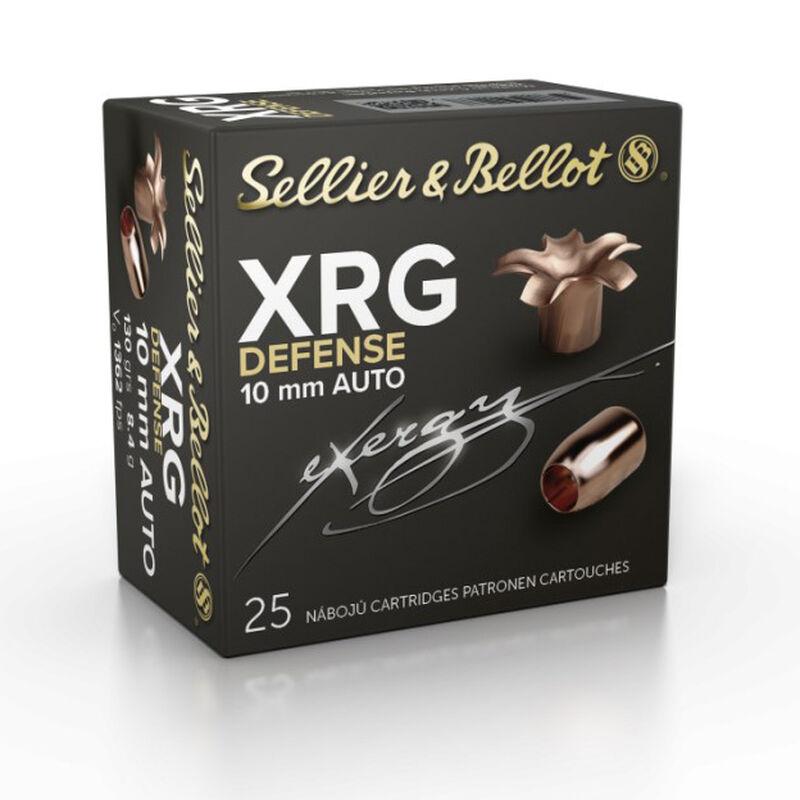
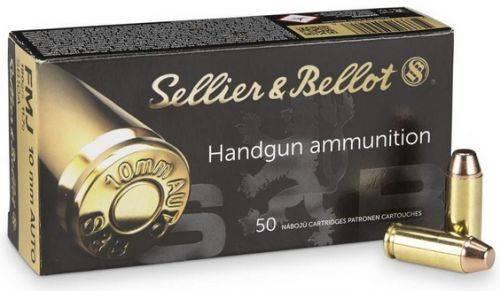
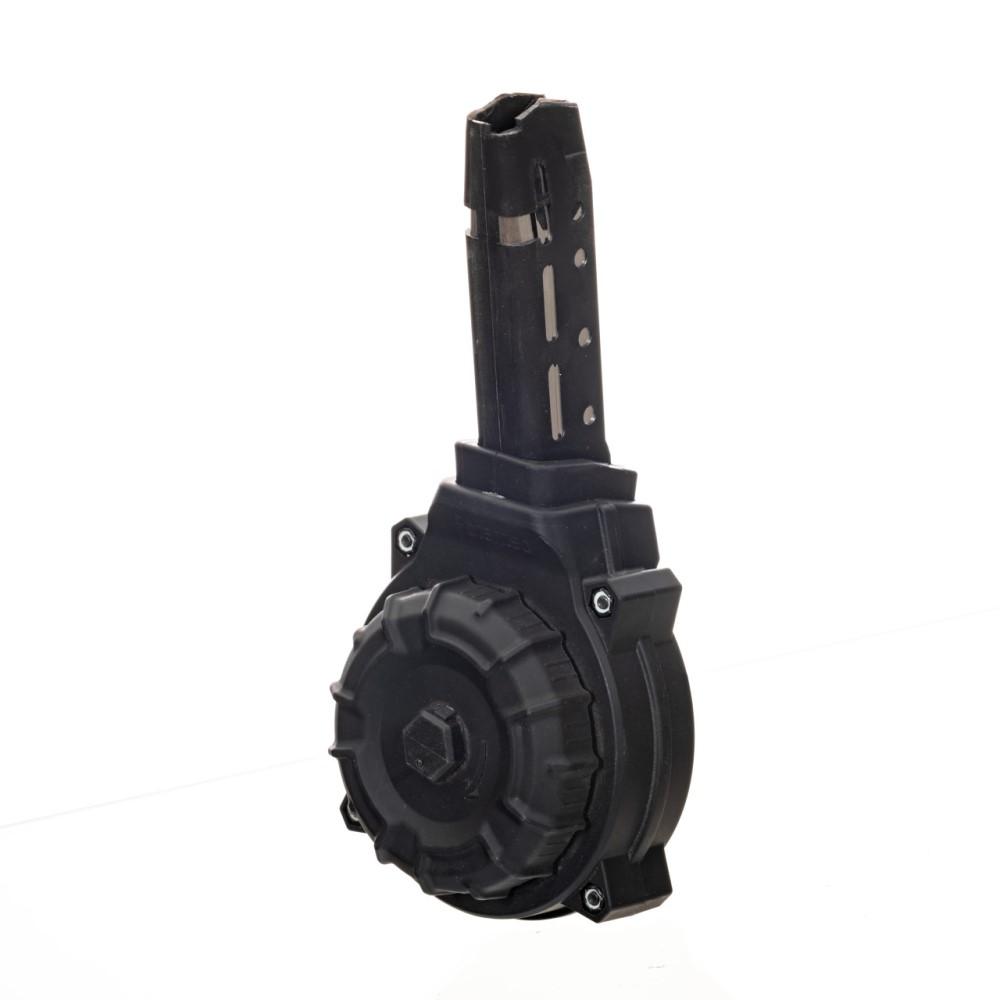
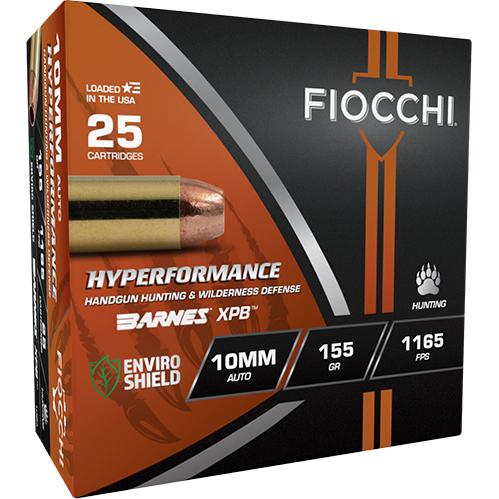
- 10mm Auto with a 200 to 220 grain hardcast at roughly 1,200 fps. A full-size polymer 10mm with a 4.6 inch barrel and 15+1 capacity gives you volume of fire and manageable recoil, which is the strongest argument for the cartridge.
- .44 Magnum with 300 to 320 grain hardcast at roughly 1,150 to 1,300 fps from a 4 to 6 inch barrel. Deep penetration, six rounds, slow reloads.
- .454 Casull or .460 S&W for those who genuinely shoot them well. Recoil in a 2.5 to 3 inch snub revolver weighing under 45 ounces is punishing and degrades follow-up shots.
- .357 Magnum with 180 grain hardcast remains a legitimate compromise where weight and shootability outweigh raw penetration, particularly in black bear country.
Weight drives whether the gun comes along. A lightweight scandium .44 at around 26 ounces is easy to carry and hard to shoot fast. A steel 10mm at 39 ounces is the opposite. Pick the side of that tradeoff that matches how much you will actually practice. If you are comparing platforms, our 10mm pistol selection and .44 Magnum revolvers are a reasonable starting point for narrowing choices.
Carry method is the deciding variable
A chest rig solves most bear country carry problems. It clears a pack waist belt, stays out of the way when kneeling to gut an animal, keeps the gun above water in a river crossing, and presents the grip where both hands can reach it. Belt carry under a loaded pack belt is functionally locked. Drop leg holsters snag brush.
The same logic applies to spray. It belongs in a dedicated hip or chest holster with a hood that opens with one motion. A canister lashed to a pack strap with a carabiner is decoration.
A useful mental checklist before any trip into bear habitat:
- Can I get either tool into action in under two seconds, wearing the gloves and layers I will actually have on?
- Have I fired at least 50 rounds of my chosen hardcast load through this gun to confirm function and point of impact?
- Is my spray within date and stored above freezing?
- Do I know where the safety, hood, or trigger guard is by feel alone?
- Is the sidearm legal where I am going, including any national park, wildlife refuge, or provincial restrictions along the route?
Compliance, storage, and transport
Bear spray is prohibited in checked and carry-on airline baggage, so fly-in hunters plan on buying locally at the destination. Firearm transport across state lines and into Canada or Alaska involves separate rules, and Canada broadly does not permit handguns for wildlife protection by non-residents. Sidearm rules also differ by land manager, so confirm before you set foot on the trail. Readers building out a broader carry plan may find our concealed carry readiness guide useful for holster fit and daily practice structure, and the rest of the catalog is at the BLVista store.
Maintenance is not optional in this environment. Salt spray, glacial silt, and constant rain will pit finishes and gum actions. Stainless or nitride surfaces, a light film of quality lubricant, and a wipe-down each evening go a long way. Hardcast lead in a leather holster during a wet week will corrode brass; rotate the loaded rounds after long trips.
How to decide before your next trip
Carry both if you can. Spray is the first response in ambiguous encounters, bluff charges, and situations where you do not want to kill an animal or risk a bullet passing beyond the target. A heavy hardcast sidearm is the answer for a committed, contact-range attack, especially in dense cover or when wind makes an aerosol cloud unreliable. Choose the gun you can shoot fast and accurately at 10 feet, mount it on your chest, buy in-date spray with the printed 25 foot and 6 second ratings, and practice drawing both until the motion is automatic. That combination beats any argument about caliber.
FAQ
Yes, with the right ammunition. A 200 to 220 grain hardcast load at roughly 1,200 fps penetrates heavy bone, and a 15+1 capacity pistol allows repeat hits during a charge. Standard defensive hollow points are the wrong choice for bear defense.
Encounter records show high success rates for both. Access time, training, and wind conditions decide outcomes. Many backcountry travelers carry spray as the primary tool with a hardcast-loaded sidearm as backup.
Look for 1.0 to 2.0 percent major capsaicinoids, at least 7.9 ounces net weight, a minimum 25 foot cloud pattern spray range, at least 6 seconds of discharge, and a valid expiration date.
A chest holster. It clears a pack waist belt, keeps the grip accessible with either hand, protects the gun during water crossings, and stays clear while field dressing game.
No. Bear spray is prohibited in both carry-on and checked airline baggage. Purchase it at your destination.
With a 180 grain hardcast load it is workable, especially in black bear country, and it is much easier to shoot quickly than a .454 Casull snub revolver.
Was this useful?