
Brief
JK Armament CCX Micro 9mm Suppressor: Modular, Ultra-Light, and Built for Real Pistol Use
Practical look at the JK Armament CCX micro 9mm pistol suppressor: modular length, factory sight clearance, booster considerations, wet use, durability,...
Shop this at BLVista
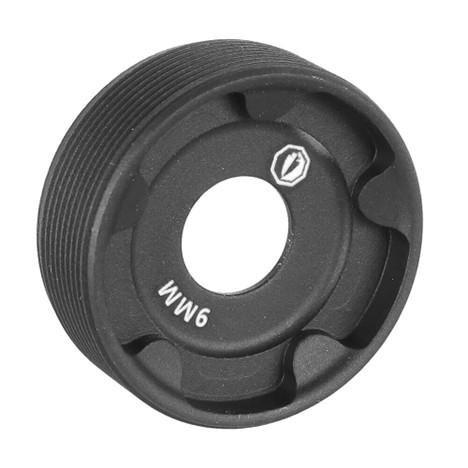
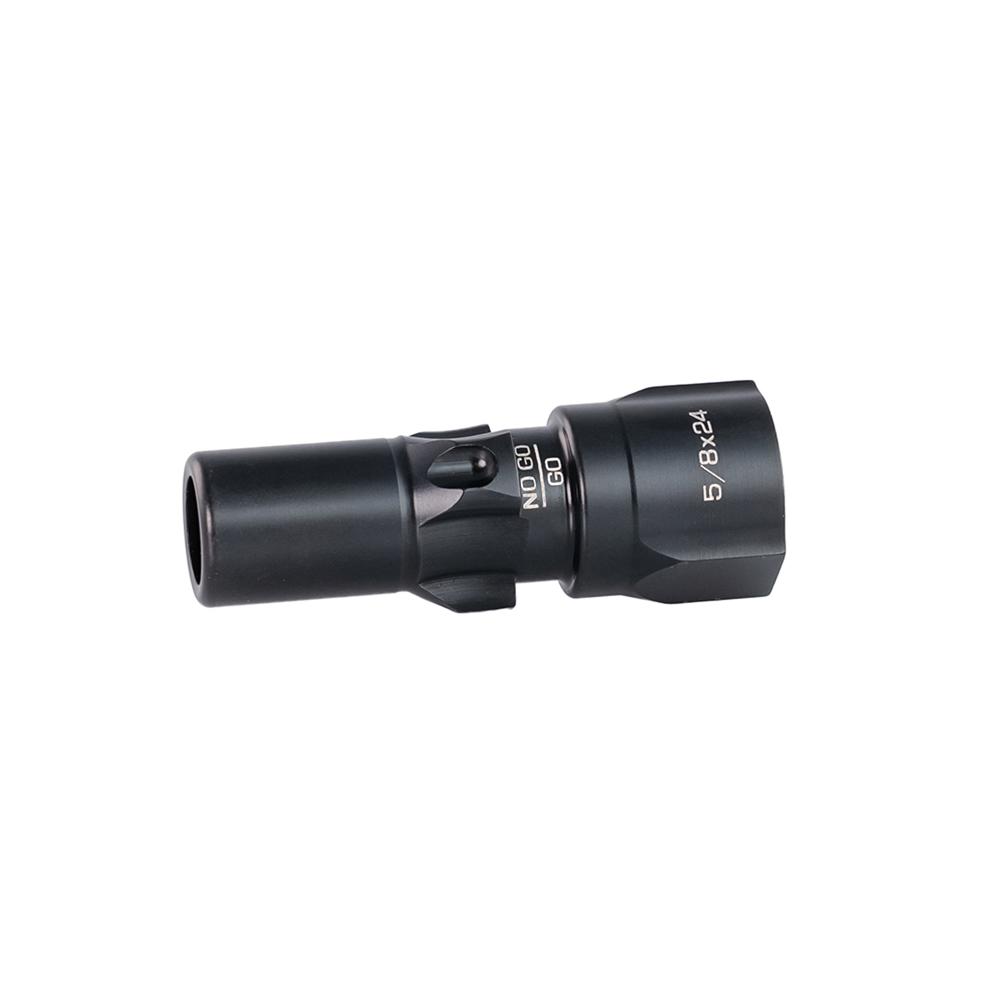
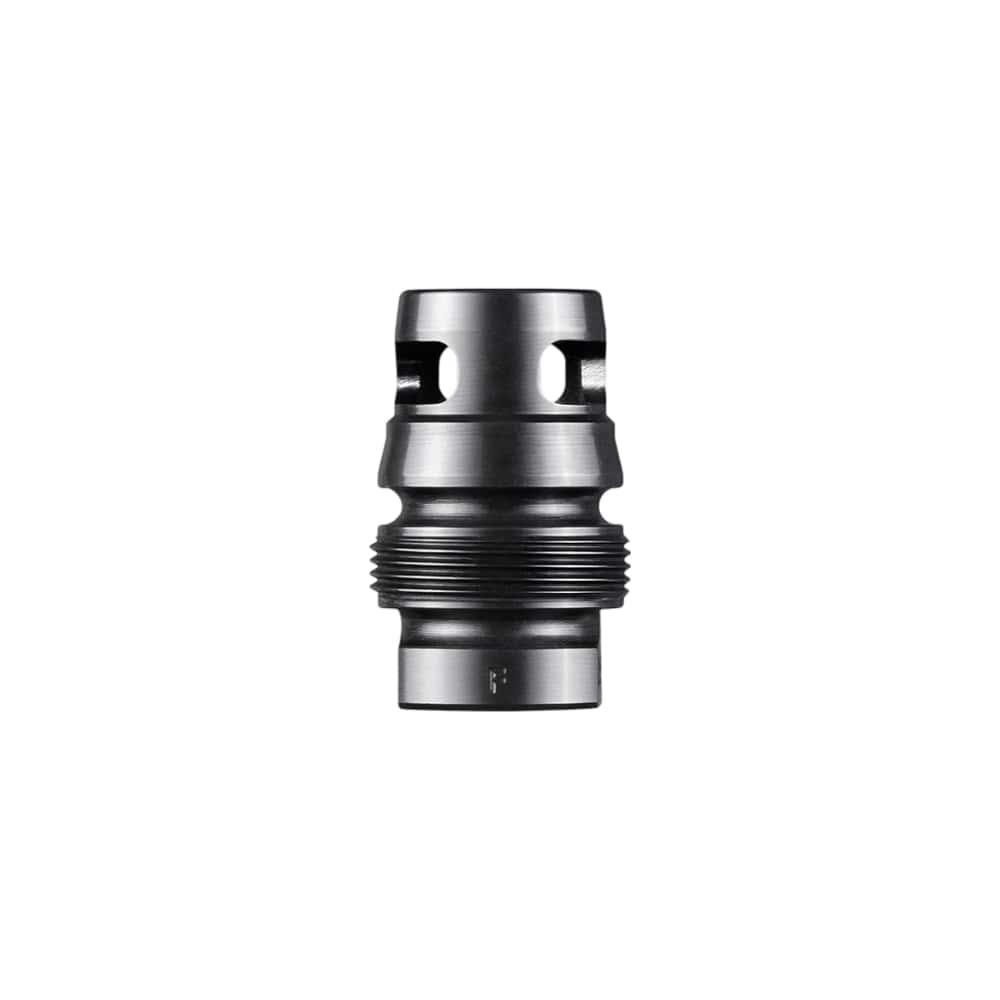
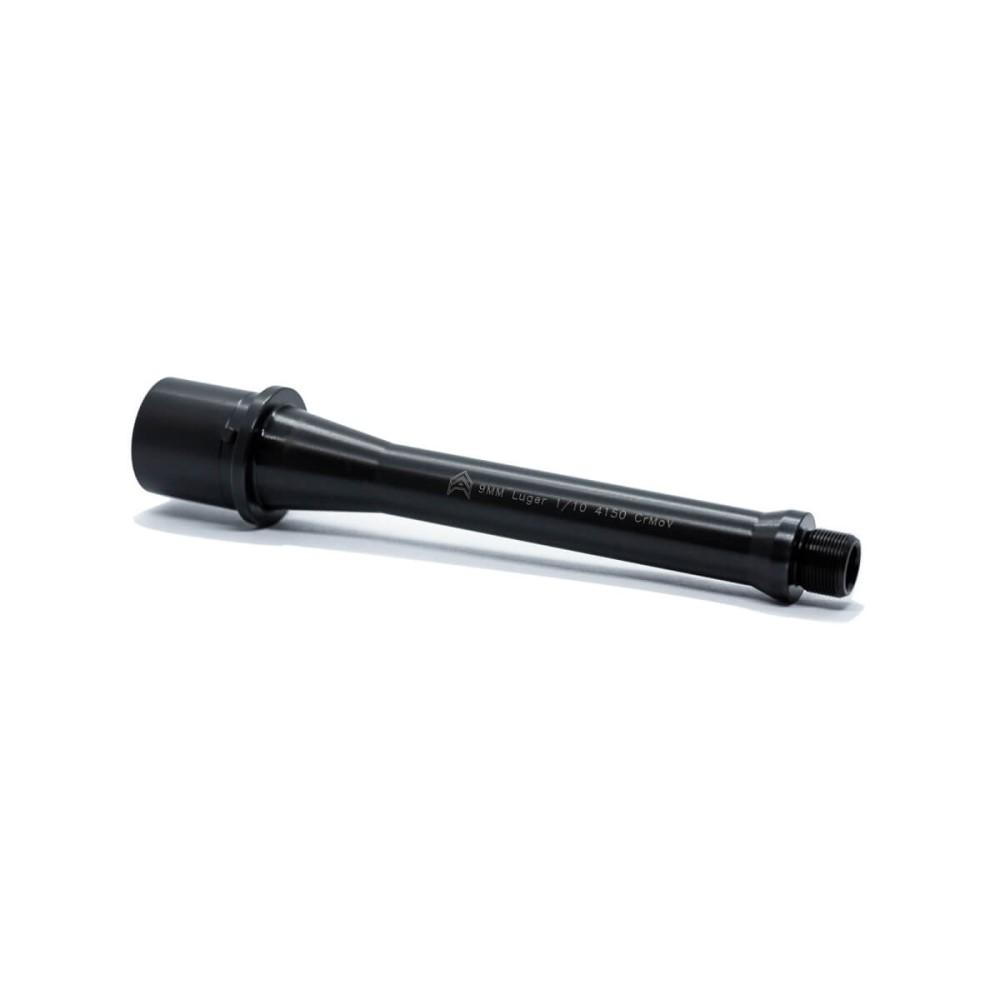
Pistol suppressors have a reputation for being fun at the range and finicky everywhere else. Added weight up front, sight clearance issues, cycling problems, and the extra maintenance that comes with running “wet” all stack the deck against practical use. The JK Armament CCX aims at those real-world friction points with a simple premise: keep it small, keep it light, and let the shooter decide how much suppressor they actually need on a given day.
JK Armament CCX specs that matter in use
- Caliber: 9mm
- Material: Aluminum
- Construction: Stackable, modular components
- Mount: 1/2×28 direct thread
- Dimensions: 1.9 to 4.6 inches long, 1.05 inch diameter
- Weight: 1.2 to 2.5 ounces (configuration dependent)
- Made in: USA
- MSRP: $445
Those numbers translate into three practical advantages: modular length tuning, a diameter that often clears factory-height irons, and a weight range that can keep some pistols cycling without a Nielsen device (booster). Each of those comes with tradeoffs you should think through before you buy.
Why modular length is more than a gimmick
The CCX uses stackable components: direct-thread mount, tube, tube extension, baffle, and a flash-reducing end cap. That design gives you control over overall length and weight. For shooters who actually train with their gear, this matters for two reasons.
- Training realism: Short configurations reduce the amount of leverage the can has on your wrist and your grip. That keeps your drawstroke and recoil management closer to your unsuppressed baseline, especially in faster strings.
- Purpose-driven setup: A short setup can make sense for transport and storage, or for a dedicated “pistol stays compact” role. A longer setup may be worth it when your priority is maximum suppression on subsonic ammo during range work.
A helpful decision framework: decide your “default” configuration first, then treat everything else as a special purpose setup. Most owners end up running one configuration 90 percent of the time because consistency supports training.
Ultra-light weight and the booster question
On many browning-tilt, short-recoil pistols, a suppressor adds enough mass that you need a booster to keep the gun reliable. The CCX’s stated 1.2 to 2.5 ounce weight range is exceptionally light, and that is the point. Less reciprocating disruption means a better chance of reliable cycling without additional moving parts.
Practical reality: “No booster required” depends on the pistol, the recoil spring rate, the ammo, and how aggressively you grip the gun. If you are buying for any serious role, you should validate reliability the same way you would validate a carry optic or defensive ammo.
- Test with your intended ammo, including your chosen defensive load if you plan to carry it (where legal).
- Run drills that include one-handed strings, imperfect grip, and fast cadence.
- Confirm function when the can is hot and fouled. Light cans can still change behavior when carbon builds up.
Sight clearance: diameter is a real cost saver
A 1.05 inch diameter is a big deal on a pistol suppressor. Many cans push shooters toward suppressor-height sights or an optic because the tube blocks the factory sight picture. If the CCX clears factory irons on your specific handgun, it can save real money and downtime: no sight install, no re-zero, and fewer holster fit issues.
Still, verify before you buy. Front sight height varies by model and generation. Also consider your lighting conditions. A partially occluded sight picture might feel acceptable indoors under bright lights and become frustrating outdoors at dusk.
Direct thread 1/2×28: compatibility and handling
1/2×28 is the common thread pitch for many 9mm pistol barrels in the US market, but “common” is not “universal.” Confirm your barrel threading and shoulder geometry. Direct thread also brings a real-world habit requirement: you need to periodically check tightness during range sessions, especially as the system heats and cools.
For owners who travel to train, think about transport and compliance. A suppressor is regulated equipment. Plan how you store it at home, how you transport it to the range, and how you control access. A small form factor makes that easier, but it does not change the responsibility.
Running the CCX wet: what it means and what to watch
JK Armament recommends running the CCX wet with a thin internal coat of petroleum jelly. “Wet” pistol suppressor use typically aims to reduce first-round pop and increase suppression by introducing an ablative medium that absorbs heat and slows expanding gases.
Wet use comes with practical considerations:
- Maintenance cadence: You will be cleaning more often. Ablatives mix with carbon and can form stubborn residue.
- Consistency: Performance changes as the medium burns off. If you are training for performance metrics, expect variability.
- Storage: If you apply petroleum jelly, avoid leaving the suppressor on the pistol for long-term storage. Oils and compounds can migrate, attract debris, and create mess in cases or holsters.
If your priority is simple ownership, consider starting dry, establishing a baseline for sound and reliability, then experimenting with wet use once you understand how your pistol behaves suppressed.
Materials and durability expectations
The CCX is aluminum. That choice supports the light weight, but it should shape your expectations. Aluminum generally asks for more discipline about cleaning methods and chemical exposure than steel or certain high-temp alloys. Avoid aggressive scraping tools and harsh chemicals that can attack finishes or base metal. Follow the manufacturer’s guidance on cleaning and torque.
Also match the suppressor to the job. Aluminum pistol cans can be excellent for typical handgun volumes, but high round-count classes, rapid strings, and sustained heat cycles punish any small can. Let it cool. Treat it like a part that lives in a heat and carbon environment.
Is the CCX a realistic concealed carry suppressor?
The CCX’s size and weight push it closer to the “practical” end of the suppressed pistol spectrum, including concealed carry setups where lawful. The two real constraints are legal compliance and carry ergonomics.
- Legal: Suppressor possession, use, and carry vary by jurisdiction. Know your state and local rules. If you cross state lines, confirm compliance before transport.
- Ergonomics: Even a micro can changes how the pistol indexes on the draw and how it fits common holsters. Many holsters will not accommodate a muzzle device, period. If you pursue this, plan around a dedicated setup.
Price context: what $445 really buys
An MSRP of $445 places the CCX in an accessible range for a lot of shooters, but your real cost of ownership includes more than the can. Plan for:
- Tax stamp and any local transfer fees
- Threaded barrel if you do not already have one
- Ammo selection, including subsonic options for better suppression
- Cleaning tools and a storage plan that controls access
Buyer checklist: decide if the CCX fits your use
- Host pistol: Model, threaded barrel quality, and known suppressed reliability.
- Sights: Confirm factory sight picture clearance in the configuration you plan to run.
- Reliability plan: Test schedule and ammo types, including your preferred defensive load if applicable.
- Maintenance: Comfort level with wet use and increased cleaning.
- Role: Range training, travel-friendly setup, or a lawful carry-oriented configuration.
The CCX stands out because it targets the practical obstacles that keep many pistol suppressors in the “range toy” category. If your priorities are compact size, minimal added weight, and a setup that keeps your pistol handling familiar, it is worth a close look with your specific host in mind.
FAQ
The JK Armament CCX is a modular micro suppressor designed for 9mm pistols. It uses stackable components so you can configure length and weight based on your needs.
It will only mount to pistols with a compatible threaded barrel. The listed mount is 1/2×28 direct thread, so confirm your barrel thread pitch and shoulder before buying.
Some pistols may cycle reliably without a booster because the CCX is extremely light, but reliability depends on the host pistol, recoil spring rate, ammo, and grip. Validate function with your intended ammo during real training drills before relying on it.
The CCX’s 1.05 inch diameter is intended to clear factory-height iron sights on many pistols. Sight clearance varies by handgun model and sight height, so check your specific setup before assuming you will have an unobstructed sight picture.
Running a suppressor wet means applying a small amount of an ablative medium inside the suppressor to improve suppression and reduce first-round pop. JK Armament recommends a thin internal coat of petroleum jelly for the CCX. Wet use typically increases cleaning frequency and changes performance as the medium burns off.
Aluminum suppressors can be reliable for typical pistol use, but sustained rapid fire and high heat cycles increase wear. Follow manufacturer cleaning guidance, avoid harsh chemicals, and allow cooling during extended range sessions to support long-term service life.
Legality varies by state and local jurisdiction. Suppressors are regulated items, and carry rules differ from possession rules. Confirm local laws and transport requirements before attempting any concealed carry setup with a suppressor.
Beyond the suppressor price, plan for the tax stamp, transfer fees, a threaded barrel if needed, extra ammo for reliability testing, cleaning supplies, and secure storage for compliance and safety.
Was this useful?