
Brief
Home-Built AR-15 Lowers and the Specs That Decide Quality
A specification-driven look at home AR-15 builds: 7075-T6 receivers, 0.154 pin sizes, castle nut torque, twist rates, thread pitch, and headspace gauges.
Shop this at BLVista
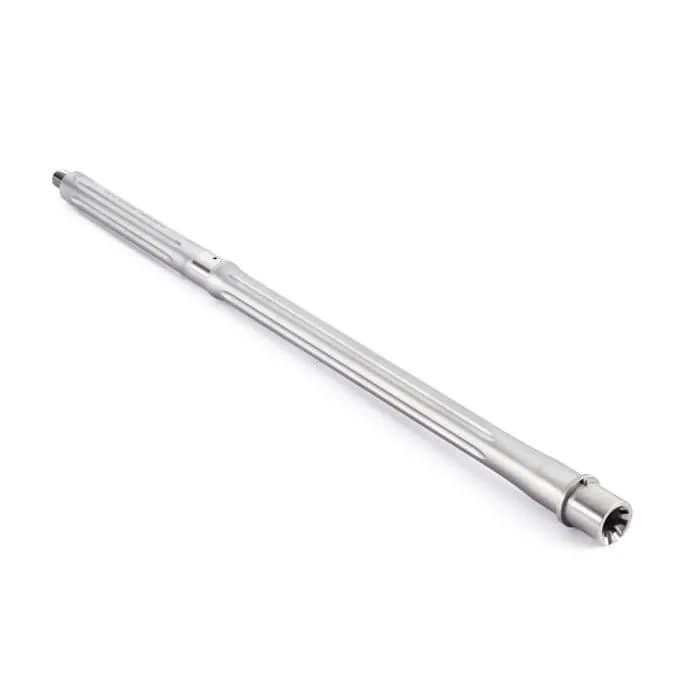
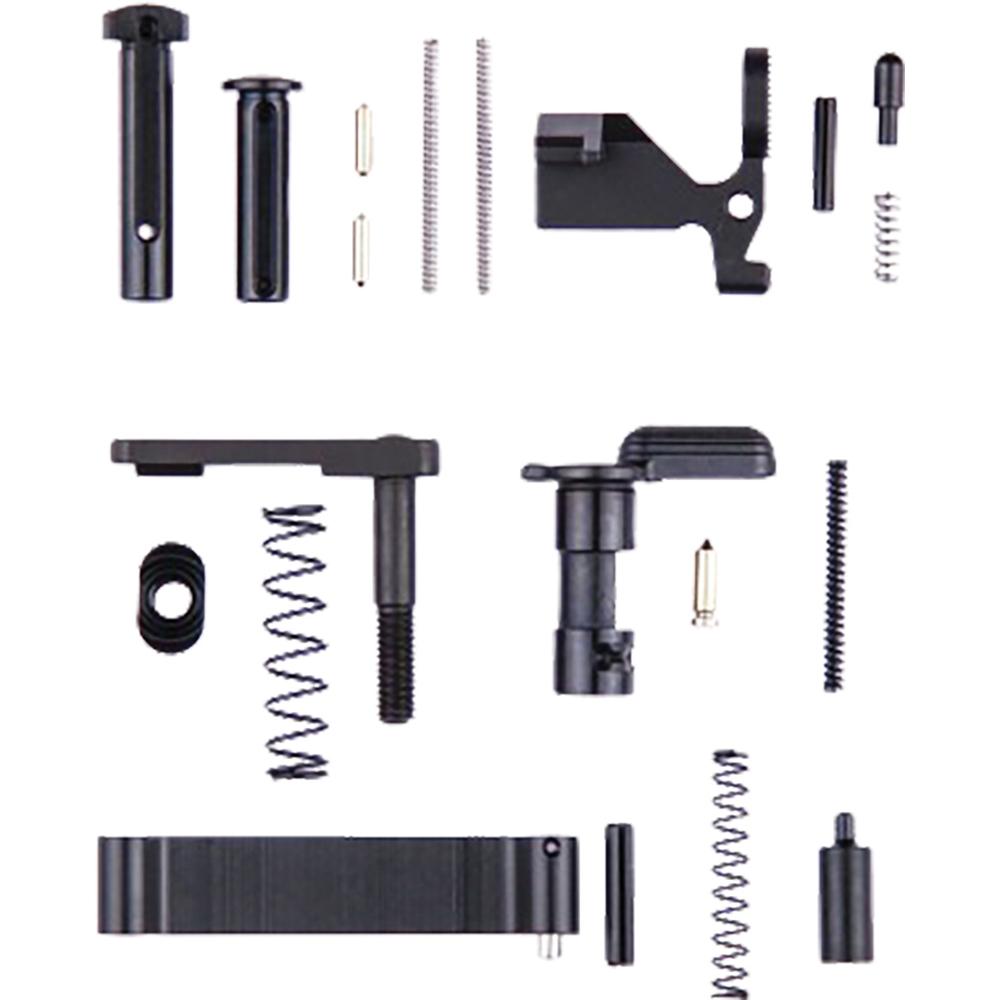
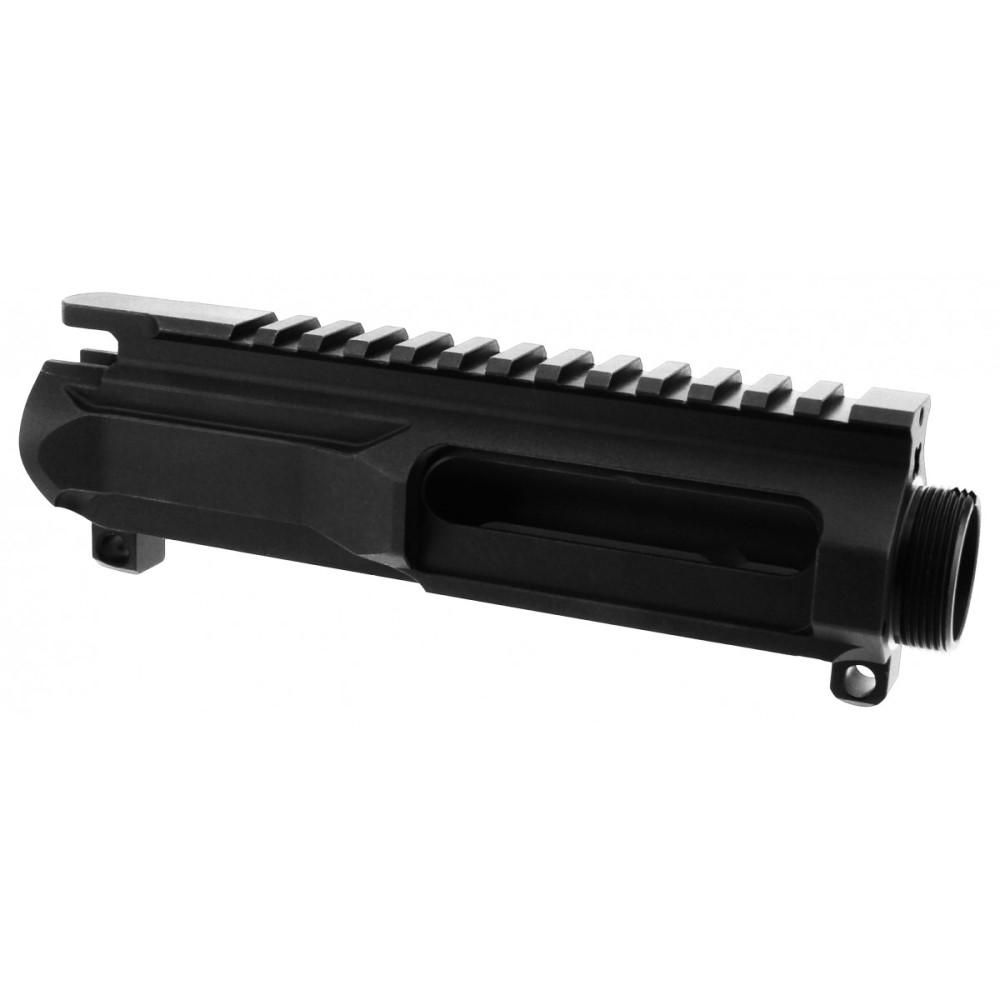
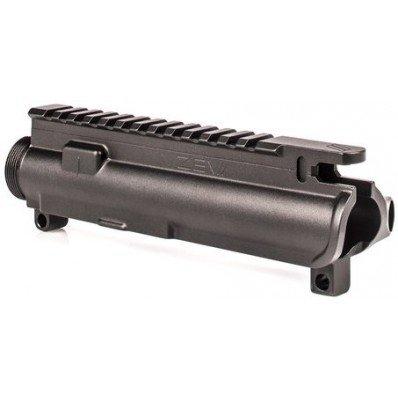
Home firearm building sits in an odd space. It is one of the oldest American traditions in the trade, and it is also one of the easiest places for a first-time builder to spend money on parts that do not fit together or do not hold up past a few hundred rounds. Legal treatment of unserialized and self-manufactured firearms continues to shift by state, so verify your own jurisdiction before buying anything. Beyond that, this is an equipment problem, and equipment problems are solved with specifications, tooling, and torque values.
Start With the Receiver Material, Not the Price
The overwhelming majority of AR-pattern lowers fall into three material categories, and they age very differently.
- 7075-T6 forged aluminum: the mil-spec standard. Tensile strength in the neighborhood of 83,000 psi. Handles buffer tube threading, takedown pin stress, and magazine well impacts better than anything else in the class. Stripped weight typically 8 to 9 ounces.
- 6061-T6 billet aluminum: machined from bar stock, roughly 45,000 psi tensile. Attractive geometry, often heavier at 9 to 12 ounces, and slightly softer around threaded features. Fine for range use, less forgiving of repeated buffer tube removal.
- Polymer and reinforced composite: lightest at 4 to 6 ounces, lowest cost, and most prone to flex at the buffer tower and rear takedown lug. Acceptable for a light-use build, questionable for a duty-style rifle.
For a rifle you intend to shoot past 3,000 rounds, 7075-T6 forged is the default answer and rarely the wrong one.
Fitment Details That Cause Most Build Failures
Compatibility issues, not craftsmanship, kill most first builds. Check these before ordering:
- Trigger pin diameter: mil-spec is 0.154 inch. Some older and some AR-10 pattern receivers use 0.169 inch large pins. A 0.154 trigger in a large-pin receiver will not hold alignment.
- Buffer tube diameter: mil-spec receiver extensions measure 1.148 inch at the stock surface, commercial tubes measure 1.170 inch. Stocks are not cross-compatible.
- Buffer weight matching: carbine 3.0 oz, H 3.8 oz, H2 about 4.6 oz, H3 about 5.4 oz, rifle 5.2 oz. A 16-inch carbine-gas 5.56 build with a heavy gas port often runs cleanest on H or H2.
- Thread pitch at the muzzle: 1/2×28 for 5.56 and 9mm barrels, 5/8×24 for .308 and 6.5 Creedmoor. Getting this wrong wastes a muzzle device and complicates any future suppressor plan. Our suppressor buyer’s guide covers host thread and barrel requirements in detail.
- AR-10 pattern is not standardized. DPMS and Armalite receiver patterns differ in barrel extension, handguard mounting, and magazine fitment. Match the upper and lower to one pattern.
Torque Values You Should Not Guess At
Assembly is straightforward if you respect the numbers. Castle nut torque runs 38 to 42 ft-lbs, then stake it in at least two positions. Barrel nut torque is 30 to 80 ft-lbs, tightened in cycles until a gas tube alignment hole lines up. Muzzle devices land around 15 to 20 ft-lbs with the appropriate crush washer or timing shim. Gas block set screws typically take 25 to 35 in-lbs with thread locker rated for moderate heat.
If you are assembling a complete upper rather than buying one headspaced, use GO and NO-GO gauges on the barrel extension and bolt. A 5.56 NATO chamber checked with a 5.56 gauge set is the correct pairing, and a bolt that closes on NO-GO is a bolt you set aside.
Barrel Choices Drive Everything Downstream
Barrel length and twist rate determine what ammunition the rifle actually likes. A 16-inch 5.56 barrel pushes 55gr M193 at roughly 3,000 to 3,050 fps, compared with about 3,240 fps from a 20-inch. A 1:7 twist stabilizes heavier 62gr to 77gr projectiles and is the practical choice for a general-purpose build. A 1:9 twist favors 45gr to 62gr and struggles with the heaviest match loads. For a 10.5-inch pistol-length build, expect 55gr velocities closer to 2,700 fps and noticeably more muzzle blast, which changes your suppressor and brake decisions.
Chamber marking matters too. A barrel marked .223 Remington should not be fed 5.56 NATO pressure loads. A .223 Wylde chamber accepts both and generally shoots match ammunition tighter than a standard 5.56 chamber.
Tooling Budget and What You Actually Need
A functional home build bench is smaller than most people assume. A reaction rod or barrel vise block, a 1/2-inch drive torque wrench covering 20 to 100 ft-lbs, an inch-pound wrench for optics and gas blocks, a proper armorer’s wrench, roll pin punches, and a bench block will handle nearly every AR assembly. Optic mounting torque is typically 15 to 18 in-lbs on ring screws and 30 to 40 in-lbs on cross-bolt clamps. Check your armorer’s tools and torque wrenches before you start, because improvised tools are where receivers get marred.
Ownership, Storage, and Transport
A self-built rifle carries the same storage responsibilities as any other. Keep the completed firearm in a locking container when it is not under direct control, and store the lower separately from the upper if you want an additional layer during transport. Record your build components, torque values, and round count in a simple log. When a gas block walks or an extractor spring softens at 5,000 rounds, that log turns a diagnostic afternoon into a ten-minute fix.
Corrosion control deserves attention as well. Nitrided barrels resist rust better than plain chrome-moly, and a phosphate bolt carrier group needs a light oil film after humid range days. If the rifle rides in a truck through hunting season, wipe it down weekly rather than seasonally.
A Short Decision Checklist Before You Buy
- Confirm your state’s rules on self-manufactured and unserialized firearms first.
- Pick the pattern and stay in it: AR-15, DPMS-pattern AR-10, or Glock-pattern pistol.
- Lock in cartridge, barrel length, twist rate, and gas system length together, not separately.
- Verify pin diameter, buffer tube spec, and muzzle thread pitch against every part on the list.
- Buy gauges and a torque wrench before buying a second upper.
If you would rather buy a finished platform and spend your money on optics and ammunition, that is a defensible choice. Start with a rifle field optics guide to decide where your budget produces the most hits, then browse the full catalog for the components that fit the build you actually described on paper.
What to Settle Before Your Next Order
Decide the cartridge, the barrel length, and the intended role first. Everything else, including receiver material, buffer weight, and thread pitch, follows from those three answers. Builders who reverse that order end up with a parts bin instead of a rifle.
FAQ
7075-T6 forged aluminum is the standard for durability, with roughly 83,000 psi tensile strength versus about 45,000 psi for 6061-T6 billet. It handles buffer tower and takedown pin stress better over thousands of rounds.
A 1:7 twist is the most versatile, stabilizing 55gr through 77gr projectiles. A 1:8 is a good middle ground. Use 1:9 only for lighter 45gr to 62gr loads.
Standard 5.56 and 9mm barrels use 1/2x28 threads. Most .308 and 6.5 Creedmoor barrels use 5/8x24. Confirm the barrel maker's published spec before ordering a muzzle device.
38 to 42 ft-lbs, then stake it in at least two locations. Under-torqued castle nuts loosen under recoil and cause stock wobble and intermittent feeding.
Yes. Use a matched GO and NO-GO gauge set for your chamber spec. A bolt that closes on NO-GO should not be fired.
Rules on self-manufactured and unserialized firearms vary by state and continue to change. Verify current state and local requirements before buying components.
Was this useful?