
Brief
Is a $399 11.5-Inch AR Pistol Worth Buying?
A spec-driven look at 11.5-inch AR pistols, red dot footprints, buffer weights, thread pitch, and ammo cost per round so you buy the right gear, not the...
Shop this at BLVista
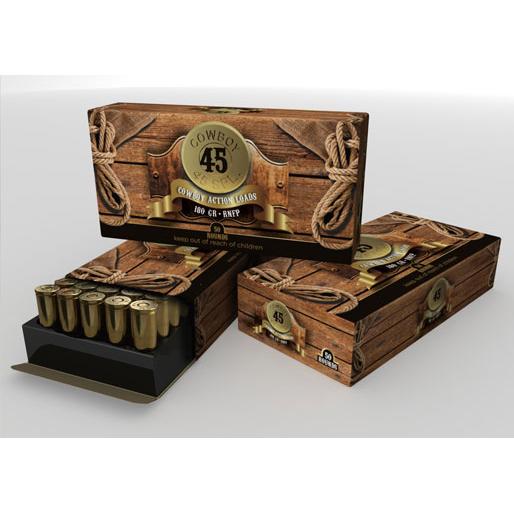
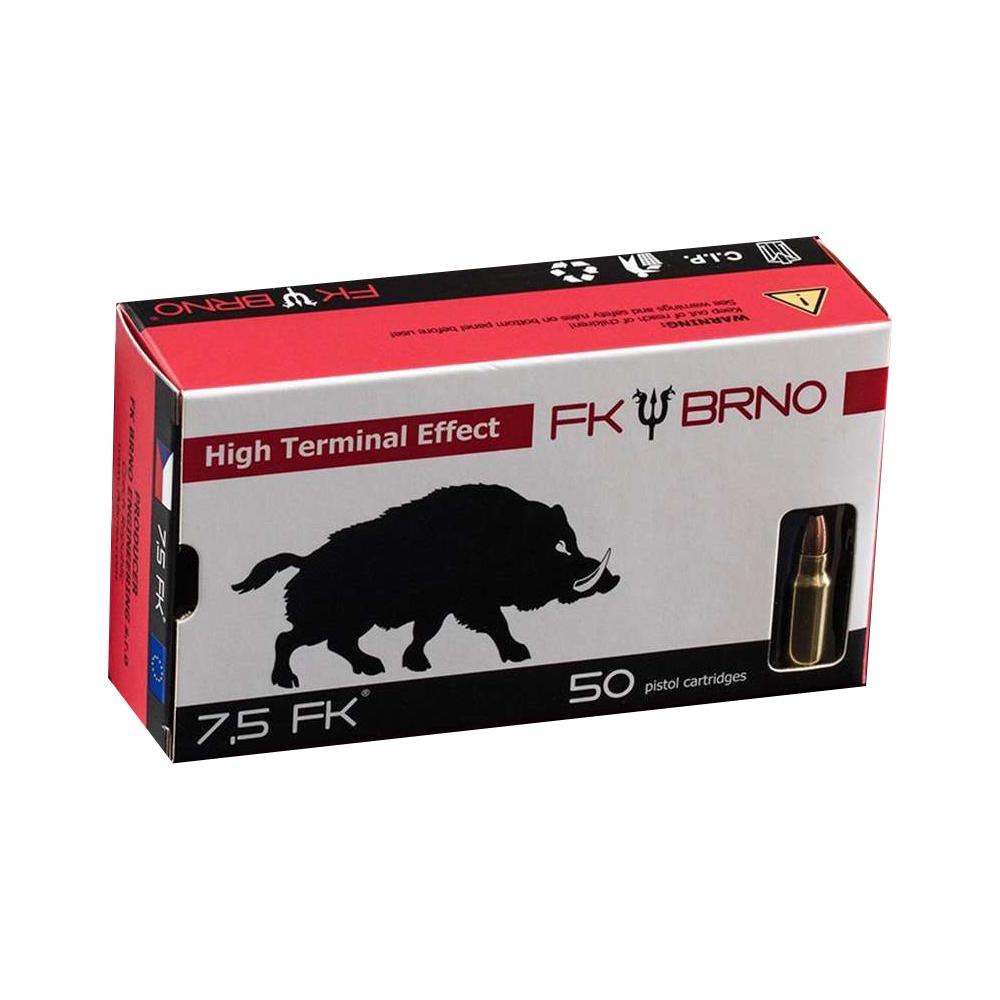
Late-summer sale cycles push a predictable set of items to the front of every shooter’s shopping list: complete 11.5-inch AR pistols near the $400 mark, micro red dots between $79 and $279, drop-in triggers at $59 to $99, braces, buffers, bulk ammunition, and trauma kits. The prices are real. What buyers usually get wrong is deciding whether the discounted item fits the way they actually shoot.
This is a spec-first look at those categories, with the tradeoffs stated plainly so you can compare candidates instead of chasing a number on a tag.
The 11.5-inch AR pistol question
An 11.5-inch 5.56 NATO barrel with a carbine-length gas system is the shortest configuration most builders consider genuinely reliable without tuning. It runs because dwell time between the gas port and the muzzle stays adequate. Drop to 10.3 inches or 8 inches and gas port sizing, buffer weight, and ammunition pressure curves all become variables you have to manage.
The ballistic cost is measurable. M193-style 55-grain 5.56 is specified around 3,165 fps from a 20-inch test barrel. You lose meaningful velocity per inch of barrel removed, and an 11.5-inch gun lands several hundred feet per second below a 16-inch carbine at the muzzle. That matters because most 5.56 fragmentation behavior falls off below roughly 2,500 fps. In practical terms, an 11.5-inch upper is a well-matched inside-150-yards tool. A 16-inch mid-length gun stretches that window and runs softer.
Checklist before buying a short 5.56:
- Twist rate. 1:7 handles 62 to 77 grain reliably. 1:9 favors 55 grain. 1:8 splits the difference and is the safest single choice.
- Gas system length. Carbine on 11.5 inches. Pistol-length gas on a barrel that long tends to overgas.
- Muzzle threads. 1/2×28 is standard for 5.56, 5/8×24 for .308 and 7.62×51. Confirm before you order a brake or a suppressor mount.
- Bolt carrier group. Look for a properly staked gas key, shot-peened and magnetic-particle-inspected 158 carpenter steel or 9310, and a chrome-lined carrier interior.
- Barrel steel and lining. 4150 CMV with a chrome-lined bore for round count. 416R stainless for accuracy over volume.
A $399 complete pistol that hits those marks is a legitimate value. One that skips gas key staking or ships an unmarked bolt is a project, not a bargain.
Buffer weight and gas control
Two inexpensive parts change how a short AR feels more than any furniture upgrade. A standard carbine buffer runs about 3.0 ounces; H1 is roughly 3.8, H2 about 4.6, and H3 about 5.4. Moving from a carbine buffer to an H2 in an overgassed short barrel reduces felt impulse and slows bolt unlock without hurting reliability, assuming your extractor spring and gas port are healthy.
An adjustable gas block sized for a .750-inch barrel journal is the other lever. It lets you tune port flow for suppressed and unsuppressed use, which is the whole point if you plan to add a can later. If suppressor ownership is on your roadmap, read through our suppressor buyer’s guide before you finalize a muzzle device, because the thread pitch and shoulder geometry you choose now determine your mounting options later.
Optics: what your dollars buy at each tier
Red dot pricing tiers correspond to real differences in emitter quality, housing strength, and battery architecture.
- $79 to $129 tube and micro dots. Typically 2 MOA emitters, multiple daylight brightness settings, and sealed housings. Fine for a range gun or a truck rifle. Battery life and dot roundness are where corners get cut.
- $200 to $300 enclosed and solar-assisted pistol dots. A 2 MOA dot inside a 32 MOA circle is the most versatile reticle for a carry pistol. Expect roughly 1.5 ounces of added weight and a documented footprint, most commonly the RMR pattern. Confirm your slide cut matches before buying, not after.
- $279 and up 1-6×24 LPVOs. A daylight-bright etched reticle with ranging and holdover subtensions gives you a usable close-range dot and 6x for identification. Add 17 to 22 ounces with a mount and plan your rail space accordingly.
Pistol dot fitment is the single most common return reason we see. Our carry red dot guide covers footprint matching, and you can compare current stock in pistol red dot sights or 1-6×24 LPVOs once you know which pattern your slide is cut for.
Ammunition: buy by cost per round, not by box price
Sale-season ammunition decisions get simpler when you convert everything to cost per round and separate practice from duty.
- 9mm practice, 115 to 124 grain FMJ: roughly $0.20 to $0.30 per round. This is volume ammo for drills.
- 9mm defensive hollow point, 124 or 147 grain: roughly $0.60 to $1.35 per round. Buy enough to verify function and zero, then rotate.
- 9mm subsonic, 147 grain: around $1.18 per round. Only relevant if you shoot suppressed.
- 5.56 55 grain M193 pattern: roughly $0.50 per round. 62 grain M855 green tip near $0.55.
- Match .223, 69 to 77 grain: $1.50 to $1.60 per round, and it needs 1:8 or 1:7 twist to stabilize.
- .22 LR 36 grain plated hollow point: $0.07 to $0.09 per round. Match-grade .22 runs $0.26 to $0.42.
- 12 gauge 00 buck: $0.44 per round in bulk, up to $2.00 for reduced-recoil defensive loads. Birdshot in #6 or #7.5 sits between $0.27 and $0.48.
- .300 BLK: $0.65 and up. Remember that 110 to 150 grain supersonic and 190 to 220 grain subsonic loads have completely different trajectories and zeroes.
- 7.62×39 123 grain and .308 150 grain: roughly $0.97 to $1.04 per round.
Storage matters more than the price you paid. Sealed containers with desiccant, stored between roughly 55 and 75 degrees at low humidity, keep primers and powder viable for decades. Ammunition stored in an uninsulated garage that cycles from 20 to 110 degrees ages faster. If you are building out a practice inventory around a specific discipline, our range and match loadout guide breaks down round counts by course of fire.
Trauma kits, mag carriers, and the parts people skip
A pre-assembled individual first aid kit in the $48 range typically includes a CoTCCC-recommended windlass tourniquet, a compressed gauze, a 4-inch elastic pressure bandage, gloves, and a vented chest seal. Buying a pre-built kit removes the risk of assembling a bag that is missing the one item that matters. Check tourniquet expiration and inspect the strap for UV damage annually, and never train with the tourniquet you intend to use for real.
Mag carriers deserve the same scrutiny as holsters. Kydex retention loosens over hundreds of draw cycles, and adjustable tension screws let you restore it. Belt clip width needs to match your belt, usually 1.5 inches, and a rigid gun belt does more for all-day carry comfort than any holster feature. Our concealed carry readiness guide covers belt, holster, and spare magazine pairing.
How to decide what to actually buy
Run each candidate through four questions. Does it fit a gun or role you already own and shoot? Does the spec sheet list the details that predict durability, meaning steel type, twist rate, thread pitch, footprint, and weight? Can you get parts and support for it in three years? And does buying it now displace something you need more, like a rigid belt, hearing protection, or 1,000 rounds of practice ammunition?
The most common regret is a discounted accessory bolted to a gun that has not yet been shot enough to reveal what it actually needs. Buy the barrel, bolt, optic, and ammunition first. Everything else can wait for the next sale cycle.
What to lock in before you check out
Decide your barrel length and twist rate based on your realistic maximum distance. Verify thread pitch and optic footprint in writing. Convert every ammunition price to cost per round. Then spend what is left on a trauma kit and range time. If you want to compare current builds and components side by side, start with our full catalog.
FAQ
Yes, when it is built with a carbine-length gas system, a properly staked bolt carrier group, and a buffer in the H1 to H2 range. Expect noticeably more muzzle blast than a 16-inch carbine, which makes hearing protection and a flash-reducing muzzle device worth budgeting for.
1:8 is the most versatile single option because it stabilizes 55 grain through 77 grain. Choose 1:7 if you shoot heavy 75 to 77 grain loads exclusively, and 1:9 only if you plan to shoot 55 grain almost entirely.
Match the optic footprint to your slide cut, most often the RMR pattern on aftermarket and optics-ready slides. Manufacturer specification pages list the footprint, and mounting plates change screw spacing and sight height. Confirm the pattern before purchase rather than relying on the model name.
Around $0.20 to $0.30 per round for 115 to 124 grain 9mm FMJ, and roughly $0.50 per round for 55 grain 5.56. Anything meaningfully below those numbers deserves a look at the brass, primer type, and whether it is remanufactured.
Factory ammunition kept sealed in a stable, dry environment remains serviceable for decades. Sealed battle packs are rated for extremely long shelf life. Heat cycling and humidity are the real threats, so store cases off concrete floors, in conditioned space, with desiccant.
If a suppressor is anywhere in your plans, choose your thread pitch and mounting system first. 1/2×28 for 5.56 and 5/8×24 for .308 are the standards, and picking a mount-compatible brake now saves you from replacing it and re-timing shims later.
Was this useful?