
Brief
Building an 11-Inch Suppressed Ruger American Bolt Gun
How to turn a 16 inch Ruger American Patrol in 5.56 into an 11 inch suppressed bolt gun, covering barrel contour, 1/2x28 threads, sight height, and optic...
Shop this at BLVista
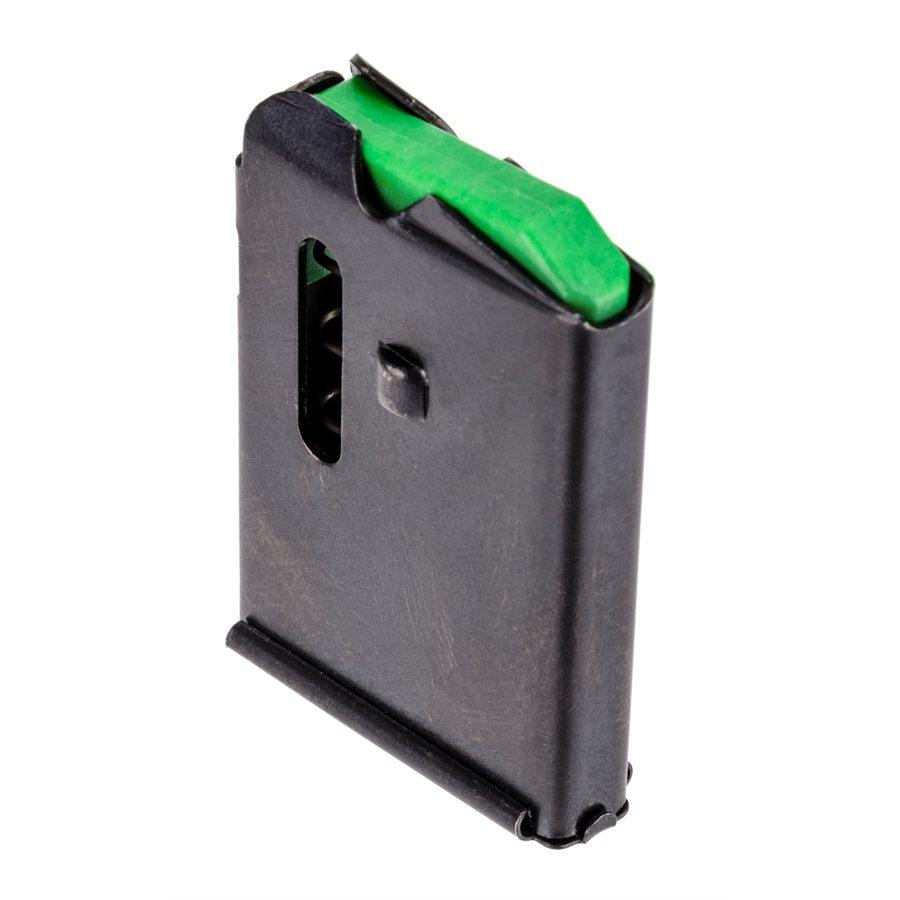
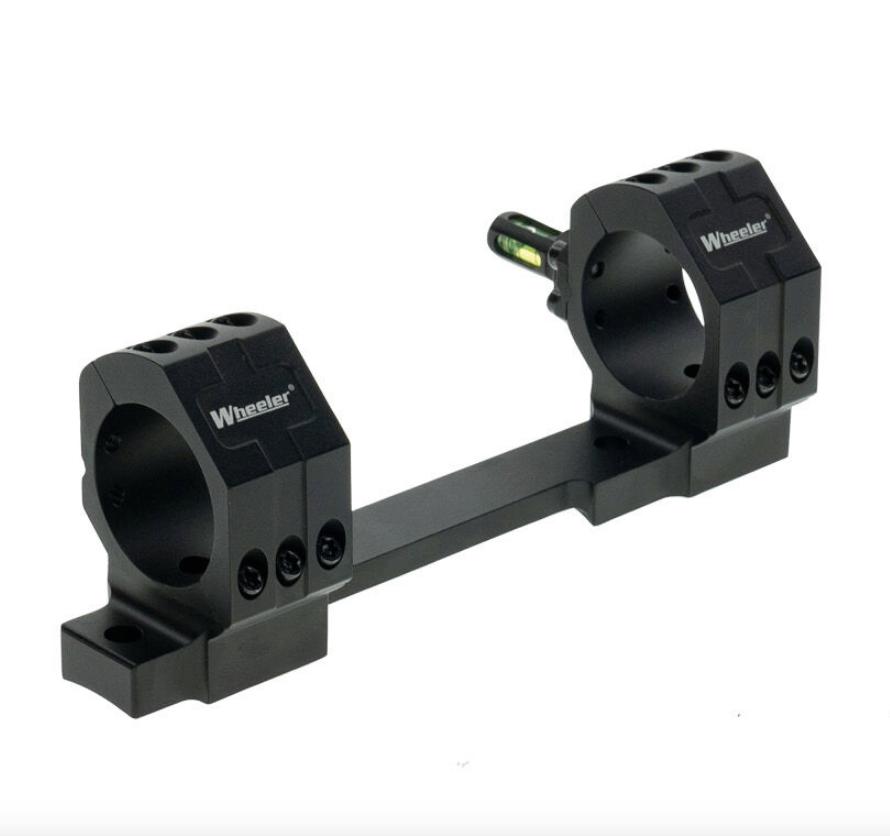
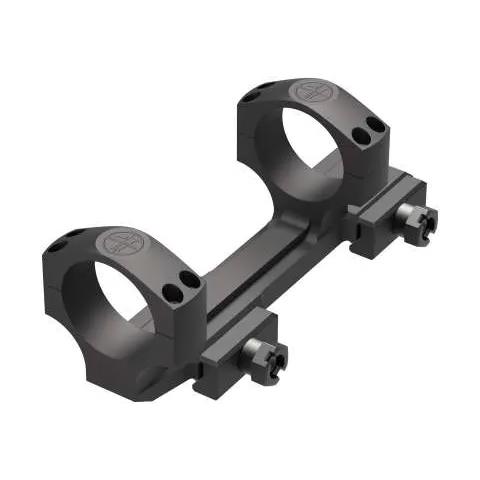
The short suppressed bolt gun is one of the more useful rifle configurations a hunter or landowner can own, and it rarely gets built because most shooters default to a 16 inch barrel and a full length can. A better approach is to treat barrel length and suppressor length as one combined number, then decide how much of that total you want in front of the receiver.
The build that prompted this piece started as a Ruger American Patrol in 5.56 NATO with a heavy contour 16 inch barrel. The barrel was recontoured on a lathe to shed weight, cut back to roughly 11 inches, threaded, and fitted with a compact 4.8 inch suppressor. Total length forward of the receiver lands close to the factory 16 inch tube, but with far better sound reduction and a lighter swing weight out front.
Why the Ruger American Makes Sense as a Host
The Ruger American platform earned its reputation on accuracy per dollar. Gen 2 rifles ship with spiral fluted barrels, a factory muzzle brake threaded 5/8×24 on the larger calibers and 1/2×28 on 5.56 and .223, and a textured stock. The Ranch models use 16.1 inch barrels for handling in tight cover. Patrol models drop the flutes and run heavier contours with black stocks, which makes them the better donor for a recontour job because there is more steel to remove.
The Scout variant deserves a separate look if you would rather buy than build. It runs a 16.1 inch barrel, detachable box magazines, and an elevated front sight on an extended base so the irons clear a mounted suppressor. The 7.62×39 version feeds from standard AK pattern magazines, which is a genuinely practical feature for anyone who already stocks those. Most American rifles accept 3, 5, or 10 round magazines depending on chambering and magazine pattern.
The Barrel Math You Should Run Before Cutting
Chopping a 5.56 barrel from 16 inches to 11 inches costs velocity. The commonly used planning figure is roughly 25 to 45 feet per second per inch of barrel with 55 to 62 grain loads, which puts a five inch cut somewhere in the range of 150 to 225 fps. That matters most at the far end of terminal performance. If a 62 grain load needs a minimum impact velocity to expand or fragment reliably, the shorter barrel pulls that distance in.
Three questions settle the decision:
- What is your realistic maximum shot distance? Inside 200 yards in timber, the velocity loss is close to irrelevant.
- What load are you committed to? Heavier for caliber bullets with 1:8 or faster twist tolerate short barrels better than light varmint bullets.
- How much unburned powder are you willing to dump into the suppressor? Shorter barrels increase blast, heat, and carbon loading inside the can.
One legal note and then we move on: a rifle barrel under 16 inches requires federal registration paperwork approved before any cutting takes place, so plan that step first.
Suppressor Selection for a Short Host
A K style can at 4.8 inches was the right call here because it preserves the handling advantage of the short barrel. A full size 7 to 9 inch 5.56 can would have made the rifle longer than the factory rifle it replaced. The tradeoff is measurable: shorter cans generally give up 3 to 6 dB compared to their full length siblings in the same product family.
For 5.56 with supersonic ammunition, no suppressor gets you to hearing safe. The 140 dB peak threshold is not reachable with a supersonic 55 grain load out of a short barrel, because the ballistic crack exists independent of the muzzle device. A good 5.56 can typically delivers 25 to 32 dB of reduction at the muzzle, which turns a painful rifle into a manageable one and cuts the report enough to keep neighbors and livestock calm. Wear plugs at the range anyway. The field exception is the unplanned shot on a coyote at last light, where a suppressed rifle protects your hearing in the one moment you cannot stop to grab muffs.
When comparing cans for this role, weigh these against each other:
- Length and weight forward of the muzzle, since a bolt gun has no gas system to tune and the whole penalty is handling
- Mount type. Direct thread 1/2×28 is lighter and simpler on a dedicated host that never shares the can; a quick detach taper mount makes sense if the suppressor rotates between rifles
- Material. Stainless and Inconel baffles tolerate the heat and carbon of short barrel 5.56 better than aluminum
- Serviceability. Sealed 5.56 cans are the norm; plan on carbon buildup you cannot scrub out, which is a strong argument for full auto rated construction
Our suppressor buyer’s guide walks through mount systems and caliber ratings in more detail, and you can browse current 5.56 suppressor options when you are ready to compare specifications side by side.
Sights, Optics, and the Magazine Well Problem
Iron sights on a suppressed rifle only work if the front sight sits high enough to clear the can. Aftermarket front sights for the American are sold in multiple inner diameters to match specific barrel contours, which is exactly why the barrel was recontoured to a diameter matching the chosen sight rather than the other way around. That is the sequence to follow: pick the sight, then set the finish contour.
Optic choice follows terrain. A red dot suits closed timber and truck gun duty where target identification happens inside 150 yards. In open country, a 1-6x or 1-8x LPVO gives you the magnification to confirm a coyote at 300 yards without giving up close range speed. A fixed prism optic splits the difference with better battery life. The rifle field optics guide covers reticle selection and mount height, which matters more here than usual because the taller sight base changes your comb relationship.
The factory magazine well on the American uses an interchangeable insert supporting proprietary, AICS, STANAG, or AK pattern magazines depending on chambering. The STANAG insert functions but leaves a visible gap at the trigger guard and partially obscures the magazine release. A reworked magazine well solves both, and adding a short Arca compatible foot ahead of the well gives direct tripod mounting for maybe an ounce of added weight. Longer magazines can interfere with the tripod clamp, so test your magazine length against your head before committing.
Ownership, Maintenance, and Transport
A recontoured barrel has thinner walls and heats faster. Treat it as a two or three shot rifle, not a string shooter. Short barrel 5.56 through a suppressor also pushes more carbon and fouling into the bore and chamber, so clean the chamber and bolt face more often than you would on a 16 inch gun.
Store the rifle with the suppressor removed if it has been fired in the rain or snow, since trapped moisture inside a can is how mounts seize. Check thread engagement and mount torque before every outing. For transport, a short host plus a K can rides in a soft case that fits behind a truck seat, which is the practical reason people build these in the first place.
Decide What This Rifle Is For
If your shooting happens inside 250 yards in cover, an 11 inch suppressed bolt gun in 5.56 is one of the most usable rifles you can own, and it costs less to build than most factory precision rigs. If you regularly stretch past 300 yards, keep the 16 inch barrel and accept the extra length. Pick the distance first, then buy the barrel and the can to serve it. When you are ready to spec the parts, start with the mounting hardware and optics selection and work backward to the host.
FAQ
No, for the intended role. Expect roughly 150 to 225 fps less velocity than a 16 inch barrel with common 55 to 62 grain loads. Inside 200 yards on coyote and hog sized game, terminal performance stays adequate with a bonded or heavier for caliber bullet. Past 300 yards, the shorter tube limits reliable expansion.
1/2×28 is the standard for 5.56 and .223 barrels. Larger calibers on the platform typically use 5/8×24. Confirm the pitch on your specific rifle before ordering a suppressor mount, since a mismatched mount is the most common ordering error buyers make.
Not with supersonic ammunition. A quality 5.56 can removes roughly 25 to 32 dB at the muzzle, but the supersonic crack of the bullet remains. Use hearing protection at the range and treat the suppressor as protection for the unplanned field shot.
A K can around 4.8 inches keeps a short barreled rifle handy and preserves balance. You give up roughly 3 to 6 dB compared with a full length can in the same family. If the rifle lives in a truck or gets carried through timber, the shorter can wins. If it is a bench and blind rifle, take the longer one.
Only if the front sight sits high enough to clear the suppressor body. Purpose built sight sets for the platform use an elevated front post and an extended rear base on the receiver. Match the front sight inner diameter to your barrel contour, and verify clearance with the exact suppressor you plan to run.
A red dot for timber and truck gun use, a 1-6x or 1-8x LPVO for mixed terrain, or a fixed prism if you want magnification with long battery life. Match the mount height to the taller sight base so your cheek weld stays repeatable.
Was this useful?