
Brief
Aero Precision M4E1 Receivers After the Restart
A buyer focused guide to Aero Precision M4E1 receivers, AR-15 build specs, barrel choices, gas systems, maintenance, compatibility, and ownership risk.
Shop this at BLVista
Aero Precision returning to normal manufacturing matters for AR builders because receiver availability affects far more than brand loyalty. It affects parts matching, warranty continuity, replacement availability, and whether a rifle build can be maintained over years instead of treated like a one-time purchase.
After a period of ownership disruption, the useful question for buyers is straightforward: does an Aero Precision M4E1 receiver set still make sense for a serious AR-15 build, and what should you inspect before committing parts, optics, ammunition, and range time to that platform?
The answer depends on how you plan to use the rifle. A 16 inch 5.56 NATO carbine built around an M4E1 receiver set has different demands than a short 10.5 inch .300 Blackout host, a hunting upper in 6.5 Grendel, or a large frame .308 Winchester rifle. Receiver quality matters in every case, but it matters most when the rifle will see hard training, suppressed fire, field carry, or frequent parts changes.
Why the M4E1 Receiver Design Still Gets Attention
The M4E1 line is popular because it keeps the AR-15 manual of arms familiar while adding small changes that reduce assembly frustration. The receivers are built around the AR-15 pattern and commonly use 7075-T6 aluminum, the material most buyers should prioritize for a duty or training rifle. 7075-T6 is stronger than 6061 aluminum and has become the standard expectation for forged AR receivers used in serious applications.
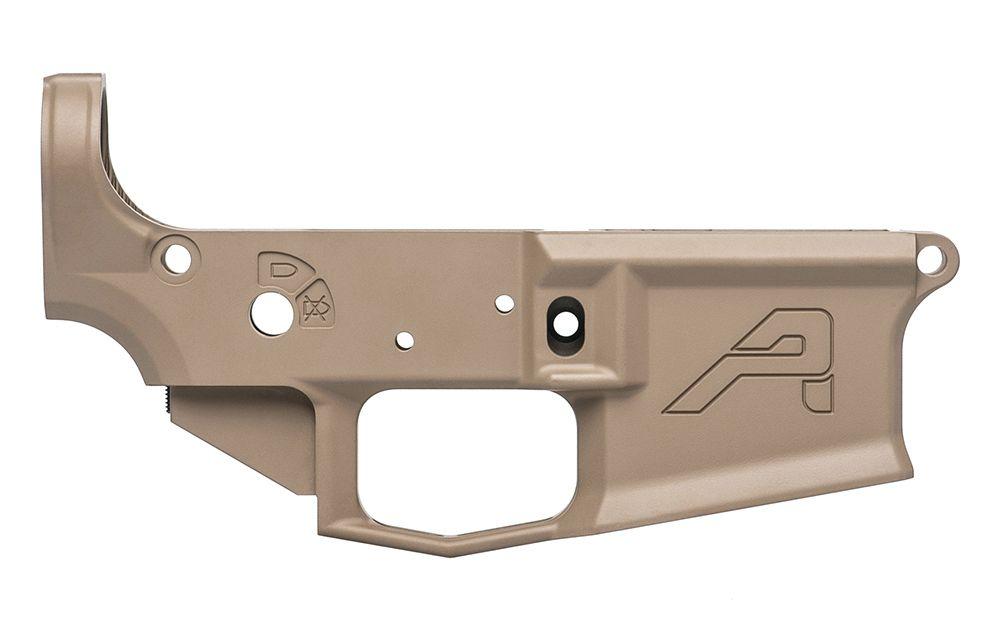
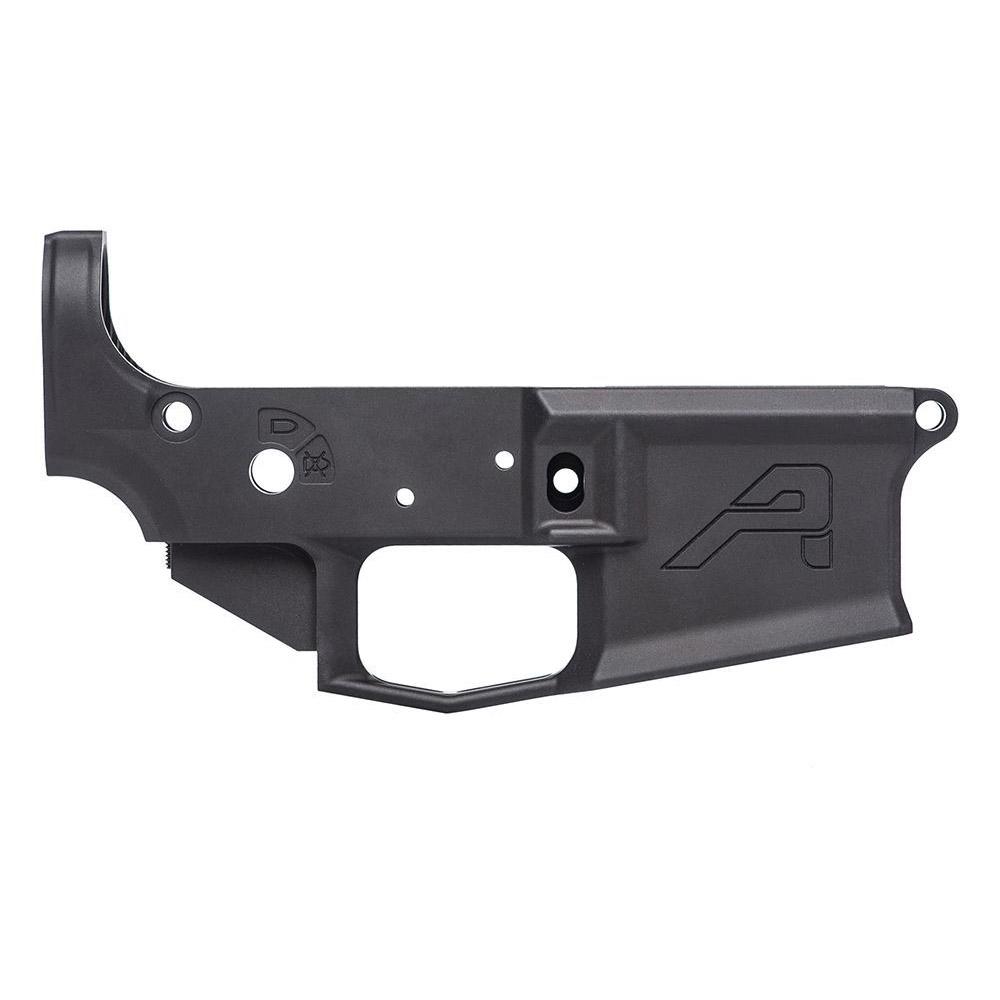
Useful M4E1 lower features include an integrated trigger guard, a threaded bolt catch pin, and a tension screw that can reduce upper to lower movement. Those details do not make the rifle more accurate by themselves, but they can make assembly cleaner and long term ownership easier. A threaded bolt catch pin avoids one of the most common cosmetic mistakes during home assembly: driving a roll pin too aggressively and marking the lower receiver.
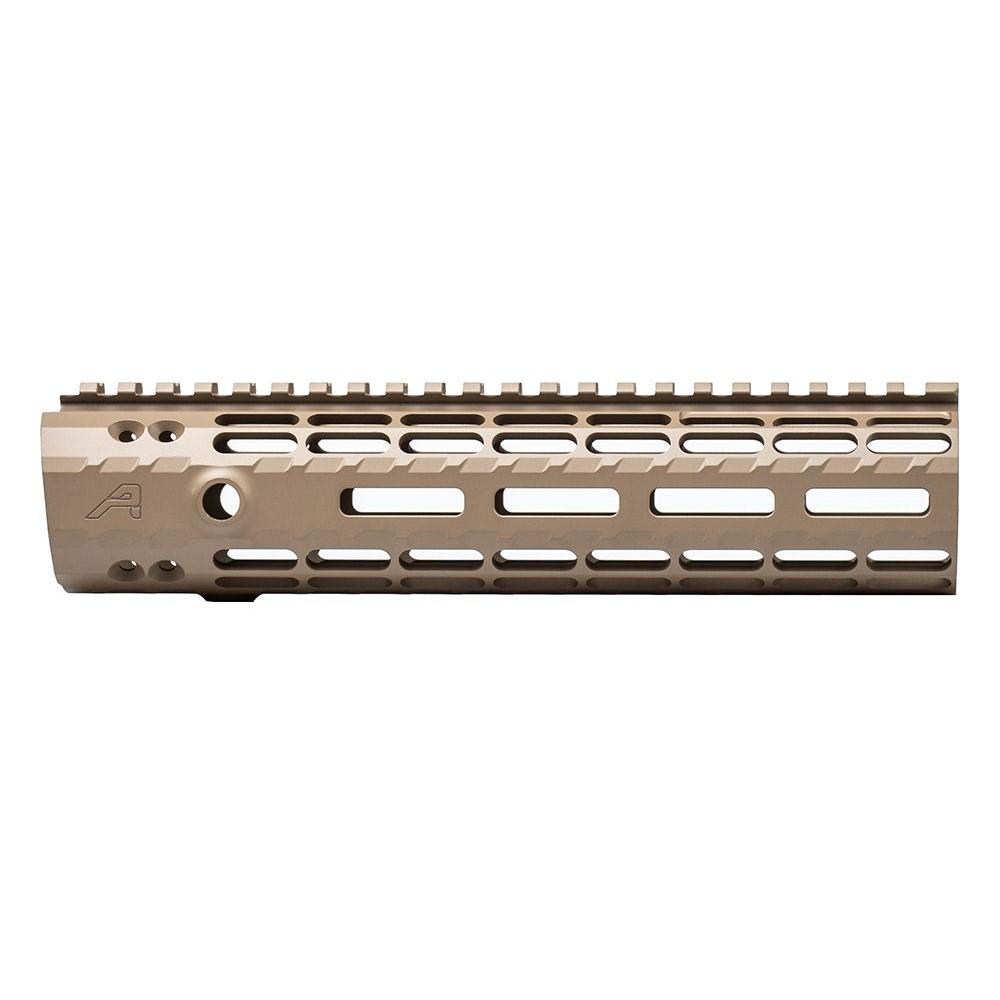
For buyers comparing Aero Precision M4E1 receiver options, the key distinction is between a standard threaded upper and an enhanced upper. A standard threaded upper gives broader handguard compatibility because it works with common AR-15 barrel nut systems. An enhanced upper can be very rigid, but it commits the builder to a more specific handguard interface. That tradeoff matters if you expect to change rail length, suppressor clearance, front sight placement, or accessory layout later.
Build Specs That Matter More Than the Logo
An AR receiver is only one part of the rifle. A dependable build comes from matching the receiver, barrel, gas system, buffer system, magazine, ammunition, and optic to the same job. Before buying parts, define the rifle by its role.
- General range and defensive carbine: 5.56 NATO or .223 Wylde, 16 inch barrel, mid-length gas when available, 1/2×28 muzzle threads, 30 round magazines where lawful.
- Compact 5.56 build: 10.3 to 12.5 inch barrel, carbine gas, 1/2×28 threads, higher blast and flash, faster parts wear than a 16 inch carbine.
- Suppressed .300 Blackout build: 8 to 10 inch barrel, pistol gas, 5/8×24 muzzle threads, 110 to 125 grain supersonic loads or 190 to 220 grain subsonic loads.
- Light hunting AR: 6.5 Grendel or 6mm ARC, typically 16 to 20 inch barrels, cartridge specific magazines, careful bolt selection.
- Large frame rifle: .308 Winchester or 6.5 Creedmoor, heavier receivers, heavier bolts, larger magazines, and less universal parts compatibility than AR-15 pattern rifles.
For 5.56 NATO, common 55 grain FMJ training ammunition often runs near 3,100 fps from a 20 inch barrel and lower from a 16 inch barrel. A 62 grain load generally gives up some speed while offering a different recoil impulse and point of impact. Barrel length changes velocity, suppressor performance, muzzle blast, and reliability margin. A 16 inch barrel remains the cleanest baseline for most civilian owners because it avoids short barrel registration issues while keeping the rifle compact enough for training, transport, and home defense storage.
If suppressor use is part of the plan, study thread pitch and gas behavior before buying. Most 5.56 barrels use 1/2×28 muzzle threads. Most .30 caliber barrels, including .300 Blackout and .308 Winchester, use 5/8×24 threads. A suppressor can add back pressure, fouling, heat, and cyclic speed. Adjustable gas blocks, heavier buffers, and correct spring selection become more important as round count rises. BLVista readers comparing cans and host rifles can start with the suppressor buyer guide before ordering mounts or muzzle devices.
Receiver Fitment and Compatibility Checks
The AR-15 is modular, but modular does not mean every part combination is equal. Small dimensional differences can decide whether a rifle feels tight, runs cleanly, or becomes a recurring troubleshooting project.
Use this checklist before starting an M4E1 based build:
- Receiver pattern: Confirm AR-15 small frame or large frame before buying the lower parts kit, buffer system, magazine, and upper.
- Upper type: Standard threaded uppers allow wide handguard choice. Enhanced uppers require compatible rail systems.
- Buffer tube diameter: Mil-spec carbine receiver extensions are about 1.148 inches in outside diameter. Commercial tubes are larger and use different stocks.
- Gas system length: Pistol gas is common on short .300 Blackout. Carbine gas is common on short 5.56. Mid-length gas is common on many 16 inch 5.56 barrels.
- Muzzle thread pitch: 1/2×28 for most 5.56 barrels, 5/8×24 for many .30 caliber barrels.
- Magazine type: 5.56 NATO, .300 Blackout, 6.5 Grendel, 6mm ARC, and .308 Winchester magazines are not interchangeable across all use cases.
- Optic plan: Decide early whether the rifle needs a red dot, LPVO, prism optic, or field scope so rail space, eye relief, and weight stay under control.
Optics deserve early attention because they shape the entire rifle. A 1-6x LPVO can make sense on a 16 inch general purpose rifle. A compact red dot keeps weight down on a close range defensive carbine. A 2-10x or similar scope may fit a 6.5 Grendel hunting rifle better than a close range optic. If the rifle will live in the field, weight and mounting integrity matter as much as magnification. The rifle field optics guide is a useful reference for matching glass to the rifle instead of buying magnification by habit.
Durability, Finish, and Long Term Ownership
A receiver set should be judged over years, not during the first range session. Type III hardcoat anodizing is common on quality aluminum AR receivers because it resists abrasion better than cosmetic coatings alone. Cerakote can add color and corrosion resistance, but hard use still exposes corners, sling contact points, takedown pin areas, and brass deflector surfaces.
Receiver wear tells a story. Bright marks near takedown pins, the charging handle channel, and the upper receiver rail are common after real use. Cracks near the buffer tower, abnormal hammer pin movement, or loose threaded inserts deserve immediate attention. A rifle that gets carried in a truck, exposed to rain, or used during dusty range sessions needs periodic inspection beyond wiping down the exterior.
For maintenance, keep the process simple. Clean carbon from the bolt carrier group, inspect the gas key, confirm carrier key staking, check extractor tension, and monitor the cam pin for wear. Light lubrication on bearing surfaces matters more than cosmetic cleaning. A dry AR can turn a good parts list into a sluggish rifle during high round count training.
Storage and transport also affect long term reliability. A rifle stored in a foam case for months can trap moisture against metal parts. A better plan is a dry safe or cabinet with controlled humidity, magazines stored according to local law, and ammunition kept in stable conditions away from heat and water intrusion. For transport, use a case that protects the optic, muzzle device, and controls without pressing hard against the safety selector or charging handle.
Where Aero Precision Fits in the AR Buyer Decision
The strongest argument for an M4E1 receiver set is value within a serious build. It gives builders improved assembly features while staying close to the AR-15 pattern. That makes sense for owners who want to choose their own barrel, trigger, handguard, stock, and optic rather than buy a fixed factory configuration.
The main tradeoff is that a receiver set does not guarantee rifle performance. Accuracy comes from barrel quality, ammunition consistency, chamber cut, optic mounting, trigger control, and shooter input. Reliability comes from gas balance, magazines, extractor function, buffer weight, lubrication, and correct assembly. A premium receiver with a poor barrel or mismatched gas system will still disappoint.
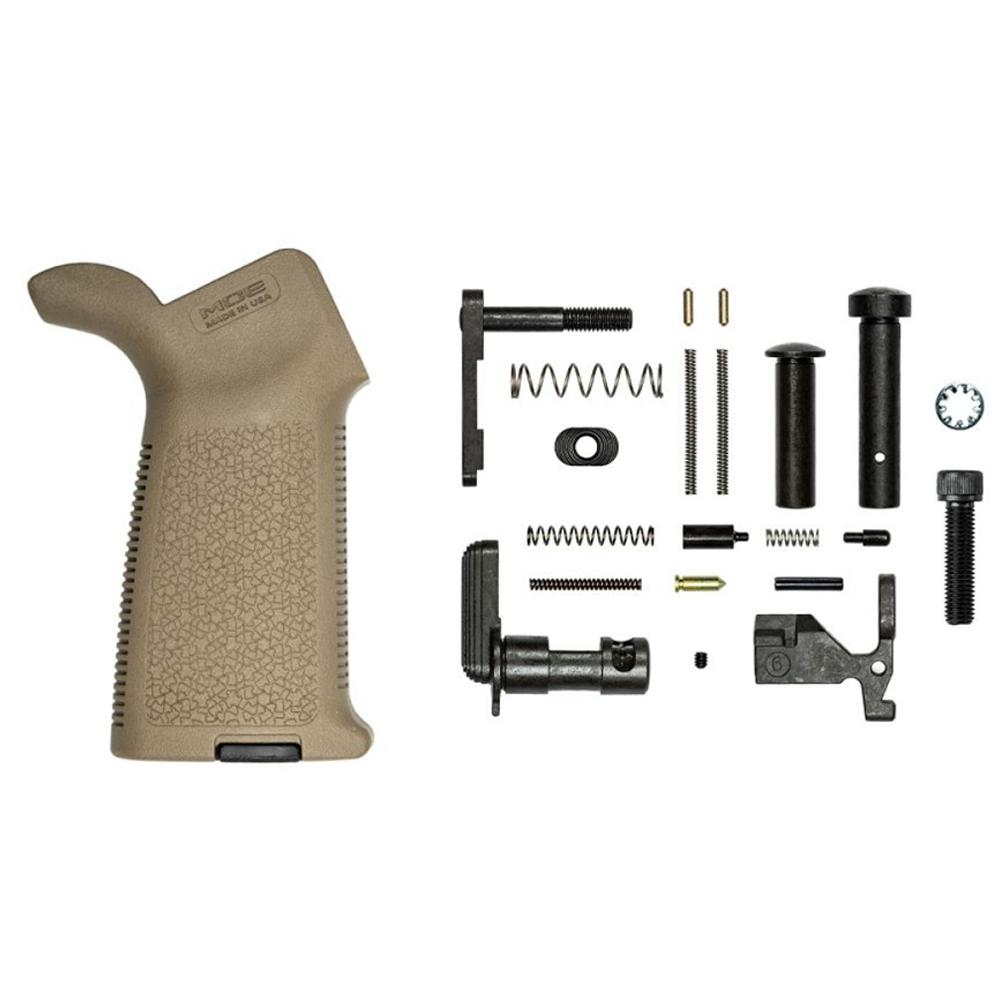
Buyers should compare complete build cost before choosing a stripped receiver. A lower receiver, upper receiver, lower parts kit, trigger, receiver extension, buffer, spring, stock, barrel, gas block, gas tube, bolt carrier group, charging handle, handguard, muzzle device, sights, optic, sling, magazines, and ammunition add up quickly. If the goal is a training rifle, budget for at least several magazines and enough 55 grain or 62 grain 5.56 ammunition to confirm reliability over multiple sessions. A single clean 30 round magazine does not prove much. A few hundred rounds across different magazines tells you far more.
For shooters building a range or class rifle, browse AR-15 receiver sets and related build components with the full parts list in mind. For a rifle that will be used in structured drills, gear layout also matters. Sling placement, magazine carriage, optic batteries, light mounts, and spare parts should be planned before the first class. The range and match loadout guide can help keep the rifle setup aligned with how it will actually be used.
FAQ
Yes. The M4E1 lower is useful for first builds because the threaded bolt catch pin, integrated trigger guard, and upper tension screw reduce common assembly problems. Builders still need proper tools, correct torque procedures, and a full function check before live fire.
Choose a standard threaded upper for the widest handguard compatibility. Choose an enhanced upper if you want a rigid matching rail system and accept a narrower parts path. The standard upper is usually easier to reconfigure over long term ownership.
A 16 inch 5.56 NATO barrel is the best baseline for most civilian buyers because it balances velocity, handling, transport, and compliance simplicity. Shorter 10.3 to 12.5 inch barrels are compact but create more blast and require closer attention to gas and buffer tuning.
Yes. .300 Blackout works on AR-15 pattern receivers with the correct barrel, gas system, and magazines. Many .300 Blackout barrels use 5/8x24 muzzle threads. Supersonic loads often use 110 to 125 grain bullets, while subsonic loads often use 190 to 220 grain bullets.
Inspect castle nut staking, gas block security, optic mount screws, bolt carrier lubrication, extractor function, brass condition, and magazine reliability. A dependable AR build should run across multiple magazines and more than one ammunition type when possible.
Was this useful?