
Brief
Gun Oil vs Grease vs CLP for AR-15 and Pistol Upkeep
Choose between gun oil, grease, and CLP by viscosity, temperature range, and load. Covers AR-15 lube points, pistol rails, NLGI 2 grease, and suppressor...
Shop this at BLVista
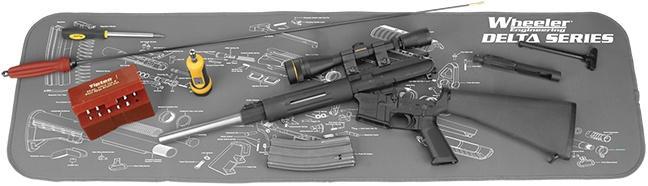
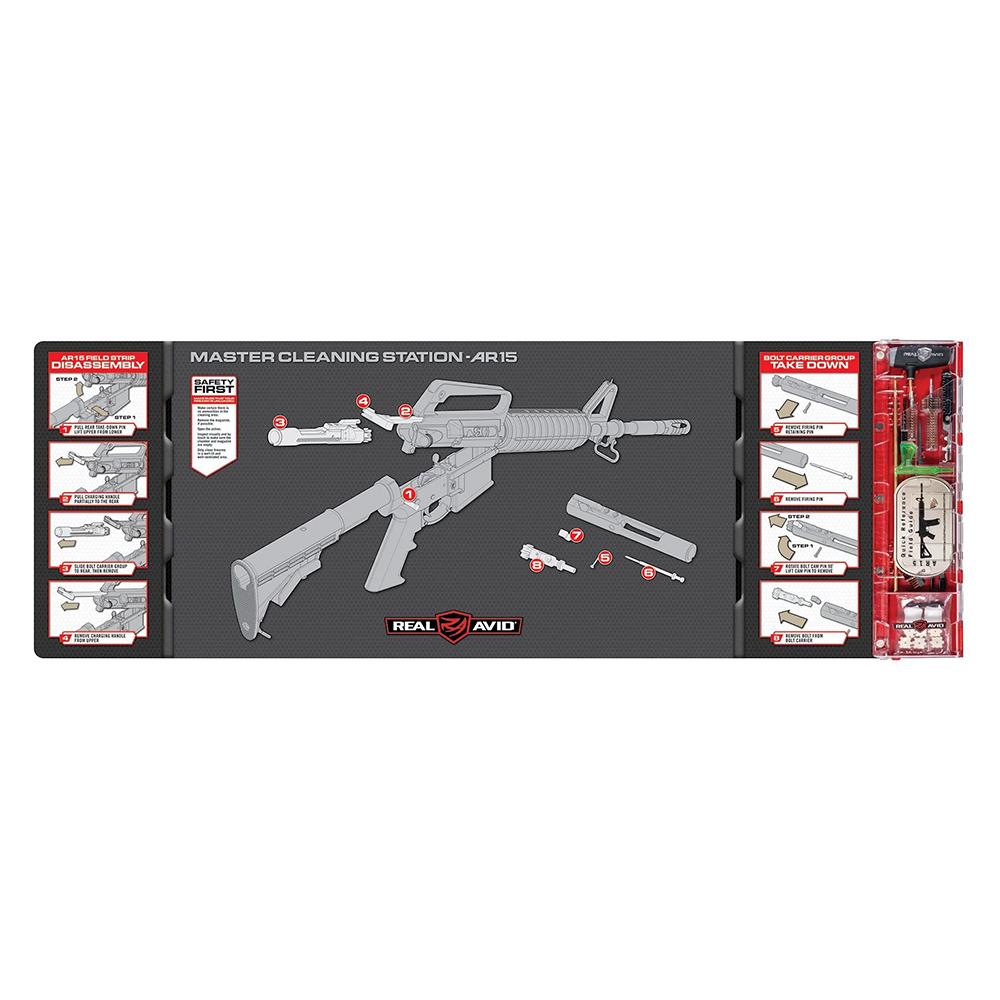
Lubrication is the cheapest reliability upgrade you can buy. A $15 bottle of oil applied to the right eight or ten contact points does more for cycle reliability than most parts swaps, and the wrong product in the wrong place causes malfunctions that look like ammunition or magazine problems. The question is not which brand wins. The question is which viscosity class belongs on which surface, in which climate, for the way you actually shoot.
Three Product Classes, Three Jobs
Every bottle on the shelf falls into one of three buckets. Understanding the bucket matters more than the label.
- Oil. Thin, low viscosity, flows into tight clearances. Best where parts move fast and generate heat, such as a bolt carrier riding inside an upper receiver or a slide traveling on frame rails. It migrates, evaporates under heat, and needs reapplication.
- Grease. Oil suspended in a thickener, typically lithium complex or a synthetic soap. Most firearm greases sit around NLGI Grade 2, the same consistency class used for automotive wheel bearings, defined by a worked penetration of 265 to 295 tenths of a millimeter. Translation: roughly the stiffness of smooth peanut butter. It stays put under pressure and gravity, which is exactly what you want on slow moving, high load surfaces.
- CLP. A cleaner, lubricant, and protectant blended into one fluid. The military specification most buyers recognize is MIL-PRF-63460, which governs cleaning, lubricating, and preserving compounds for small arms. A CLP trades peak lubricity for convenience. It is the one-bottle answer for a range bag, not the best choice for a match gun running 800 rounds in a weekend.
Where the Wear Actually Happens
On a direct impingement AR-15, hot gas is routed back into the carrier every shot. The .223 Remington SAAMI maximum average pressure is 55,000 psi, and a 55 grain M193 load leaves a 20 inch barrel near 3,250 feet per second, closer to 3,050 from a 16 inch carbine. That energy has to go somewhere, and a meaningful share of it arrives as heat and carbon inside the bolt carrier group, which on a standard mil-spec M16 profile carrier runs roughly 11.5 ounces of reciprocating steel.
The lubrication targets on that group are specific: the two carrier rails top and bottom, the bolt body behind the lugs, the gas rings, the cam pin and its slot, and the bolt tail. A thin film on each, not a flood. Excess oil inside the carrier turns into carbon slurry that bakes onto the bolt tail and makes the next cleaning session twice as long.
On a striker fired pistol, the loads are different. Slide rail contact patches on a polymer frame are small, the slide travel is short, and the barrel hood and locking lug bear the highest unit pressure in the gun. Factory manuals for most service pistols call for lubrication measured in single drops at a handful of points, including the barrel exterior and hood, the slide rails, and the barrel lug recess. Over-oiling a carry pistol is worse than under-oiling it, because the excess collects lint and pocket debris and migrates toward the striker channel. A dry striker channel is not a maintenance oversight, it is the design intent.
A Decision Framework
Use this order of questions before you buy.
- How fast does the surface move? High velocity reciprocating parts take oil. Slow, high pressure contact patches take grease.
- What is the coldest temperature you will shoot in? Grease stiffens as temperature drops. A November elk hunt at 5 degrees is a different lubrication problem than a July club match at 95 degrees. If you shoot in genuine cold, verify the product’s stated low temperature rating before you commit a rifle to it.
- What is your round count between cleanings? Under 200 rounds per outing, CLP handles everything. Above 500 rounds in a session, a dedicated oil with better film strength earns its place.
- What else is in the safe? A lubricant that is safe on wood, leather, and blued steel simplifies life if you own shotguns, lever guns, and leather holsters alongside polymer pistols. Some petroleum products soften leather over time and will ruin a holster.
- Who else touches it? Biodegradable, low odor formulas matter if you clean indoors, in an apartment, or around children and pets. Ventilation is not optional with aerosol solvents.
Matching Product to Use Case
- Competition and high volume training. A thin, high film strength oil applied generously to the carrier and rails. Expect to reapply between stages or every few hundred rounds. Precision applicators with needle tips matter here because you are lubricating between relays with cold hands.
- Carry pistol. Light oil, single drops, wiped to a film. Re-inspect monthly. A carry gun that lives against your body collects sweat, and salt is more corrosive to carbon steel slide stops and pins than range mileage is.
- Hunting rifle in wet country. Corrosion protection outranks lubricity. A protectant film on external metal and a light oil on the bolt lugs and cocking cam. Wipe the bore dry before the first shot of the season, because a fluid filled bore changes your first cold shot impact.
- Shotguns and rimfire. Grease on the locking block, bolt rails, and any slide bar contact. Semi-auto shotguns and .22 rifles are dirty by nature, and grease holds fouling in suspension rather than letting it pack into a paste.
- Storage and long term. A protectant heavy product, applied and left. Check every six months. Rust does not take a season off.
Suppressors, Threads, and Fitment
If you run a can, lubrication turns into a thread management problem. The common thread pitches are 1/2×28 for 5.56 and most .22 caliber hosts, and 5/8×24 for .30 caliber. Standard gun oil burns off those threads almost immediately under sustained fire, which is how mounts seize. Use a high temperature anti-seize rated for the job on the shoulder and threads, not general purpose gun lube, and torque to the manufacturer’s spec. Suppressors themselves are a dry system inside. Adding oil to a baffle stack creates first round pop and unpredictable gas behavior. If you are still working out host and mount compatibility, our suppressor buyer’s guide covers thread pitch, mounting systems, and host pairing in detail.
Ownership Lifecycle and Storage
Lubricants have a shelf life, and most owners ignore it. Store bottles upright, out of direct sunlight, and above freezing. Aerosols left in a truck console through a summer where interior temperatures pass 130 degrees are a genuine hazard and should be stored indoors. Label the date you opened a bottle. If a product separates, thickens, or smells different from new, replace it. A $16 bottle is not worth a malfunction on a hunt you waited three years to draw.
Applicators matter more than most people expect. A needle tip bottle places lubricant on a cam pin without coating the inside of a receiver. A grease syringe places a bead on a rail without loading the frame. Patches, a bore snake, a nylon brush set, and a non-marring pick set round out the kit. Nitrile gloves keep solvent off your hands, which matters because several common bore cleaners are not something you want absorbing through skin for an afternoon. You can build out a full maintenance setup through our gun cleaning kits and supplies and stock gun oils, greases, and CLP in one pass.
Things That Are Not Gun Lubricant
Water displacing spray is a water displacer, which is what the WD abbreviation means. It creeps, it dries, and it leaves a varnish that gums up trigger groups and firing pin channels. Motor oil is formulated for a closed, pressurized, filtered system running at steady operating temperature, not for an open action exposed to grit and carbon. Both will run a gun for an afternoon. Neither belongs in a long term maintenance plan for a defensive firearm.
What to Buy First
If you own one gun and shoot a few hundred rounds a year, start with a quality CLP and a basic cleaning kit. If you own an AR and a carry pistol and shoot regularly, buy three products: a dedicated oil for the rifle, a light oil for the pistol, and a small tube of NLGI 2 grease for rails and locking surfaces. That set covers everything from a 16 inch carbine to a bolt gun to a pump shotgun, costs less than a case of ammunition, and will outlast several years of use. For readers building a duty or match maintenance routine around a specific round count, our range and match loadout guide and our concealed carry readiness guide cover inspection intervals alongside gear selection.
FAQ
Gun oil is a dedicated lubricant with better film strength and heat resistance. CLP combines cleaning, lubricating, and corrosion protection into one fluid, governed in military use by the MIL-PRF-63460 specification. CLP is the better single bottle solution for casual shooters, while dedicated oil is better above roughly 500 rounds per session.
Carrier rails top and bottom, bolt body behind the lugs, gas rings, cam pin and cam slot, and the bolt tail. Apply a visible film rather than a puddle, since excess oil mixes with carbon and lengthens the next cleaning.
Yes, on slide rails, the barrel hood, and the locking lug. Use an NLGI Grade 2 product in the 265 to 295 worked penetration range. Be cautious with grease in cold weather unless the manufacturer states a low temperature rating.
No. It is a water displacing spray, not a lubricant, and it can leave residue that gums up trigger assemblies and striker channels. Use a product formulated for firearms.
Inspect monthly and after exposure to rain, sweat, or dust. Corrosion from body moisture is a bigger threat to a carry pistol than wear from round count.
No. Baffle stacks run dry. Use high temperature anti-seize on mounting threads, commonly 1/2x28 on 5.56 hosts and 5/8x24 on .30 caliber, torqued to the manufacturer's specification.
Effectively yes. Store bottles upright, indoors, above freezing and out of sunlight, and replace any product that has separated, thickened, or changed odor.
Was this useful?