
Brief
Building a .22 LR Training Setup That Transfers to Duty Guns
How to match a .22 LR trainer, red dot footprint, buffer weight, and range bag into one training system, with concrete specs on barrel length, capacity,...
Shop this at BLVista
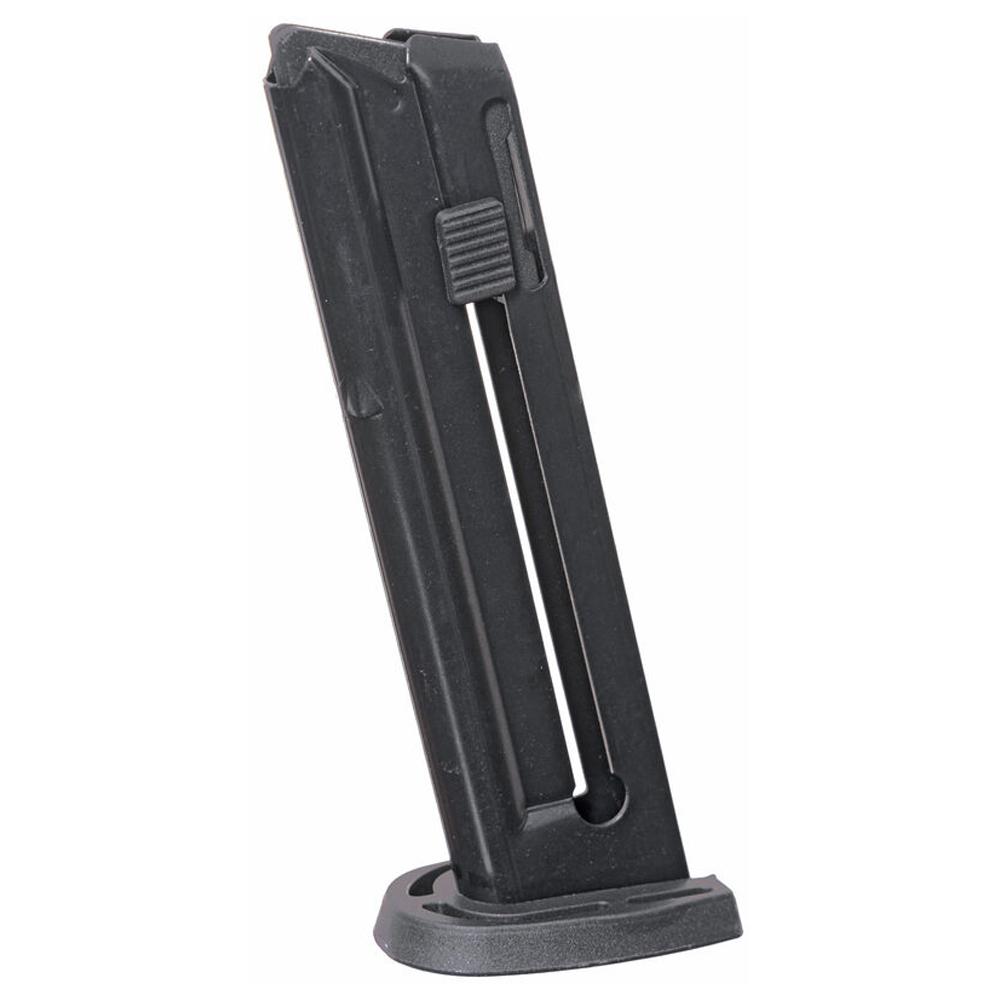
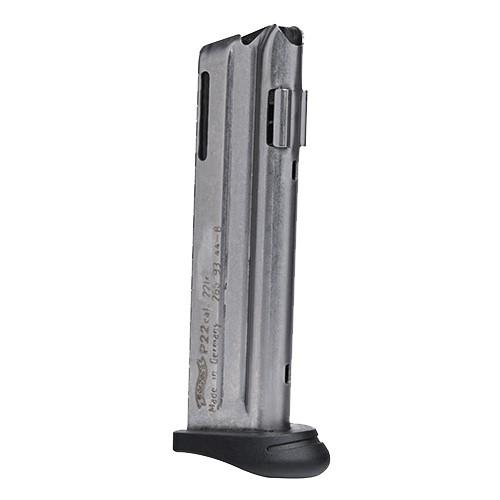
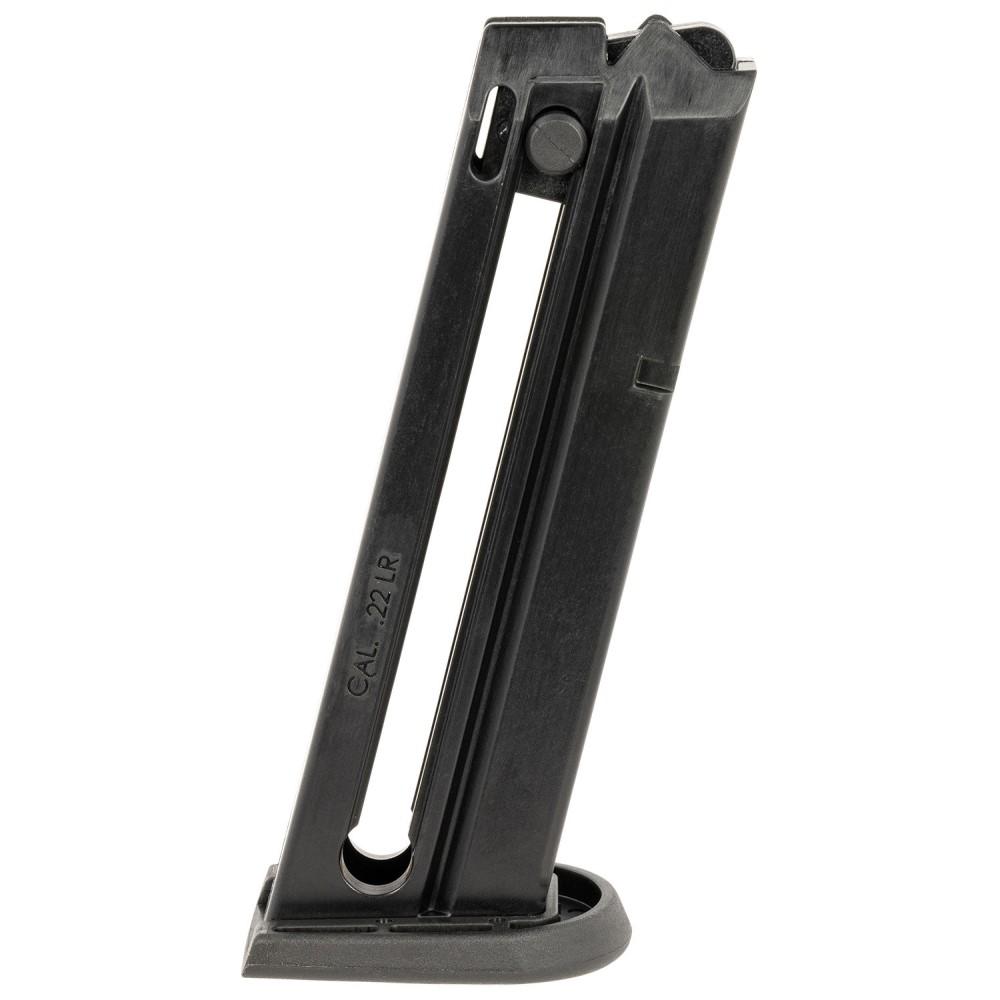
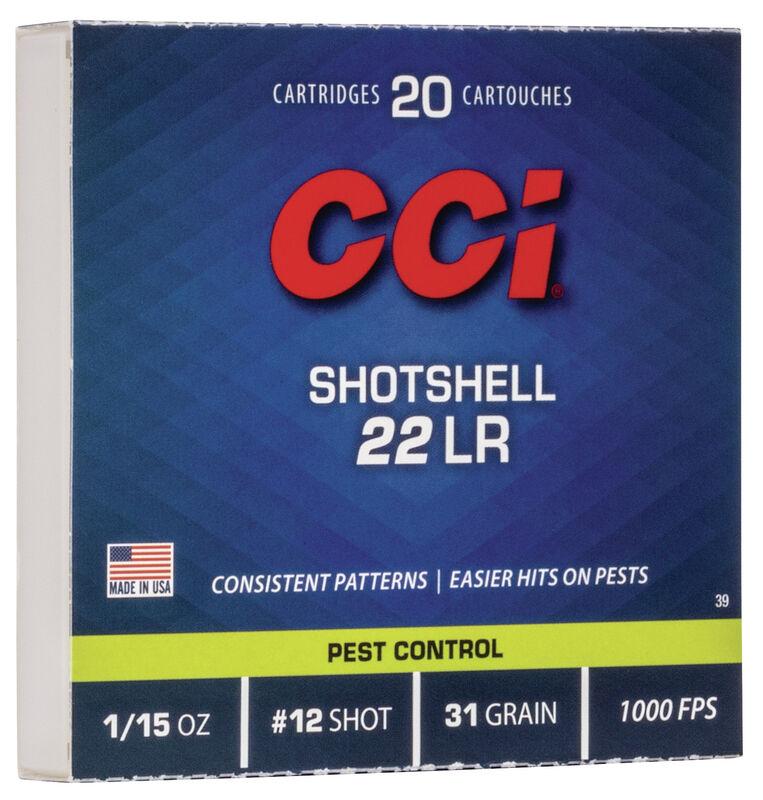
Rimfire practice earns its keep when the trainer mirrors the gun you actually carry or hunt with. A .22 LR pistol with the wrong grip angle and no optic cut builds habits you have to unlearn. A rimfire rifle with a real Picatinny rail, a 20-round magazine, and a stock that adjusts to your body builds reps you keep. The difference is not price. It is fitment, controls, and whether the accessories you already own bolt straight on.
This is a look at how the rimfire trainer, the optic, the recoil system on your centerfire gun, and the bag you carry it all in work together as one purchase decision instead of five separate ones.
Optics-Ready Rimfire Pistols and Why the Slide Cut Matters
An optics-ready .22 LR pistol like the Taurus TX22 TORO gives you a 4.6 inch barrel, a 22-round magazine, and a slide milled to accept a micro red dot with an adapter plate system. That capacity is the underrated part. Twenty-two rounds per magazine means fewer reload interruptions during drills where you are working trigger control and recoil tracking rather than reload speed.
The threaded barrel adapter on the TX22 line uses the standard 1/2×28 pitch, the same thread you will find on most .22 LR hosts and on 5.56 muzzle devices. That matters if you already own a rimfire-rated suppressor, because it means one can serves the pistol, a rimfire rifle, and a threaded .22 conversion upper without adapters piling up in your range bag. If suppressor host compatibility is on your list, our suppressor buyer’s guide covers thread pitch, mount types, and rimfire cleaning intervals in more depth.
The tradeoff with rimfire is ammunition sensitivity. Blowback .22 pistols run best on higher velocity ammunition. Standard velocity loads around 1,070 fps often short-stroke a stiff recoil spring, while 40 grain high velocity loads in the 1,235 fps range cycle reliably in most guns. Buy a few different brands in 50-round boxes, log what runs, then buy that load in bulk.
Matching the Red Dot Footprint Before You Buy the Gun
The single most common compatibility mistake in the micro red dot world is buying an optic that does not match the cut on your slide. A Holosun 407K X2 uses the compact K-size footprint shared with the Shield RMSc pattern, carries a 6 MOA dot, and is machined from 7075-T6 aluminum. The 6 MOA dot is a deliberate choice for subcompact carry pistols, since a larger dot is faster to find under stress at the 3 to 10 yard distances where most defensive shooting happens. A 2 MOA dot is the better call for a 25 yard steel plate or a rimfire precision course.
Before ordering, write down three things: the footprint your slide is cut for, the window size you need, and the dot size that matches your primary use. Then confirm your holster clears the optic. A carry holster molded before you added a dot will not close over the housing. Our carry red dot guide walks through footprint families and mounting torque, and you can browse current pistol red dot sights to compare window dimensions side by side.
For carbines, a 1x prism scope solves a problem red dots cannot. Astigmatism smears a reflex dot into a starburst for a meaningful share of shooters. A prism optic uses an etched reticle, so the image stays clean regardless of your eyes, and the reticle remains usable if illumination fails. The tradeoff is a fixed eye relief window and slightly more weight than a comparable micro red dot.
Rimfire Rifles That Build Real Rifle Skills
Two very different rimfire rifle approaches are worth understanding.
- Semi-auto clone trainers. An HK G36 pattern .22 LR with an 18.1 inch barrel, a 20-round magazine, ambidextrous safety and charging handle, and a polymer chassis lets you rehearse manipulations that map directly onto a centerfire carbine. Picatinny rail space means the optic you train with is the optic you fight or hunt with.
- Straight-pull bolt trainers. The Walther Hammerli Force B1 runs a 16.1 inch barrel, a 10-round magazine, and weighs about 5.75 pounds with an adjustable length of pull spanning 14.6 to 16.6 inches. That two inch LOP range is what makes a rifle work for a 5 foot 4 shooter in a t-shirt and a 6 foot 2 shooter in a winter coat. Straight-pull cycling keeps your cheek on the stock and your eye behind the scope, which is exactly the discipline that pays off on a follow-up shot at a coyote.
For small game and pest control, a .22 LR 40 grain load at roughly 1,200 fps is effective inside 50 yards with precise shot placement. Beyond that, wind and the steep trajectory drop of the round punish sloppy holds. If you want a rimfire that doubles as a field gun, prioritize a rifle you can mount glass on and shoot from field positions. Our rifle field optics guide covers magnification ranges and parallax settings that suit rimfire distances.
The Recoil System Upgrade Most Shooters Skip
On the AR-15 side, buffer weight is the cheapest reliability tuning you can do. Standard carbine buffers weigh about 3.0 ounces, an H buffer about 3.8 ounces, an H2 about 4.6 ounces, and an H3 about 5.4 ounces. Heavier buffers slow the bolt carrier, reduce felt impulse, and calm an overgassed carbine, particularly a short barreled or suppressed gun. Braided multi-strand springs paired with an H2 add consistency and reduce spring twang.
The tradeoff is real. Add too much reciprocating mass and an underpowered load stops cycling. Subsonic 300 Blackout is the classic failure case, since those loads produce far less gas volume than supersonic ammunition. Match the buffer to your gas system length, barrel length, and the ammunition you actually shoot, then confirm with 100 rounds of your primary load before you trust it.
An ambidextrous charging handle machined from 7075-T6 with a raised gas deflection lip belongs on any suppressed or 10.5 inch barreled build. Short barrels vent significant gas back through the upper, and a gas-busting handle keeps that out of your face during a long training day.
Ammunition Planning by Round Count, Not by Box
Plan ammunition against your actual annual round count.
- 7.62×39, 123 grain FMJ leaves a 16 inch barrel around 2,350 fps and is the standard practice load for AK and AR-pattern guns in that chambering. Buying in 500-round cases keeps cost per round predictable.
- 5.56 NATO, 55 grain FMJ runs roughly 3,240 fps from a 20 inch barrel and drops several hundred feet per second from a 10.5 inch barrel. Zero at the barrel length you shoot, not the one on the box.
- 9mm +P, 124 grain jacketed hollow point is the duty standard for a reason. Expect roughly 1,220 fps from a 4 inch barrel. If you carry it, shoot at least one box per year through your carry gun to confirm point of impact and feeding.
- .380 ACP in a blowback pistol like a 13-round Beretta 84 pattern with a 3.8 inch barrel is pleasant to shoot but ammunition costs more per round than 9mm and terminal performance is more dependent on bullet selection.
Store ammunition in a climate-stable space below roughly 70 percent relative humidity. Heat cycling in an uninsulated garage degrades primers and powder over years. Sealed containers with desiccant packs are enough for most owners.
Transport, Storage, and Staying Legal on the Drive
A discreet rifle bag rated for a 29 inch overall length covers most 10.5 to 16 inch AR builds with the stock collapsed, and low-visibility styling reduces the odds of unwanted attention in a parking lot. A 13 liter sling pack works for a pistol, ammunition, and a medical kit. A 37 liter pack handles a full day class with hydration, eye and ear protection, spare optics, and a cleaning kit.
Transport rules change at state lines. Some jurisdictions require firearms unloaded and in a locked container separate from ammunition. Check the law where you are driving before the trip, not at the range. Readers in restrictive states should review our New York firearm law overview for a plain description of transport and storage requirements.
A Four Question Filter Before You Buy
- Does it match a footprint, thread pitch, or magazine I already own?
- Will it survive a full weekend class, or is it built for a 50-round range visit?
- What is the maintenance cost over five years, including springs, batteries, and cleaning supplies?
- Does it work in the conditions I actually shoot in, including cold hands, gloves, and rain?
Anything that fails two of those four is a want, not a need.
What to Buy First
If your budget covers one item this season, buy the thing that multiplies your round count. For most shooters that is an optics-ready .22 LR pistol or rifle that mirrors the controls of the gun they carry or hunt with, because a rimfire trainer turns one box of centerfire ammunition into ten trips to the range. After that, buy the optic that matches your existing footprint, then the sling and transport bag. Compare current .22 LR training rifles and check our range and match loadout guide to build the support gear list around it.
FAQ
Yes, when the trainer shares the grip angle, trigger geometry, and optic footprint of your carry gun. A 22-round magazine and low recoil let you run high volume drills on sight tracking, trigger press, and draw mechanics at a fraction of centerfire ammunition cost. Recoil management and reload timing still require live centerfire practice.
Most subcompact slides are cut for the compact K-size or Shield RMSc pattern. Confirm the exact cut listed by your pistol’s manufacturer before ordering, and verify your holster is molded to clear an optic. A 6 MOA dot suits close-range defensive use, while 2 MOA suits precision work past 25 yards.
Short barreled 5.56 builds are typically overgassed, and an H2 buffer at about 4.6 ounces is a common starting point to slow the carrier and smooth the impulse. Verify function with your primary ammunition. Heavier buffers can cause short-stroking with subsonic or reduced-power loads.
Decide by round count. A shooter running 200 rounds per monthly range session needs roughly 2,400 rounds a year. Buying a full year in one purchase smooths out price swings and shortages, and rimfire stores well for decades in a cool, dry space.
A 13 liter sling pack handles a pistol course with ammunition, medical supplies, and eye and ear protection. A 37 liter pack is the right size for a two-day carbine class where you need hydration, spare optics, tools, lubricant, and weather layers. For rifle transport, look for a bag rated for at least 29 inches of internal length.
A rimfire-specific can is usually user-serviceable because .22 LR is dirty and lead fouling builds fast. Many centerfire cans are rated for rimfire use but are sealed and cannot be disassembled for cleaning. Check the manufacturer’s published host and cleaning guidance, and confirm the thread pitch, commonly 1/2×28 on rimfire hosts, before you buy a mount.
Was this useful?