
Brief
First Long Gun Setups for 18 to 20 Year Old Shooters
Specs and selection criteria for a new adult shooter's first rifle or shotgun, covering barrel length, gauge, twist rate, thread pitch, optics, and maintenance.
Shop this at BLVista
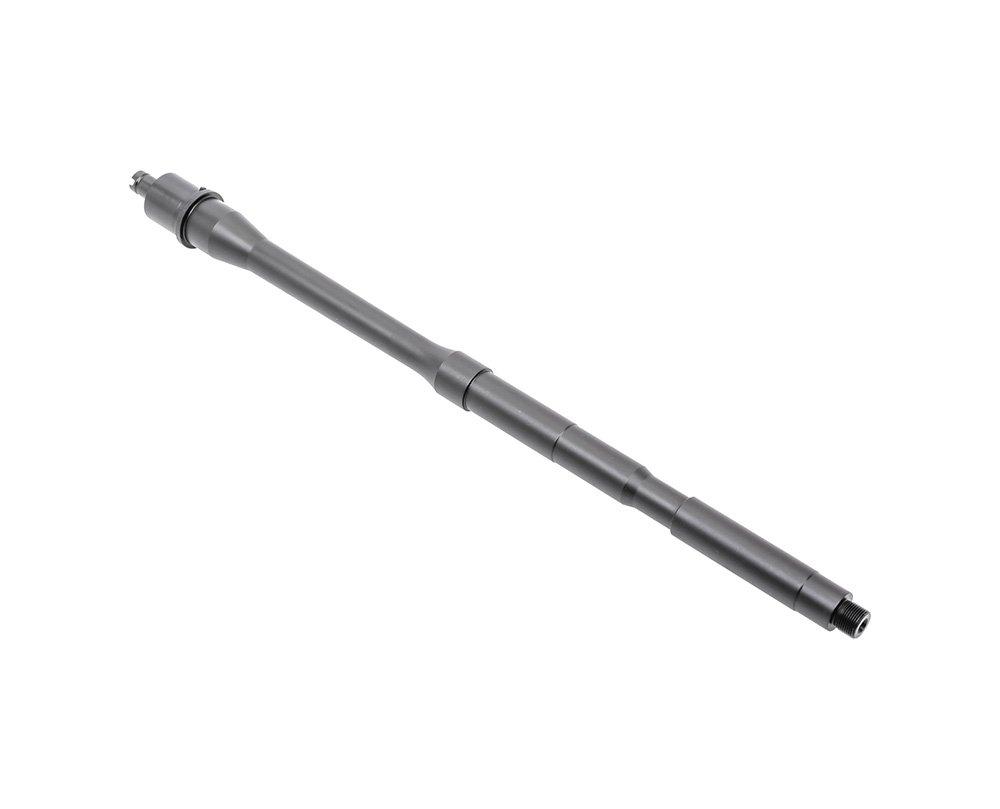
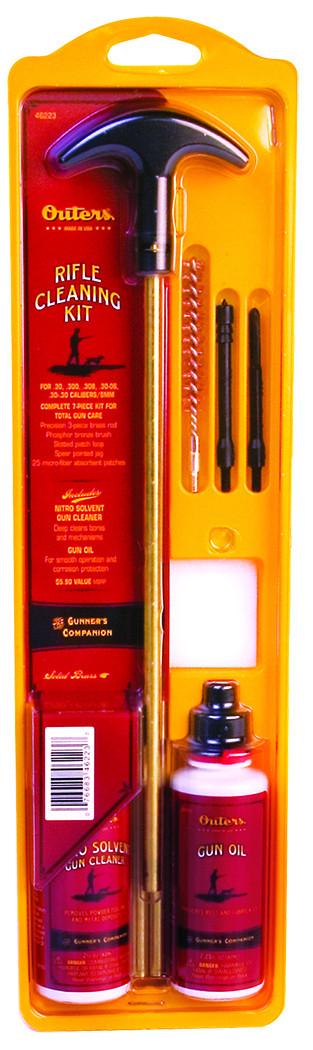
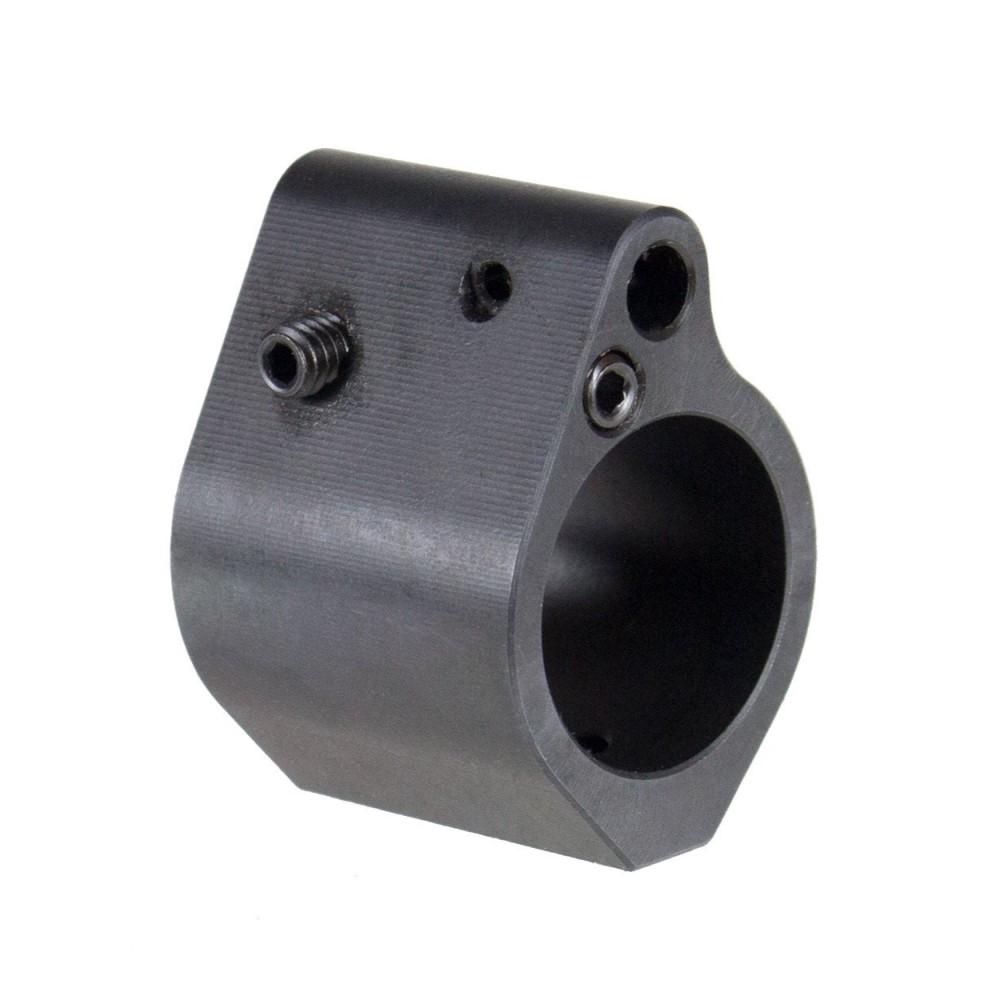
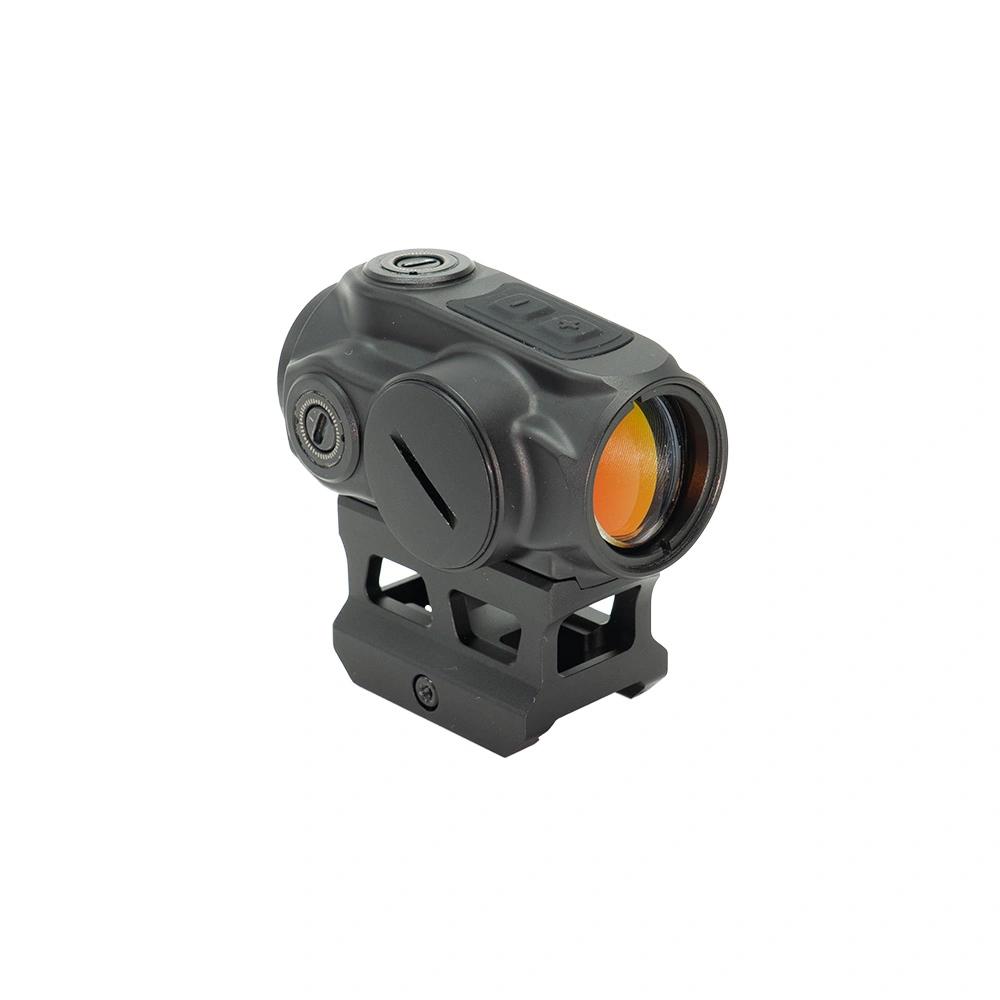
In several states, an 18 to 20 year old adult can own and use long guns while handgun access waits until 21. Legal details shift by jurisdiction and change over time, so verify your own state and local rules before buying anything. What follows is the equipment side of that reality: how a new adult shooter builds a rifle and shotgun kit that holds up at the range, in the field, and inside a home defense plan, without wasting money on gear that gets replaced within a year.
Start With a Rimfire, Not a Compromise
The cheapest path to competence is .22 LR. A standard semi-auto rimfire carbine runs an 18.5 inch barrel, weighs roughly 4.6 to 5 pounds bare, and feeds from a 10 round rotary or box magazine. Standard velocity 40 grain loads leave the muzzle near 1,050 to 1,255 fps depending on the load and barrel, which keeps recoil and muzzle blast low enough that a new shooter can focus on trigger control instead of flinch management.
The math matters more than the marketing. Bulk .22 LR typically costs a fraction of centerfire rifle ammunition per round, which means a shooter can fire 500 rounds of rimfire for what a couple hundred rounds of 5.56 would cost. That volume is where fundamentals get built. Add a threaded 1/2×28 muzzle on the rimfire if you plan to run a suppressor later, since a dedicated .22 can typically drops report from around 140 dB at the muzzle into the low 120s, and a bolt or blowback rimfire is the quietest practical host most shooters will ever own.
Shotgun Selection: Gauge, Barrel, and Fit
A pump shotgun remains the most versatile single firearm a young adult can own. It hunts birds, takes deer with slugs where legal, and serves inside the house. The usual configurations:
- 12 gauge, 18.5 inch cylinder bore, 5+1 capacity, roughly 7 to 7.5 pounds. Standard 00 buckshot carries 9 pellets of .33 caliber at 1,325 fps. Reduced recoil 00 buck runs closer to 1,145 fps and cuts felt recoil noticeably while keeping patterns tighter at 10 to 15 yards.
- 20 gauge, 18.5 to 20 inch barrel, around 6 to 6.5 pounds. Roughly 40 to 50 percent less recoil energy than full power 12 gauge loads with #3 buck offering 20 pellets in common defensive loadings. For smaller framed shooters, the 20 is not a downgrade, it is a better hit rate.
- Youth or compact stocks with a 13 inch length of pull versus the standard 14 to 14.5 inches. Fit drives mount consistency more than any other single variable. A shooter who cannot get a repeatable cheek weld will shoot a $1,400 gun worse than a properly fitted $450 one.
Check screw-in choke compatibility before buying. A gun that accepts interchangeable chokes lets one barrel cover skeet, upland, turkey, and slug work. A fixed cylinder bore barrel is simpler and fine for defense, but it locks you out of tighter patterns at 40 yards.
The Centerfire Rifle Decision
For a general purpose semi-auto, the 16 inch 5.56 NATO carbine remains the default for good reasons: parts availability, magazine standardization at 30 rounds, and ammunition that costs less than almost any other centerfire rifle round. Barrel twist drives bullet selection. A 1:9 twist stabilizes 55 grain loads well and starts to lose reliability above 69 grains. A 1:8 or 1:7 twist handles 55 grain through 77 grain match projectiles, which is what you want if you intend to shoot past 300 yards. M193 55 grain leaves a 16 inch barrel near 3,050 to 3,100 fps, roughly 150 fps slower than the 20 inch barrels the load was designed around.
If hunting is the priority, a bolt action in 6.5 Creedmoor, .308 Winchester, or .243 Winchester with a 20 to 22 inch barrel gives more terminal performance and better long range manners. Expect 7 to 8.5 pounds bare and a 5/8×24 muzzle thread on .30 caliber models versus 1/2×28 on 5.56. Thread pitch is the single most common compatibility mistake buyers make when they later add a muzzle device or suppressor.
Optics That Survive the Ownership Cycle
Buy glass once. A 1-6×24 or 1-8×24 low power variable covers close range speed and 400 yard precision on a carbine. For hunting rifles, a 3-9×40 or 2.5-10×42 with a 30mm tube and capped turrets covers nearly every North American application. Red dots with 2 MOA emitters and multi-year runtimes are the simplest choice for shotguns and rimfires, and mounting footprint compatibility is worth checking before purchase rather than after. Our rifle field optics guide breaks down magnification ranges, reticle types, and mount height against real field distances.
Rings and bases deserve budget too. A 30mm ring set torqued to the manufacturer specification, usually 15 to 18 inch pounds on ring caps and 25 to 30 inch pounds on base screws, holds zero far better than an over-tightened premium scope in cheap rings.
Hearing, Suppression, and Long Term Cost
Unsuppressed 5.56 from a 16 inch barrel measures around 165 dB at the shooter’s ear. A rifle suppressor typically pulls that down 25 to 32 dB, into the 132 to 137 dB range, which still requires plugs or muffs but dramatically reduces concussion during training. Suppressors carry a $200 federal transfer tax and a wait period, and ownership rules vary by state. If a can is in your five year plan, buy threaded barrels now and confirm thread pitch and shoulder dimensions. Our suppressor buyer’s guide covers mounting systems, weight tradeoffs, and host compatibility.
A Simple Buying Checklist
- Fit first. Length of pull, weight, and controls you can reach without breaking your firing grip.
- Feeding cost. Estimate 1,000 rounds in year one. Multiply by current cost per round. If the number stops you from training, choose a cheaper cartridge.
- Parts and magazine availability. Standard patterns with 5, 10, and 30 round options age better than proprietary designs.
- Thread pitch and optic footprint. Verify before purchase, not after.
- Storage and transport. A lockable case and a quick access safe are part of the purchase, not an accessory.
Maintenance and Storage Over the First Five Years
Rimfires foul fast. Expect a bore and chamber cleaning every 400 to 500 rounds to keep extraction reliable. Gas operated carbines run well dirty but need bolt carrier group lubrication every range trip and a bolt inspection with gas rings and extractor spring checked every 2,000 to 3,000 rounds. Shotgun magazine tubes and action bars want a light oil film, and shotguns stored in humid coastal air need a wipe down every few weeks or a corrosion inhibiting cloth in the case.
Store long guns muzzle down or horizontal on padded racks, never leaning on a stock toe against concrete. Silica desiccant in the safe and a $20 rod style dehumidifier prevent more damage than any cleaning product. For transport, a hard case with foam and two padlocks satisfies most interstate transport requirements and protects zero far better than a soft sleeve tossed in a truck bed.
When you are ready to compare specific models, browse pump action shotguns and .22 LR rifles in our catalog, or use the range and match loadout guide to plan a training kit around what you buy.
What to Decide Before You Buy
Pick your primary use case honestly. If it is training volume and skill building, a .22 LR carbine and 5,000 rounds of ammunition will outperform a more expensive centerfire rifle that sits in the safe. If it is home defense, a fitted 20 or 12 gauge with reduced recoil buckshot and a weapon light answers the problem at realistic indoor distances. If it is hunting, choose the cartridge that matches your game and terrain, then buy glass and rings that hold zero through a truck ride and a fall. Everything else is sequencing.
FAQ
A .22 LR rifle with an 18.5 inch barrel and 10 round magazines is the most efficient starting point. Low recoil, cheap ammunition, and enough accuracy for small game and precision practice out to 100 yards. It builds the fundamentals that transfer to every other firearm you will own.
Yes. Common 20 gauge defensive loads carry 20 pellets of #3 buck and produce substantially less recoil than 12 gauge 00 buck. Hit probability under stress matters more than raw payload, and a shooter who can run a 20 gauge fast and accurately is better served than one who flinches through a full power 12.
A 1:8 twist is the most flexible choice. It stabilizes 55 grain plinking loads and 69 to 77 grain match bullets. Choose 1:7 if you intend to shoot heavy match projectiles regularly, and 1:9 only if your use stays under 62 grains.
5.56 and .223 barrels almost always use 1/2×28. Most .30 caliber rifles including .308 Winchester and 6.5 Creedmoor use 5/8×24. Confirm the thread on your specific barrel before ordering, because mismatched pitch is the most common return reason on muzzle devices.
Typical rifle suppressors reduce report by roughly 25 to 32 dB, bringing a 16 inch 5.56 from around 165 dB down to the low to mid 130s. Rimfire suppressors can bring .22 LR into the low 120s. Hearing protection is still recommended in every case.
Rimfires benefit from a bore and chamber cleaning every 400 to 500 rounds. Gas operated carbines need bolt carrier lubrication each range session and a wear inspection of gas rings and the extractor spring every 2,000 to 3,000 rounds. Shotguns need a light oil film on action bars and magazine tubes, more often in humid climates.
Was this useful?