
Brief
Rucking Currahee Mountain Without Wrecking Your Gear
Six miles and 1,735 feet of Currahee is a real benchmark. Load percentages, pack specs, boot height, and rifle weights that hold up under sustained ruck...
Shop this at BLVista
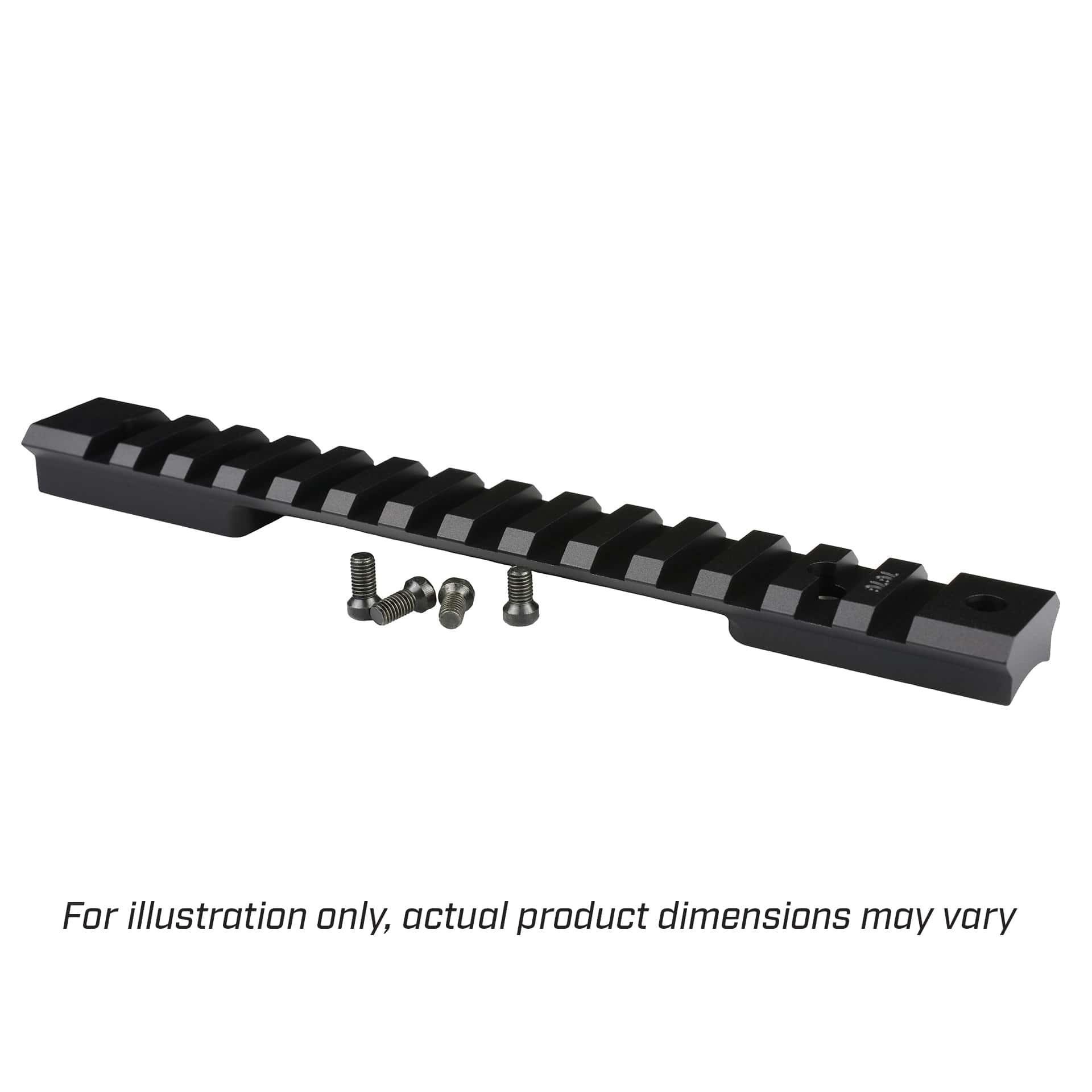
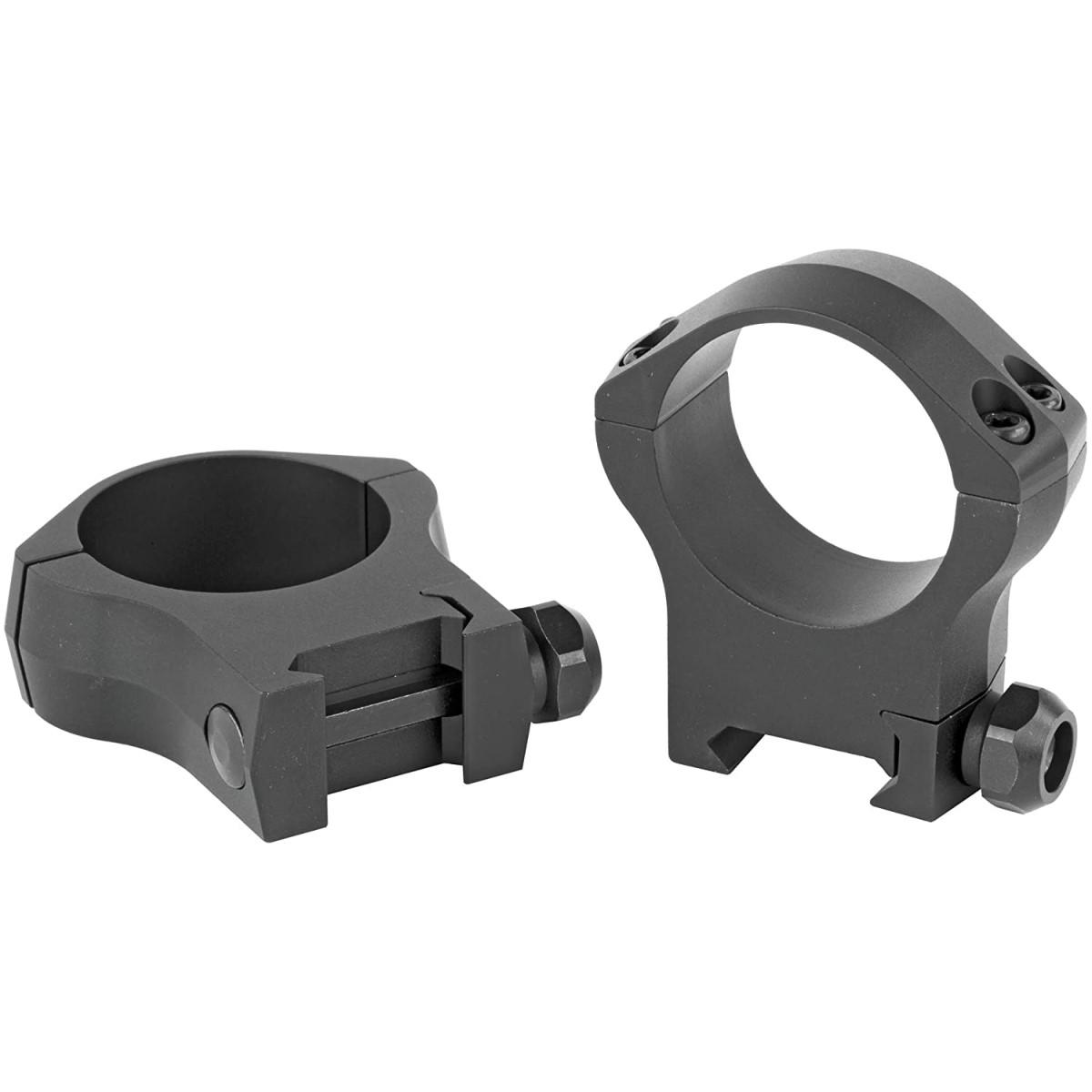
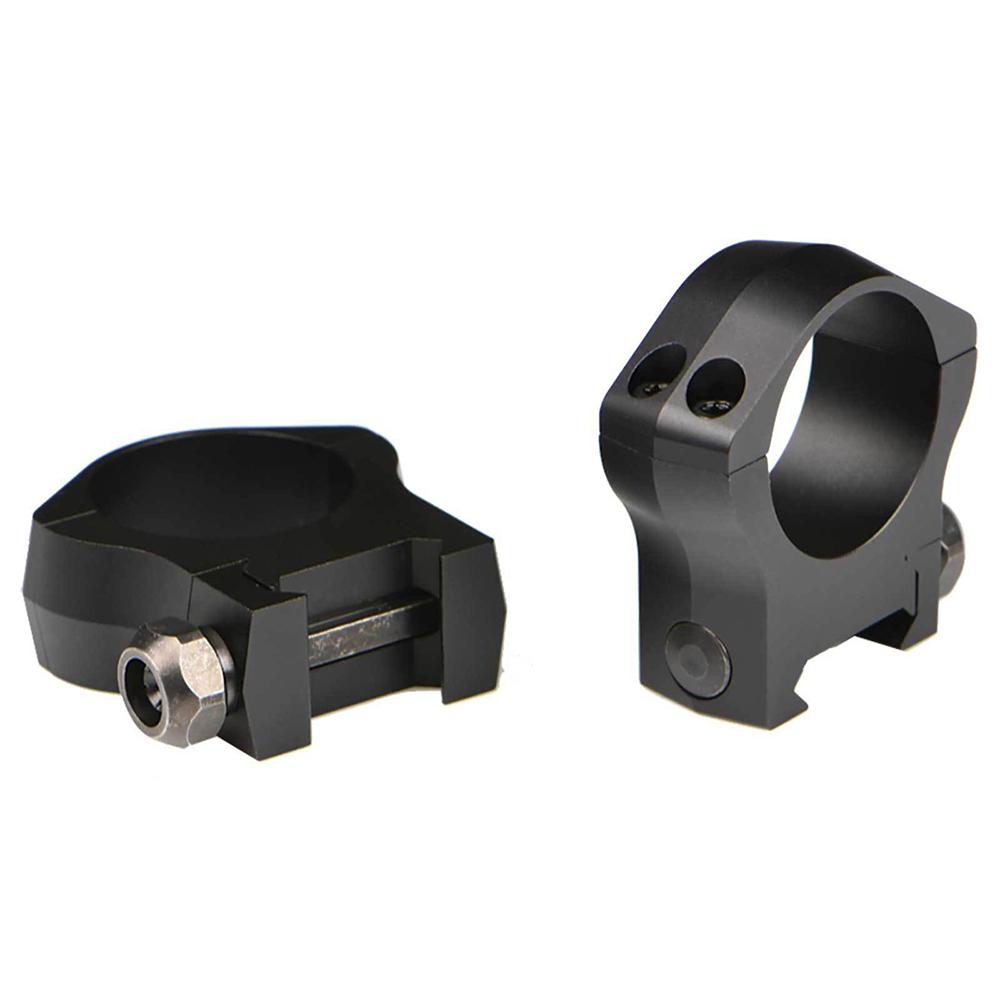
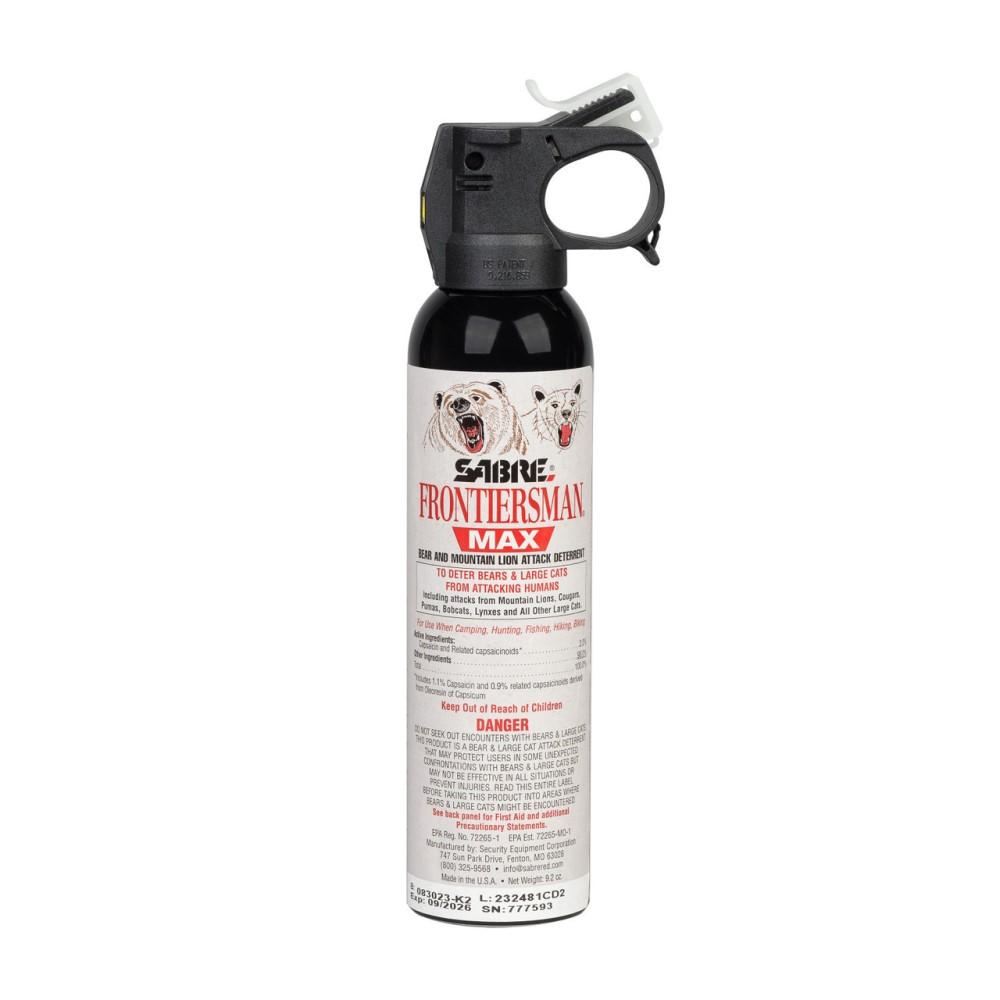
Currahee Mountain sits outside Toccoa, Georgia, and tops out at 1,735 feet. The trail that paratrooper candidates ran in 1942 is still there, and the phrase attached to it, three miles up and three miles down, describes exactly six miles of graded dirt road with sustained climb on the way out and hard eccentric loading on the way back. Anyone can go run it. Plenty of shooters and hunters do, often with a loaded ruck, because it is one of the few benchmarks in the country where you can measure yourself against a documented standard that predates modern sports science.
That history is worth more than a photo op. The training model built at that camp between January 1940 and its 1942 renaming was simple: load the body, load the gear, and find out what fails. The same approach still works for evaluating equipment you plan to carry into elk country or across a two-day backcountry hunt. This article is about the gear side of that test.
Setting Load Before You Set Distance
The single most common mistake in ruck training is choosing weight before choosing distance. Start with the objective. A general rule that holds up in the field is 20 to 30 percent of body weight for sustained movement over broken terrain. For a 180-pound person that is 36 to 54 pounds, and the low end of that range is where most people should begin.
Standard ruck plates come in 10, 20, 30, and 45-pound increments. A 30-pound plate in a 3.5-pound pack plus 2 liters of water at 4.4 pounds puts you near 38 pounds, which is a realistic approximation of a loaded day pack with optics, ammunition, layers, and a knife. Compare that against the historical benchmark: the 137-mile march from Camp Toccoa to Atlanta was covered in 75 hours and 15 minutes, an average of roughly 1.8 miles per hour including halts. That is a pace anyone can hit. Holding it under load for three days is the hard part.
A simple progression that avoids injury:
- Weeks 1 to 3: 20 pounds, 3 miles, flat ground, 17 to 18 minute miles
- Weeks 4 to 6: 30 pounds, 4 to 5 miles, add 500 feet of gain
- Weeks 7 to 9: 35 pounds, 6 miles, 1,000 feet or more of gain
- Week 10: the Currahee profile, 6 miles round trip, roughly 900 feet of climb
Pack and Footwear Specifications That Matter
Frame sheet and load lifters do more for comfort than fabric weight does. Look for 500D to 1000D nylon with bar-tack reinforcement at the shoulder yoke, a hip belt that actually transfers load rather than a webbing strap, and internal compression to keep the mass high and tight against the spine. A pack that lets a 30-pound plate sag four inches below the shoulder blades changes your gait and shows up as knee pain by mile four. If you are building a pack for both training and hunting, look at rucking and load-bearing packs that accept both plates and bulk volume in the 30 to 45 liter range.
Footwear is where most Currahee attempts go wrong. An 8-inch boot with a mid-density EVA midsole and a nylon shank handles descending load better than a low-cut trail shoe once you pass 30 pounds. Break boots in over 20 to 30 miles before you attempt a benchmark distance. Merino blend socks in the 70 to 80 percent wool range manage moisture better than cotton, and a thin liner sock cuts friction blisters substantially on long descents.
The Rifle Side of the Equation
Camp Toccoa initially had no rifle range, so trainees marched roughly 30 miles to Clemson to shoot. The rifles they carried are useful reference points for anyone thinking about weight and carry burden today:
- M1 Garand: 43.5 inches overall, 24-inch barrel, about 9.5 pounds empty, .30-06 with 150 to 152 grain ball at roughly 2,800 fps, 8-round en bloc clip
- M1 Carbine: 35.6 inches overall, 18-inch barrel, about 5.2 pounds, .30 Carbine 110 grain at roughly 1,990 fps, 15-round magazine
- Thompson M1A1: about 10.6 pounds, .45 ACP 230 grain at roughly 920 fps, 20 or 30-round magazine
- Modern 16-inch 5.56 carbine: 6.5 to 7.5 pounds bare, 55 grain at roughly 3,150 fps, 30-round magazine, typically 1/2×28 muzzle threads
The gap between 9.5 pounds and 6.5 pounds sounds small on a bench. Carry it for six miles at 1,735 feet and the difference in shoulder fatigue and offhand shot quality is obvious. This is the same math that drives modern hunting rifle decisions, where a 6.2-pound mountain rifle with a 20-inch barrel beats a 9-pound bench rifle on day three even though the heavier gun shoots tighter groups from a rest.
If you are running a suppressed setup on training hikes, remember that a can adds 6 to 20 ounces at the muzzle and shifts balance forward, which changes how the rifle rides on a sling. Our suppressor selection guide covers thread pitch matching, 5/8×24 versus 1/2×28, and how mount type affects repeatability. For range-day gear organization after the ruck is over, the range and match loadout guide is a better starting point than a shopping list.
Durability, Maintenance, and Transport
Georgia summer humidity and Appalachian rain expose the same weaknesses that show up on a September archery hunt. After every loaded hike, empty the pack, invert it, and let it dry fully before storage. Salt from sweat degrades buckles and zippers faster than abrasion does. Wipe hip belt hardware, run a dry brush over zipper teeth, and treat leather boot uppers every 40 to 60 miles.
For rifles carried on training hikes, run a bore snake and wipe exposed metal the same evening. Blued steel in 90 percent humidity can show surface rust in under 48 hours. Nitride and Cerakote finishes tolerate that exposure far better, which is a real argument for a working gun with a treated barrel over a collector-grade piece.
Transport is straightforward but not optional. Cased and unloaded, with ammunition stored separately, is the baseline for crossing state lines, and rules vary by jurisdiction. If your route crosses into a restrictive state, confirm magazine capacity and transport requirements before you leave the driveway rather than at a traffic stop.
Choose Your Benchmark, Then Buy For It
Decide what you are actually training for. If the goal is a six-mile graded climb with 35 pounds, buy a pack with a real frame and boots with descent support, and skip the ultralight setup. If the goal is a multi-day hunt with a rifle and optics, weight the decision toward volume, load transfer, and a lighter rifle. Then go measure yourself against the mountain. Start with a gear review at BLVista and pick the load-bearing setup that matches your distance, not the one that matches your ambition.
FAQ
Start at 20 pounds for 3 miles and move to 30 pounds only after three weeks without joint pain. Cap sustained training loads at 20 to 30 percent of body weight, which is 36 to 54 pounds for a 180-pound adult.
Yes. A flat 20 or 30-pound plate sits high and tight against the spine for consistent load transfer, while loose weight shifts toward the lumbar area and alters your gait. Plates also allow precise progression.
An 8-inch upper with a nylon shank handles 30 pounds and more on descents better than a low-cut trail shoe. Break boots in across 20 to 30 miles before a long benchmark hike.
Most hunters find the practical ceiling near 8.5 pounds all-in with optic, sling, and ammunition. A 6.2 to 7-pound rifle with a 20 to 22-inch barrel balances carry weight against velocity retention.
Yes. Suppressors add roughly 6 to 20 ounces at the muzzle and shift balance forward, so the rifle rotates off the shoulder. Match thread pitch to the barrel, typically 1/2x28 for 5.56 and 5/8x24 for .308, and test sling position under load first.
Wipe exposed metal and run a bore snake the same day. Blued steel can show surface rust within 48 hours in high humidity, while nitride and Cerakote finishes tolerate sweat and rain far better.
Was this useful?