
Brief
Choosing an 80 Percent Lower or Glock-Pattern Frame Kit
Compare 80 percent AR-15 lowers and Glock-pattern frame kits on alloy grade, jig tooling, pin hole tolerances, thread pitch, and long term durability.
Shop this at BLVista
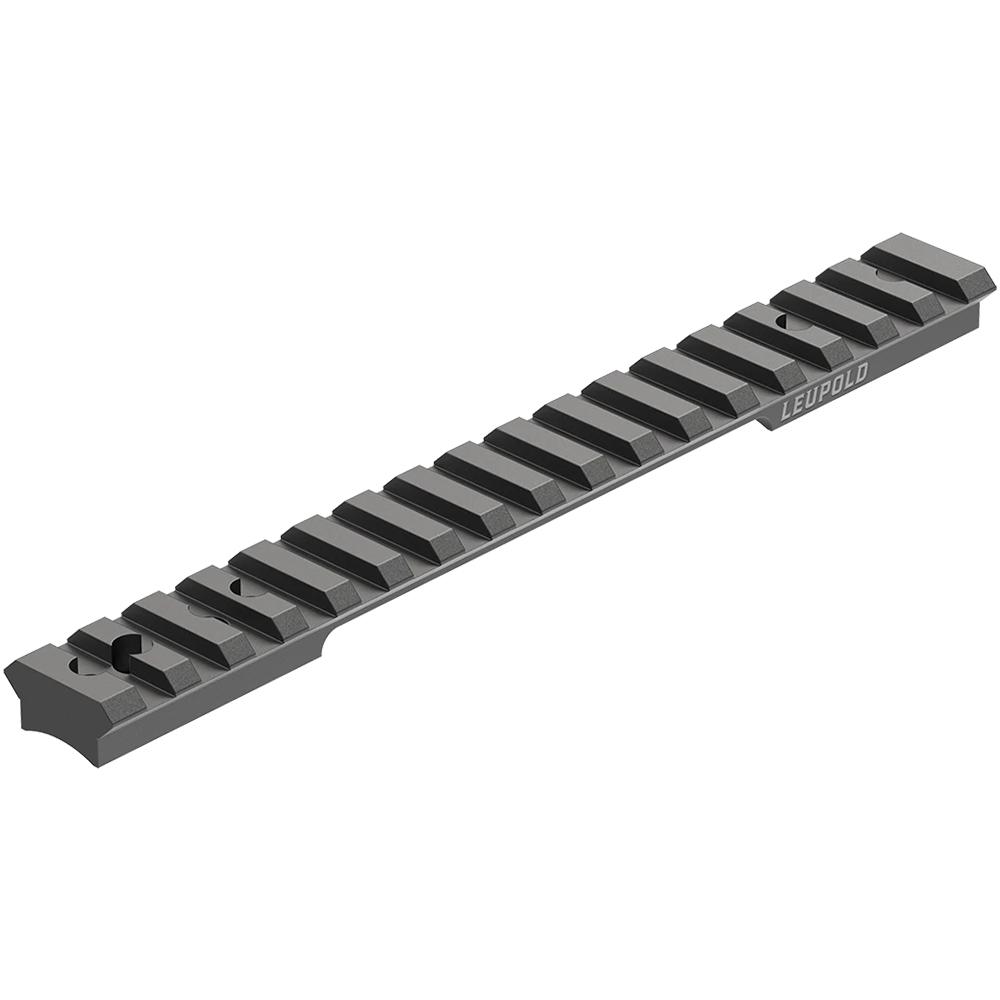
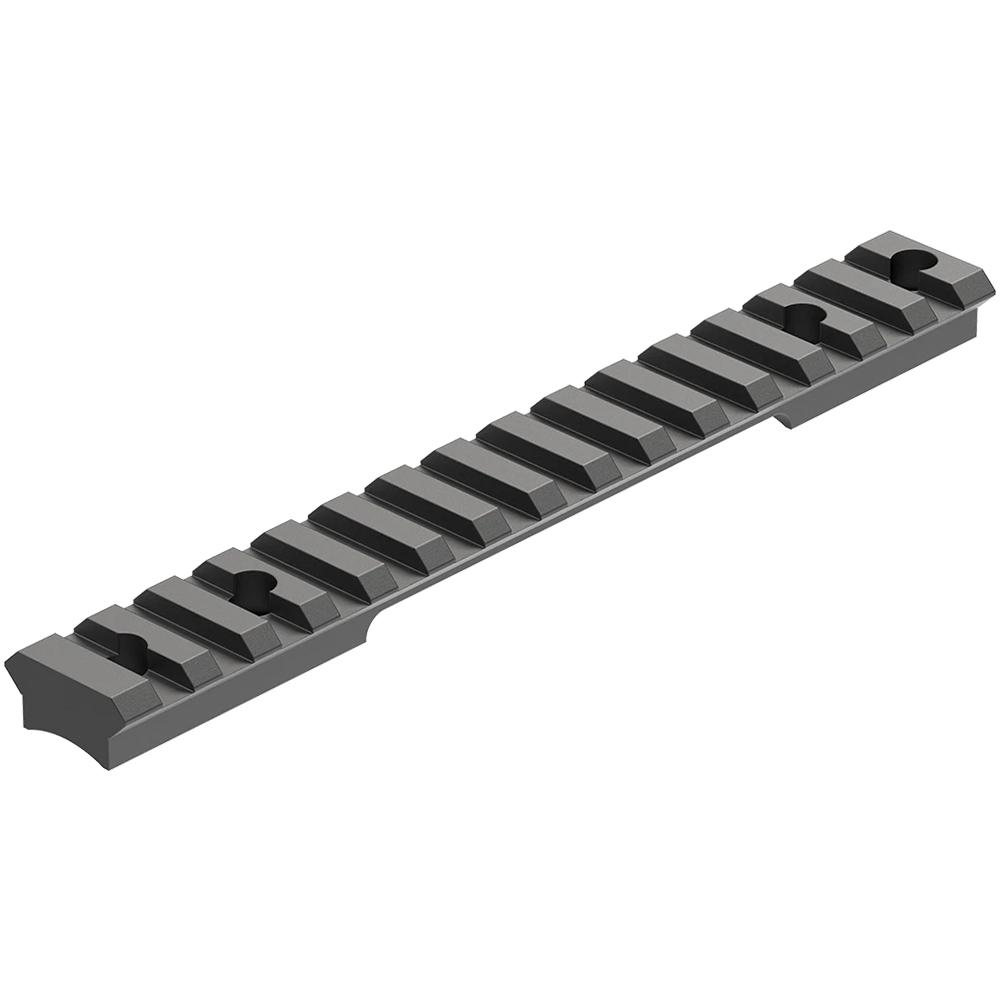
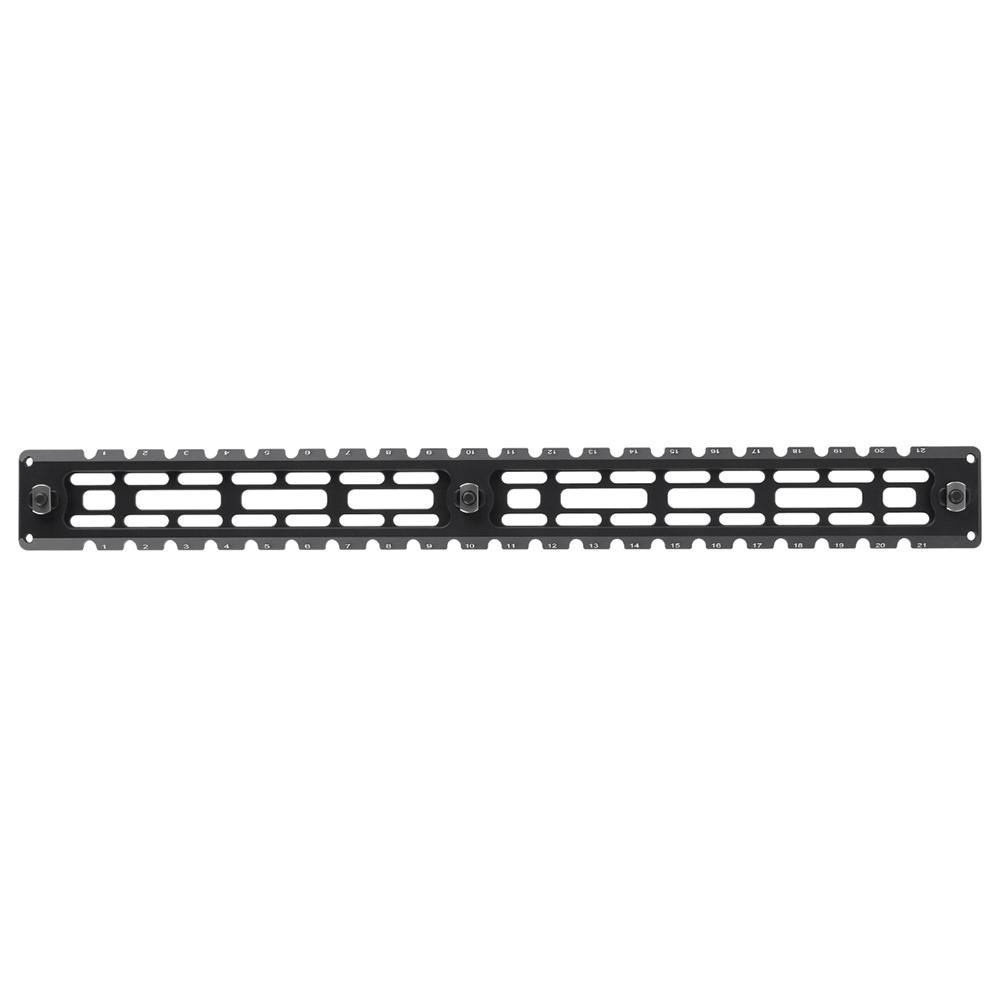
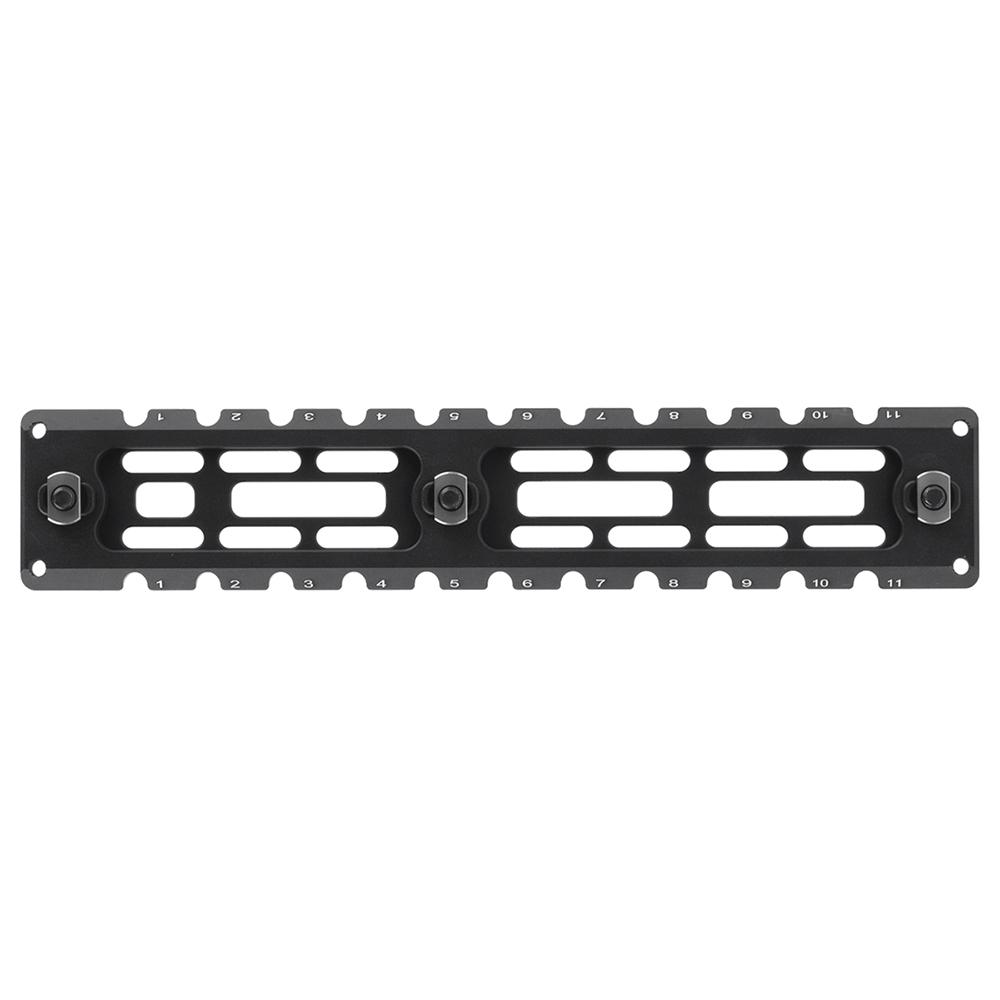
Home building has moved from a niche machinist hobby to a mainstream path into rifle and pistol ownership. The legal landscape around unserialized builds shifts from state to state and continues to move, so confirm your own state rules before ordering anything. What follows is equipment analysis: what separates a frame or receiver blank that finishes cleanly from one that produces a rattling, out of spec host you will never trust past 200 rounds.
Two Different Products, Two Different Skill Curves
An 80 percent AR-15 lower and a polymer Glock-pattern frame kit get lumped together, but they demand different tools and different tolerances.
- AR-15 lower receiver blank. You remove material from the fire control pocket, typically to a finished depth near 1.250 inches, then drill the trigger and hammer pin holes at roughly 5/32 inch (0.154 to 0.156 inch), the safety selector hole at 3/8 inch, and the trigger slot. Every one of those is a location-critical hole. Drift of 0.010 inch in the hammer pin location shows up as a gritty trigger or light primer strikes.
- Polymer pistol frame kit. The work is mostly rail block alignment, pin hole drilling, and removing molded support tabs with a file or rotary tool. Less material removal, but rail squareness controls how the slide tracks. A frame that finishes with the front rails canted will chew brass and shift point of impact.
Alloy and Material Grade Matter More Than Finish Color
For AR-15 receivers, the two common alloys are 6061-T6 and 7075-T6. Their published mechanical properties are not close: 6061-T6 runs around 45,000 psi ultimate tensile strength, while 7075-T6 sits near 83,000 psi. Forged 7075-T6 is the mil-spec material and the right answer for a rifle that will see suppressed fire, heavy carbine classes, or a piston upper. Billet 6061-T6 machines more easily and is fine for a 22 LR plinker or a low round count safe queen.
On polymer frames, look for glass-reinforced nylon rather than unfilled polymer, and check whether the rail inserts are stamped steel or machined. Stamped rails are standard on factory pistols and hold up fine. What matters is that they are fully captured in the frame, not floating in an oversized pocket.
Anodizing on an aluminum receiver should be Type III hardcoat. Type II decorative anodize will wear through at the takedown pin holes and magwell lip inside a few thousand rounds of range use.
Jigs and Tooling: Where the Real Cost Hides
The blank is rarely the expensive part. A universal jig with hardened steel drill bushings, carbide end mills, and a drill press capable of holding a square setup is the actual investment. A hand drill and a soft aluminum jig will give you an oversized pocket and elongated pin holes.
Checklist before you order:
- Does the jig include hardened bushings, or plain aluminum guides that will wallow out after two builds?
- Are end mills carbide or high speed steel? Carbide holds a cleaner edge in 7075 but snaps if you plunge too fast.
- Do you have a vise and a drill press, or only a handheld drill?
- Is the jig reusable across multiple receivers, amortizing cost over a build series?
If you plan exactly one build and own no drill press, the tooling cost per finished receiver will exceed a complete stripped lower. Build for the second and third project, not the first.
Fitment and Compatibility
A finished AR lower has to accept a standard lower parts kit and buffer assembly. Confirm the buffer tube thread, since mil-spec receiver extensions use a 1-3/16 x 16 thread while commercial tubes use 1.17 x 16 and are not interchangeable. Torque the castle nut to roughly 38 to 42 ft-lb and stake it. On the upper side, a 5.56 barrel will almost always be threaded 1/2×28, and a .308 muzzle 5/8×24, which drives your muzzle device and suppressor planning. Our suppressor buyer’s guide covers host thread matching and mount selection in more depth.
On the pistol side, Glock-pattern frames typically accept Gen3 slides and barrels. A 4.02 inch Glock 19 length barrel with a 15 round magazine gives you a compact host; a 4.49 inch Glock 17 length barrel with 17 rounds gives a longer sight radius and slightly more velocity. Threaded aftermarket 9mm barrels are commonly 1/2×28. If you intend to run an optic, verify the slide’s footprint, since RMR and RMSc patterns are not cross compatible without an adapter plate. Our carry red dot guide breaks down footprint selection and window sizing for compact pistols.
Barrel and Twist Decisions on a Rifle Build
Once the lower is finished, the upper drives performance. A 16 inch 5.56 barrel with a 1:7 twist stabilizes 62 to 77 grain projectiles and is the general purpose choice. A 1:9 twist favors 55 grain loads and gets marginal above 69 grain. Expect 55 grain M193 to run around 3,050 to 3,150 fps from a 16 inch barrel versus roughly 3,240 fps from a 20 inch, and 77 grain match loads near 2,700 fps from 16 inches. A 10.5 inch barrel gives up several hundred feet per second and is best paired with a can, since unsuppressed short barrels dump muzzle blast hard.
Ownership, Storage, and Transport
A home-built firearm carries the same maintenance obligations as a factory gun, plus one extra: you are the quality control department. Function check after the first 200 rounds, then inspect the fire control pocket for peening. On polymer frames, watch the rail inserts for migration after 500 rounds and re-check the locking block pin.
Serialization is worth considering even where not required. Engraving that meets the common commercial standard is at least 0.003 inch deep with characters no smaller than 1/16 inch. A marked receiver is easier to insure, easier to recover if stolen, and removes ambiguity when you cross a state line. If you travel with the build, store it unloaded in a locked hard case separate from ammunition, and check the rules at both ends of the trip.
For maintenance, a bore snake in the correct caliber, a nylon brush set, and a quality CLP handle most of it. Aluminum receivers in humid environments benefit from a light oil film on the buffer tube threads and pin holes, since hardcoat anodize protects the surface but not raw machined internals.
How to Decide Before You Buy
Run three questions. First, do you have a drill press, vise, and the patience for a two to four hour setup? If not, buy a complete stripped receiver instead. Second, will this host see hard use, suppressed fire, or a carry role? If yes, insist on forged 7075-T6 aluminum or a glass-filled frame with fully captured steel rails. Third, does your state permit the build you are planning in its finished configuration? Verify that before the blank ships, not after.
When you are ready to spec parts, compare AR-15 lower parts kits and Glock-compatible slides and barrels against the tolerances your build actually needs, or start from the full BLVista catalog and work backward from the host you want to end up with.
FAQ
For a duty, defensive, or high round count rifle, yes. 7075-T6 shows roughly 83,000 psi ultimate tensile strength versus about 45,000 psi for 6061-T6, and resists deformation at the takedown pin lugs and buffer tower.
A drill press, a solid vise, a jig with hardened steel bushings, carbide end mills, and correct bits, typically 5/32 inch for hammer and trigger pins and 3/8 inch for the safety selector. A handheld drill will not hold the needed tolerances.
Most accept Gen3 Glock slides, barrels, and magazines. Verify generation and rail spacing before ordering, and confirm optic footprint separately since RMR and RMSc cuts require different plates.
A 16 inch 5.56 barrel with a 1:7 twist covers 55 through 77 grain ammunition and is the most versatile choice, running around 3,050 to 3,150 fps with 55 grain loads. Shorter 10.5 or 11.5 inch barrels make sense mainly with a suppressor.
Rules vary by state and can change, so confirm locally. Even where optional, a mark at least 0.003 inch deep with 1/16 inch characters aids insurance, theft recovery, and clarity when transporting across jurisdictions.
Check fit and function at 200 rounds, then at every deep cleaning. Inspect aluminum lowers for peening in the fire control pocket and around pin holes, and polymer frames for shifted rail inserts and a fully seated locking block pin.
Was this useful?