
Brief
How to Vet Gear Without a Sponsored Video Review
A specification-first method for judging red dots, suppressors, carry pistols, and ammunition using footprints, thread pitch, weight, and verified range data.
Shop this at BLVista
Sponsorship restrictions on major video platforms have quietly thinned out the supply of paid firearm and ammunition content. That is the business side of the story, and it matters less to you than the practical consequence: the pipeline of glossy, funded gear coverage is narrower than it was five years ago, and what remains is harder to separate from advertising. The fix is not finding a new favorite reviewer. The fix is learning to read a spec sheet well enough that you no longer need one.
Below is the framework I use to evaluate optics, suppressors, pistols, and ammunition before spending money. It relies on numbers you can verify from manufacturer specification pages and on your own measurable results at the range.
Start With Dimensions and Weight, Not Impressions
Carry comfort and rifle handling are decided by ounces and inches, not adjectives. A Glock 19 Gen5 runs a 4.02 inch barrel, weighs roughly 21.5 ounces unloaded, and holds 15+1 in 9mm. A SIG P365 drops to a 3.1 inch barrel and about 17.8 ounces with a 10+1 magazine, and the XL variant stretches to a 3.7 inch barrel with 12+1. That difference of roughly four ounces and a half inch of slide length is the entire argument between the two platforms for most carriers.
Apply the same discipline to rifles. A 16 inch 5.56 barrel gives up roughly 100 to 150 fps against a 20 inch tube with 55 grain loads that leave a 20 inch barrel near 3,240 fps. M855 62 grain runs closer to 3,020 fps from 20 inches. Whether that velocity loss matters depends on your maximum realistic engagement distance and the terminal threshold of the projectile you have chosen, not on how a rifle photographs.
Optics: Footprint, Dot Size, and Torque
The single most common buying mistake in the red dot category is mounting pattern confusion. Before anything else, confirm the footprint. Trijicon RMR, Holosun 407K and 507K on the RMSc pattern, and Aimpoint ACRO P-2 are not interchangeable, and an adapter plate adds height, mass, and one more interface that can shift under recoil.
- Carry pistols: RMSc footprint dominates slim 9mm slides. Window sizes typically run near 0.6 by 0.5 inches.
- Duty and competition: RMR and ACRO footprints, heavier housings, larger glass, more weight on the slide.
- Dot size: 6 MOA subtends about 6.28 inches at 100 yards and is faster to find up close. 2 or 3 MOA is more precise past 25 yards. A 32 MOA circle with a 2 MOA center dot splits the difference.
Mounting matters as much as the optic. Most pistol optic screws want 12 to 18 inch pounds depending on the manufacturer, applied with a calibrated driver and a medium strength thread locker. Hand tight with a multi tool is how dots walk off zero at round 300. If you are sorting through footprints and mounting heights, our carry red dot buyer’s guide covers the pattern differences in detail, and you can browse current pistol red dot sights by footprint.
Suppressors: Thread Pitch, Sound Numbers, and Weight on the Muzzle
Suppressor marketing leans hard on decibel figures, and decibels are logarithmic, so small numeric differences are larger than they look. Unsuppressed 5.56 measures around 165 dB at the shooter’s ear and .308 sits in a similar band. Hearing damage risk begins around 140 dB for impulse noise. A quality rifle can typically delivers somewhere in the range of 25 to 32 dB of reduction, which brings many rifle cartridges near or just under that threshold. Rimfire and subsonic 9mm suppressed signatures frequently land in the 120s.
Practical selection points:
- Thread pitch: 1/2×28 is standard for 5.56 and most 9mm pistols. 5/8×24 is standard for .30 caliber. Verify before you buy, not after.
- Weight and length: A 12 to 16 ounce titanium rifle can changes handling far less than a 20 ounce stainless unit on a lightweight hunting rifle. Every ounce sits at the far end of the lever.
- Materials: Titanium for weight savings on low volume use, stainless or Inconel for sustained fire and magnum pressure.
- Serviceability: Rimfire cans should disassemble for cleaning. Sealed centerfire cans are self cleaning through heat and gas but cannot be scrubbed.
Point of impact shift on and off the host rifle is a real number you should measure yourself at 100 yards rather than trust a claim about. Our suppressor buyer’s guide walks through host compatibility and mounting systems.
Ammunition: Match the Load to the Barrel You Own
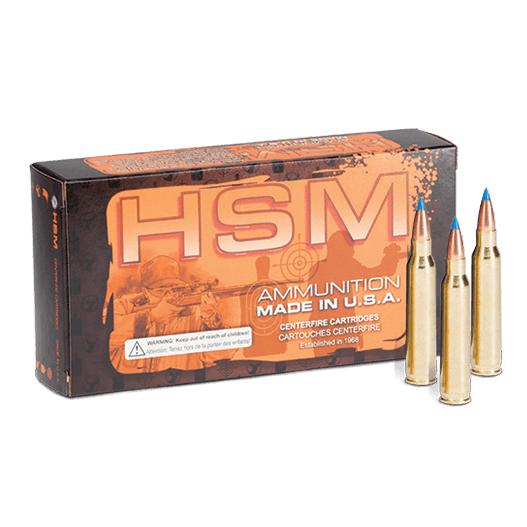
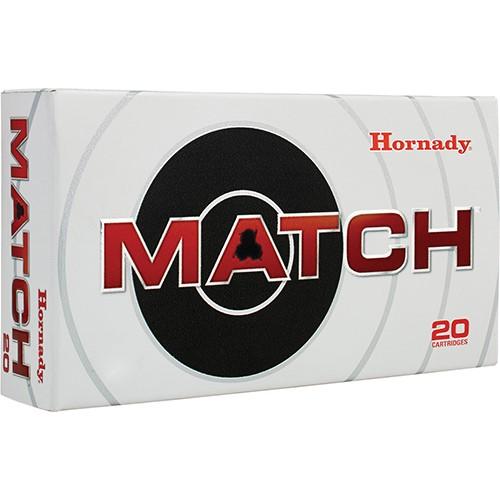
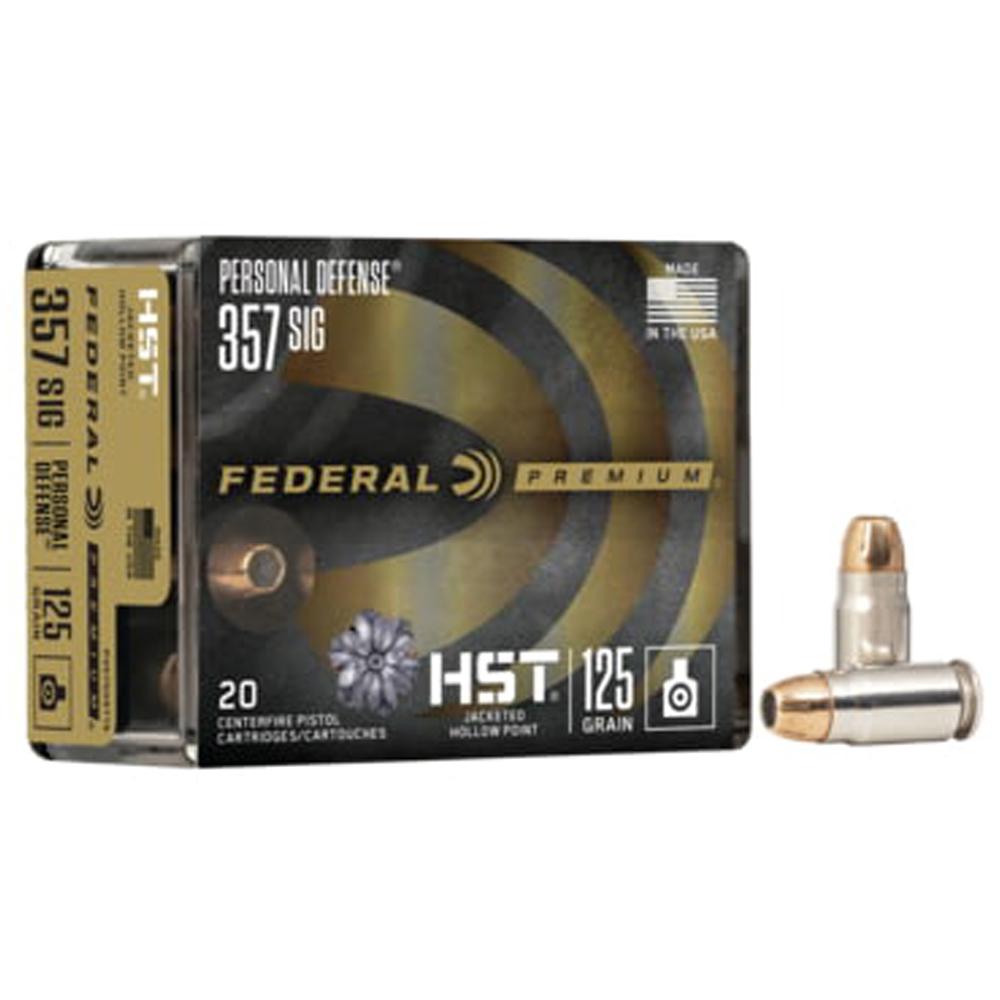
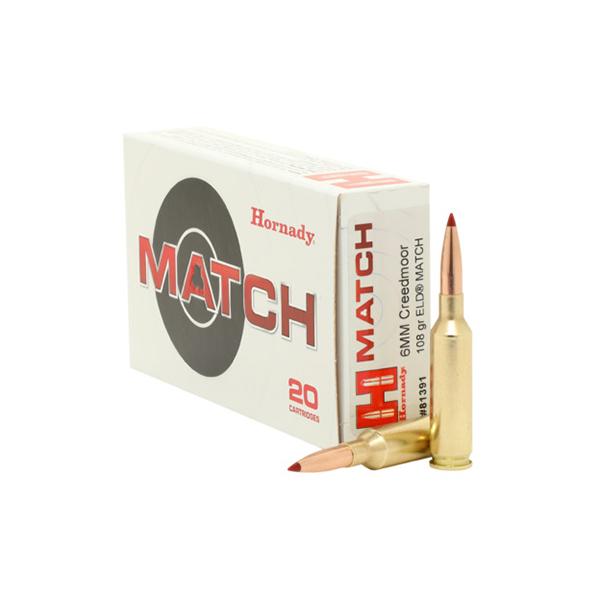
Velocity figures on a box are tied to a test barrel that is often longer than yours. Typical 9mm numbers run about 1,150 fps for 115 grain, 1,100 to 1,150 fps for 124 grain, and near 990 fps for 147 grain from a 4 inch barrel. A 3.1 inch carry pistol will trail those numbers. In .308, a 168 grain match load near 2,650 fps from 24 inches behaves differently from a 20 inch hunting barrel.
Verify with your own chronograph data and your own group sizes. One MOA equals 1.047 inches at 100 yards. Five shot groups tell you more than three shot groups, and three separate five shot groups tell you more than one lucky string.
A Five Point Checklist Before You Buy
- Fitment. Thread pitch, optic footprint, holster cut, magazine compatibility. Confirm in writing from the manufacturer’s specification page.
- Mass and dimensions. Written in ounces and inches, compared against what you already carry or shoot.
- Service life and parts. Are springs, gaskets, and mounting hardware available separately? Recoil springs on compact 9mm pistols generally want replacement around 3,000 to 5,000 rounds.
- Environmental exposure. Nitride and anodized finishes handle sweat and humidity better than bare steel. A hunting rifle that sees rain needs a different corrosion plan than a safe queen.
- Legal fitment for your address. Magazine capacity limits, feature restrictions, and transport rules vary by state. Confirm before ordering, particularly with capacity and muzzle devices.
Prove It Over 500 Rounds, Not 50
Set a verification standard and hold every purchase to it. For a carry pistol, 500 rounds of practice ammunition and at least 200 rounds of your chosen defensive load without a stoppage is a reasonable bar. Re-check optic screw torque at 200 and 500 rounds. Log zero drift. Note whether the holster still retains properly after the gun has been drawn a few hundred times in concealed carry practice. That record is worth more than any sponsored evaluation because it was generated by your hands, your gun, and your conditions.
What to Decide Before Your Next Purchase
Decide what number you are buying: fewer ounces, more capacity, a tighter group, a quieter report, or a shorter overall length. One of those is the actual driver, and the rest are consequences. Once you name it, the specification sheet answers the question in about two minutes, and the shopping trip stops being an act of faith. Start with a defined footprint or thread pitch, then compare current inventory against the checklist above.
Was this useful?