
Brief
Arken Outrider 2-12×42 and What 2-12x Buys a Hunter
A spec-driven look at the Outrider 2-12x42 SFP hunting scope: 30mm tube, 1/4 MOA clicks, 58.83 ft field of view at 2x, mounting torque, zeroing, and buying...
Shop this at BLVista
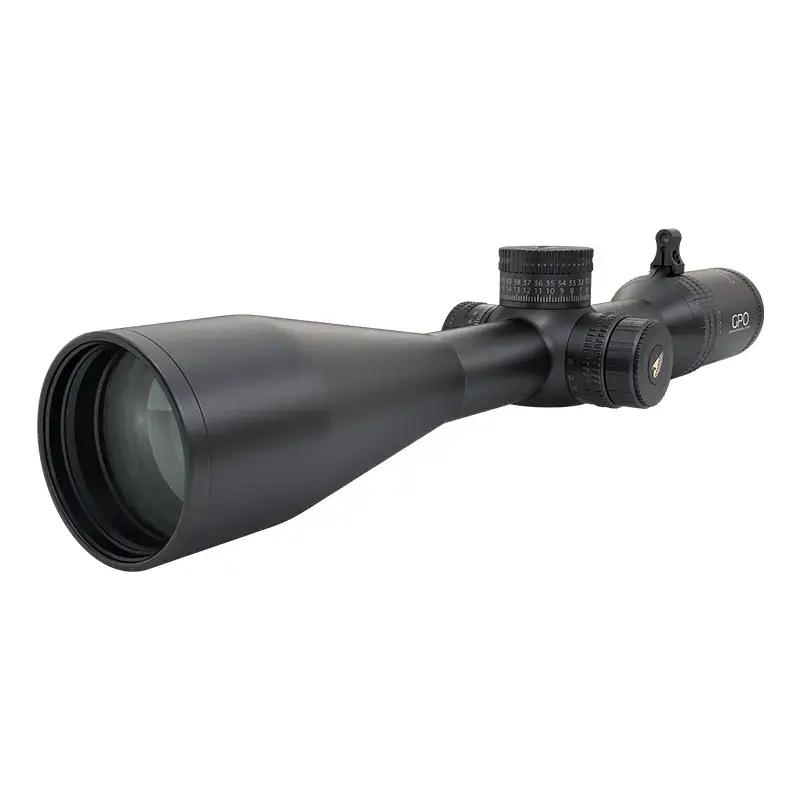
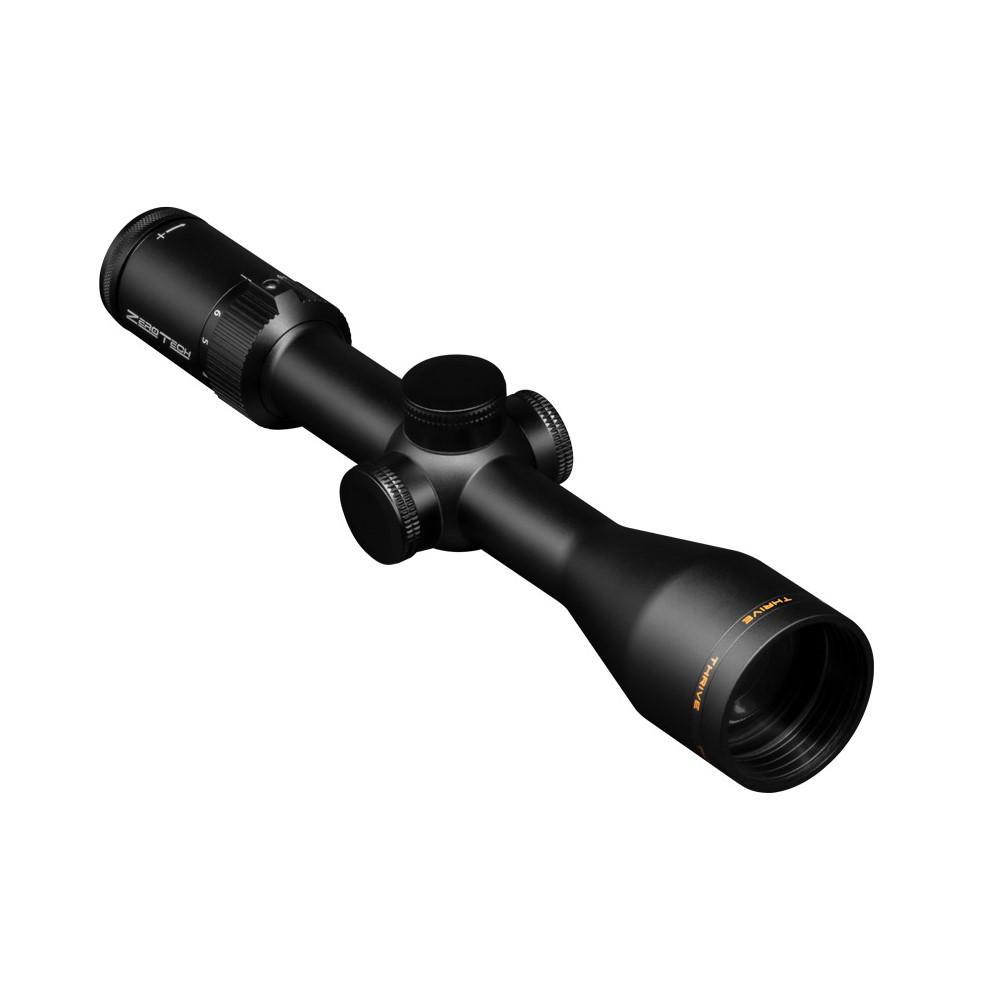
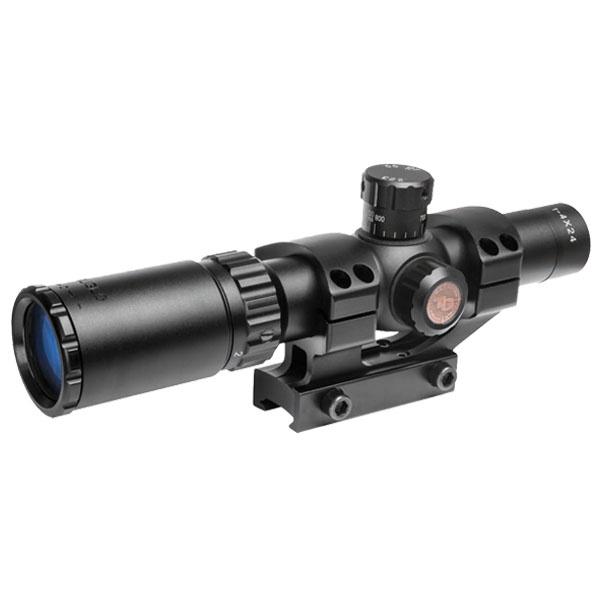
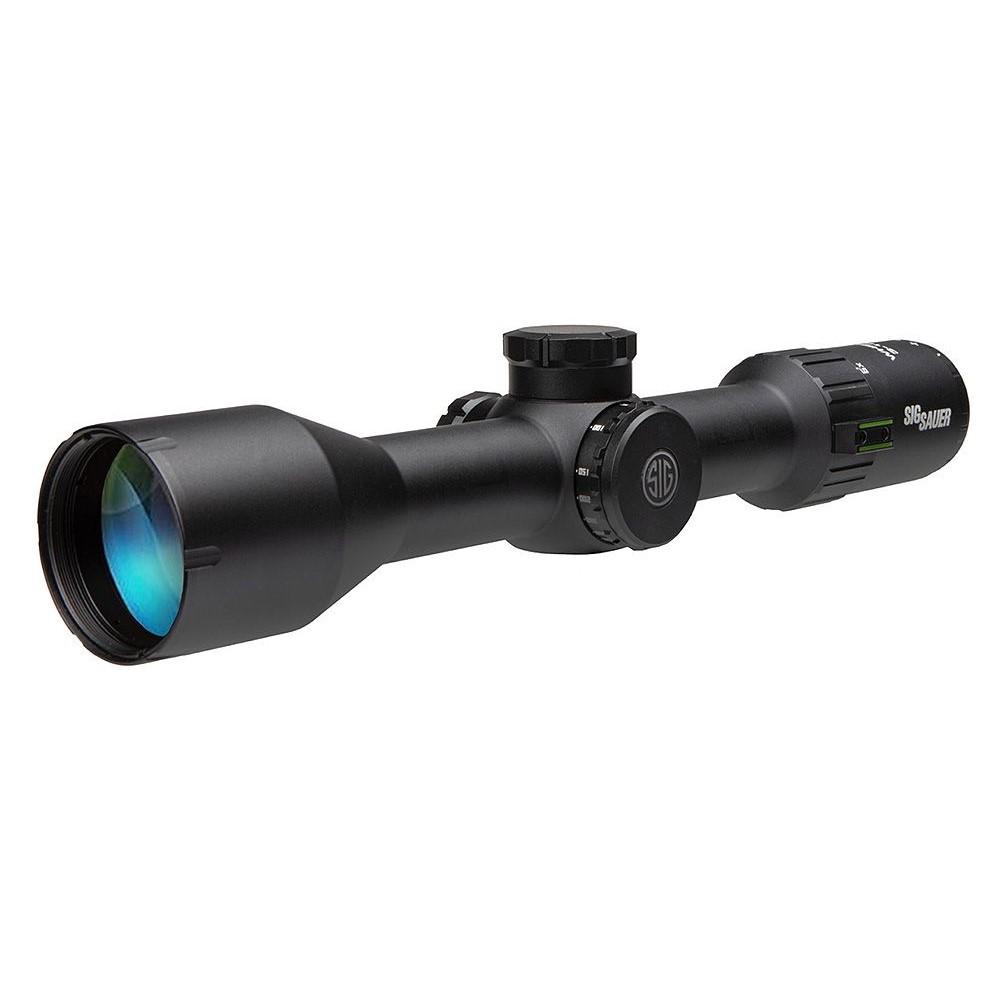
The Outrider 2-12×42 SFP is a straightforward hunting optic built around a 30mm main tube, a 42mm objective, capped turrets, and 1/4 MOA click values. It comes in two reticle options, a fiber optic illuminated duplex and a non-illuminated duplex, with published light transmission above 90 percent through Japanese HD glass and a stated field of view of 58.83 feet at 100 yards on 2x. Street pricing has been landing in the $250 to $375 band depending on reticle, which puts it squarely in the segment where most hunters actually shop.
That spec sheet matters less than what it implies about use. A 2-12x with capped turrets is a dial-once, hold-thereafter optic. It is built for someone who zeroes at the range, caps the turrets, and then spends the season using magnification and reticle subtensions instead of counting clicks in the cold.
Why the 2-12x range is the useful part
Magnification range is where most buyers overspend. A 2x bottom end is genuinely low. Compare it to the common alternatives:
- 3-9×40: the traditional standard. Field of view at 3x is typically in the 33 to 38 foot range at 100 yards.
- 2-12×42: 58.83 feet at 100 yards at the bottom end. That is a meaningful gain for timber, thick brush, and shots inside 75 yards where a running animal has to be found fast.
- 4-16×50: more top-end resolution, but a 4x floor and a larger objective that forces taller rings and a higher cheek weld.
The 12x ceiling covers realistic hunting distance. At 12x on a 42mm objective, exit pupil works out to 3.5mm, which is still workable in low light for most shooters under 40. Drop to 6x and exit pupil is 7mm, effectively as much light as a dilated human pupil can use. That is the practical argument for a 42mm objective over a 50mm: you gain low mounting and less weight, and you give up very little until you are running high magnification at last light.
Second focal plane and capped turrets
A second focal plane reticle stays the same visual size regardless of magnification. Subtensions are only correct at one power, typically the top magnification. For a duplex reticle with no hash marks, that distinction is close to irrelevant, because you are not measuring anything with it. You are placing a crosshair. SFP keeps the reticle visible and usable at 2x in dim timber, where a first focal plane reticle at minimum power can shrink to a hair.
Capped turrets are a deliberate limitation, and a good one for field use. They protect the zero from pack straps, truck cases, and blind walls. If your shooting is mostly inside 400 yards with a modern cartridge, you may never need to dial. If you plan to dial regularly, look at exposed turrets with a zero stop instead and accept the added care required.
Quick decision checklist
- Do you hold or dial? Hold favors capped turrets and SFP. Dial favors exposed turrets and FFP.
- What is your longest honest shot? Under 400 yards rarely justifies more than 12x.
- How dark is your last legal shooting light? Illumination and glass coatings matter more than raw magnification.
- How much weight can the rifle carry? Every ounce above the bore raises the mounted center of gravity.
Mounting, torque, and the part people get wrong
A 30mm tube gives more clamping surface and more internal elevation travel than a 1 inch tube. It also requires 30mm rings, which is a compatibility item worth confirming before the scope arrives. Match ring height to objective clearance: a 42mm objective usually clears with low or medium rings on a standard Picatinny rail, which keeps the optical axis close to the bore and reduces holdover error at close range.
Torque values are not optional. Ring cap screws generally live in the 15 to 18 inch pound range and base screws in the 25 to 35 inch pound range, but the manufacturer’s published figure always wins. Use a calibrated driver. Overtightening a ring cap can distort the tube and shift point of impact in ways that look like a defective scope. If you are shopping mounts, browse 30mm scope rings and bases and confirm the rail standard on your receiver first.
Zeroing plan and ammunition budget
With 1/4 MOA clicks, each click moves point of impact about 0.262 inch at 100 yards, roughly a quarter inch. Four clicks per inch is easy math in the field. Budget 40 to 60 rounds to establish a confident zero and confirm it: a fouling shot or two, a 3 shot group at 25 yards to get on paper, a 100 yard group, then confirmation groups at your expected distances.
For a 6.5 Creedmoor pushing a 143 grain bullet near 2,700 fps, or a .308 Winchester running a 168 grain load around 2,650 fps, a 200 yard zero keeps you within a few inches of point of aim out to about 250 yards. Beyond that, build a drop chart from your own chronographed velocity rather than a box number, because temperature and barrel length shift real velocity noticeably. A 16 inch barrel and a 24 inch barrel in the same cartridge can differ by well over 100 fps.
Durability and the ownership cycle
Judge a hunting scope on three failure modes: zero retention under recoil and impact, fog resistance, and mechanical tracking. Nitrogen or argon purging and O-ring sealing address the second. The first two you verify yourself. After mounting, shoot a group, remove the rifle from the rest, walk 50 yards, return, and shoot again. If the groups overlap, you have a stable system.
Maintenance is minimal and mostly about discipline. Keep lens caps on in transit, clean glass with a blower and a lens pen before a cloth ever touches it, and check ring torque at the start of each season. Store the rifle horizontally or muzzle down in a controlled environment rather than in a sealed foam case that traps moisture. A lifetime warranty is worth something, but only if it covers transferable ownership and does not require a receipt you lost four years ago. Read the terms before you buy.
Where this scope fits and where it does not
The Outrider profile suits a walking rifle in .243, 6.5 Creedmoor, .308, .270, or .30-06 used for deer, hogs, and general western hunting inside 500 yards. It is not the right tool for a dedicated long range rig where you dial every shot, and it is not a competition optic. For a broader look at how magnification range, reticle style, and turret design interact, our rifle field optics guide covers the tradeoffs in more depth, and you can compare current hunting riflescopes in this magnification class to see how the segment stacks up.
What to settle before you order
Decide three things: illuminated or not, ring height for your objective and stock comb, and whether your season demands dialing. Illumination earns its cost if you hunt the first and last 30 minutes of legal light against dark hides. Ring height determines whether you get a repeatable cheek weld. Turret style determines whether the scope matches how you actually shoot. Get those three right and a $300 optic will outperform a $900 one that was chosen without a plan.
FAQ
Yes for most hunting situations. 12x resolves a deer-sized target well past 500 yards, and the 2x low end gives a 58.83 foot field of view at 100 yards for close timber. Most hunters take actual shots between 6x and 9x.
A second focal plane reticle stays the same apparent size at every magnification, so holdover marks are accurate only at one specified power. A first focal plane reticle scales with magnification, so subtensions are correct at any power. SFP suits simple duplex hunting reticles, FFP suits ranging and dialing.
A 30mm tube typically provides more internal elevation and windage travel and a stiffer body, and it requires 30mm rings. For a capped-turret hunting scope used inside 500 yards, either works, but 30mm leaves more correction room.
About 0.262 inch at 100 yards, so four clicks equal roughly one inch. At 200 yards each click is about half an inch and at 300 yards about three quarters of an inch.
Illumination pays off if you hunt the first and last 30 minutes of legal light against dark backgrounds where a black crosshair fades. For open daylight shooting, a non-illuminated duplex costs less and removes a pre-hunt check.
Low to medium rings normally clear a 42mm objective on a flat top or Picatinny rail. Pick the lowest height that clears the objective bell while preserving a natural cheek weld.
Verify ring and base torque at the start of each season, after any drop or hard impact, and after air travel, then confirm zero with a 3 shot group.
Was this useful?