
Brief
Why a New Duty Pistol Needs a 500-Round Skill Audit
Skills do not transfer automatically to new gear. A round-counted, timed verification process for new pistols, optics, and holsters with real standards and...
Shop this at BLVista
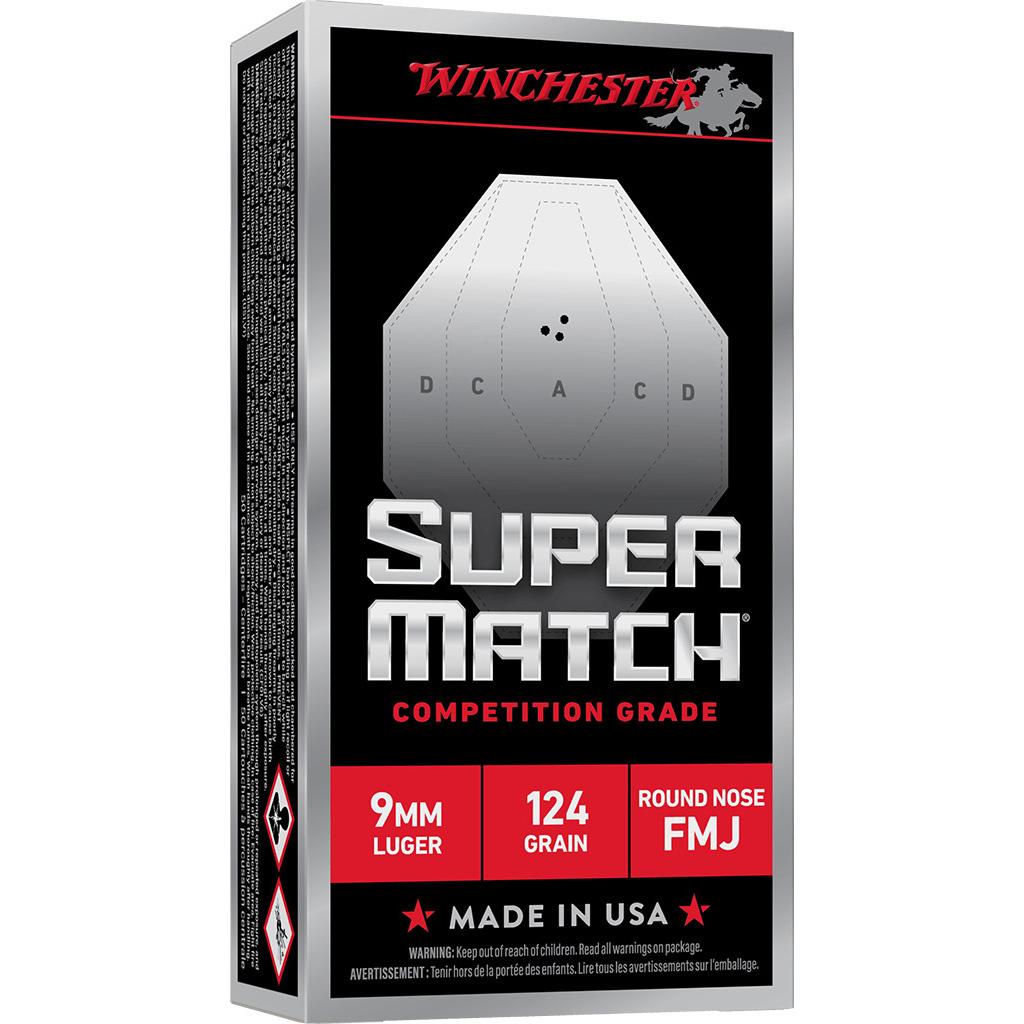 Winchester Super Match Handgun Ammunition 9mm Luger 124gr FMJ 1140fps 50/ct
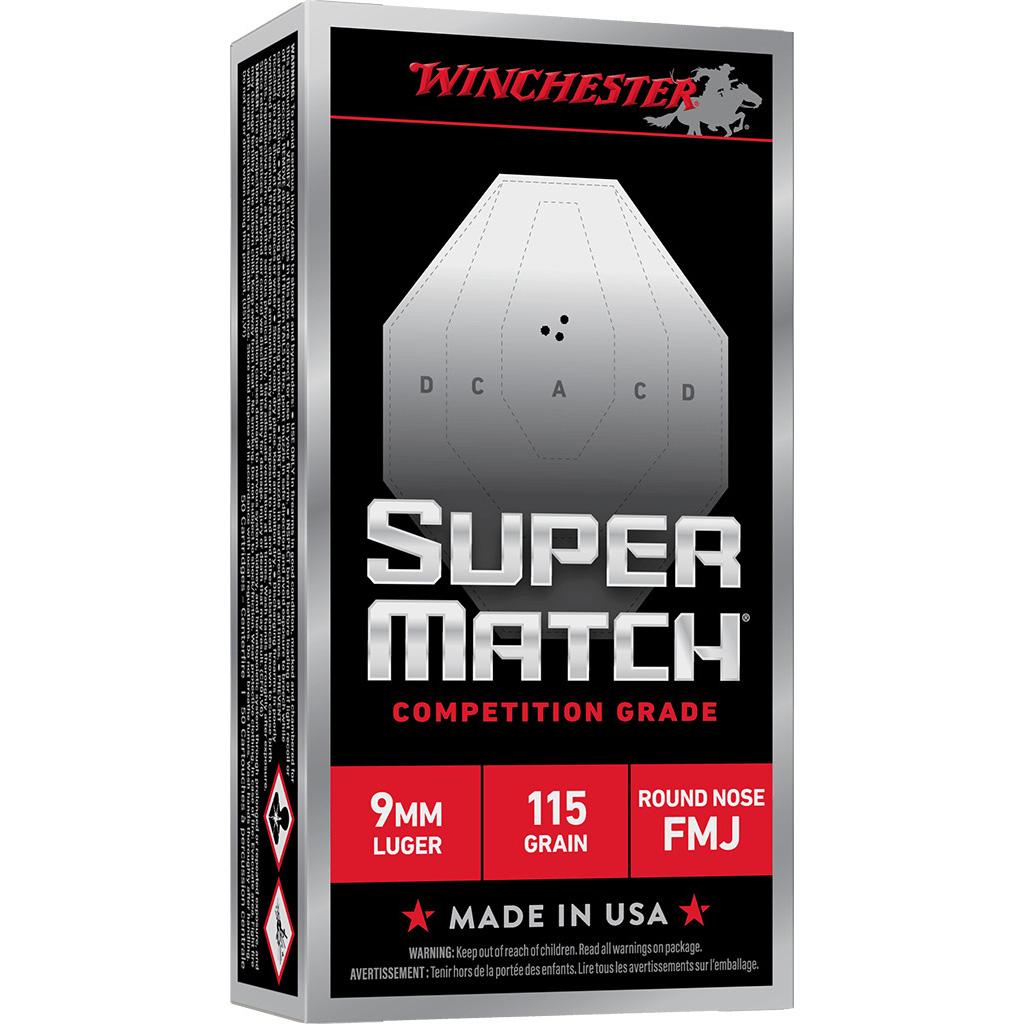 Winchester Super Match Handgun Ammunition 9mm Luger 115gr FMJ 1215fps 50/ct
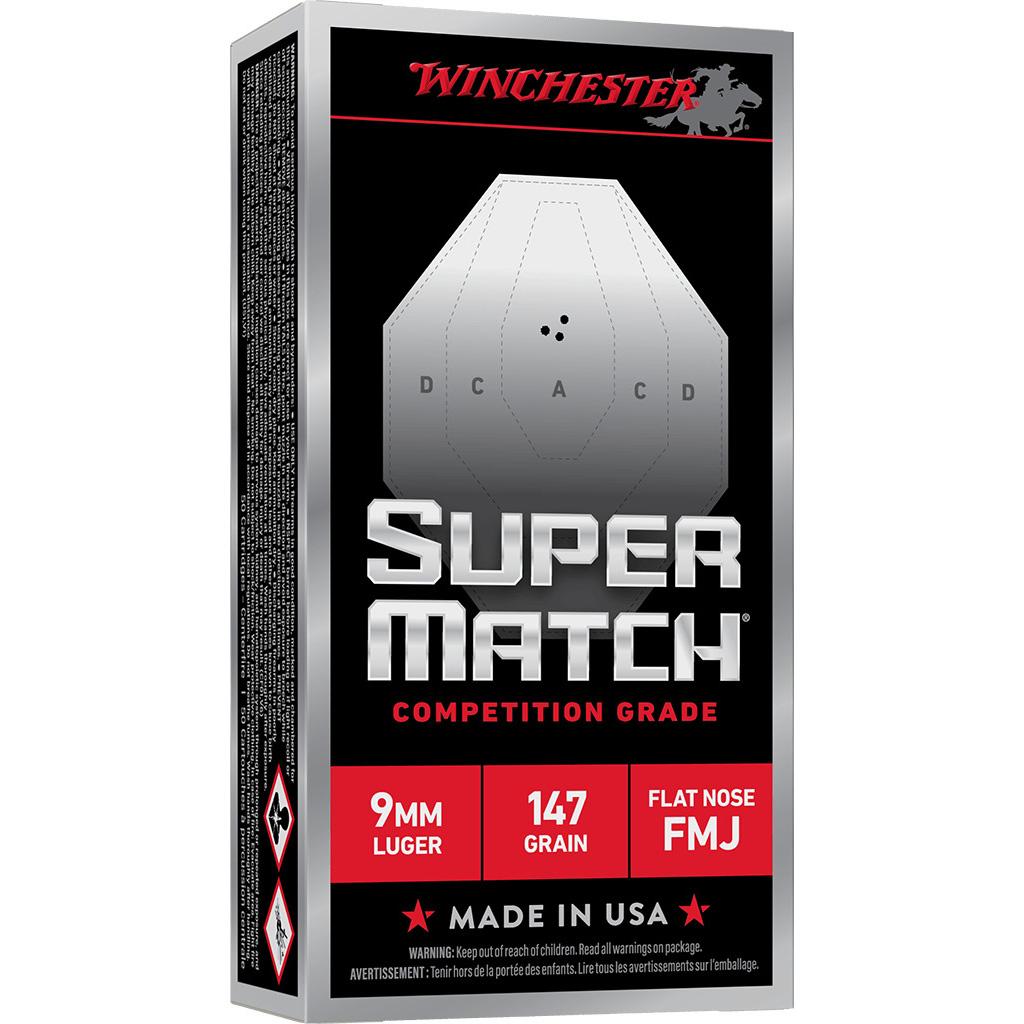 Winchester Super Match handgun Ammunition 9mm Luger 147gr FMJ 942fps 50/ct
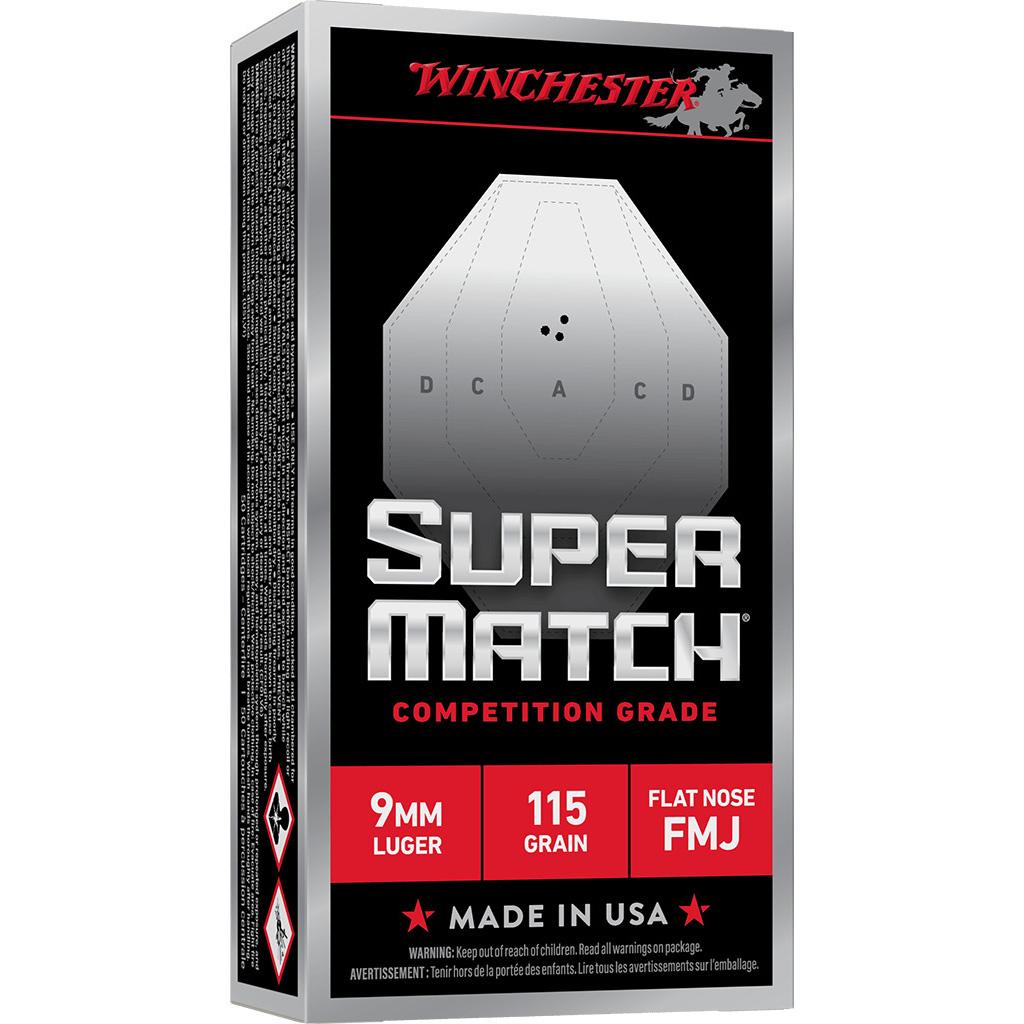 Winchester Super Match Flat Nose Handgun Ammunition 9mm Luger 115gr FMJ 1215fps 50/ct
There is a common assumption in the shooting world that competence carries forward. Shoot well with one pistol and you will shoot well with the next one. Run a duty rig for six years and you will adapt to a new holster, a new trigger, or a new optic on the first range block. That assumption holds for maybe half of the skill set. The other half, the part tied to the specific geometry of the gun, the sight picture, the reload path, and the draw stroke, has to be rebuilt deliberately. That rebuild is where most shooters skip the work and simply hope repetition will fill the gap on its own.
The same failure shows up in professional settings. Someone moves into a role that looks adjacent to the one they already mastered, gets no structured training for the new part, and everyone treats the resulting problems as a personal shortcoming instead of a training gap. Gear transitions work identically. The fix is the same too: name the specific skills, set measurable standards, and put in the reps before the new setup is the one you are betting on.
Name the Skills Instead of Calling It All Shooting
“Shooting” hides a dozen separate mechanical skills that degrade at different rates. When you change a platform, each one has to be re-verified on its own:
- Draw to first shot. Holster cut, retention level, and ride height change the grip index. A 1.5 second concealed draw to an A-zone hit at 7 yards can stretch past 2.0 seconds with a new holster body even when nothing about the shooter changed.
- Trigger management. Moving from a 5.5 pound striker trigger with a long reset to a 4 pound flat-faced trigger changes where your break happens. Groups open up vertically until the finger relearns the wall.
- Recoil control. A Glock 19 Gen5 at 4.02 inches of barrel and roughly 23.6 ounces unloaded does not track the same as a Glock 17 at 4.49 inches and about 25 ounces, and neither tracks like a 30 ounce steel-frame compact.
- Sight acquisition. Irons to a 3 MOA carry dot is a different visual task entirely. Dot pickup on the draw is a trainable skill with its own failure mode, which is hunting for the dot low and left of the target.
- Reloads and malfunction clearing. Magazine release size, magwell bevel, and baseplate shape all change the insertion path. A 17-round magazine seats differently than a 15-round flush-fit unit.
Each of those is testable. Treat them as separate line items, not one vague category.
Measurable Standards Beat Time Spent
Hours at the range mean nothing without a score attached. Use targets with fixed dimensions and a shot timer so the data is comparable session to session. Three benchmarks cover most of the ground:
- Accuracy floor. A B-8 repair center with a 5.54 inch ten ring, 10 rounds slow fire at 25 yards, all inside the black. This exposes trigger and grip problems that speed drills hide.
- Precision under time. A 3×5 index card at 7 yards, five rounds, all hits. Then the same card from the holster with a par time.
- Speed with acceptable accuracy. The USPSA A-zone measures roughly 6 by 11 inches. Draw and fire two rounds at 7 yards, and log the split and the first-shot time separately so you know which half is slow.
Write the numbers down. A logbook with dates, round counts, and times turns vague impressions into evidence. When you decide whether a new optic or holster is actually working, that log is what makes the call for you. A quality shot timer is the cheapest piece of gear that will honestly grade your performance.
The 500-Round Verification Block
Before a pistol goes into a carry or duty role, it needs a documented break-in and reliability window with the exact ammunition and magazines you intend to use. Five hundred rounds is a reasonable threshold for a modern service pistol, split roughly as follows:
- 100 rounds of slow fire for zero confirmation and accuracy baseline
- 200 rounds of draw, reload, and transition work at 3 to 15 yards
- 100 rounds with your actual duty or carry load, commonly a 124 grain 9mm at roughly 1,150 fps or a 147 grain at roughly 990 fps, because bullet profile and pressure affect feeding and slide timing
- 100 rounds of degraded-condition work: support hand only, dominant hand only, and induced malfunctions
Zero stoppages attributable to the gun across that block is the pass condition. One unexplained failure to feed means you keep testing, not that you shrug and carry it anyway.
Compatibility and Fitment Details People Skip
Gear transitions fail on details that never show up in a product description. Optic footprint is the big one. A Trijicon RMR pattern and an RMSc pattern are not interchangeable, and a slide cut for one will not accept the other without an adapter plate that adds height and another interface to check. Verify that your sights still co-witness or at least give you a usable backup picture at the new optic height.
On the accessory side, confirm belt width before you buy. Most duty belts run 2.25 inches while everyday carry belts are typically 1.5 inches, and a loop mismatch means the holster rides loose no matter how good the shell is. For threaded barrels, 9mm hosts are usually 1/2×28 and .30 caliber rifles are commonly 5/8×24, so confirm pitch before ordering a muzzle device. Our carry red dot buyer’s guide walks through footprint matching and window size tradeoffs in more depth, and the concealed carry readiness guide covers holster and belt pairing.
Ownership Lifecycle and Maintenance Intervals
Training loads consume parts. Recoil springs on compact 9mm pistols are commonly rated for replacement somewhere around 5,000 rounds, and extractors, magazine springs, and striker springs have finite service lives as well. If you shoot 200 rounds a month, that is a spring change roughly every two years, and it belongs on a calendar rather than a hunch.
Environmental exposure matters for anyone who hunts or works outdoors. Salt air, sustained humidity, and sub-freezing temperatures all change how a lubricant behaves. Heavy grease that works fine in July can stiffen enough in single-digit cold to slow slide return. Test your cold weather setup in cold weather before it counts. Store firearms in a controlled environment rather than a sealed case with a foam liner that traps moisture against metal, and rotate carry ammunition annually if it lives in a magazine exposed to body heat and sweat.
A Four-Question Check Before You Commit to New Gear
- What specific skill does this change? If you cannot name it, you are buying a preference rather than a capability.
- What does it cost in retraining reps? A new trigger or holster may require 300 to 500 rounds and several weeks of dry practice to reach your previous baseline.
- Does it fit the rest of the system? Belt width, optic footprint, thread pitch, magazine compatibility, and storage all have to line up.
- Can I prove it works? Documented round count, timed standards, and zero unexplained stoppages.
Applied consistently, that checklist stops the slow accumulation of gear that never got verified. If you are assembling or updating a range kit, start with the measurement tools and the parts that touch reliability, then browse holsters and carry hardware once you know exactly what the platform requires.
What to Set Up Before Your Next Range Block
Pick one standard you can score, one drill that exposes your weakest mechanical skill, and one logbook entry format you will actually use. Bring 200 rounds, a timer, and printed targets with known dimensions. Verify the new gear against the old baseline instead of assuming the transfer happened. The shooter who treats every equipment change as a small retraining project stays ahead of the one who treats it as an upgrade and hopes for the best.
FAQ
Five hundred rounds is a defensible threshold for a modern service pistol, including at least 100 rounds of your actual carry load through the magazines you will carry. Zero stoppages caused by the gun is the pass condition. Any unexplained malfunction means more testing, not acceptance.
No, but you do need to re-time your draw. Holster ride height, cant, and retention level change your grip index, which changes first-shot time. Expect several hundred dry repetitions before your draw returns to its previous par time.
Use fixed-dimension targets so results are comparable over time. A B-8 repair center with a 5.54 inch ten ring works for accuracy at 25 yards, a 3x5 index card works for precision at 7 yards, and a 6 by 11 inch A-zone works for speed drills. Pair them with a shot timer and a written log.
They are not. RMR and RMSc patterns use different screw spacing and recoil lug geometry, and mounting either on the wrong cut requires an adapter plate that raises the optic and adds another interface to verify. Confirm your slide cut before purchase.
Many compact and full-size 9mm pistols call for recoil spring replacement near the 5,000 round mark, with magazine and striker springs on their own schedules. Track round count in a maintenance log and replace on interval rather than waiting for a failure.
It can. Thick grease can stiffen in freezing temperatures and slow slide return, and gloves change your trigger contact and reload mechanics. Test your winter lubricant, holster, and glove combination in actual cold conditions before relying on it for hunting or duty use.
Was this useful?