
Brief
3D Printed Gun Parts Need a Hard Safety Filter
A buyer-focused look at 3D printed gun parts, firearm safety, material limits, pressure risks, fitment, maintenance, and compliance concerns.
Shop this at BLVista

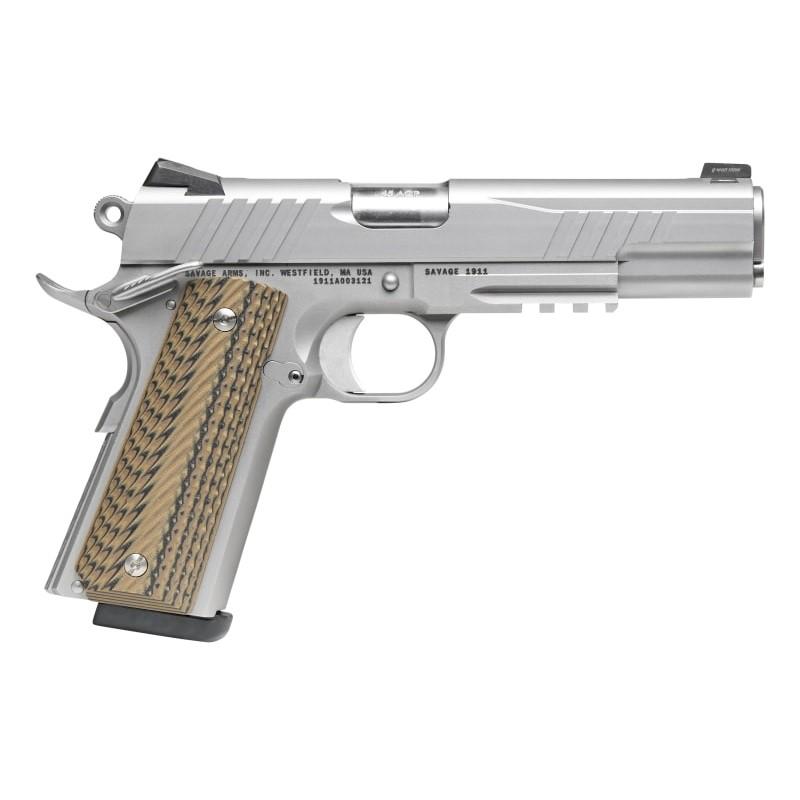
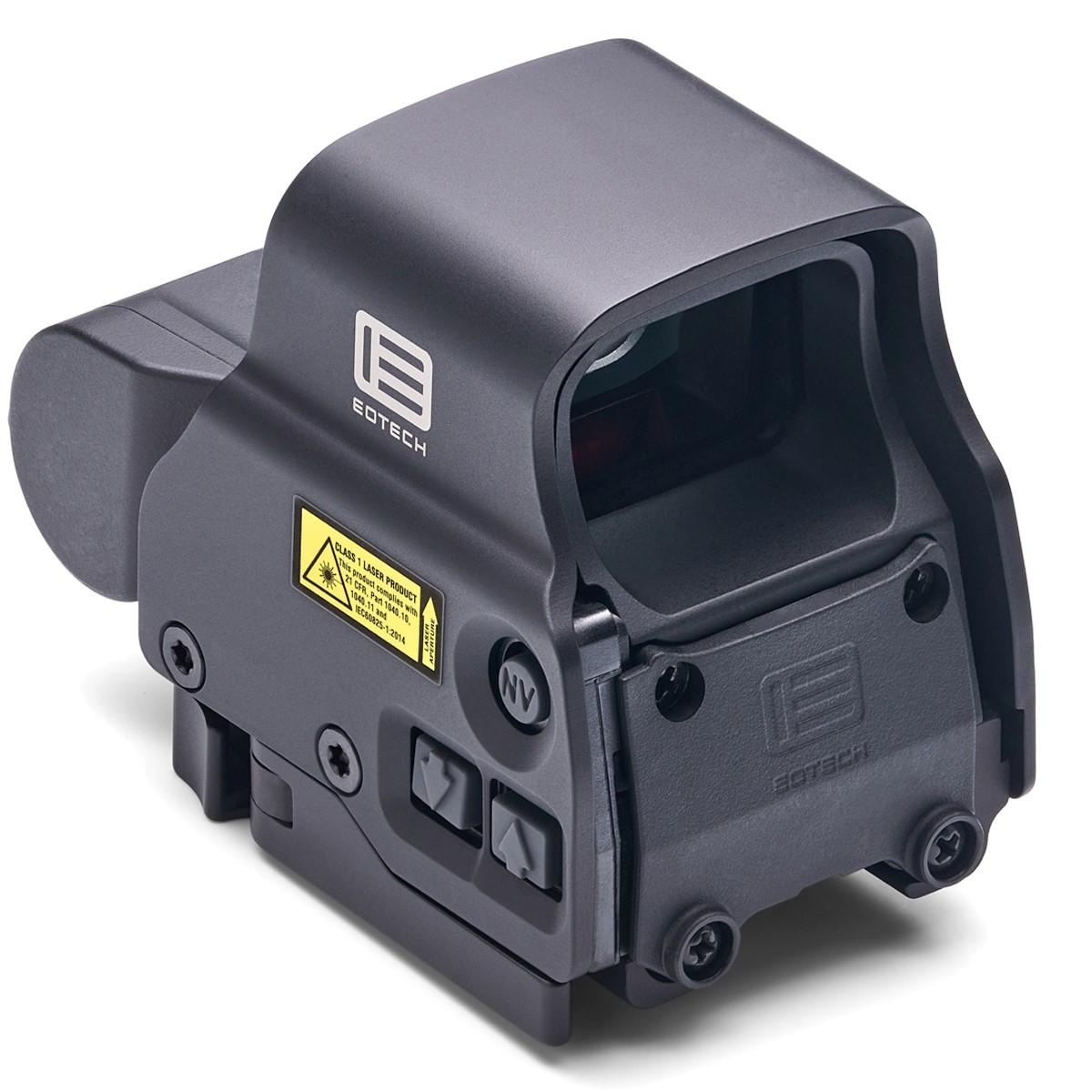
3D printed firearm parts sit at the intersection of home workshop curiosity, firearms ownership, and serious safety responsibility. The attraction is easy to understand. A shooter with a printer can produce small parts, mockups, training aids, tool holders, magazine blocks, and prototype accessories at home. The problem starts when printed parts are treated like factory receivers, barrels, bolts, slides, suppressor parts, or other components that carry pressure, impact load, heat, or legal status.
Digital firearm design files and home manufacturing have drawn legal scrutiny in several states, so buyers should verify current local rules before possessing, sharing, or making regulated parts. For BLVista readers, the more useful question is equipment based: which parts belong in a serious firearm, which parts should stay on the bench, and how should a shooter evaluate the risk before trusting any component at the range, in the field, or in a defensive firearm?
A modern firearm operates under forces that leave little room for guesswork. Standard pressure 9mm Luger is loaded to a SAAMI maximum average pressure of 35,000 psi. A common 115 grain 9mm full metal jacket load often runs around 1,150 fps from a duty-size pistol barrel. A 5.56 NATO rifle commonly uses a 16 inch barrel, a 1/2×28 muzzle thread, and 30 round magazines. Even when the lower receiver is not the pressure vessel, the firearm still transfers recoil impulse, hammer impact, magazine load, takedown pin stress, and buffer system movement through the receiver and related parts.
That is why the first filter is simple: separate cosmetic, organizational, and training-use parts from structural and regulated firearm parts. A printed chamber flag, magazine loading tray, bore guide, optic cover, or dry-fire target holder carries a different risk profile than a pistol frame, AR-15 lower receiver, magazine body, fire control housing, or suppressor component. The first group can fail in a way that is inconvenient. The second group can fail in a way that injures the shooter, damages the firearm, or creates compliance problems.
Where 3D Printing Fits Around Firearms
There are legitimate firearm-adjacent uses for additive manufacturing when the part is kept outside the pressure path and outside regulated territory. Range organization is one of the safest use cases. Magazine trays, parts bins, sight adjustment tool holders, dummy battery caps, and bench blocks can help a shooter maintain equipment without asking a polymer print to contain energy it was never designed to handle.
Training aids are another reasonable category. A printed dry-fire wall target, barricade marker, shot timer stand, or inert fitment gauge can support practice without becoming part of the firearm. For concealed carry preparation, that distinction matters. A shooter working from concealment may draw hundreds of times per week. The firearm, holster, belt, and magazine carrier need known durability. A printed prop used away from the gun can help training. A printed holster clip or retention component on a carry rig introduces a different kind of risk.
Use the same logic around rifles. An AR-15 parts bin might include polymer grip plugs, bench blocks, cable management clips, and stock storage inserts. Those parts do not bear chamber pressure or lock the action. The rifle itself may be a 5.56x45mm carbine with a 16 inch barrel, a carbine-length or mid-length gas system, a 1/2×28 muzzle device, and a buffer system cycling at speed with every shot. Parts connected to that operating cycle deserve materials, geometry, and quality control that come from proven manufacturing methods.
If you are comparing factory rifle components, BLVista can help narrow the search for AR-15 lower parts, maintenance items, and support gear that make more sense for long-term ownership than experimental replacements.
Material Choice Matters More Than Printer Ownership
Owning a 3D printer does not make a part durable enough for firearms use. Common hobby materials behave very differently under heat, impact, oil exposure, and long-term load. PLA is easy to print and useful for mockups, trays, and indoor tools, but it softens under heat levels that can occur in a vehicle or enclosed range bag. PETG handles heat and impact better than PLA in many shop uses, but it still lacks the predictable strength and quality control of molded firearm-grade polymer. Nylon blends and fiber-filled filaments can improve toughness, yet they depend heavily on moisture control, print orientation, layer adhesion, and printer calibration.
Those variables matter because a printed part is anisotropic. Its strength changes depending on direction. A machined aluminum part or properly molded polymer part has more predictable behavior across the part geometry. A printed component can look solid from the outside while hiding weak layer bonding, voids, under-extrusion, or stress risers. A part that survives ten cycles at the bench may crack after heat soak, recoil, solvent exposure, or repeated magazine insertion.
Buyers should also think about temperature exposure. A rifle case in direct sun, a truck cab during summer, or a suppressor pouch near hot equipment can expose polymer to heat that changes stiffness. Suppressor bodies and pressure-bearing suppressor parts are a separate category because centerfire rifle suppressors see intense heat and gas cutting. If sound suppression is part of your equipment plan, use regulated, purpose-built products and review BLVista’s suppressor buyer guidance before buying mounts, muzzle devices, or storage gear.
Pressure, Heat, and Load Paths Should Decide the Answer
A useful decision framework is to trace where force goes when the gun fires. Start at the cartridge, then follow the load through the chamber, barrel, bolt or breech face, locking surfaces, receiver, pins, spring systems, magazine interface, and grip structure. Any part in that chain needs a higher standard than a range tray or case insert.
- Pressure containment: Barrels, chambers, bolts, slides, and suppressor baffles deal with hot gas and pressure. These are factory-manufactured component categories.
- Locking and timing: Fire control groups, locking blocks, pins, and receiver rails affect safe operation. Poor geometry can create malfunctions or unsafe wear.
- Retention: Holster clips, sling mounts, optic mounts, and light mounts hold expensive gear under movement. A failure during training can dump the gun or accessory onto concrete.
- Feeding: Magazine bodies, feed lips, followers, and baseplates affect reliability. A defensive pistol with a 17 round magazine or a carbine with a 30 round magazine needs predictable feed angle and spring control.
- Non-structural support: Bench blocks, chamber flags, cable guides, tray inserts, and labeled storage dividers are lower risk when designed with enough margin.
This same filter applies to ammunition selection. A 124 grain 9mm jacketed hollow point has a different recoil impulse and slide timing than a light training load. A 55 grain 5.56 load from a 16 inch carbine creates different heat and cyclic conditions than slow bench fire with match ammunition. If the printed part touches feeding, retention, or fire control, the ammunition and firing cadence become part of the stress test.
Fitment Is a Safety Issue, Not Just a Convenience Issue
Firearm parts are built around tolerances. On an AR-15, the relationship between the upper receiver, lower receiver, takedown pins, buffer retainer, fire control group, magazine catch, and bolt catch affects reliability. A pistol frame must place rails, locking surfaces, trigger components, and magazine geometry in the correct relationship. Small dimensional errors can create light primer strikes, failure to feed, out-of-battery risk, abnormal wear, or uncontrolled parts movement.
Printed parts can also change after production. Polymer can creep under load. Screw holes can loosen. Sharp internal corners can crack. Threaded sections can strip if the material lacks reinforcement. For accessories, this shows up as wobble, zero shift, light movement, or sling hardware failure. For functional firearm parts, the consequences are more serious.
Before trusting any firearm-related component, ask five questions:
- Does this part contain pressure or lock the action?
- Does this part control feeding, firing, extraction, or retention?
- Will failure point the muzzle, parts, gas, or debris toward the shooter or bystanders?
- Will heat, solvent, oil, ultraviolet exposure, or vehicle storage weaken it?
- Can I replace it with a factory or proven aftermarket component at reasonable cost?
If the answer points toward safety-critical function, choose a known component. For range and maintenance support, printed items may still have value when inspected and used within their limits. BLVista’s range and match loadout guidance is a better place to think through what gear needs duty-grade reliability and what gear can stay in the convenience category.
Storage, Transport, and Long-Term Ownership
Long-term ownership exposes weak gear. A printed part may survive one range day and then fail after months inside a hot case, contact with solvent, compression under load, or repeated tightening. Gun oils, copper solvents, carbon cleaners, and aerosol products can affect polymers differently. Even factory polymer frames and magazines are engineered around those exposures. Hobby prints vary by filament, printer, layer height, infill, wall count, moisture level, and post-processing.
Transport adds impact risk. A loaded range bag may include a 32 ounce pistol, loaded magazines, ear protection, tools, and ammunition boxes. A 50 round box of 124 grain 9mm adds noticeable weight. Rifle cases can stack optics, bipods, slings, magazines, and cleaning rods against accessories. Printed storage organizers can be useful, but they need enough wall thickness and rounded corners to survive repeated packing.
For home defense firearms, the standard should be higher. A defensive handgun, shotgun, or carbine should use proven factory parts, quality magazines, a secure light mount, and a storage method that protects authorized access. A 12 gauge defensive shotgun may use 2 3/4 inch buckshot loads, while a 9mm pistol may carry 15 to 17 rounds depending on model and magazine. In either case, the gear should be boringly reliable under stress. Experimental components belong on a controlled range day, not in a nightstand gun.
If you are building out a safer storage and support setup, start with proven gun safe options, range tools, and maintenance gear before spending time on novelty components.
How to Decide What Belongs on the Gun
Use a two-tier approach. Tier one is the firearm itself and anything attached to it during live fire: receiver, frame, barrel, bolt, slide, trigger parts, magazine, optic mount, sling mount, weapon light mount, muzzle device, and suppressor mount. These parts should come from manufacturers with known materials, quality control, and published fitment information. Tier two is support equipment: bench tools, storage blocks, organizers, inert trainers, dry-fire props, and case dividers. This is where 3D printing can be useful without asking the print to manage chamber pressure, recoil, or legal classification.
Cost should never be the only reason to accept unknown durability. A failed magazine baseplate at the range is annoying. A failed fire control housing, cracked frame rail, broken receiver extension area, or loose optic mount can stop training and damage equipment. A defensive firearm should stay conservative. A competition or test rifle can tolerate experimentation only when the shooter controls the environment, inspects constantly, and accepts the risk.
BLVista’s role is to help shooters reduce uncertainty. When a part carries load, heat, pressure, or compliance exposure, buy known gear through trusted channels. When a part organizes the bench or supports training away from the firearm’s operating system, a printed accessory can make sense if it is inspected and treated as consumable.
For broader equipment planning, the BLVista shop is the better starting point for proven firearm support gear, range supplies, and ownership tools that fit real use over time.
FAQ
Some 3D printed firearm-adjacent parts can be safe when they are limited to low-stress uses such as bench blocks, chamber flags, storage trays, dry-fire props, and case organizers. Parts that contain pressure, control firing, support feeding, hold optics, retain the gun, or attach to a defensive firearm need a much higher standard. For 9mm at 35,000 psi or centerfire rifle use, factory-made components are the safer choice.
An AR-15 lower does not contain chamber pressure, but it still manages fire control geometry, magazine fit, takedown pin alignment, buffer system forces, and impact from cycling. A typical AR-15 also uses 30 round magazines and often runs 5.56x45mm through a 16 inch barrel. Those forces and tolerances make a printed lower a high-risk part for most shooters compared with a serialized factory lower.
Low-stress accessories make the most sense. Examples include magazine trays, tool holders, bore guide holders, case dividers, dry-fire target stands, chamber flags, and range bench organizers. These items support firearm ownership without becoming pressure-bearing or reliability-critical components.
Magazine parts deserve caution because feed lips, followers, baseplates, and bodies directly affect reliability. A 17 round 9mm pistol magazine or 30 round AR-15 magazine depends on spring pressure, feed angle, and dimensional stability. Factory magazines remain the better choice for carry, home defense, hunting, and serious training.
Look for cracks, layer separation, heat deformation, loose screw holes, sharp internal corners, oil damage, and fit changes after storage. Treat printed accessories as wear items. If the part touches the firing cycle, retention system, optic mount, or magazine interface, replace it with a proven factory or aftermarket component.
Was this useful?