
Brief
80% Frames and Receivers Buyer Checklist
Compare 80% frames, AR-15 lowers, pistol frames, materials, fitment specs, tooling costs, storage, and safety checks before buying.
Shop this at BLVista
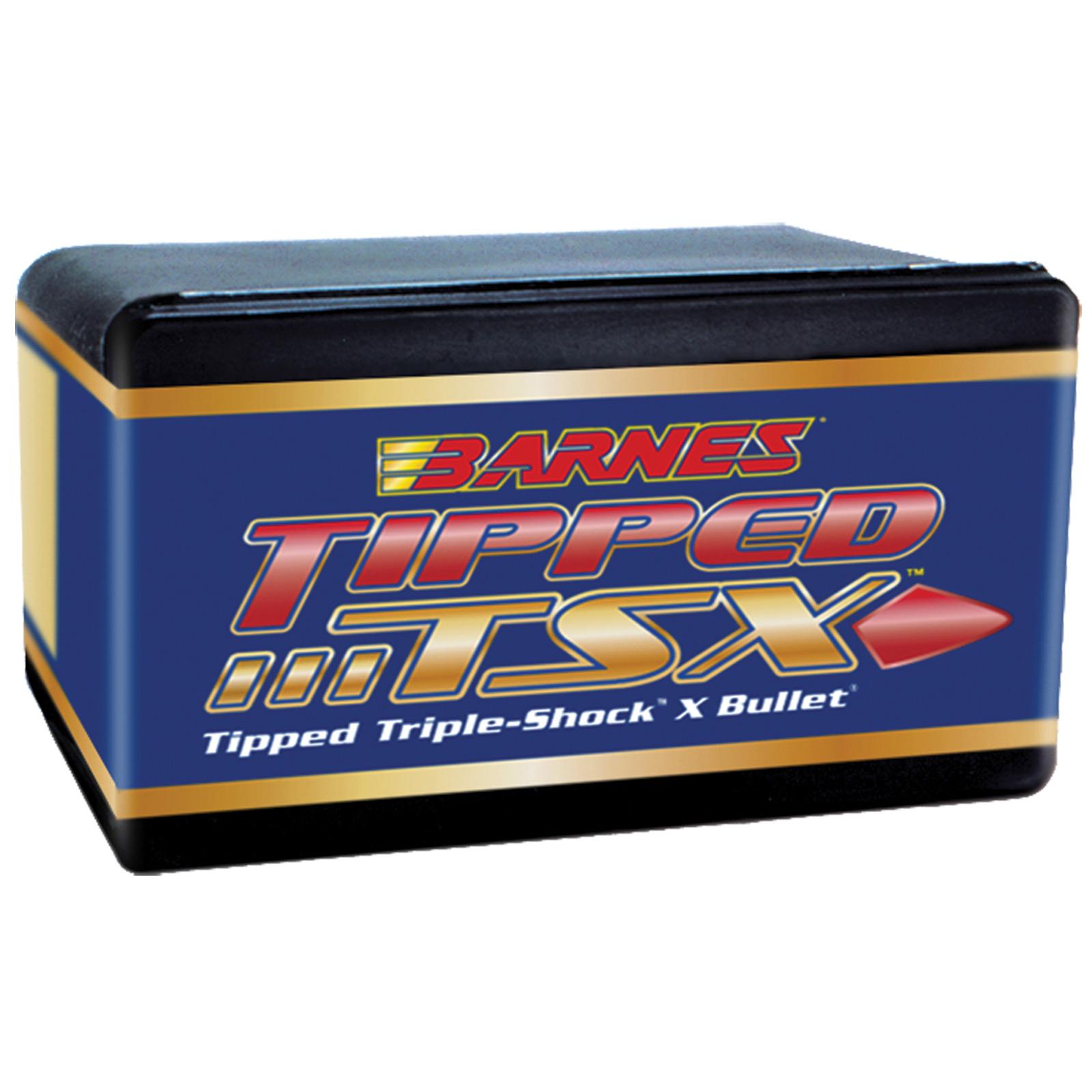 Barnes Tipped TSX (TTSX) Bullets .25 cal .257" 80 gr TTSXBT 50/ct
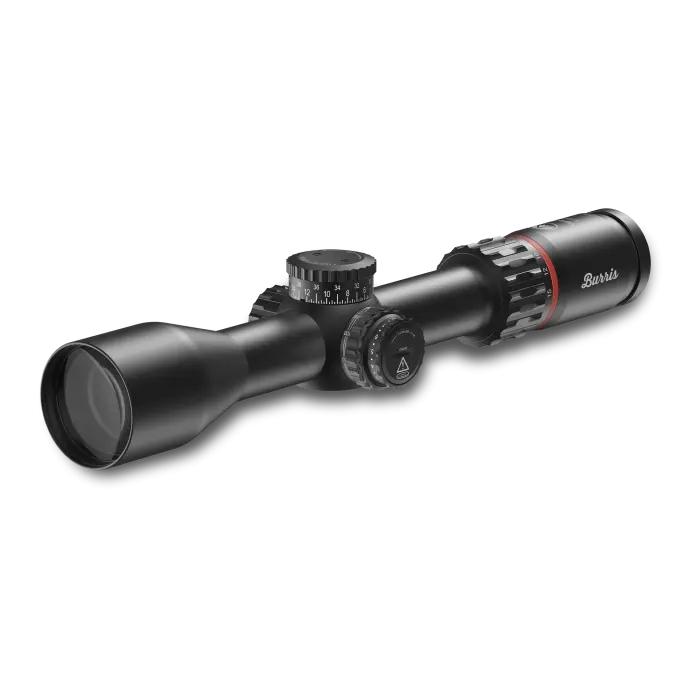 Burris Veracity Rifle Scope 3-15x44mm Illuminated RC-MOA FFP Refurb
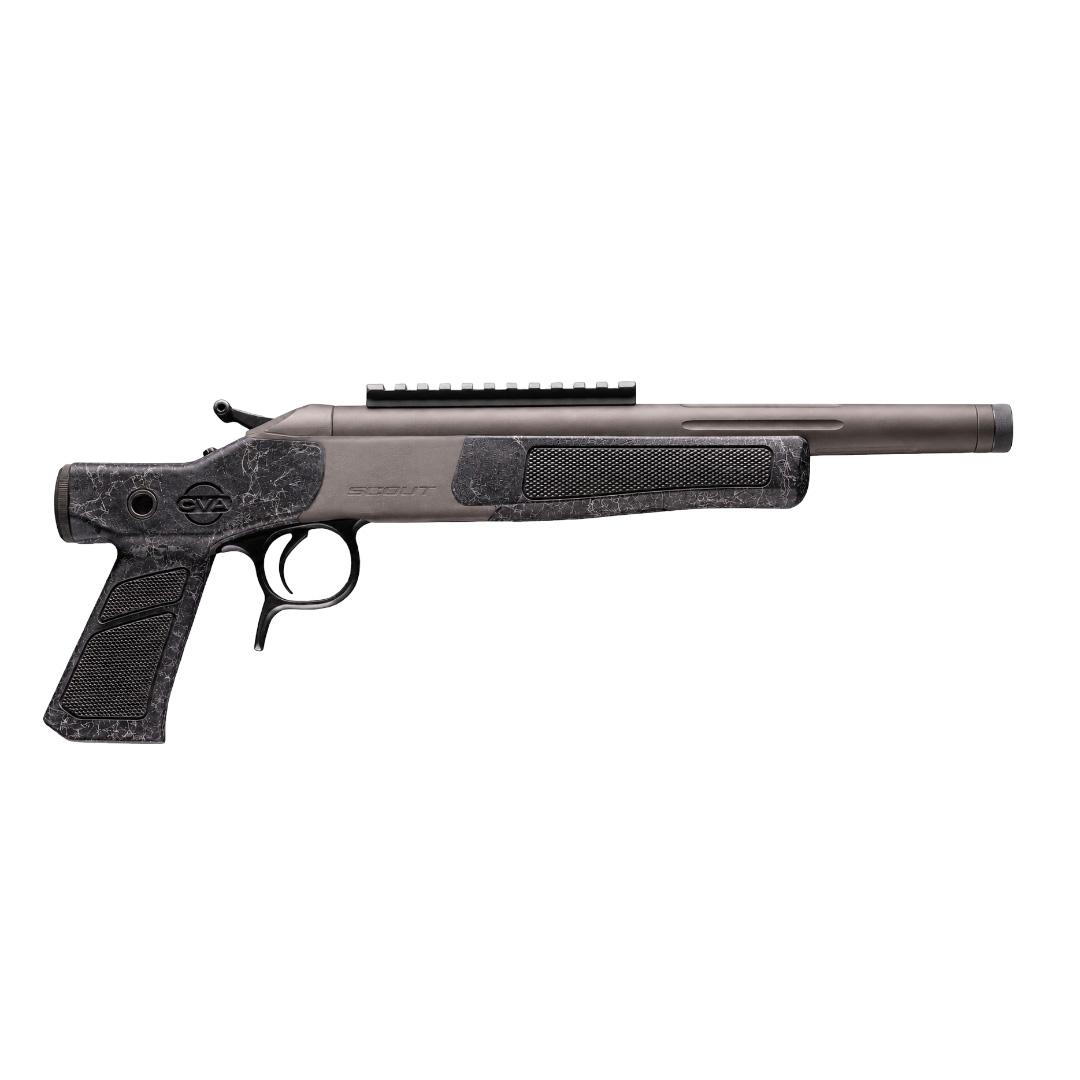 CVA Scout XP Pistol .243 Win Single Shot 11.5" Threaded Tungsten Barrel Black Web Furniture CSSI Exclusive
- Atlanta Arms Select Remanufactured Handgun Ammunition .380 Auto 90gr JHP 50/ct
Unfinished frames and receivers sit at the intersection of firearms knowledge, tooling discipline, parts compatibility, and long term ownership planning. The buyer has to think beyond the part in the box. A stripped AR-15 lower receiver, an unfinished aluminum blank, and a polymer pistol frame kit all lead to different costs, skill demands, maintenance concerns, and risk profiles.
Federal treatment of unfinished frames and receivers has shifted since the 2022 frame and receiver rule took effect on August 24, 2022, and buyers should verify current federal, state, and local requirements before money changes hands.
This guide focuses on equipment selection and ownership planning. It does not provide build instructions. The goal is to help BLVista readers understand which specifications matter, which corners create problems, and how to compare 80% frames, AR lowers, pistol frames, tooling, and related parts with a clear eye.
Start With the Platform, Then Work Backward
The receiver or frame does very little by itself. Its real value depends on the firearm you plan around it. A buyer building a 16 in. 5.56 NATO range rifle has different priorities than a shooter planning a compact 9x19mm pistol frame or a .300 Blackout hunting setup.
For AR-15 pattern projects, the lower receiver houses the fire control group, safety selector, magazine catch, bolt catch, buffer retainer, takedown pins, and receiver extension. The barrel, bolt, upper receiver, gas system, and ammunition drive most ballistic performance, yet a poorly made lower can create reliability problems through bad pin alignment, loose magazine fit, or weak receiver extension threads.
For common 9mm striker fired pistol frames, the frame controls grip angle, trigger geometry, rail fit, magazine compatibility, and accessory mounting. A Glock 19 size pistol typically uses 15 round magazines, while a Glock 17 size pistol typically uses 17 round magazines. Those capacity figures influence concealment, range use, spare magazine selection, and holster fit.
If you are comparing receiver parts and related components, BLVista can help you narrow the search for AR-15 lower receiver options and compatible parts without sending you through a pile of unrelated listings.
Material Choice Matters More Than Finish Color
AR-15 lowers are commonly made from 7075-T6 aluminum or 6061-T6 aluminum. 7075-T6 is the stronger alloy and is widely associated with hard-use forged receivers. 6061-T6 machines easily and can work for lighter duty applications, but it gives up strength. Billet lowers can offer styling, flared magazine wells, and integrated trigger guards, though forged lowers remain the benchmark for a durable general purpose rifle.
Surface treatment matters. Type III hardcoat anodizing adds wear and corrosion resistance to aluminum receivers. A raw aluminum part requires more care because exposed aluminum can oxidize, gall, and show wear faster around pins, threaded areas, and high contact points. Cerakote and similar coatings can add corrosion resistance, but coating thickness can also affect tight-fitting areas if applied carelessly.
Polymer pistol frames bring another set of tradeoffs. Quality glass filled nylon can handle regular range use, sweat, and cleaning solvents when designed correctly. Weak rail inserts, sloppy locking block fit, or soft pin holes can show up after repeated recoil cycles. With 9x19mm loads, common bullet weights include 115 grain, 124 grain, and 147 grain. Typical factory 115 grain ball ammunition often runs in the general range of standard supersonic pistol velocities, while many 147 grain loads are chosen for softer recoil and suppressor use. The frame has to keep metal support parts aligned through all of that cycling.
AR-15 Fitment Specs Worth Checking
Some dimensions make or break compatibility. Standard small-pin AR-15 fire control groups use .154 in. trigger and hammer pins. Pivot and takedown pins on standard AR-15 lowers are commonly .250 in. Magazine wells for standard AR-15 lowers are intended around STANAG pattern magazines for cartridges such as 5.56 NATO, .223 Remington, and .300 Blackout.
The receiver extension thread on a standard AR-15 lower is 1-3/16 in. x 16. That threaded area takes real stress because it supports the buffer tube, recoil system, and stock or brace interface. Damaged or poorly formed threads can cause alignment issues, tube movement, or unreliable cycling.
Buffer weight also affects function. A standard carbine buffer is commonly about 3.0 oz. H1 buffers are commonly about 3.8 oz., H2 buffers about 4.6 oz., and H3 buffers about 5.4 oz. A 16 in. mid-length 5.56 NATO rifle may run well with a different buffer than a short gas system or a suppressed .300 Blackout upper. The receiver has to accept standard parts cleanly so the shooter can tune the system without fighting the lower.
Thread pitch matters if the completed firearm will use muzzle devices or suppressor mounts. Most 5.56 NATO AR barrels use 1/2×28 muzzle threads. Many .30 caliber barrels use 5/8×24. If suppressed shooting is part of the plan, review host requirements through the BLVista suppressor guide before buying barrels, handguards, and muzzle devices.
Pistol Frame Fitment Needs the Same Discipline
Pistol frame projects deserve the same level of measurement discipline as AR lowers. The frame must match the slide length, locking block, rails, trigger housing, magazine pattern, and holster footprint. A Glock 19 pattern slide and a Glock 17 pattern frame do not solve the same carry or range problem. Grip length affects printing under clothing, magazine capacity, reload feel, and control during rapid strings.
Accessory rails also matter. A compact weapon light changes holster selection and storage setup. Light-bearing holsters are model specific, and small differences in dust cover shape or rail location can ruin fit. For concealed carry, frame texture and beavertail shape influence comfort during 8 to 12 hours of wear. For range training, aggressive texture may help under sweat, rain, or gloves.
For ammunition planning, 9x19mm 115 grain full metal jacket remains common for range use. Many shooters test 124 grain jacketed hollow points for defensive reliability. 147 grain loads often feel different in recoil impulse and can be useful when pairing a threaded barrel with a suppressor. The frame itself does not determine velocity, but it must keep the pistol cycling consistently with the slide, recoil spring, magazine, and ammunition selected.
Tooling Cost Can Exceed the Receiver
An unfinished part can look inexpensive until the buyer counts the tools. A serious setup may involve a rigid vise, quality bits or end mills, measuring tools, cutting fluid, a drill press or router based fixture, torque tools, punches, safety glasses, and a stable bench. Cheap tooling creates oval pin holes, rough pockets, poor surface finish, and parts that eat triggers or walk pins.
Jig design matters because repeatable alignment matters. Aluminum and steel guide surfaces generally hold up better than soft polymer guide surfaces during repeated use. A jig used once has a different value proposition than one used for several receivers. Buyers should think in terms of total project cost, not the price of the blank alone.
The same cost logic applies to standard finished receivers. A quality stripped lower, a known lower parts kit, a properly matched buffer system, and a well fit stock may cost less in time and frustration than an unfinished route once tooling, finishing, inspection, and rework are counted.
Use Case Drives the Right Receiver Choice
A range rifle can tolerate more weight and larger controls. A hunting rifle benefits from weather resistance, secure sling attachment, and a stock that stays quiet against brush or a pack. A home defense firearm demands reliability with the exact ammunition, magazine, light, sling, and optic setup kept with it. A training gun may see higher round counts, more reloads, more drops on gravel, and more cleaning cycles than a rifle that only comes out for deer season.
For a 5.56 NATO AR-15, 55 grain and 62 grain loads are common for general range use. Many shooters use 69 grain or 77 grain match loads in rifles with barrels and twist rates that support them. For .300 Blackout, 110 to 125 grain supersonic loads and 190 to 220 grain subsonic loads serve very different roles. The lower receiver remains the control group foundation, while the upper, barrel length, gas system, and ammunition decide the field result.
Barrel length also changes handling. A 16 in. AR-15 barrel is a common all-around length. A 14.5 in. barrel with a permanently attached muzzle device can provide a shorter package when set up correctly. Short 10.5 in. and 11.5 in. 5.56 NATO barrels are more sensitive to gas, blast, and dwell time. A 9 in. .300 Blackout barrel can make sense for certain suppressed or compact configurations. Receiver selection should support the upper and recoil system you actually plan to use.
Inspection, Maintenance, and Lifecycle Planning
Before a new build enters live fire, a competent inspection should verify fire control engagement, safety operation, magazine retention, bolt catch function, receiver extension alignment, and upper-to-lower fit. Rifle headspace is checked with proper gauges at the bolt and barrel, especially when parts come from different sources. A GO gauge and a NO-GO gauge are common armorer tools for this task.
After use, track round count and inspect wear points. On an AR lower, watch the hammer and trigger pin holes, safety selector detent feel, buffer retainer area, rear takedown lug pocket, and receiver extension threads. At 500 round intervals, a basic inspection can catch loosening hardware, walking pins, weak springs, or unusual wear patterns before they become range failures.
Polymer frames deserve attention around rail inserts, locking block areas, trigger housing pins, and slide-to-frame contact points. Clean solvent residue from small cavities. Use lubrication sparingly on the right metal contact surfaces. Excess oil inside striker channels, trigger housings, and magazine bodies attracts grit and unburned powder.
Storage affects long term reliability. Aluminum parts should be stored dry, with a light protective oil on exposed steel components. A humidity range around 30 to 50 percent is commonly used for firearm storage areas when corrosion control matters. Polymer frames should stay away from prolonged heat, direct sun inside vehicles, and aggressive chemicals. Finished firearms should be locked in a secure container during storage and transport, with magazines and ammunition managed according to the owner’s safety plan.
A Simple Buyer Framework
- Platform: AR-15, AR-10 pattern, pistol frame, or specialty receiver. Parts ecosystems vary widely.
- Material: 7075-T6 aluminum for hard-use AR receivers, 6061-T6 where lighter duty and machining ease matter, quality reinforced polymer for compatible pistol frames.
- Compatibility: Confirm .154 in. AR trigger pins, .250 in. takedown pins, magazine pattern, receiver extension threads, slide generation, and holster fit.
- Use case: Range training, hunting, home defense, carry, or suppressor host. Each role changes the parts list.
- Total cost: Include tooling, fixtures, inspection, finishing, spare parts, magazines, storage, and professional support.
- Risk tolerance: Finished receivers reduce uncertainty. Unfinished projects require more skill, more equipment, and more documentation discipline.
For broader loadout planning, especially if the firearm will be used for classes, matches, or high round count range days, the BLVista range and match loadout guide can help you think through magazines, support gear, tools, and maintenance items as one system.
Decide Whether the Project Fits Your Skill, Tools, and Risk
The right choice depends on the buyer’s real goal. If you want a dependable rifle for training, hunting, or home defense, a quality finished receiver with known parts support often reduces time and uncertainty. If your interest is home gunsmithing as a skill, the unfinished route requires careful planning, better tooling, accurate inspection, and a full understanding of the ownership responsibilities that come with the project.
BLVista readers should treat 80% frames and receivers like any other serious firearm component. Look past the novelty. Check the alloy, pin standards, thread dimensions, magazine pattern, barrel plan, ammunition plan, storage method, and inspection path. The part is only worthwhile when the completed firearm can run safely, reliably, and predictably over years of real use.
FAQ
An 80% receiver can make sense for a buyer who values home gunsmithing and already has the right tooling, measurement habits, and inspection support. A finished AR-15 lower often makes more sense for shooters who want lower purchase risk, standard .154 in. trigger pin compatibility, and faster parts assembly.
7075-T6 aluminum is the preferred choice for a hard-use AR-15 lower receiver because it offers greater strength than 6061-T6. Forged 7075-T6 lowers remain a strong general purpose option for 5.56 NATO, .223 Remington, and .300 Blackout builds.
Check for .154 in. fire control pins, .250 in. pivot and takedown pins, 1-3/16 in. x 16 receiver extension threads, standard magazine catch fit, and compatibility with the stock, buffer, grip, trigger, and upper receiver you plan to use.
A quality reinforced polymer pistol frame can handle regular 9x19mm training when the rails, locking block, pins, and trigger housing fit correctly. Buyers should inspect rail inserts and pin holes over time, especially after high round count range sessions with 115 grain, 124 grain, or 147 grain ammunition.
Buyers should budget for tooling, jigs or fixtures where lawful, measuring tools, safety equipment, finishing, spare springs and pins, magazines, secure storage, and professional inspection. The lowest priced blank can become expensive once the full ownership lifecycle is counted.
Store parts dry, control humidity where possible, protect exposed steel from corrosion, and keep completed firearms in a locked container. A storage area around 30 to 50 percent humidity helps reduce rust risk for long term firearm and outdoor gear ownership.
Was this useful?