
Brief
AR-15 Setup Choices That Hold Up Over Time
Evaluate a 16-inch 5.56 AR-15 for home defense, training, optics, lights, magazines, suppressors, maintenance, and long-term reliability.
Shop this at BLVista
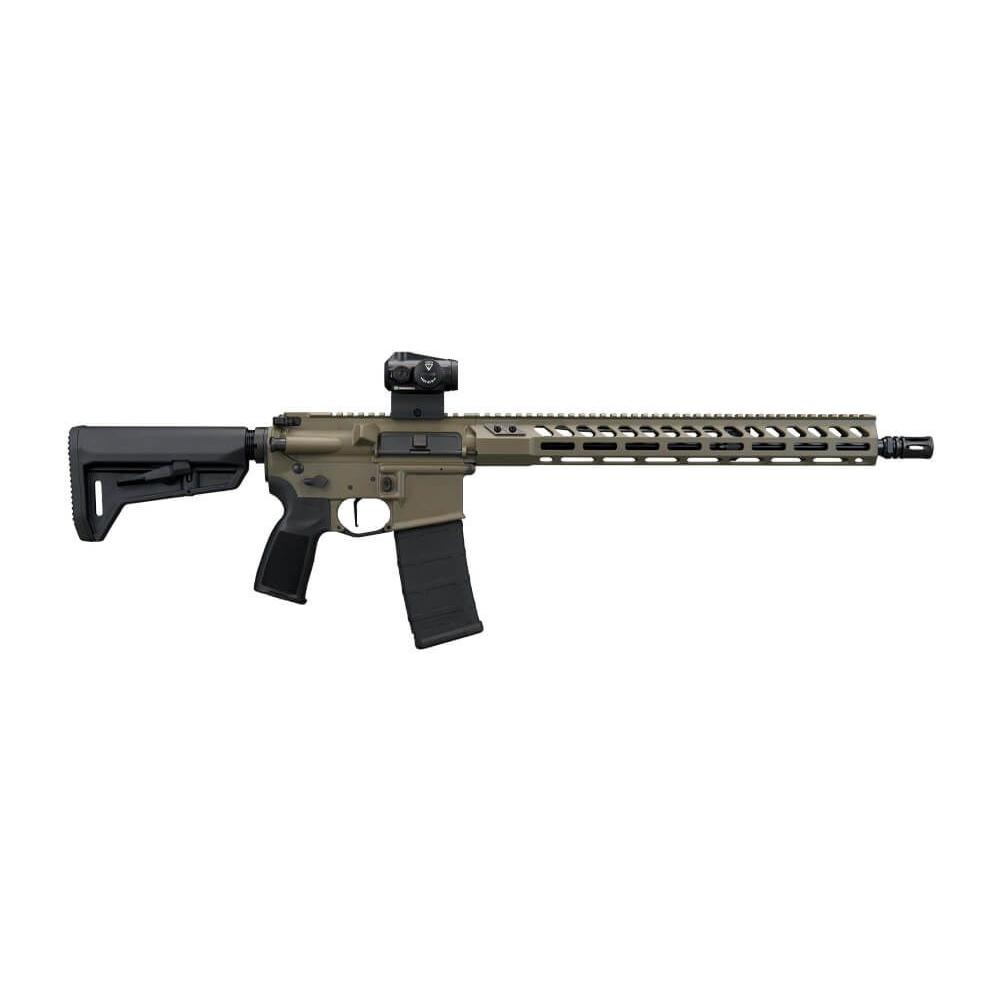 Sig Sauer M400 Forge Moos Green Rifle 5.56 NATO 30rd Magazine 16" Barrel ROMEO-MSR GEN II Adjustable Stock M-LOK Handguard
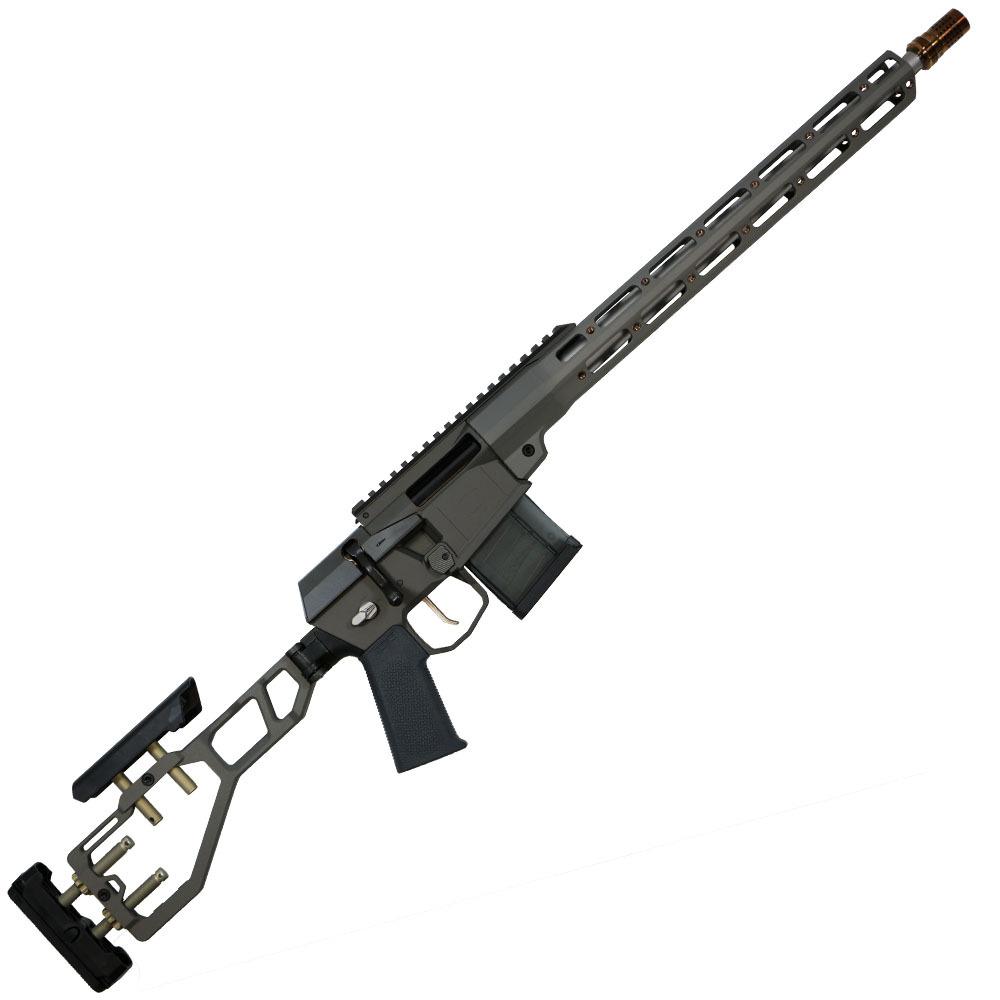 Q Mini Fix Rifle 5.56 NATO 10rd Magazine 16" Barrel Grey
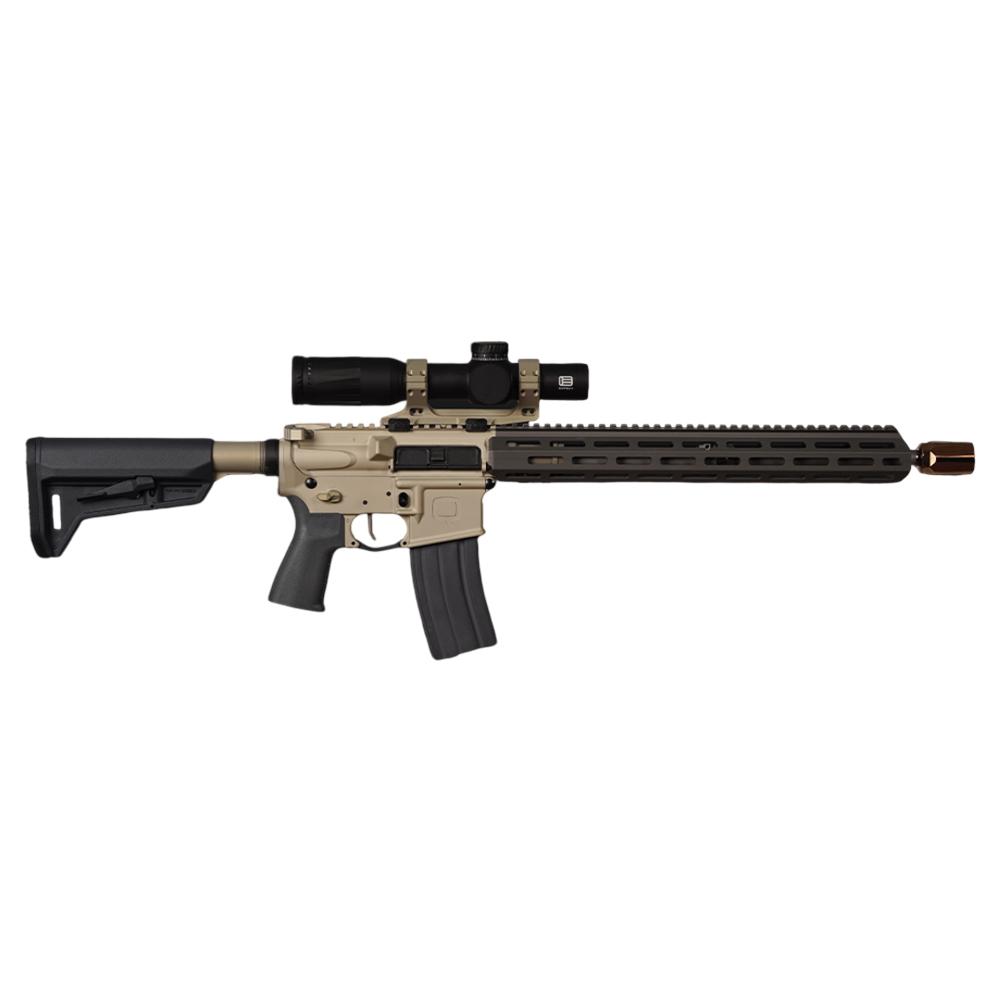 Q Sugar Weasel Rifle 5.56 NATO 10rd Magazine 16" 1/2x28 Threaded Barrel Black CA - OPTIC NOT INCLUDED
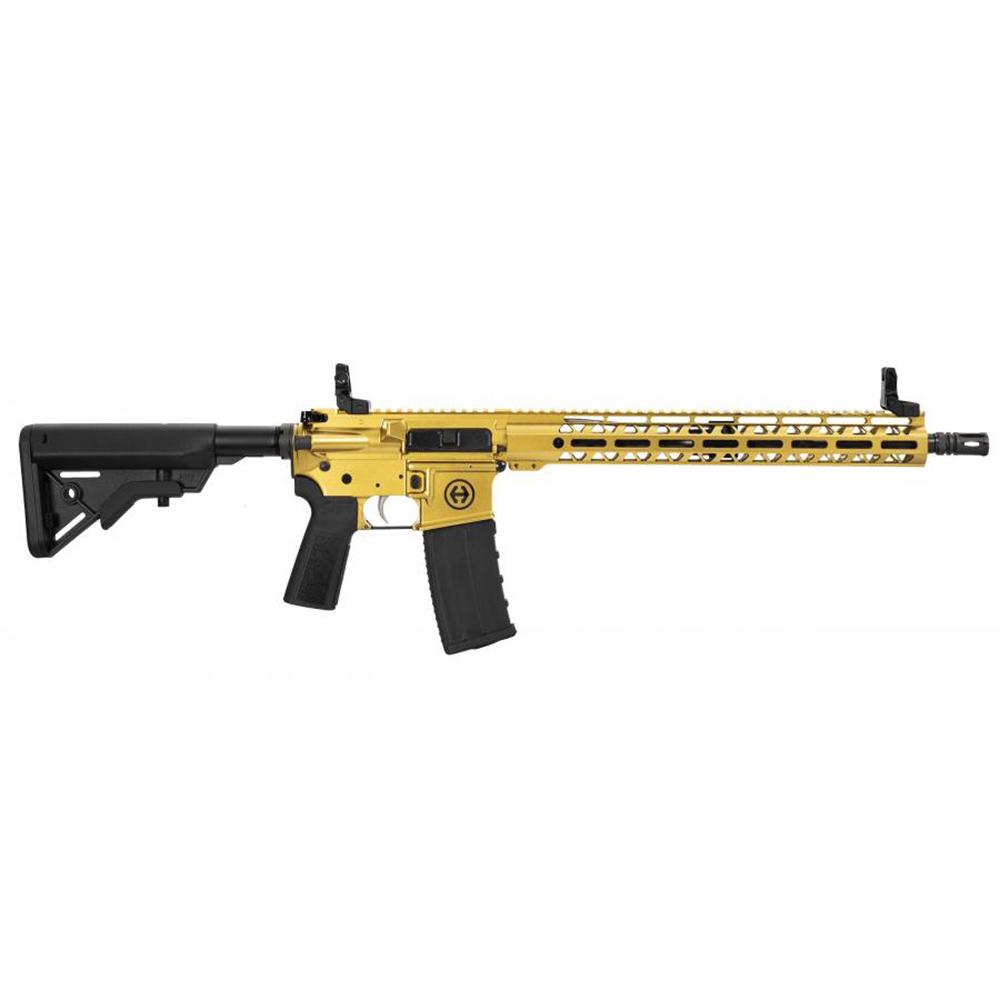 Hi-Point HP-15 Rifle 5.56 NATO 30rd Magazine 16" 1/2x28 Threaded Barrel Gold
An AR-15 can be a simple, durable rifle or an expensive collection of mismatched parts. The difference usually comes down to basic choices made before purchase: barrel length, chamber, gas system, optic, light, sling, magazines, and maintenance support. For BLVista readers, the goal is not to chase every new accessory. The goal is to build or buy a rifle that runs reliably through range time, home defense preparation, travel, storage, and years of ownership.
Before buying, confirm local rules on features, magazine capacity, storage, and transport for your specific location. Once that box is checked, evaluate the rifle as equipment. A dependable 5.56 NATO carbine should feed common ammunition, hold zero, accept standard magazines, mount a light securely, and remain serviceable with parts you can actually source.
The 16-inch 5.56 carbine remains the baseline
For most civilian owners, a 16-inch barrel is the cleanest starting point. It avoids the added paperwork associated with short-barreled rifles while keeping the rifle compact enough for vehicles, range bags, training classes, and indoor storage. A typical 16-inch AR-15 with an adjustable stock measures roughly 32 to 36 inches overall depending on stock position and muzzle device. Most unloaded carbines fall between about 6.2 and 7.5 pounds before adding an optic, weapon light, sling, and loaded magazine.
That weight matters. A rifle that feels light on the counter changes once it carries a red dot, magnifier, 1-6x LPVO, flashlight, mount, sling, and 30 rounds of 5.56 NATO. A loaded 30-round magazine commonly adds close to a pound depending on magazine body and ammunition. A suppressor can add another 10 to 20 ounces and around 5 to 8 inches of length. Those numbers change how the rifle balances during standing drills, barricade work, and long training days.
For ammunition, 55-grain FMJ remains common for training because it is widely available and usually affordable. Defensive and duty-oriented loads often use 62-grain bonded bullets, 64-grain soft points, or 69 to 77-grain open-tip and match-style projectiles depending on intended use. From a 16-inch barrel, 55-grain 5.56 loads commonly run in the high 2,000 to low 3,000 feet-per-second range depending on the specific cartridge. Heavier 77-grain loads give up some velocity, but often perform better at distance and in wind.
Chamber, twist rate, and barrel material
A rifle chambered in 5.56 NATO gives the broadest ammunition flexibility because it can generally fire both 5.56 NATO and .223 Remington ammunition when the rifle is in proper condition. A .223 Wylde chamber is another strong option for shooters who want good compatibility with both pressure classes and accuracy with quality .223 or 5.56 loads.
Twist rate should match the bullets you expect to use. A 1:7 twist is commonly chosen for heavier 69 to 77-grain bullets. A 1:8 twist is a useful middle ground for 55 to 77-grain loads. A 1:9 twist often works well with 55 and 62-grain ammunition, though long 77-grain bullets may be less consistent in some rifles and environmental conditions. If you plan to train with 55-grain FMJ and keep 62 or 64-grain defensive ammunition on hand, a 1:8 twist is an easy choice to justify.
Barrel material and finish affect service life and maintenance. Chrome-lined 4150 CMV barrels handle heat, volume, and hard use well. Nitride-treated barrels can offer good corrosion resistance and accuracy at a reasonable cost. Stainless barrels may deliver excellent precision, especially on 18 or 20-inch rifles, though they are commonly chosen for field accuracy or match use rather than a hard-use home defense carbine.
Gas system and recoil behavior
On a 16-inch rifle, a mid-length gas system is often preferred because it tends to produce a smoother recoil impulse than a carbine-length system. Carbine-length gas systems can run reliably, especially with quality parts, but they may feel sharper and can be harder on components over high round counts. The difference becomes noticeable during 200 to 500-round training days where heat, fouling, and fatigue expose weak setups.
If you plan to add a suppressor, gas behavior matters even more. A 5.56 suppressor commonly reduces muzzle report by roughly 25 to 35 decibels depending on suppressor design, ammunition, host rifle, and test method, though supersonic 5.56 remains loud and still requires hearing protection. Suppressors increase back pressure on many direct-impingement AR-15 rifles, which can push more gas toward the shooter and speed up fouling. An adjustable gas block, heavier buffer, or tuned charging handle can help, but those parts should be selected as a system rather than as random upgrades. For deeper selection criteria, BLVista readers can compare mounting systems, materials, and use cases in the suppressor buyer guide.
Optics, lights, and the parts that matter indoors
A defensive rifle needs a sighting system you can verify and repeat. A 2 MOA red dot covers about 2 inches at 100 yards, which is precise enough for close-range work and most general carbine training. Red dots keep weight low, usually preserve good peripheral vision, and work well from awkward positions. A 1-6x or 1-8x LPVO adds identification and precision at distance, but it also adds weight, bulk, and a more demanding eye box. For most home defense carbines, a quality red dot with a durable mount is the better first optic.
A weapon light is a core safety component. Identification comes before any defensive decision. Look for a rifle-rated light, a secure M-LOK or Picatinny mount, protected switch routing, and enough candela to push through indoor spill and outdoor shadows. Output numbers vary by model, but many useful rifle lights sit in the 500 to 1,000-lumen class with candela figures that matter more than raw lumen claims at distance. After installation, confirm the light stays tight after at least 200 rounds, then inspect screws and threadlocker during regular cleaning.
For optic selection, mount height, durability, battery type, and zero retention matter more than cosmetic features. A lower 1/3 co-witness red dot mount is common on AR-15 carbines. LPVO mounts are often 30 mm or 34 mm depending on scope tube diameter. If you are comparing dots and low-power optics for a rifle that may also serve on the range, the rifle field optics guide gives a useful framework for matching magnification to distance and use.
Magazines, sling, and support gear
Magazines are wear items. Standard AR-15 magazines are commonly built around a 30-round capacity where permitted, with 20-round magazines useful for bench shooting, prone work, and hunting setups where a shorter profile helps. Aluminum magazines with anti-tilt followers and quality polymer magazines both work well when maintained. Mark your magazines and remove problem magazines from serious use after repeated feed issues.
A two-point sling is the safest general-purpose choice for a rifle that may be carried, transported, staged, or used during training. Most rifle slings use 1.25-inch webbing. Quick-detach sockets, fixed loops, or M-LOK sling mounts all work when installed correctly. The front mount should keep the sling away from the muzzle and light beam. The rear mount should allow shoulder transitions without binding around the stock.
For parts and accessories, prioritize compatibility before appearance. Most AR-15 muzzle devices use 1/2×28 threads for 5.56 NATO barrels. Handguards may use M-LOK, KeyMod, or Picatinny attachment. M-LOK has broad support for lights, sling mounts, rail sections, and hand stops. If you are comparing accessories, shop AR-15 accessories by function first: optic mount, light mount, sling hardware, magazines, and maintenance parts.
Maintenance and ownership lifecycle
A reliable AR-15 does not need complicated care, but it does need consistent inspection. Keep the bolt carrier group lubricated, especially the cam pin, bolt lugs, gas rings, and carrier rails. Inspect the extractor, extractor spring, ejector movement, gas key staking, and buffer system after high-volume range sessions. Many shooters clean lightly after each trip and do a deeper inspection every 500 to 1,000 rounds depending on ammunition, suppressor use, and weather exposure.
Environmental exposure changes the maintenance schedule. Dust, rain, snow, sweat, and vehicle storage all accelerate corrosion and fouling. A rifle used during a wet hunting weekend or an outdoor class should be wiped down, dried, lubricated, and checked for trapped moisture under optics, light mounts, and sling hardware. If the rifle is stored for long periods, inspect batteries in optics and lights on a schedule. CR2032 coin cells, CR123A batteries, and 18650 rechargeable cells all have different storage behavior, and dead electronics turn expensive equipment into dead weight.
Storage should protect the rifle from unauthorized access, corrosion, and impact. A lockable safe or secure cabinet, chamber flag or verified empty chamber when appropriate, and a clear household plan reduce confusion. Transport cases should protect optics from side pressure and keep magazines, tools, and ammunition organized. A simple range kit should include lubricant, a bore snake or cleaning rod, chamber brush, spare batteries, small torque driver, witness marker, and a few known-good magazines.
A buyer checklist for a durable AR-15
- Barrel: 16 inches for general use, 5.56 NATO or .223 Wylde chamber, 1:7 or 1:8 twist for broad bullet compatibility.
- Gas system: mid-length on a 16-inch rifle when available, especially for smoother training use.
- Weight: plan for 6.2 to 7.5 pounds bare, then add optic, light, sling, magazine, and possible suppressor weight.
- Optic: 2 MOA red dot for close work, 1-6x or 1-8x LPVO when distance identification matters.
- Light: rifle-rated body, secure mount, protected switch, verified after 200 rounds or more.
- Magazines: quality 20 or 30-round magazines where permitted, marked and tested individually.
- Thread pitch: 1/2×28 on most 5.56 barrels for muzzle devices and suppressor mounts.
- Maintenance: lubricate the bolt carrier group, inspect wear parts, track round count, and replace suspect magazines early.
Decide Based On Use, Support, And Fit
The best AR-15 setup for most owners is the one that stays reliable after the first range session, accepts standard support gear, and remains easy to maintain over years of use. A 16-inch 5.56 NATO carbine with a durable barrel, mid-length gas system, quality red dot, rifle light, two-point sling, and tested magazines gives most shooters a strong foundation for home defense readiness and range training. Add complexity only when your use case justifies it. BLVista helps buyers reduce purchase risk by focusing on fit, compatibility, service life, and the parts that actually affect performance.
To compare rifle support gear, optics, lights, slings, magazines, and maintenance equipment in one place, start with the BLVista shop and build from the rifle outward.
FAQ
Yes, a 16-inch AR-15 in 5.56 NATO is a strong general-purpose choice for home defense preparation when paired with training, a reliable optic, a weapon light, and tested magazines. It balances legal simplicity, velocity, parts compatibility, and manageable overall length.
A 1:8 twist is a good all-around choice for 55 to 77-grain bullets. A 1:7 twist is preferred by many shooters who use heavier 69 to 77-grain loads. A 1:9 twist can work well with 55 and 62-grain ammunition, though heavy long bullets may be less consistent.
Most home defense rifles are better served by a quality red dot because it is lighter, faster at close range, and simpler to use from awkward positions. A 1-6x or 1-8x LPVO makes more sense when the rifle also needs target identification and precision at distance.
Clean and lubricate the rifle after range use, then inspect the bolt carrier group, extractor, gas rings, magazines, and optic mounts at regular intervals. A deeper inspection every 500 to 1,000 rounds is reasonable for many shooters, with more frequent attention after suppressor use, rain, dust, or high-volume training.
Start with a reliable optic, weapon light, two-point sling, quality magazines, and basic maintenance tools. Those items improve safety, handling, and reliability more than cosmetic upgrades. BLVista helps customers choose compatible 2A friendly tools that fit the rifle and the intended use.
Was this useful?