
Brief
9mm, 12 Gauge, and 5.56 Firearm Battery
Build a role based firearm battery around 9mm, 12 gauge, 5.56, 22 LR, and hunting rifles with storage, ammo, maintenance, and compliance in view.
Shop this at BLVista
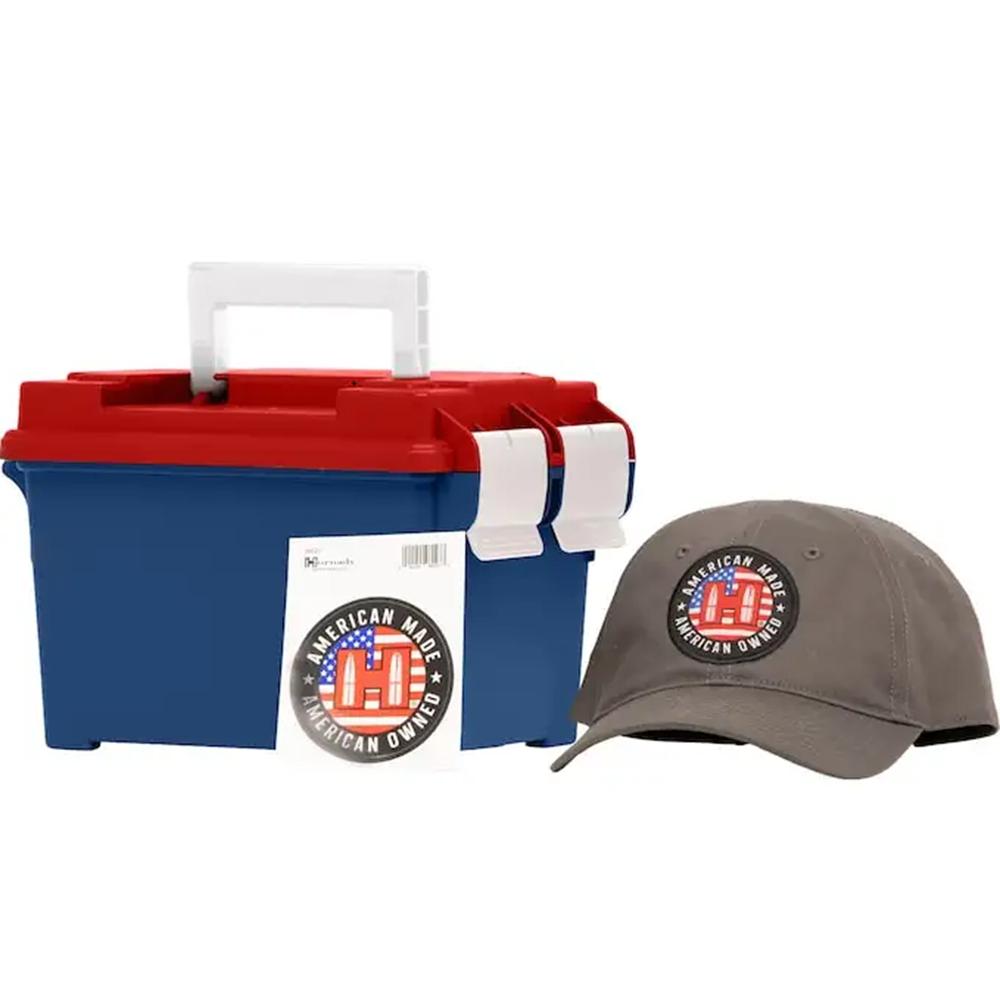 Hornady Frontier 250th Anniversary Ammo Can Combo 5.56mm NATO 55gr FMJ 3240 fps 250/ct w/ Hat and Sticker
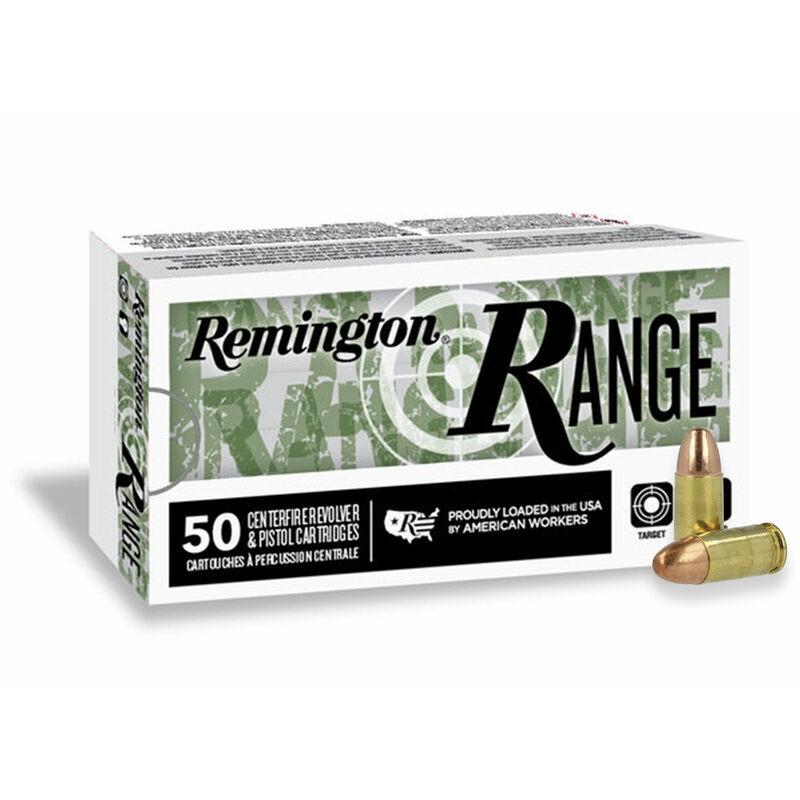 Remington Range Handgun Ammo 9mm Luger 124 gr FMJ 1110 fps 50/ct
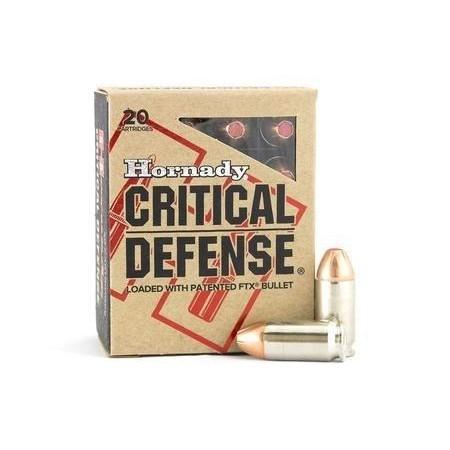 Hornady Critical Defense Handgun Ammo .45 Colt 185 gr FTX 920 fps 20/ct
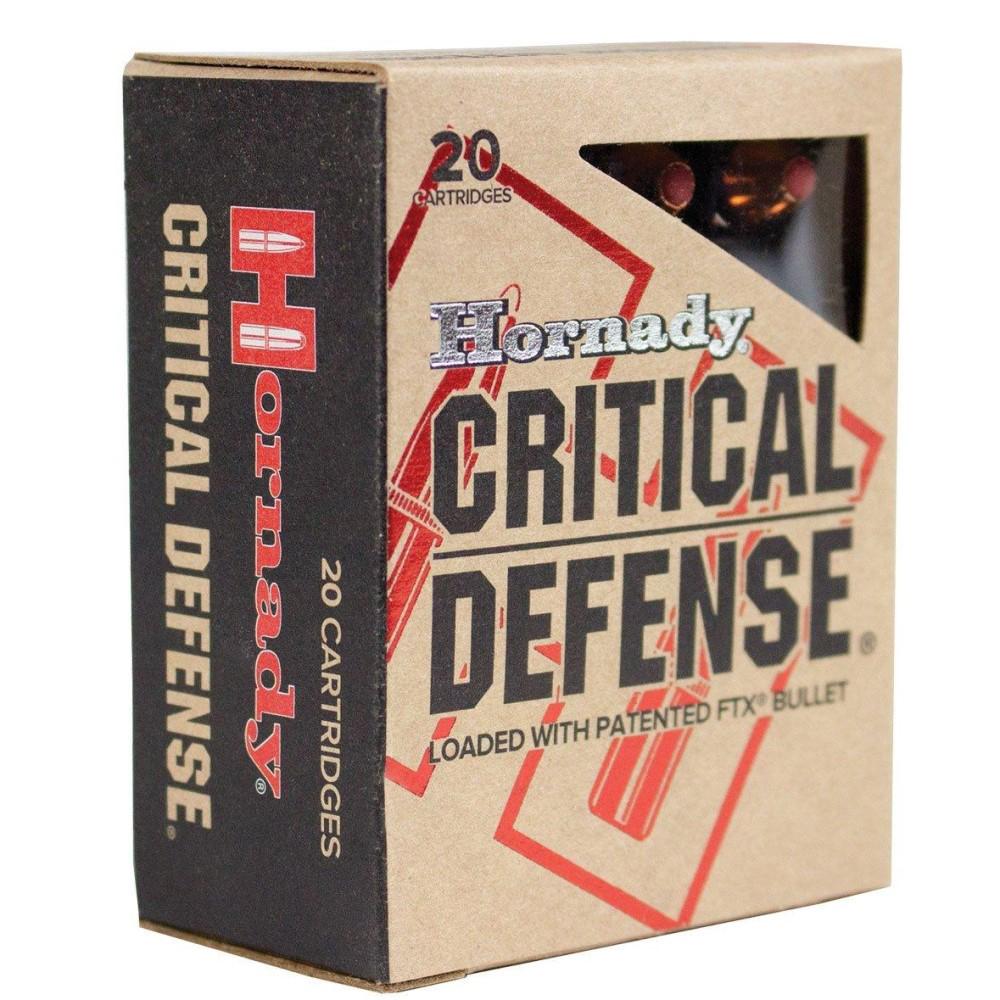 Hornady Critical Defense Handgun Ammo .45 ACP 185 gr FTX 1000 fps 20/ct
A large gun collection can be useful, redundant, or difficult to manage. The difference comes down to roles. A firearm that fills a clear job, shares support gear, and gets trained with has value. A firearm that sits unfired, lacks magazines, has no holster or sling, and uses ammunition you never stock becomes inventory rather than capability.
Some countries periodically debate limits on privately owned firearms, which is a reminder for American buyers to understand their own state and local storage, transport, magazine, and transfer rules before adding more guns. The better question for most BLVista readers is more immediate: does the next firearm add a capability you can use, maintain, and lawfully store?
A balanced firearm battery for many shooters starts with five roles: a defensive handgun, a defensive long gun, a small-bore trainer, a field rifle, and a shotgun. That mix covers concealed carry where lawful, home defense, low-cost range time, hunting, pest control, and general outdoor use without forcing every gun to do every job.
Start With Roles Instead of Headcount
Counting firearms is a poor way to judge usefulness. Three carefully selected guns can cover more ground than twelve overlapping purchases. A 9mm compact pistol with a 4 inch barrel and 15 round magazines where legal serves a different role than a 22 LR rifle with a 16 to 18 inch barrel and 10 round magazines. A 12 gauge pump gun with an 18.5 inch defensive barrel solves a different problem than a 22 inch 308 Winchester bolt rifle carried in deer season.
Use this role checklist before buying another firearm:
- Defensive handgun: Commonly 9mm Luger, often fed with 115 grain, 124 grain, or 147 grain loads. A 124 grain jacketed hollow point typically runs around 1,100 to 1,200 feet per second from a service-size pistol, depending on load and barrel length.
- Home defense long gun: Common options include a 16 inch 5.56 NATO carbine, a pistol caliber carbine, or a 12 gauge shotgun. Capacity depends on jurisdiction and configuration. A standard 5.56 magazine is often 30 rounds where legal, while many pump shotguns hold 5+1 or 6+1 shells with 2.75 inch ammunition.
- Rimfire trainer: A 22 LR rifle shooting 40 grain loads around 1,070 to 1,250 feet per second allows high repetition at lower cost, reduced recoil, and less fatigue for newer shooters.
- Hunting rifle: 308 Winchester with 150 to 168 grain bullets commonly produces about 2,600 to 2,800 feet per second from a 22 inch barrel. 6.5 Creedmoor with a 140 grain bullet is commonly near 2,700 feet per second from a 24 inch barrel, load dependent.
- Field shotgun: A 12 gauge with a 26 or 28 inch barrel handles birds, small game, and clays better than a short defensive shotgun. Barrel length and choke compatibility matter more here than magazine capacity.
If a new firearm does not improve one of those roles, it may still be collectible or enjoyable, but it should be treated as a discretionary purchase. That affects how much you should spend on optics, magazines, cases, ammunition, and long-term storage.
Compatibility Reduces Ownership Friction
The strongest multi-gun setups share parts, ammunition, or training patterns. A 9mm pistol and a 9mm pistol caliber carbine may use the same ammunition. Some combinations use the same magazine pattern, although buyers should verify generation, follower design, magazine catch geometry, and last-round hold-open function before assuming full compatibility.
For rifles, 5.56 NATO and 223 Remington deserve attention. A rifle marked 5.56 NATO can generally fire both 5.56 NATO and 223 Remington ammunition, while a rifle marked 223 Remington should be fed according to the manufacturer’s chamber specification. Common 5.56 bullet weights include 55 grain and 62 grain. Twist rate matters. A 1:7 twist often handles longer 62 to 77 grain bullets well, while 1:8 is a versatile middle ground for many general-purpose carbines.
Muzzle threads also affect future compatibility. Many 223 and 5.56 rifles use 1/2×28 threads. Many 308 and other 30 caliber rifles use 5/8×24 threads. Thread pitch matters for brakes, flash hiders, direct-thread suppressors, and mounts. If sound suppression is part of your long-term plan, read the BLVista suppressor guide before buying a host rifle so barrel length, gas system, thread pitch, and sight height fit the plan from the start.
Storage Capacity Is a Real Specification
Gun safe capacity claims often assume bare firearms with no optics, slings, lights, bipods, or wide bolt handles. A scoped hunting rifle may take far more room than a plain lever gun. A 16 inch AR-pattern carbine with a collapsed stock is often around 32 to 36 inches overall. A 28 inch barreled hunting shotgun can exceed 48 inches overall. Measure actual overall length before choosing a cabinet, safe, or case.
Humidity control matters as much as lock rating. In damp garages, basements, hunting cabins, and coastal climates, condensation can damage blued steel, carbon steel screws, and unprotected bores. Rechargeable desiccant packs may need attention every 30 to 60 days in humid conditions. A light corrosion inhibitor on exterior metal after handling reduces fingerprint staining. Stainless steel resists corrosion better than blued carbon steel, but stainless still needs maintenance after rain, sweat, and salt exposure.
For secure storage options and related firearm support gear, BLVista shoppers can start with gun safe and storage searches and compare interior dimensions, lock type, weight, anchoring options, and humidity control compatibility.
Ammunition Planning Keeps Guns Useful
A firearm without enough ammunition to train is a poor defensive or field tool. Build ammunition depth by role. A 9mm carry pistol should have enough range ammunition for regular practice plus enough chosen defensive ammunition to confirm reliability. Many serious owners test at least several magazines of their carry load through the actual pistol and magazines they intend to use.
Shotgun patterning is also mandatory. A 12 gauge 2.75 inch 00 buckshot shell commonly contains nine 0.33 caliber pellets, but pattern size changes sharply by barrel, choke, wad design, and distance. A load that patterns tightly at 7 yards may spread differently at 15 or 25 yards. Turkey, waterfowl, home defense, and clay target loads belong in separate categories because payload, shot size, recoil, and point of impact can vary substantially.
Rifle owners should track zero by load. A 55 grain 5.56 load and a 77 grain match load can print to different points of impact. A 308 hunting rifle zeroed with a 150 grain soft point may shift when fed a 168 grain match hollow point. Record the load, bullet weight, optic setting, distance, temperature if relevant, and group size. A simple data card prevents guesswork months later.
Optics, Lights, and Slings Decide Real Use
A firearm battery is more than receivers and barrels. A defensive carbine needs a reliable white light, a sling, and a zeroed sighting system. A red dot is fast inside 50 yards. A 1-6×24 LPVO gives more target identification and holds for distance, while adding weight and requiring correct eye relief. A hunting rifle may benefit more from a 3-9×40 or 2.5-10x optic than a heavy tactical scope.
Mounting quality matters. Rings, bases, and optic mounts should be installed to the manufacturer’s torque specifications, usually expressed in inch-pounds. Thread locker should be used only where appropriate. Over-torqued ring screws can damage a scope tube. Under-torqued mounts can shift zero after recoil, rough vehicle transport, or repeated range sessions. For field rifle setup decisions, use the BLVista rifle field optics guide to match magnification, reticle, weight, and durability to the job.
Maintenance Load Increases With Every Purchase
Each added firearm brings batteries, magazines, springs, screws, cleaning needs, and records. Red dot and weapon light batteries should be checked on a schedule. Many optics use CR2032 batteries, while many compact weapon lights use CR123A or rechargeable cells. Battery life varies widely by brightness setting and electronics, so date batteries with tape or a log and replace them before serious use.
Magazines are consumable support gear. Feed lips, followers, springs, and baseplates wear or break. A defensive pistol with one magazine is incomplete. A serious setup should include carry magazines, training magazines, and spares kept clean. For rifles, mark magazines individually so malfunctions can be traced to a specific unit rather than blamed on the firearm.
Cleaning standards should match use. A hunting rifle carried in rain should be dried and inspected the same day. A shotgun used around mud, cattails, or salt marsh needs chamber, bore, and action attention before storage. A high-round-count 5.56 carbine should have bolt, extractor, gas rings, chamber, and lubrication checked regularly. The owner who cannot maintain the collection has more equipment than readiness.
Transport and Documentation Reduce Risk
Transport needs change as the firearm count grows. Hard cases protect optics and stocks during highway travel. Soft cases are lighter for range days but offer less impact protection. Ammunition should be carried in a way that complies with local rules and keeps loads organized by caliber and purpose. Mixing 300 Blackout and 5.56 NATO in the same range bag creates avoidable risk because the cartridges can be confused under poor light or time pressure.
Keep serial numbers, purchase records, optic serials, and accessory notes in a secure place. Photos help document condition for insurance and recovery. A simple inventory should include make, model, caliber or gauge, barrel length if known, optic model, light model, magazine count, and preferred ammunition. Store the inventory separately from the firearms and protect digital copies with strong account security.
Buy the Next Gun Only After the Support Gear
The next firearm is rarely the only cost. A 9mm pistol may need a holster, belt, magazine carrier, five to ten magazines, defensive ammunition, range ammunition, cleaning tools, and training time. A 5.56 carbine may need a sling, optic, mount, light, magazines, case, spare parts, and a confirmed zero. A hunting rifle may need rings, scope, sling, torque driver, weatherproof case, and a known load.
Before adding another firearm, compare these questions:
- Does it fill a role I cannot already cover?
- Does it use ammunition I can afford to stock and train with?
- Do I have secure storage space for its true size with optics attached?
- Can I transport it lawfully and safely for range, hunting, or travel use?
- Will it share magazines, holsters, optics mounts, suppressor mounts, or spare parts?
- Can I commit to maintenance and periodic function checks?
If the answer is weak, invest first in ammunition, magazines, storage, optics, lights, or training. The BLVista range and match loadouts guide can help organize the supporting gear that makes each firearm more useful over time.
FAQ
Need depends on roles. Many owners can cover defense, training, and hunting with a 9mm handgun, a 12 gauge shotgun, a 22 LR trainer, and a centerfire rifle such as 5.56 NATO, 308 Winchester, or 6.5 Creedmoor. More firearms make sense when they add a clear role and the owner can support them with ammunition, secure storage, magazines, and maintenance.
9mm remains one of the strongest choices for most defensive handgun buyers because ammunition is common, recoil is manageable, and pistol capacity is favorable where legal. Typical defensive loads include 124 grain or 147 grain jacketed hollow points. Reliability in the specific pistol and magazines matters more than caliber arguments.
A 12 gauge offers major close-range power, but recoil, patterning, and lower capacity require more practice. A 16 inch 5.56 carbine offers lighter recoil, higher capacity where legal, and easier mounting of lights, optics, and slings. The better choice depends on your home layout, training time, storage plan, and local laws.
Prioritize secure storage, magazines, ammunition, a quality holster for handguns, a sling for long guns, a white light for defensive firearms, and a sighting system you can zero and maintain. These purchases reduce risk and improve real performance more than adding another firearm with no support gear.
Use locked storage sized for the actual firearm length with optics and accessories installed. Control humidity with desiccant or a safe dehumidifier, inspect metal surfaces after handling, and keep ammunition organized by caliber and load. Maintain a separate inventory with serial numbers, optic details, and magazine counts.
Was this useful?