
Brief
Fierce Wingman SBR in Creedmoor Chamberings
Fierce Wingman SBR review with 12.5 inch barrel specs, Creedmoor velocity data, 5.3 pound weight, AICS magazines, suppressor fit, and buyer guidance.
Shop this at BLVista
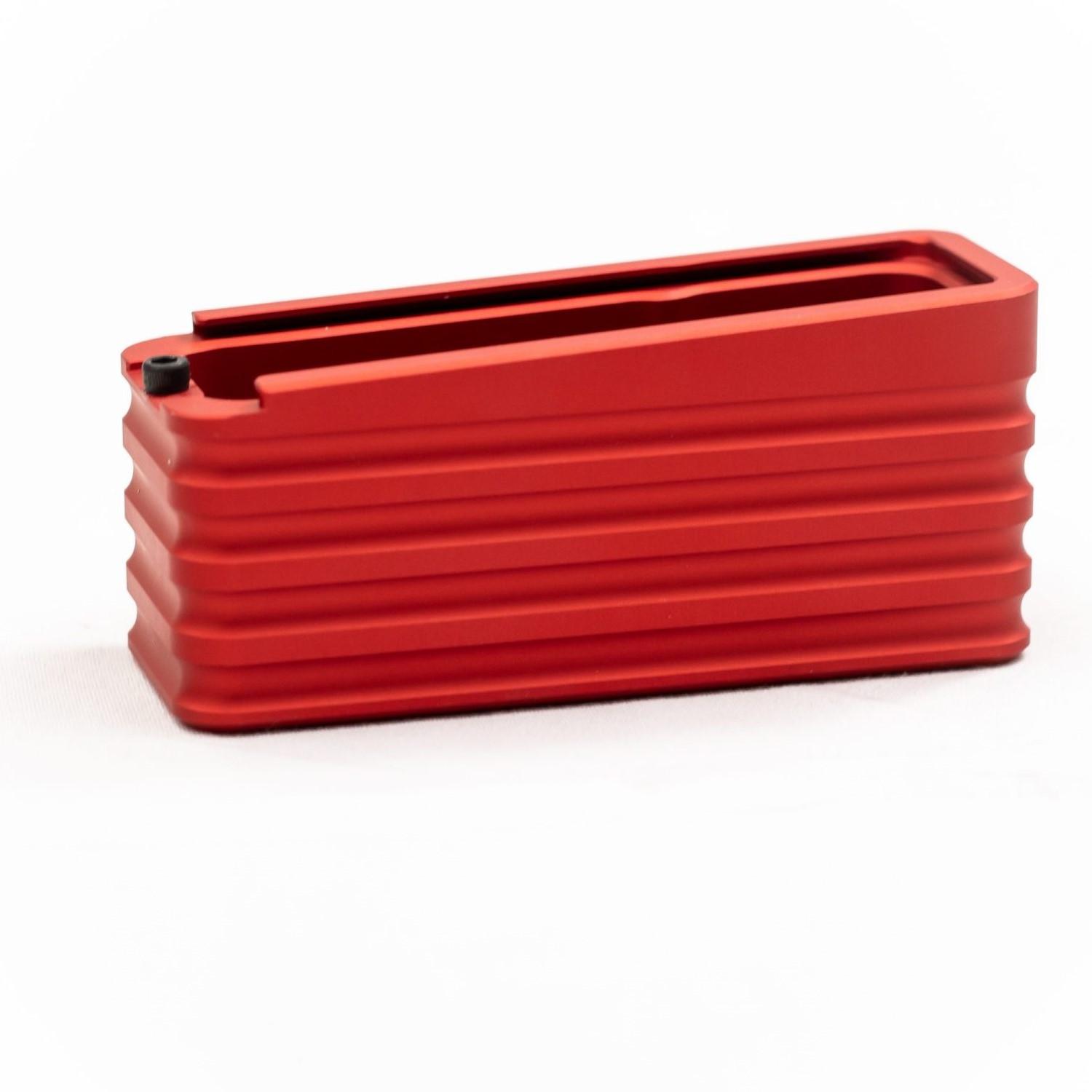 Area 419 Universal SA Magazine Extension Red for ARC and AICS Magazines 4/rd
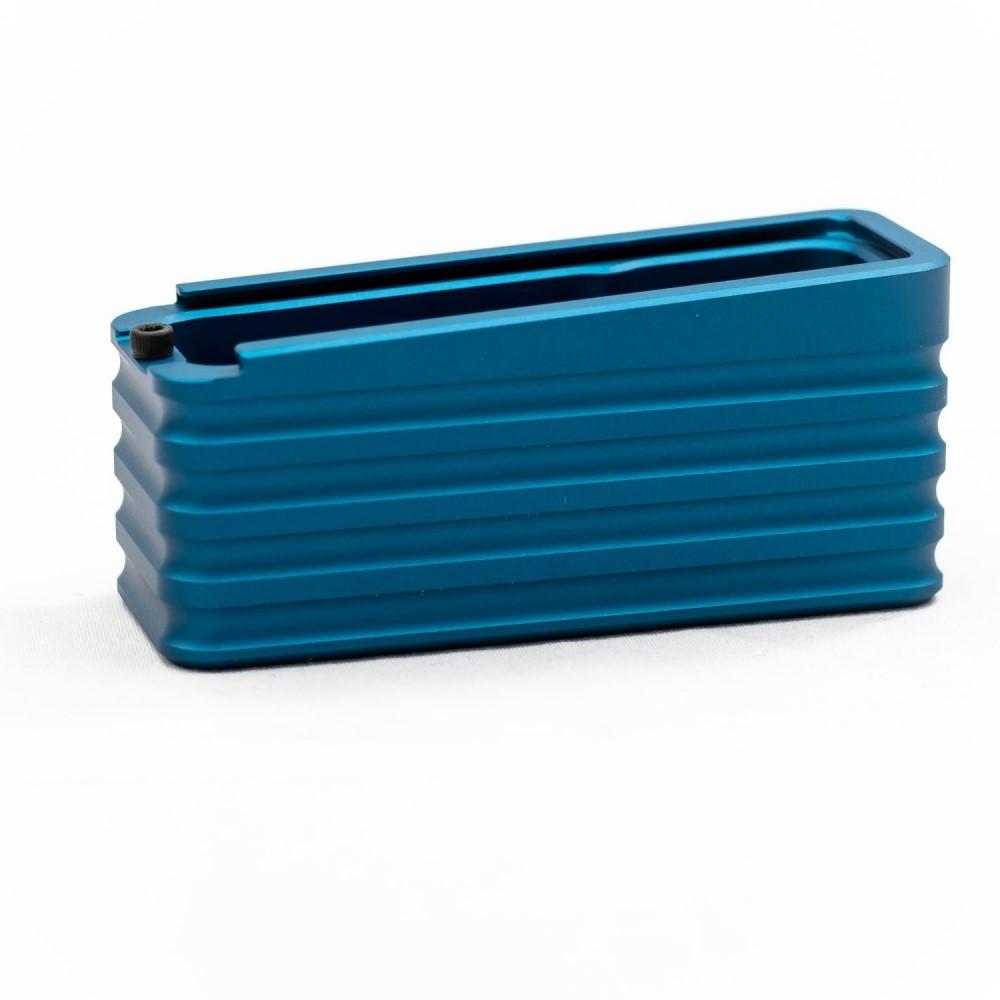 Area 419 Universal SA Magazine Extension Blue for ARC and AICS Magazines 4/rd
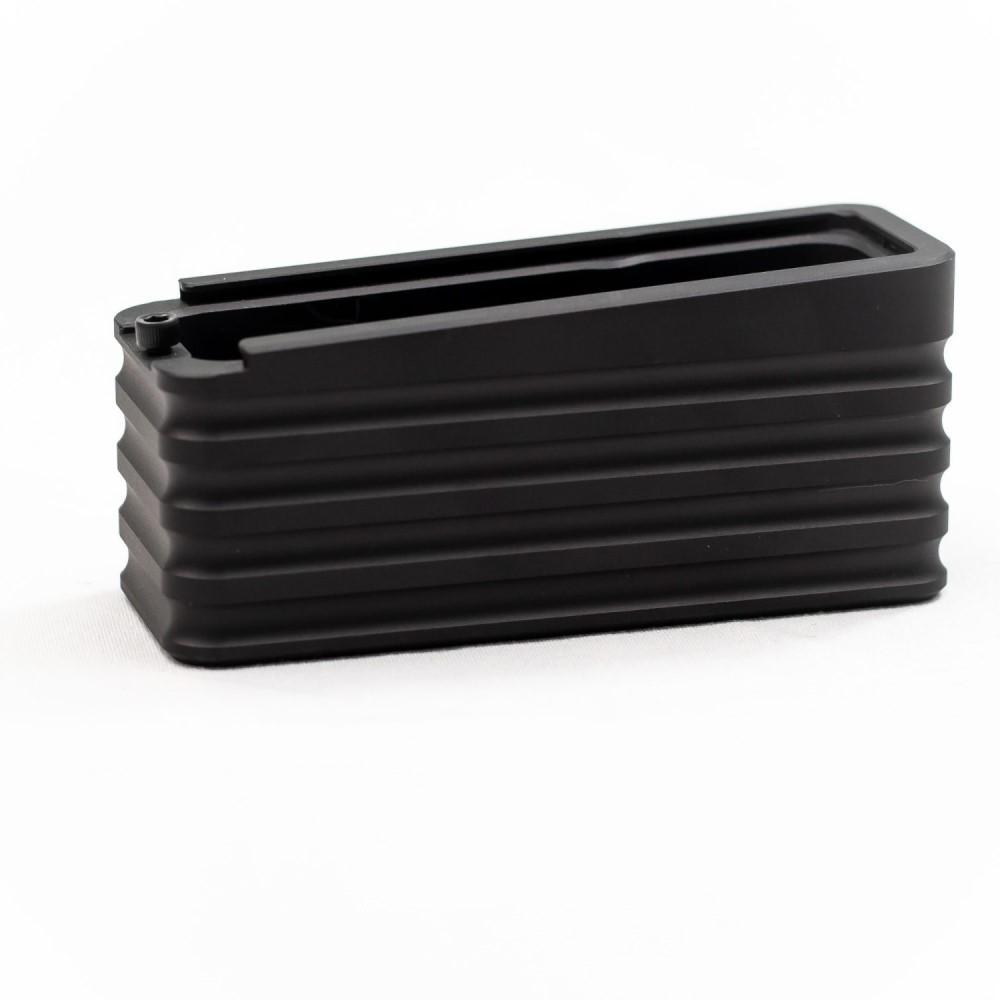 Area 419 Universal SA Magazine Extension Black for ARC and AICS Magazines 4/rd
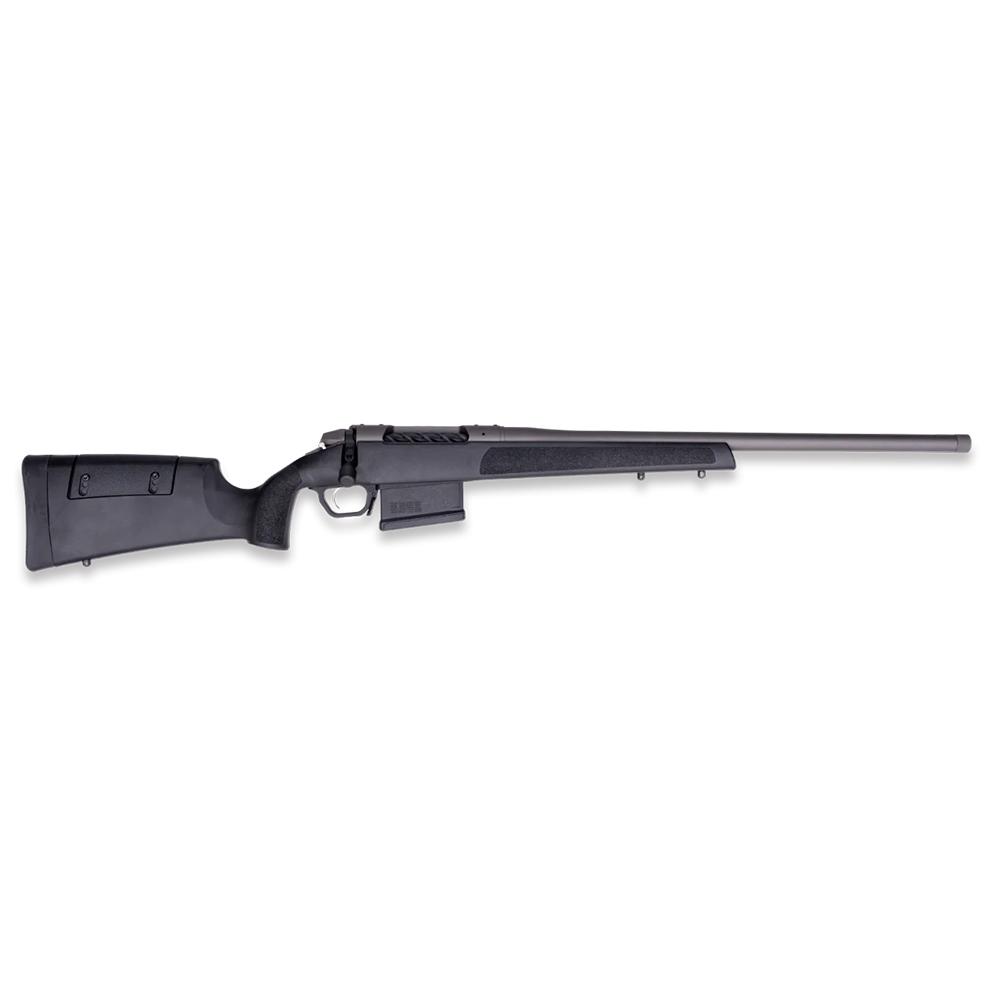 Weatherby 307 Range SF RIfle .22 Creedmoor 5rd Magazine 22" 5/8x24 Threaded Barrel Black
The Fierce Wingman SBR is a short, lightweight bolt-action rifle built around a very specific idea: keep precision-rifle ergonomics, cut the barrel to 12.5 inches, and chamber it in fast Creedmoor cartridges that still carry useful performance from a compact platform. It is offered in 22 Creedmoor, 25 Creedmoor, and 6.5 Creedmoor, with a listed bare weight of 5.3 pounds and an MSRP of $2,995.
That combination deserves a closer look because it sits between several familiar categories. It is shorter than a conventional mountain rifle, more specialized than a general hunting bolt gun, and more field-oriented than a benchrest range rifle. The question for buyers is simple: does a 12.5 inch precision bolt gun solve a real problem for your hunting, predator control, ranch, or range use?
Before buying any short barreled rifle, confirm federal registration, state law, storage, and transport requirements for your address and destination.
Core Specifications That Matter
The Wingman SBR uses the CT Mini Rogue platform and a dual-lug 6AL-4V titanium action with a DLC coating. Titanium reduces action weight compared with steel, which helps keep the rifle at 5.3 pounds before glass, rings, magazine, ammunition, bipod, suppressor, or sling. That matters in the field because a rifle that starts at 5.3 pounds can easily become a 7 to 9 pound system once a scope, mount, loaded AICS magazine, and muzzle device are added.
The action follows the Remington 700 footprint, which is useful for long-term ownership. A 700-pattern action gives the owner a wider universe of compatible triggers, stocks, bottom metal concepts, optic rails, and gunsmith familiarity. The bolt has a 70 degree throw and spiral fluting. A shorter bolt throw helps with scope clearance, especially on rifles using larger ocular housings or low-mounted optics.
The barrel is a 12.5 inch C3 Carbon hand-lapped barrel threaded 5/8-24 and shipped with a thread protector. The 5/8-24 thread pitch is the common pattern for many centerfire rifle suppressors and brakes. No decibel reduction number should be assumed from the rifle alone because suppression depends on the exact suppressor, cartridge, barrel pressure, ammunition, and whether the load is supersonic. With Creedmoor cartridges in a 12.5 inch barrel, buyers should expect supersonic performance and noticeable muzzle pressure, especially with a brake.
The trigger is a TriggerTech Primary Pro set at 2.5 pounds from the factory and adjustable from 1.5 to 4 pounds. For a field rifle, 2.5 pounds is light enough for deliberate shooting from a tripod or prone position while staying manageable with gloves and elevated heart rate. Shooters who use the rifle around vehicles, livestock, cold weather gear, or steep terrain should approach the 1.5 pound end of the range with caution and verify safe handling through dry practice and live fire.
The carbon-fiber stock includes adjustable length of pull from 12.75 inches to 13.25 inches and a push-button cheek riser with 5 positions. Those numbers matter. A 12.75 inch length of pull can help smaller shooters, youth-sized layers, or heavy winter clothing. A 13.25 inch setting remains shorter than many traditional hunting stocks, which suits the compact purpose of the rifle. The adjustable cheek riser is valuable because a precision rifle with a scope needs repeatable eye alignment. A light rifle that recoils into an inconsistent cheek weld is harder to shoot well than its accuracy potential suggests.
For related glass and mounting considerations, BLVista readers can compare field-suitable scopes in the rifle field optics guide.
Three Creedmoor Choices With Different Jobs
The Wingman SBR is available in 22 Creedmoor with a 1:8 twist, 25 Creedmoor with a 1:7.5 twist, and 6.5 Creedmoor with a 1:8 twist. Those twist rates indicate the rifle is intended to stabilize modern, high ballistic coefficient bullets rather than old-style light varmint bullets only.
- 22 Creedmoor: The listed 62 grain Hornady ELD-VT load reaches 2,810 fps from the 12.5 inch barrel. This chambering makes the most sense for varmint, coyote, and small-game control where a flat trajectory, light recoil, and fast follow-up observation matter.
- 25 Creedmoor: The listed 110 grain Nosler AccuBond load reaches 2,725 fps from the 12.5 inch barrel. This is the middle option for shooters who want a predator rifle that can also handle deer-sized game where legal and appropriate. The manufacturer states this load maintains useful terminal performance for deer-sized game to 400 yards.
- 6.5 Creedmoor: The listed 120 grain Hornady ELD-M load reaches 2,500 fps from the 12.5 inch barrel. This chambering offers the strongest factory ammunition ecosystem of the three and makes sense for shooters who value availability, load variety, and known ballistic data.
The short barrel changes the buyer’s calculation. A 12.5 inch tube gives up velocity compared with common 20 to 24 inch Creedmoor rifles, but it gains handling around blinds, trucks, side-by-sides, dense timber, barricades, and tripods. The right buyer values a compact footprint more than maximum muzzle velocity.
Field Handling and Mounting Hardware
The Wingman SBR feeds from AICS-pattern detachable box magazines. AICS short-action magazines are widely used in precision bolt guns, and common capacities include 5 and 10 rounds depending on cartridge, magazine body, and local restrictions. That compatibility matters for match practice, load development, predator stands, and long-term parts sourcing. Buyers should still test every magazine they intend to carry because short, fat cartridges and lightweight actions can reveal feed timing issues that never appear on a spec sheet.
The rifle includes a Picatinny rail section for bipod use, an Arca rail for tripod mounting, QD flush cups, and a thread protector. This is a strong field layout. Picatinny remains common for bipods, while Arca has become the standard for direct tripod clamping in precision rifle and predator hunting. A compact 12.5 inch barrel paired with an Arca rail can be very effective from standing, kneeling, or seated tripod positions where a longer barrel feels front-heavy.
If you are setting up a compact precision rifle from the ground up, BLVista’s range and match loadout guide can help prioritize support bags, bipods, tripods, magazines, and maintenance gear before buying accessories that add weight without improving hit probability.
Suppressor Use and Muzzle Device Choices
A 12.5 inch Creedmoor rifle with 5/8-24 threads naturally invites suppressor use. A suppressor can reduce blast to the shooter and bystanders, improve communication on the range, and make predator or hunting use more manageable. The tradeoff is length, weight, and heat. A compact rifle with a long suppressor can return to the same overall length as a conventional hunting rifle, although it will still carry differently because the barrel is shorter and the mass is distributed closer to the action.
For this platform, the decision framework is straightforward:
- Use a brake if your priority is recoil control from supported positions and you shoot mostly at open ranges with hearing protection.
- Use a suppressor if blast management, communication, and field comfort matter more than minimum weight.
- Use the thread protector when carrying the rifle in rough country and you want the shortest possible package.
Because the Wingman SBR is chambered in high-pressure centerfire cartridges, suppressor selection should account for barrel length ratings. Many rifle suppressors have minimum barrel length guidance by caliber. Confirm that rating before mounting any can on a 12.5 inch Creedmoor. BLVista readers comparing cans, mounts, thread patterns, and ownership considerations can start with the suppressor buyer guide.
Durability, Maintenance, and Ownership Cycle
Carbon-wrapped barrels and carbon-fiber stocks reduce weight, but they still require normal rifle discipline. Keep the 5/8-24 muzzle threads clean, protect the crown, and check thread protector tightness before transport. If a suppressor or brake is used, inspect shoulder contact and alignment before live fire. Heat management also matters. A light carbon-barreled rifle can shoot well, but long strings of fire can heat the barrel, suppressor, and fore-end quickly. For load development, shoot controlled groups and allow cooling time rather than treating a 5.3 pound field rifle like a heavy match gun.
The DLC-coated titanium action should resist wear and corrosion better than bare metal, but the rifle still needs basic cleaning after rain, snow, dust, and backcountry carry. Wipe down the bolt body, clean grit from the lug area, check action screw torque according to the maker’s guidance, and inspect magazines for feed-lip damage. AICS magazines that ride in packs or side-by-side storage compartments can collect dust and debris that affect feeding.
Storage and transport also deserve planning. A short rifle fits more easily into compact cases and vehicle storage than a full-length 24 inch barrel rifle, especially with the suppressor removed. If the rifle is registered as an SBR, keep required documentation accessible according to your own compliance plan. For field use, store suppressors, magazines, ammunition, and the rifle in a way that meets state rules and prevents unauthorized access.
Who Should Consider the Wingman SBR
The Wingman SBR is best suited for shooters who already understand the tradeoff between velocity and handling. A hunter who shoots from box blinds, trucks, heavy cover, or tripods may appreciate the 12.5 inch barrel more than a shooter who wants maximum downrange energy from open-country ridges. A predator hunter who walks long distances and makes fast sets may value the 5.3 pound bare weight. A range shooter who wants a compact precision rifle should account for heat, muzzle blast, and the cost of optics and support gear.
The $2,995 MSRP puts this rifle in a serious buyer category. At that price, the value argument comes from titanium construction, carbon-fiber furniture, a quality trigger, AICS magazine compatibility, 700-pattern architecture, and included support-gear attachment points. Buyers comparing alternatives should price the complete system, not only the rifle. Add the optic, rings, bipod or tripod clamp, magazines, suppressor or brake, sling, case, and ammunition. A compact precision rifle is only as useful as the setup around it.
To compare availability and related compact precision rifle gear, browse Fierce Wingman SBR options and AICS-pattern magazine gear at BLVista.
Decide Where the 12.5 Inch Creedmoor Fits
The Fierce Wingman SBR makes the most sense for a shooter who wants a compact, premium bolt gun and accepts the realities of a short Creedmoor barrel. The 12.5 inch barrel, 5.3 pound bare weight, 5/8-24 threads, adjustable 1.5 to 4 pound trigger, 12.75 to 13.25 inch length of pull, and AICS magazine system all point toward a rifle built for portability and supported field shooting. Choose 22 Creedmoor for varmint work, 25 Creedmoor for the widest predator-to-deer overlap, and 6.5 Creedmoor for the broadest factory ammunition support.
FAQ
The Fierce Wingman SBR uses a 12.5 inch carbon-wrapped, hand-lapped barrel. It is threaded 5/8-24, which is a common thread pitch for centerfire rifle suppressors and muzzle brakes.
The listed bare rifle weight is 5.3 pounds. The finished field weight will be higher once you add a scope, rings, loaded AICS magazine, sling, bipod, tripod adapter, brake, or suppressor.
Choose 22 Creedmoor for varmints and coyotes, 25 Creedmoor for predators with deer-sized game capability where legal, and 6.5 Creedmoor if factory ammunition availability and broad ballistic data matter most.
Listed test velocities are 2,810 fps with a 62 grain Hornady ELD-VT in 22 Creedmoor, 2,725 fps with a 110 grain Nosler AccuBond in 25 Creedmoor, and 2,500 fps with a 120 grain Hornady ELD-M in 6.5 Creedmoor.
Yes. The rifle feeds from AICS-pattern detachable box magazines. Common short-action AICS magazines are available in 5 and 10 round formats, subject to cartridge fit and local restrictions.
It has strong suppressor-host traits, including a 12.5 inch barrel and 5/8-24 muzzle threads. Confirm the suppressor’s minimum barrel length rating for the specific Creedmoor chambering before use.
Plan for an optic, rings or mount, extra AICS magazines, sling, case, bipod or tripod support, muzzle device or suppressor, cleaning gear, and ammunition. BLVista helps buyers compare these parts as a complete field system so the rifle performs as intended.
Was this useful?