
Brief
Smith & Wesson M&P FPC 22LR Field Review
Smith & Wesson M&P FPC 22LR review with specs, accuracy notes, reliability, suppressor use, folding storage, controls, and buyer considerations.
Shop this at BLVista
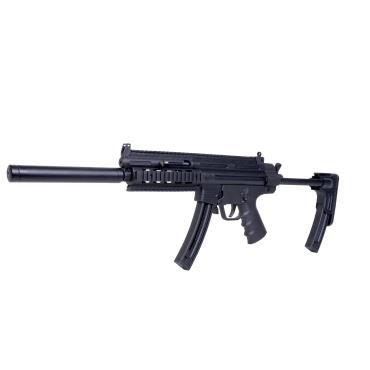
The Smith & Wesson M&P FPC 22LR takes the folding carbine concept and moves it into rimfire territory, where portability, low recoil, ammunition cost, and suppressor compatibility matter more than raw power. On paper, it looks like an easy win: .22 LR chambering, 20+1 capacity, a 16.25 inch barrel, 1/2×28 muzzle threads, and an overall length of 30.4 inches that folds down to 16.38 inches. In real use, the more important question is whether the design holds zero, feeds rimfire ammunition reliably, and carries well enough to justify choosing it over a conventional .22 rifle.
For BLVista buyers looking at a compact rimfire carbine for range use, small game, camp storage, training, or a lightweight truck and trail companion where lawful, the M&P FPC 22LR deserves a close look. It is not trying to be a precision rimfire match rifle. It is a portable, magazine-fed, suppressor-ready plinker with useful onboard storage and enough mechanical consistency to be more than a novelty.
If you are comparing compact rimfire rifles and compatible accessories, start with the M&P FPC 22LR product search at BLVista and weigh the rifle against your actual use case, not just the folded length.
Key Specifications That Matter
The M&P FPC 22LR is chambered in .22 LR and uses 20 round magazines. Capacity is 20+1 with one magazine inserted, and the stock carries two additional magazines. That gives the shooter 60 rounds on the gun, or 61 rounds with a chambered cartridge, before adding loose magazines in a pack or pouch.
- Caliber: .22 LR
- Capacity: 20+1
- Barrel length: 16.25 inches
- Overall length: 30.4 inches open
- Folded length: 16.38 inches
- Height: 8 inches
- Width: 2.5 inches
- Weight: 4.08 pounds
- Muzzle threads: 1/2×28
- Included magazines: three 20 round magazines
Those numbers tell you what the rifle is built for. At just over 4 pounds, it is light enough for a day of informal range work or a compact pack setup. The 16.25 inch barrel keeps it in rifle territory while giving .22 LR ammunition a useful sight radius equivalent when using optics and stable shoulder support. The 1/2×28 threaded muzzle is also important because that is the common thread pattern for many rimfire suppressors and muzzle devices.
The Folding Design Is More Than Storage Convenience
Folding carbines often live or die by repeatability. A compact gun that loses zero every time it is opened has limited value outside casual plinking. The FPC 22LR folds at the front section, with the forend rotating back along the left side of the receiver and stock. A retention point associated with the charging handle holds the gun in its folded position, while the lockup when opened is firm enough for normal shooting use.
The folded length of 16.38 inches changes how the rifle stores. It can fit in many backpacks, discreet cases, side by side UTV compartments, or limited safe space where a full length rifle is inconvenient. That matters for outdoor users who may already be carrying binoculars, water, knives, game bags, first aid, or a sidearm. A rifle that packs smaller without requiring barrel removal reduces setup time when you reach the range or campsite.
The tradeoff is width and hinge bulk. At 2.5 inches wide, this is not as flat as a basic takedown rifle with the barrel removed. The benefit is speed. Open it, confirm lockup, verify condition, and get to work. For a rimfire trainer or pest control rifle, that is a meaningful advantage.
Accuracy Expectations With .22 LR Ammunition
Rimfire accuracy depends heavily on ammunition. Bullet weight, velocity consistency, case priming, and chamber preference all matter. In controlled 25 yard testing, the M&P FPC 22LR produced a best 5 shot group around 0.67 inch with 40 grain match ammunition. Other tested loads ranged from about 1.05 inches with a 37 grain segmenting hollow point to just over 2 inches with a 42 grain subsonic load.
That performance places the rifle in a useful field and range category. It is accurate enough for steel plates, cans, small reactive targets, squirrel-sized game at responsible distances, and youth or new shooter training. It is not the first choice for serious NRL22 competition, where rifle balance, barrel quality, trigger refinement, and ammunition tuning are pushed harder.
A smart buyer should test at least three types of ammunition before judging the rifle. Start with a 36 grain high velocity load, a 40 grain standard velocity load, and a subsonic load if you plan to suppress it. Zero at 25 yards first, then confirm at 50 yards. If your intended use includes small game, confirm point of impact with the exact hollow point or solid you intend to carry.
Reliability and Rimfire Reality
Rimfire cartridges are inherently more sensitive than centerfire ammunition. The priming compound sits inside the rim, and occasional failures to fire happen even in good rifles. In extended range use, the FPC 22LR showed strong feeding, extraction, and ejection across mixed ammunition. A couple of rounds with solid firing pin strikes failed to ignite, which points toward ammunition rather than the gun.
For owners, the lesson is simple. Track malfunctions by type. A light strike, failure to feed, failure to extract, and failure to eject all mean different things. Keep notes by ammunition brand, bullet weight, and whether the rifle was suppressed. Rimfire carbon and lubricant residue build quickly, especially with a suppressor mounted. If reliability changes after a few hundred rounds, clean the chamber, bolt face, extractor area, and magazine bodies before blaming the rifle.
Suppressor Use and Threaded Barrel Value
The 1/2×28 threaded muzzle is one of the most useful features on this carbine. A rimfire suppressor can reduce blast, improve the training experience, and make extended range sessions less fatiguing when paired with proper hearing protection. Supersonic .22 LR still produces a crack downrange, while subsonic ammunition gives the quietest result in a suppressed setup.
Suppressors add weight at the muzzle and increase fouling. With a lightweight 4.08 pound rifle, even a small rimfire can changes handling slightly. That may be acceptable for bench shooting, pest control, or quiet plinking, but it should be tested before relying on the setup in the field. Owners should also confirm suppressor alignment, keep the thread protector handy, and follow all federal, state, and local rules for suppressor possession and transport.
For buyers building a rimfire host around sound reduction, BLVista’s suppressor buyer guidance can help frame questions around thread pitch, cleaning, ammunition choice, and ownership responsibilities.
Controls, Trigger, and Handling
The control layout is easy to understand for shooters who already know modern polymer-framed firearms. The magazine release is reversible, the bolt release is accessible from both sides, and the cross-bolt safety sits above the trigger guard. The charging handle is mounted underneath and can be worked from either side using wing-like contact points.
The trigger is better than many rimfire utility rifles. The flat-faced shoe uses an integrated safety lever, with a short take-up, defined wall, and an average break around 4.5 pounds. Reset is light but can be felt and heard. For a range and field rimfire, that is workable. For precision competition, a lighter and more refined trigger would be preferred.
The grip texture is aggressive enough for outdoor use, and the rifle includes four grip insert options. That helps fit different hand sizes, which matters when the same carbine may be used by a parent, spouse, teenager, or new shooter during a range session. The fixed stock is the main ergonomic compromise. Length of pull does not adjust, so smaller shooters may need to change stance and cheek placement to get a consistent sight picture.
Magazine Storage and Ammunition Management
The stock-mounted magazine storage is one of the better reasons to consider this rifle. Two spare 20 round magazines ride in the buttstock with the baseplates oriented for tactile indexing. That means a shooter can pull a spare magazine without needing to look closely at the rifle, which is useful during a range drill or when wearing gloves.
The downside is that any onboard retention system should be tested under movement. Load the magazines, shoulder the rifle, fold and unfold it, move it in and out of your pack, and check whether the stored magazines remain secure. If your rifle will live in a vehicle case or hunting pack, inspect the magazine release bar and retention points during normal handling. A magazine carried on the gun has value only if it stays there until needed.
Optics, Rails, and Accessory Limits
The FPC 22LR has Picatinny rail space forward of the hinge and M-LOK slots around the forend. A compact red dot is the natural optic choice. A 2 MOA dot gives enough precision for small targets at 25 to 50 yards while staying fast on steel or reactive targets. Large magnified optics make less sense because the rifle’s folding layout and rimfire role favor compactness.
There is no receiver-top rail section behind the hinge, so buyers should avoid planning around a dot and magnifier combination. Keep the optic light, check mounting torque, and verify that folding does not interfere with any light, sling hardware, or hand stop. M-LOK accessories should be positioned so they do not block the folding path.
If your rimfire setup needs a compact optic, sling, case, or magazine support, the 22LR carbine accessories search at BLVista is a useful starting point.
Where This Rifle Fits
The M&P FPC 22LR makes the most sense for shooters who value compact storage, low-cost training, and simple range use. It is a strong fit for informal plinking, new shooter instruction, small game hunting where .22 LR is legal and appropriate, camp utility, and preparedness-minded storage. The ability to carry three 20 round magazines on the gun gives it a self-contained quality that many rimfire rifles lack.
It makes less sense for buyers who want a benchrest .22, a classic wood-stocked field rifle, or a competition-ready rimfire platform with a deep aftermarket. The folding mechanism, fixed stock, and forward optic rail are design choices built around portability. If portability is not high on your list, a conventional rimfire may give you more stock fit options and aftermarket flexibility.
Ownership and Maintenance Checklist
Before you commit to any folding rimfire carbine, use a simple checklist:
- Confirm the rifle locks open firmly after repeated folding cycles.
- Test at least three ammunition types before buying bulk ammo.
- Verify point of impact after folding and unfolding the rifle several times.
- Check stored magazine retention with loaded magazines.
- Clean the chamber and bolt face regularly, especially after suppressed shooting.
- Confirm your optic mount stays tight after transport.
- Use a case that protects the hinge, optic, and muzzle threads.
- Follow all applicable rules for storage, transport, hunting use, magazine capacity, and suppressor ownership.
This is the difference between buying an interesting firearm and owning one that works well over time. Rimfire guns reward routine maintenance. Keep magazines clean, avoid over-oiling, and inspect the extractor area after dirty ammunition or long suppressed sessions.
Decide If Compact Rimfire Utility Is Your Priority
The Smith & Wesson M&P FPC 22LR is a capable folding rimfire carbine for buyers who want portability without giving up magazine capacity or suppressor-ready features. Its strongest attributes are the 16.38 inch folded length, 4.08 pound weight, three included 20 round magazines, onboard storage, 1/2×28 threaded barrel, and reliable function with varied .22 LR ammunition. Its limitations are also clear: fixed stock fit, limited rear rail space, and accuracy that depends heavily on load selection.
For the shooter who wants a compact plinker, small game companion, or low-recoil training rifle, it checks the right boxes. For the buyer chasing tiny groups or full aftermarket modularity, compare carefully before spending. BLVista helps buyers reduce purchase risk by focusing on fit, reliability, compatibility, and long-term ownership rather than spec-sheet novelty. You can continue comparing rimfire gear through the BLVista shop.
FAQ
Yes. The .22 LR chambering, low recoil, 4.08 pound weight, and simple controls make it approachable for new shooters. The fixed stock may fit some body types better than others, so smaller shooters should confirm length of pull and cheek weld before buying.
At 25 yards, 5 shot groups can vary widely by ammunition. Match-style 40 grain ammunition may produce groups under 1 inch, while some subsonic or high-velocity loads may open closer to 2 inches. Test your rifle with several loads before choosing bulk ammunition.
Yes, the rifle uses 1/2×28 muzzle threads, which are common for rimfire suppressors. Suppressed use increases fouling, so owners should clean the chamber, bolt face, extractor, and magazines regularly. Always follow applicable laws for suppressor ownership and transport.
The rifle measures 16.38 inches folded and 30.4 inches open. That compact folded length is one of its main advantages for backpack storage, range transport, and limited safe space.
A compact red dot is the best match for most users. A 2 MOA dot gives a good balance of speed and precision for 25 to 50 yard rimfire shooting. Large scopes and magnifier setups are less compatible with the rifle’s folding layout and forward rail arrangement.
Was this useful?