
Brief
12 Gauge Lessons From Counter Drone Systems
Learn how counter-drone shotgun systems inform 12 gauge selection, patterning, barrel length, payload weight, reliability, training, and long term gear...
Shop this at BLVista
 Tristar TT-15 Sporting 12 Gauge O/U Shotgun 2.75" Chamber 30" VR Barrel Silver/ Blued w/Walnut Stock
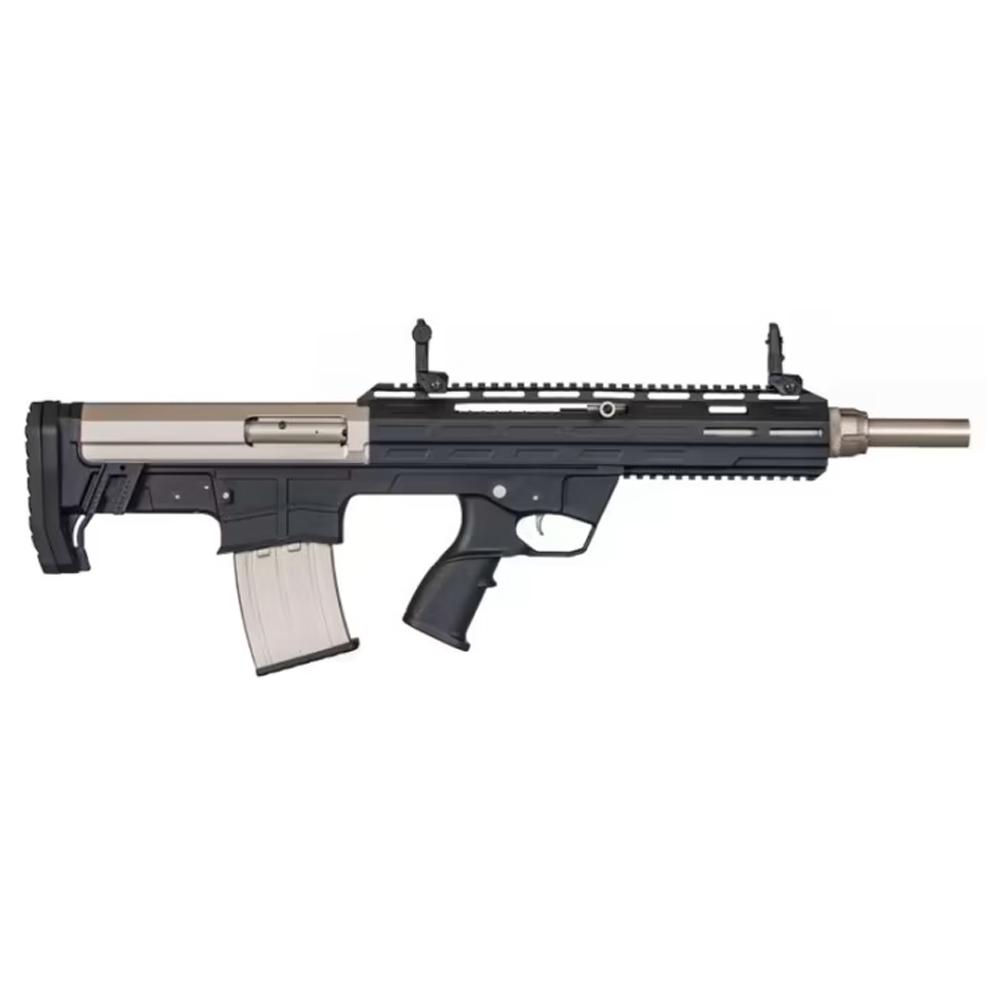 SDS Imports Tokarev TBP-12 Semi-Auto 12 Gauge BullPup Style Magazine Fed Shotgun- Trident Finish
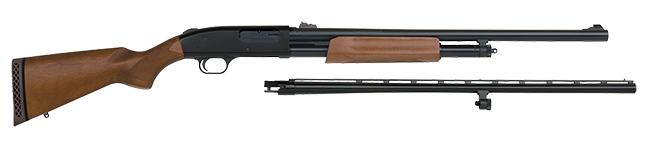 12 GAUGE WOOD 28 AND 24 BARREL
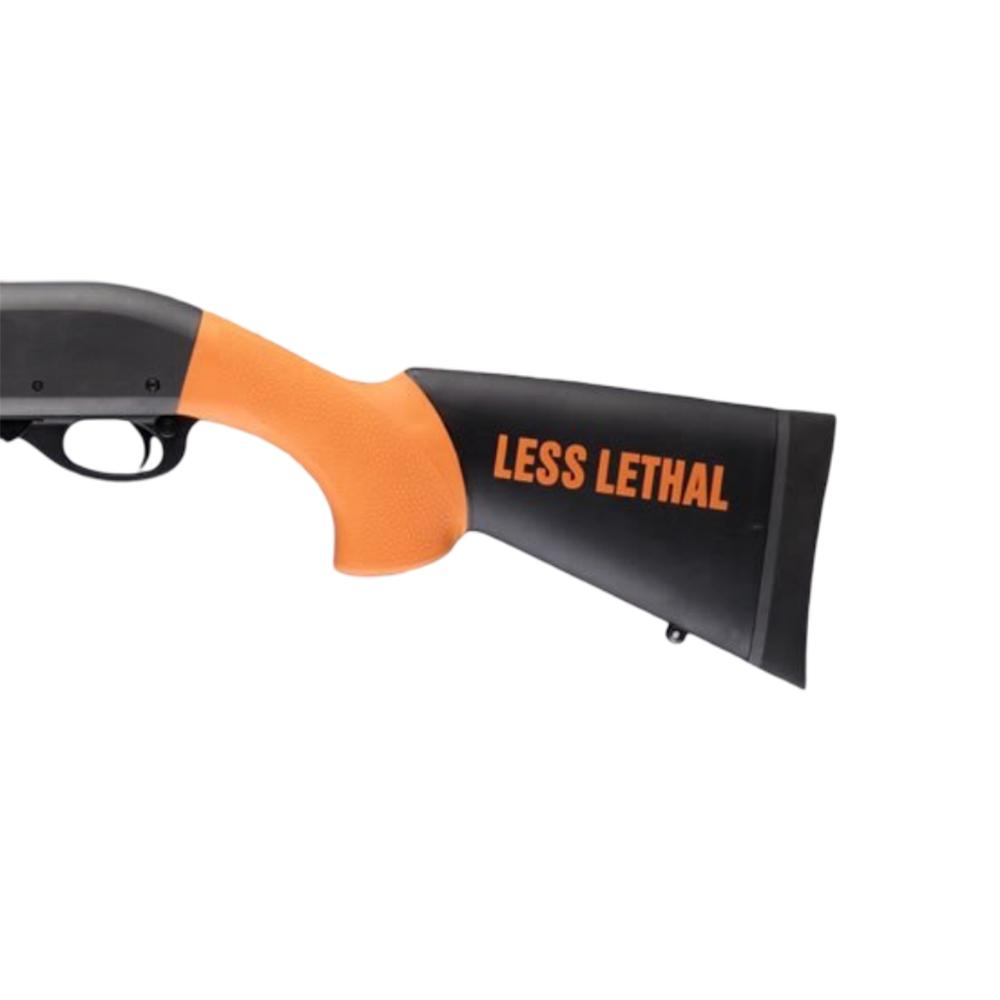 Remington 870 12 Gauge Less Lethal Orange OverMolded Shotgun Stock-12" LOP
Small FPV drones have forced a serious rethink of short range defense equipment. A quadcopter that costs hundreds of dollars can move fast, stay low, and appear with little warning. Answering that threat with a system that costs millions creates a cost exchange problem. The more useful lesson for BLVista readers is simple: equipment only works when detection, identification, decision making, and the tool itself all match the problem.
This article is about gear, training, and selection. Private citizens should verify local law before taking any action against a drone, because safe backstops, property boundaries, and airspace rules matter as much as equipment. The technical side still deserves attention. Counter-drone shotgun systems expose strengths and weaknesses that also apply to home defense shotguns, field guns, ranch security plans, and high volume range training.
Why the sensor matters before the shotgun
A shotgun can only solve a problem that has already been detected and identified. Modern counter-drone systems pair a kinetic tool with sensors because the engagement window can be extremely short. FPV drones are commonly discussed in the 70 to 120 mph range. At 70 mph, a drone covers more than 100 feet per second. At 120 mph, it covers 176 feet per second. A target detected late leaves little time for confirmation, weapon movement, lead, and follow-through.
The useful specifications from current compact radar development are worth studying. Older field radar units could weigh around 100 pounds and require trained personnel to deploy. Newer man-portable radar concepts have been built around sub-5-pound sensor packages, Ethernet connection, Power over Ethernet, and wide area detection. A sensor that can detect a walking person at 1,000 meters is in a very different class from a trail camera or motion light. Some compact 3D radar concepts are designed to track up to 50 targets every 56 milliseconds, which matters when a system must follow small, fast objects instead of slow vehicles or static aircraft.
For civilian buyers, the takeaway is not to bolt radar to a duck gun. The takeaway is to think in layers. A rural property owner, hunting lease manager, or range operator may care about cameras, lighting, tripods, battery packs, radios, and observation points long before a firearm enters the plan. If you are building a general field or defensive loadout, start with reliable core gear from BLVista, then add electronics only when they solve a real task.
Why 12 gauge keeps showing up
The 12 gauge remains attractive for fast aerial targets because a shotshell throws a payload pattern instead of a single projectile. A 1 ounce shot charge equals 437.5 grains. A 1 1/8 ounce load equals 492 grains. A 1 1/4 ounce load equals about 547 grains. That payload gives the shooter a small amount of angular forgiveness when the target is moving across the muzzle.
Counter-drone concepts often focus on hard, dense shot materials. Tungsten is especially relevant because it retains energy better than softer, lighter shot of the same size. One counter-drone ammunition concept describes tungsten pellets moving around 500 meters per second, which is roughly 1,640 feet per second. That velocity is fast for a shotshell payload and helps explain why pattern density, pellet hardness, and lead become critical.
For conventional buyers, the same physics apply at the range and in the field. A 12 gauge turkey gun, waterfowl gun, home defense shotgun, or clay target gun must be evaluated by pattern, recoil, cycling, and ammunition compatibility. Browse 12 gauge shotgun options with the role in mind first. A shotgun selected for trap or dove fields usually has different priorities than one staged for home defense or carried in a side-by-side vehicle on private land.
Barrel length and handling tradeoffs
Barrel length changes the way a shotgun mounts, swings, stores, and clears obstacles. Many defensive 12 gauge shotguns use an 18.5 inch barrel, partly because it keeps the gun compact while providing margin above the common 18 inch minimum barrel length. Hunting and clay guns commonly use 26 to 28 inch barrels because the longer sighting plane and smoother swing help on crossing targets. Turkey guns often sit in the 21 to 24 inch range because hunters want maneuverability in blinds and cover.
Aerial target work rewards a gun that moves smoothly without feeling whippy. A very short barrel can start and stop quickly, which helps in confined spaces, but it may encourage jerky tracking on a crossing target. A longer barrel can maintain follow-through, but it becomes harder to manage from vehicles, blinds, doorways, or heavy brush.
Use this simple comparison:
- 18.5 inch barrel: compact storage, faster around barriers, sharper swing characteristics.
- 21 to 24 inch barrel: strong compromise for turkey hunting, field carry, and tighter terrain.
- 26 to 28 inch barrel: better swing continuity for wingshooting, clays, and open field use.
Capacity and feed system choices
Shotgun capacity matters most when multiple targets, follow-up shots, or training repetitions are part of the use case. Traditional tube-fed shotguns often hold 4+1, 5+1, or 7+1 rounds depending on shell length, magazine tube length, and model configuration. Detachable box magazine shotguns commonly use 5 round or 10 round magazines, with larger magazines available for some platforms.
Tube-fed guns tend to be compact through the receiver and are easy to top off one shell at a time. Box-fed guns reload quickly as a unit, but magazines add bulk, require spring maintenance, and can be more sensitive to ammunition length and shell deformation. In 12 gauge, soft plastic hulls, crimp style, and overall shell length can affect feeding more than many rifle shooters expect.
If your shotgun will be used for hard range sessions, test the actual ammunition you plan to stock. A firearm that cycles 1 1/8 ounce target loads at 1,200 fps may behave differently with low recoil buckshot, 3 inch hunting loads, or heavy tungsten loads. Before buying cases of ammunition, run several boxes through the gun and record failures by shell type. BLVista can help narrow the search for shotgun ammunition based on role rather than guesswork.
Patterning is the real proof
A shotgun is a patterning tool. Paper tells the truth. For defensive and field use, pattern at 15, 25, and 40 yards with the exact load and choke you intend to use. At 15 yards, many loads remain tight enough that aiming errors still matter. At 25 yards, pellet distribution starts to show real differences between loads. At 40 yards, weak patterns, poor choke matching, and pellet energy limits become much more obvious.
For fast moving aerial targets, pattern density matters more than impressive single pellet numbers. A hard pellet at high speed still needs to intersect the target. Large gaps in the pattern create misses. Tight patterns demand more precise leads. Open patterns spread faster, but pellet count on target may fall off quickly. Cylinder, improved cylinder, modified, and full choke each has a role, and the correct answer depends on distance, pellet material, target size, and safety backdrop.
Reliability under dirt, heat, and repetition
Counter-drone systems highlight a reality every shotgun owner should respect: a gun that works for 3 shots from a clean bench may struggle during 200 rounds of training, blowing dust, rain, heat, and rapid loading. Semi-automatic shotguns add recoil springs, gas ports, pistons, O-rings, magazine springs, and feed geometry to the maintenance list. Pump shotguns reduce some ammunition sensitivity, but they add shooter input. Short-stroking a pump under stress remains a real training issue.
Maintenance should follow a schedule, not mood. After wet field use, wipe exterior metal, clean the bore, dry the magazine tube area, and inspect the chamber. After high round count range use, clean the gas system according to the manufacturer’s instructions, check choke tube tightness, inspect shell stops, and look for battered magazine followers. Store ammunition in a cool, dry place. Shotshell hulls can deform under pressure, especially when left loaded in box magazines or crushed in loose range bags.
Electronics add another ownership cycle. If your property or range plan uses cameras, lights, handheld thermal optics, radios, or portable power, label batteries, rotate charging, protect connectors, and keep spare cables. Ethernet, USB-C, AA, CR123A, and 18650 powered equipment each requires a different storage habit. Gear that fails because of a dead battery fails just as completely as a shotgun with a broken extractor.
Training lessons shooters can use now
You do not need a drone engagement course to benefit from the shooting principles. Clay targets, aerial shotgun drills, and structured range days build the same core skills: mount consistency, target focus, lead, swing speed, follow-through, and quick recovery. A shooter who cannot break crossing clays at known distances will struggle with any fast aerial target under pressure.
Build a simple training progression:
- Pattern the gun at 15, 25, and 40 yards with 2 or 3 loads.
- Confirm point of impact from a mounted and low-ready start.
- Shoot slow crossing clays before increasing speed or angle.
- Track with the eyes first, then move the muzzle to match.
- Run reload drills with dummy shells before adding live fire.
- Track malfunctions by load, magazine, and round count.
For organized loadouts, the same disciplined approach applies across rifles, pistols, shotguns, optics, slings, bags, and support equipment. The range and match loadout guide is a useful reference for building repeatable packing lists and reducing forgotten gear.
How to choose gear without chasing military hardware
Most BLVista customers do not need a turreted shotgun, 3D radar, or low six-figure counter-drone package. The smarter move is to extract the selection logic and apply it to attainable equipment.
- Define the role: home defense, bird hunting, clay shooting, ranch carry, range training, or camp security.
- Pick the barrel length: 18.5 inches for compact defensive handling, 21 to 24 inches for hybrid field use, 26 to 28 inches for wingshooting and clays.
- Choose capacity honestly: 4+1 or 5+1 may be enough for hunting and basic defense, while 7+1 or detachable magazines may fit training-heavy use.
- Test the load: compare payload weight, velocity, recoil, pattern, and cycling before buying bulk.
- Plan maintenance: stock spare choke tubes, cleaning supplies, magazine springs where appropriate, and a simple round count log.
- Build the support kit: hearing protection, eye protection, sling, case, light if appropriate, batteries, and weatherproof storage.
The best lesson from counter-drone shotgun development is cost discipline. The gear must match the threat, the training level, and the maintenance budget. A $500 problem should not force a $50,000 mistake. A shotgun buyer can avoid that trap by focusing on patterning data, reliable cycling, legal configuration, storage, and repeatable training.
FAQ
A 12 gauge shotgun can be effective on small, close, fast moving aerial targets in controlled and lawful settings because the shotshell pattern creates multiple pellet paths. The limits are range, target identification, safe backstop, pellet energy, and local restrictions. For most civilian users, the better takeaway is to train aerial target skills with clays and choose a reliable shotgun for lawful sporting or defensive roles.
An 18.5 inch barrel is common for defensive 12 gauge shotguns because it keeps the firearm compact for storage and movement. A 21 to 24 inch barrel can work better for mixed field use, while 26 to 28 inch barrels are usually better for hunting birds and clay targets because they swing more smoothly.
The best load depends on distance, choke, target size, and the shotgun. Start by patterning 1 ounce, 1 1/8 ounce, and heavier field loads at 15, 25, and 40 yards. A 1 ounce payload equals 437.5 grains, while a 1 1/8 ounce payload equals 492 grains. Dense materials such as tungsten can retain energy well, but they cost more and still require a usable pattern.
Tube-fed shotguns are proven, compact, and easy to top off one shell at a time. Box-fed shotguns can reload quickly with 5 round or 10 round magazines, but they add magazine maintenance and can be more sensitive to shell length and hull condition. Choose based on your training habits, storage method, and ammunition testing results.
BLVista helps buyers compare shotguns, ammunition, range gear, and support equipment by focusing on role, specifications, compatibility, and ownership cost. That approach helps shooters avoid confusing product claims and choose 2A friendly tools that fit real range time, field use, storage, and maintenance needs.
Was this useful?