
Brief
XS Sights Upgrades for Taurus 66 Combat
XS Sights adds tritium, fiber optic, and ACRO plate options for the Taurus 66 Combat .357 Magnum revolver. See use cases and buying factors.
Shop this at BLVista
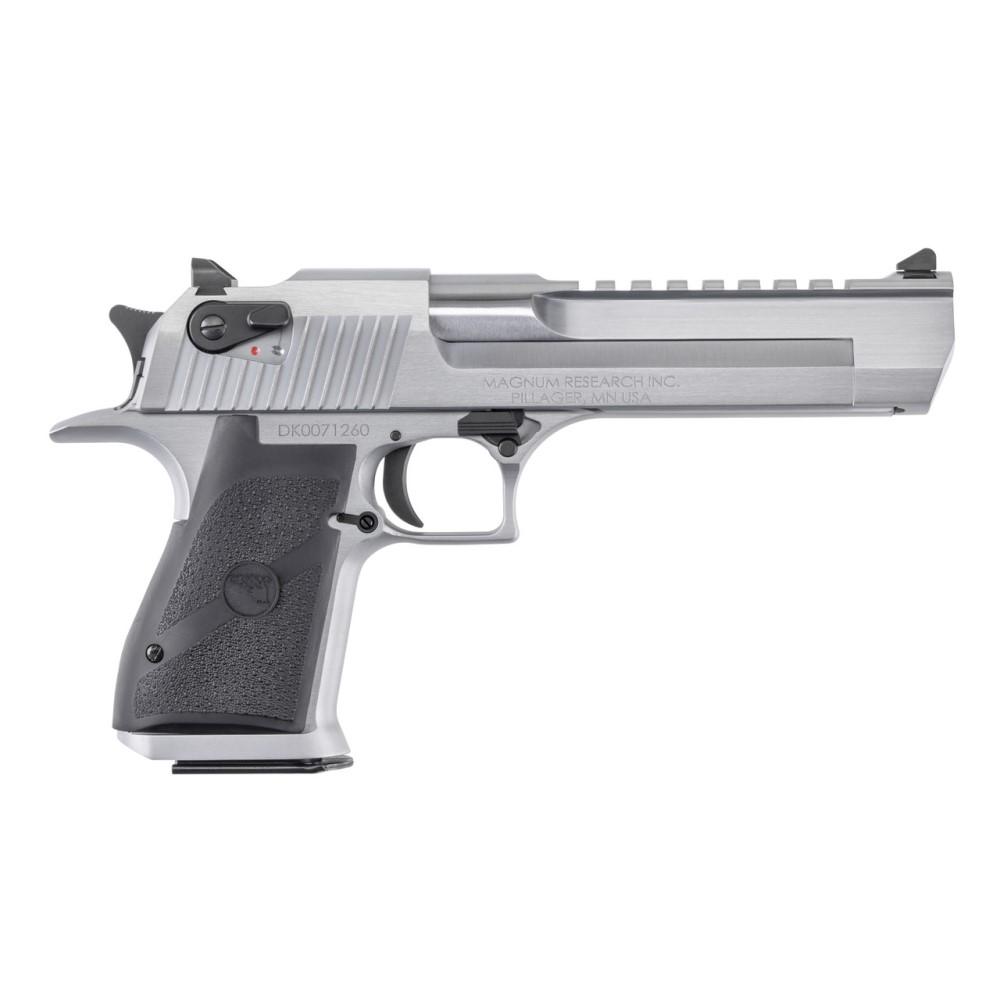 Magnum Research Desert Eagle Mark XIX Handgun .357 Magnum 9/rd 6" Barrel Brushed Chrome **BLEM
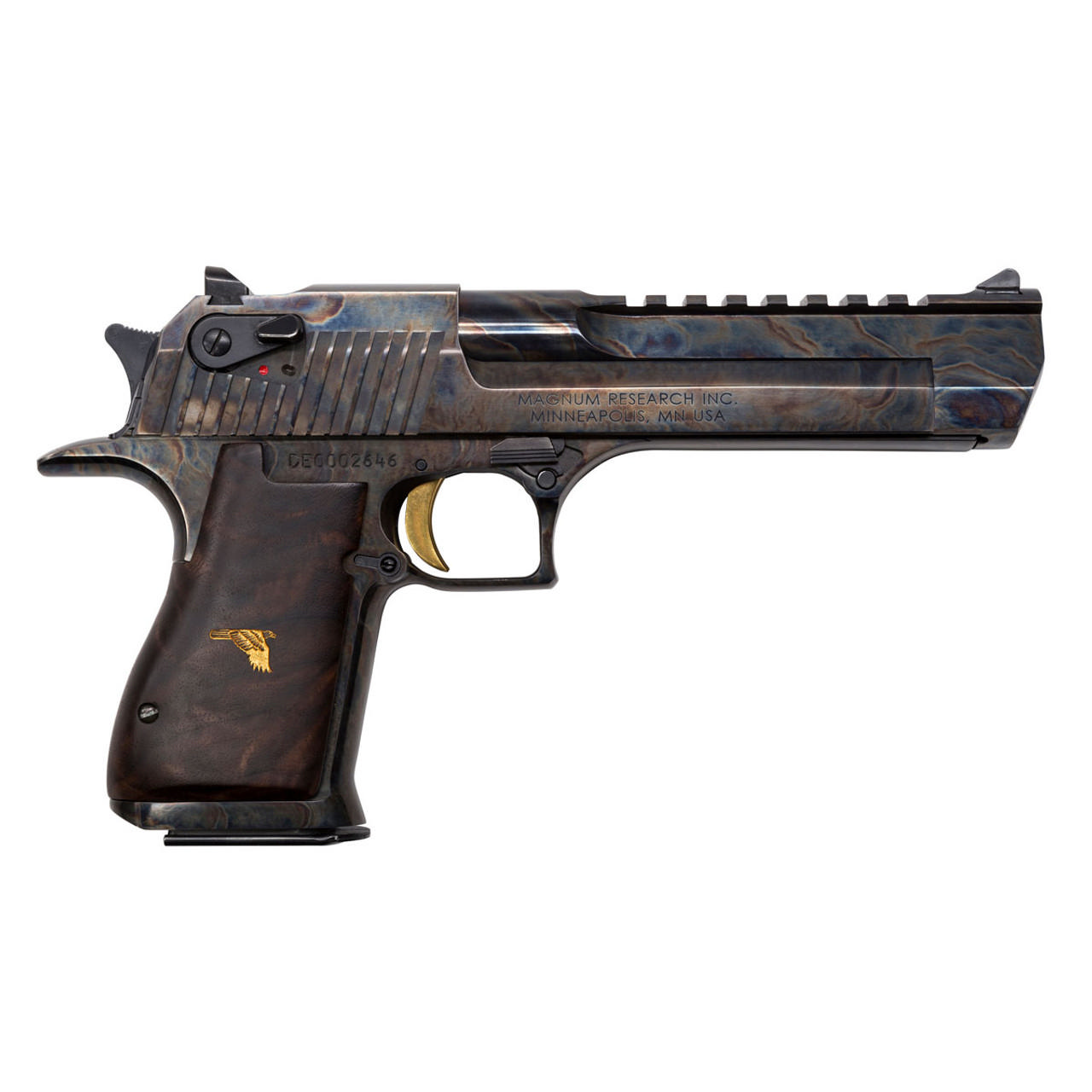 Magnum Research Case Hardened Desert Eagle Mark XIX Handgun .357 Magnum 9rd Magazine 6" Barrel Walnut Grips
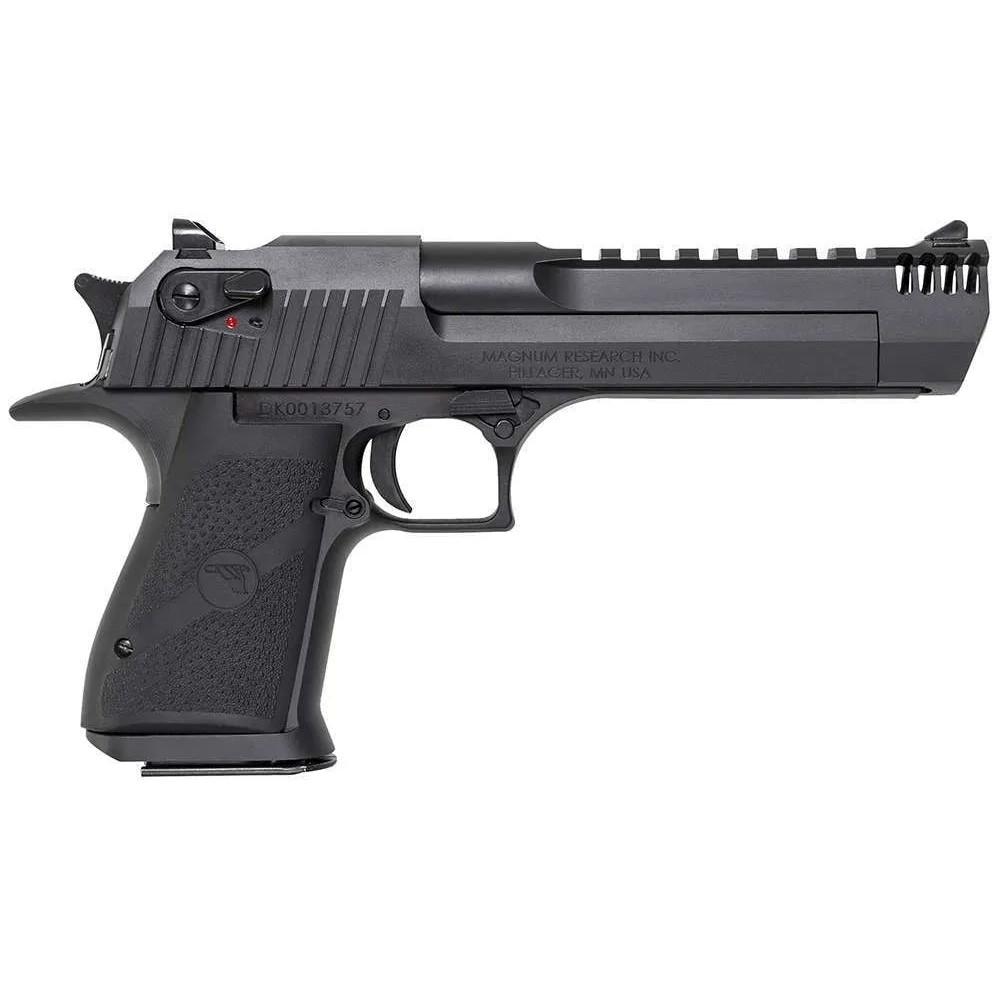 Magnum Research Desert Eagle Mark XIX Handgun .357 Magnum 9/rd 6" Barrel Black with Integral Muzzle Break
 Magnum Research Desert Eagle Mark XIX Handgun .357 Magnum 9/rd 6" Barrel Brushed Chrome
The Taurus 66 Combat sits in a useful part of the revolver market. It is a 7-shot .357 Magnum that also chambers .38 Special, built around a 3-inch barrel length that makes sense for field carry, vehicle storage, home defense, and range work. A revolver in that size class gives the shooter real cartridge flexibility, from soft .38 Special practice loads to heavier .357 Magnum defensive or trail loads. The sighting system matters because those loads can behave very differently on target.
XS Sights has expanded the upgrade path for the Taurus 66 Combat with three main options: a tritium Standard Dot front sight priced at $68.99, a fiber optic front sight option priced at $60, and a CNC-machined ACRO-pattern optic plate priced at $74.99. The optic plate is described as having 30 percent more thread engagement than the prior approach and uses a black nitride finish for corrosion resistance. Those figures matter because a .357 Magnum revolver produces sharp recoil, repeated cylinder blast, and vibration that can expose weak mounting hardware quickly.
For BLVista buyers comparing Taurus 66 sight options, the core decision is simple. Choose the sighting system around the light conditions, the ammunition, and the way the revolver will be carried. A range revolver, a nightstand revolver, and a woods gun can all benefit from different choices.
The Taurus 66 Combat gives sights a real workload
A 7-shot .357 Magnum revolver has a broader performance envelope than many compact carry pistols. Common .38 Special practice ammunition often uses 130-grain or 158-grain bullets. Common .357 Magnum loads include 125-grain, 140-grain, 158-grain, and heavier hard-cast bullets for animal defense or trail carry. That wide bullet weight range can shift point of impact, especially from a 3-inch barrel with a shorter sight radius than a 4-inch or 6-inch revolver.
Any sight upgrade should be verified with the ammunition the owner actually intends to use. A good confirmation process uses 5-shot or 7-shot groups at 7, 15, and 25 yards. The 7-yard distance shows speed and indexing. The 15-yard distance exposes sight picture errors. The 25-yard distance shows whether the load and sight height agree well enough for field use or precise defensive shooting. Revolvers reward careful load testing because cylinder gap, barrel length, bullet weight, and grip technique all influence results.
Tritium Standard Dot for low light and defensive indexing
The XS tritium Standard Dot front sight is the option aimed at fast front sight acquisition in reduced light. Tritium is self-luminous and has a half-life of about 12.3 years, which means the lamp gradually dims over time rather than suddenly failing. For a home defense revolver or a revolver carried outdoors near dawn and dusk, that matters more than peak daylight brightness.
The large dot concept helps shooters pick up the front sight under stress. That can be valuable on a 3-inch .357 Magnum revolver, where recoil control and follow-up shots demand a consistent visual reference. A tritium front sight also keeps the revolver free from batteries, activation switches, electronic housings, and lens maintenance. For many wheelgun owners, that simplicity is part of the reason they selected a revolver in the first place.
The tradeoff is precision. A larger front dot can cover more of the target at distance than a narrow Patridge-style blade. At 25 yards, that matters for small targets, hunting backup use, or tight qualification standards. The better fit is a shooter who prioritizes fast defensive alignment from 3 to 15 yards and wants a sight that remains visible in poor light.
Fiber optic for daylight range speed
The fiber optic option uses user-replaceable orange or green inserts. Fiber optic rods gather ambient light and present a bright aiming reference in daylight. On an outdoor range in direct sun, a quality fiber front sight can be dramatically easier to track than a plain black blade.
This makes the $60 fiber optic sight a strong fit for range use, competition-style drills, and general shooting where the revolver sees bright conditions. Green often appears brighter to many eyes, while orange can stand out better against vegetation or certain target backers. The right color depends on the shooter’s vision and the background where the revolver is used.
Fiber optic has its own ownership considerations. The rod is more exposed than a solid metal blade or a tritium vial protected inside a sight body. A revolver carried in a pack, chest rig, ATV box, or hunting coat can take impacts that may damage a fiber rod. User-replaceable inserts reduce that concern, but owners should keep spare rods with their cleaning kit or range bag. If the revolver is used as a trail gun, check the rod before relying on it in the field.
ACRO optic plate for shooters moving to closed emitters
The ACRO-pattern plate is the most interesting upgrade for shooters who want an optic-ready revolver. Closed-emitter red dots are attractive on hard-use handguns because the emitter is enclosed inside the optic body. Dust, rain, snow, unburned powder, and lint have less opportunity to block the dot. On a revolver used for outdoor carry or home defense, that can be a real advantage.
The plate is CNC machined and finished in black nitride. The 30 percent increase in thread engagement is the key specification. More thread engagement gives the screw more surface area to resist recoil forces and repeated impact. A .357 Magnum revolver running 125-grain or 158-grain magnum loads will test screw retention faster than a mild .38 Special range load.
Buyers looking at revolver red dot mount options should check three things before ordering: the optic footprint, the screw length, and holster clearance. ACRO-pattern optics do not share the same footprint as RMR-pattern, RMSc-pattern, or DeltaPoint Pro-pattern optics. A plate that fits one pattern will usually require the matching optic family. Thread depth also matters because screws that are too short reduce holding power, while screws that are too long can bottom out or interfere with the mount. Follow the sight maker’s installation instructions and use the correct threadlocker when specified.
How to choose the right Taurus 66 Combat sight setup
Use the revolver’s role as the deciding factor.
- Home defense or low-light carry: The tritium Standard Dot makes the most sense. It supports fast indexing in dim rooms, parking areas, and early morning conditions without batteries.
- Outdoor range and daylight drills: The fiber optic option gives a bright front sight reference, especially on steel targets and high-round-count practice days.
- Field carry in bad weather: A closed-emitter ACRO-pattern optic on a solid plate can help if the shooter trains with red dots and maintains the optic properly.
- General-purpose revolver use: Start with the front sight upgrade before adding an optic. A better front sight improves the gun immediately and keeps the revolver simple.
If you already carry a pistol-mounted optic on another handgun, the ACRO plate may shorten the learning curve. If you are new to red dots, read BLVista’s carry red dot guide before committing to an optic-equipped revolver. Dot tracking on a revolver feels different because recoil impulse, bore axis, grip shape, and double-action trigger control all change how the dot moves.
Installation and maintenance checks
Any sight change should be treated as a mechanical change to the handgun. After installation, verify that the front sight is fully seated, the optic plate sits flat, and all screws are tightened according to the manufacturer’s instructions. Marking screws with a fine paint pen gives a quick visual reference for movement after recoil.
A basic post-installation test should include at least 50 rounds of .38 Special and enough .357 Magnum to confirm the mount under realistic recoil. If the revolver will be loaded with 158-grain .357 Magnum for field use, test that load rather than relying only on soft practice ammunition. Clean carbon from the top strap, barrel face, and sight area after each session. Revolver cylinder blast can deposit fouling around sight screws and optic plates faster than many semi-auto pistol owners expect.
Storage and transport also matter. A revolver with a tall optic or larger front sight may need a revised case cutout or a different holster. Before using the gun for concealed carry, vehicle transport, hunting camp, or home defense, confirm that the sight does not snag during the draw and that local storage and transport rules are followed.
What Taurus 66 Combat owners should decide next
The XS Sights upgrades make the Taurus 66 Combat more adaptable without changing the revolver’s basic strengths. The $68.99 tritium Standard Dot favors defensive visibility. The $60 fiber optic option favors bright daylight speed. The $74.99 ACRO plate favors shooters who want an enclosed red dot and are willing to manage optic height, screws, batteries, and holster fit.
For most owners, the first step is identifying the revolver’s primary job. If it lives near the bed, choose low-light visibility. If it spends weekends on the range, choose daylight contrast. If it rides outdoors in wet, dusty, or cold conditions and you already trust pistol dots, consider the ACRO plate. BLVista helps shooters reduce purchase risk by matching gear choices to real use, round count, maintenance habits, and long-term ownership rather than buying accessories by trend.
FAQ
Yes, if the Taurus 66 Combat is used for home defense, low-light carry, or early morning outdoor use. The tritium lamp provides a visible front sight reference without batteries, and tritium has a half-life of about 12.3 years. Confirm point of impact with your chosen .38 Special or .357 Magnum load.
Choose fiber optic for daylight range use and fast target pickup in bright conditions. Choose tritium for defensive use, dim light, and storage-ready reliability. Fiber optic rods can be replaced, while tritium gradually dims over years and requires sight replacement when brightness falls below your needs.
It makes sense for shooters who already train with red dots and want a closed-emitter optic on a 7-shot .357 Magnum revolver. The ACRO-pattern plate adds optic capability, and the 30 percent increase in thread engagement is relevant because magnum recoil can loosen weak mounts.
Zero with the ammunition you plan to carry or use most. Common choices include 130-grain or 158-grain .38 Special for practice and 125-grain or 158-grain .357 Magnum for defense or field use. Check groups at 7, 15, and 25 yards to see how bullet weight affects point of impact.
They can. A taller front sight or optic-equipped Taurus 66 Combat may need a holster with more sight channel clearance or an optic cut. Test the unloaded revolver in the holster before carry and confirm a clean draw from concealment, belt carry, chest carry, or storage position.
Was this useful?