
Brief
AR-15 Lower Receivers Worth Comparing in 2026
Compare AR-15 lower receivers by material, weight, ambi controls, billet vs forged design, 9mm compatibility, maintenance, and long-term reliability.
Shop this at BLVista
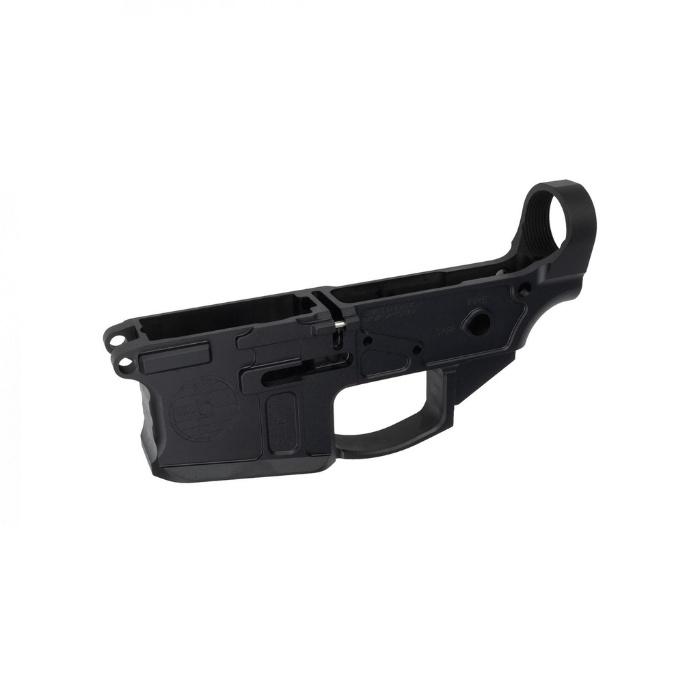
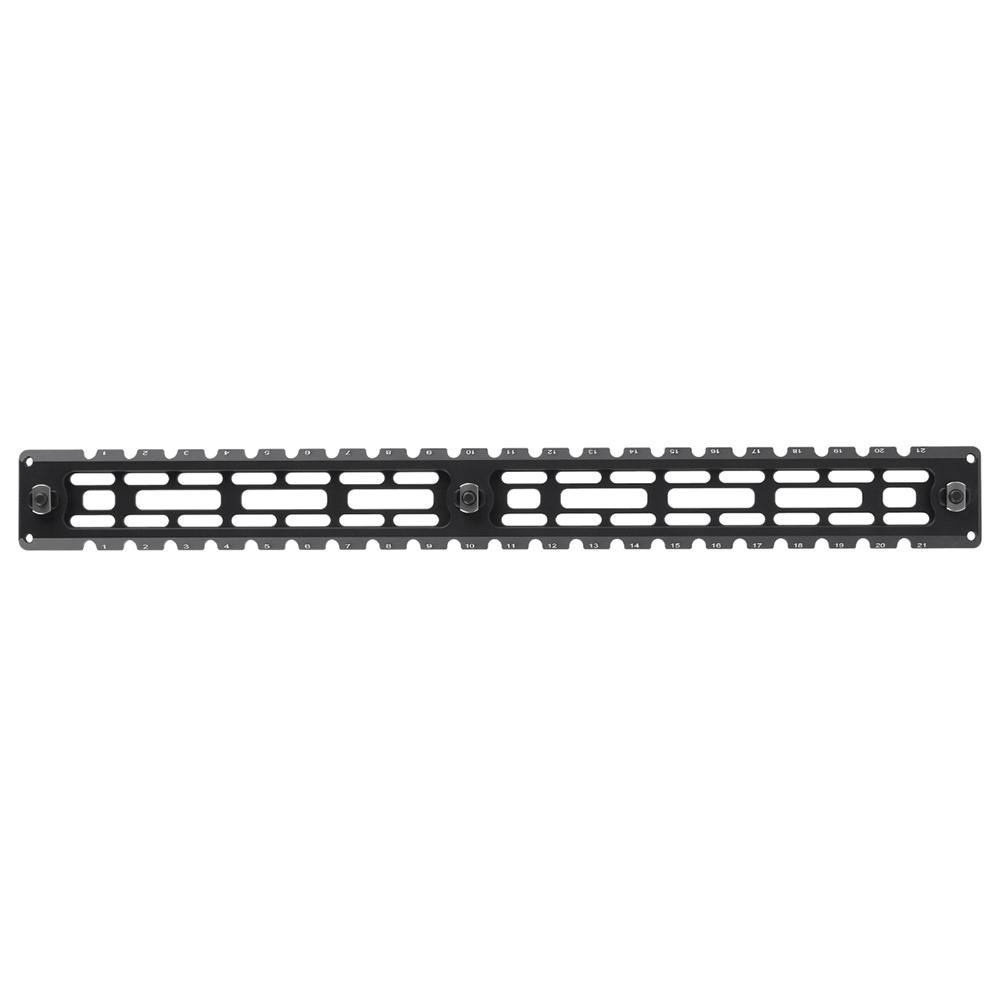
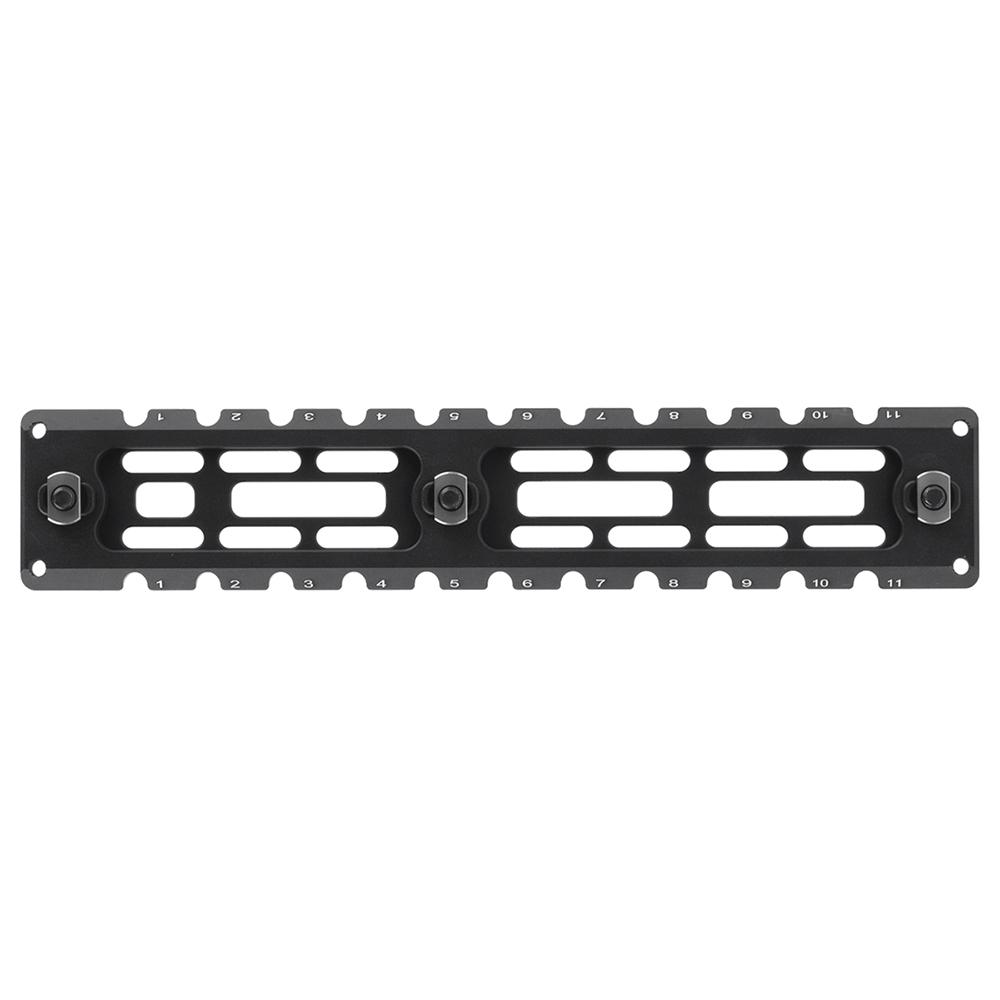
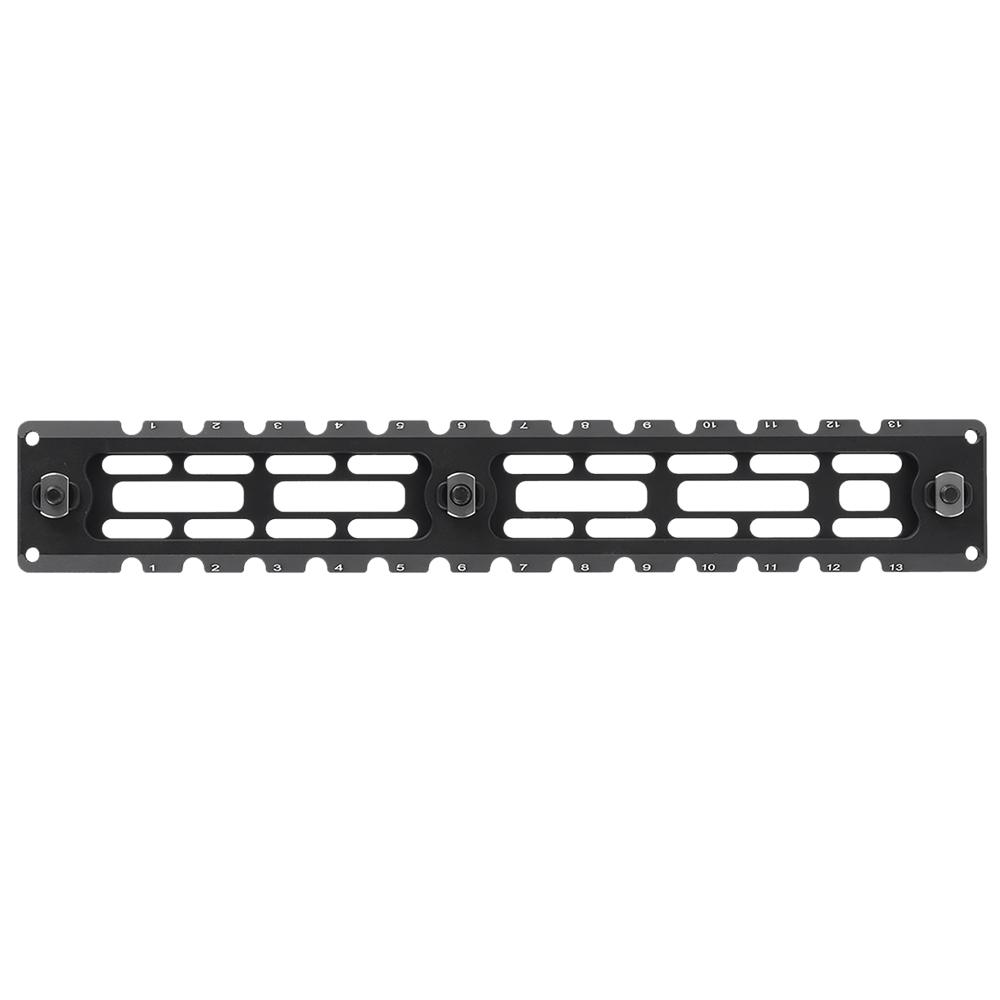
The AR-15 lower receiver looks simple until you start comparing options. A stripped lower can cost around $50 to $90, while premium ambidextrous and billet lowers often sit above $300. Both can run the same 5.56 NATO upper, accept the same 30-round STANAG magazine where legal, and use the same basic fire control layout. The difference shows up in controls, machining, finish quality, compatibility, and how much work the lower creates during a build.
For BLVista readers, the right lower depends on the rifle’s job. A 16-inch 5.56 carbine used for range training needs dependable magazine fit, standard small-pin trigger compatibility, and a durable finish. A left-hand or barrier-focused training rifle benefits from true ambidextrous controls. A clone-style M16A1 or XM177 build needs the correct receiver profile and finish. A 9mm pistol caliber carbine needs magazine, ejector, and bolt compatibility checked before buying parts.
If you are shopping for a build, start with the receiver type and parts ecosystem before chasing cosmetic details. You can browse AR-15 lower receiver options through BLVista when comparing stripped and complete configurations.
What the lower receiver actually controls
The lower receiver houses the trigger group, safety selector, magazine release, bolt catch, grip, buffer tube interface, takedown pins, and stock or brace attachment point. It does not set barrel length, muzzle velocity, gas system length, or mechanical accuracy by itself. Those come from the upper receiver assembly, barrel, chamber, optic, ammunition, and shooter.
That said, a poor lower can still make a rifle feel unreliable. Tight magazine wells can prevent magazines from dropping free. Loose tolerances can cause sloppy upper-to-lower fit. Rough machining around the trigger pocket or safety detent channel can complicate assembly. A badly executed ambidextrous control layout can interfere with gloves, slings, or support-side manipulation.
For most standard AR-15 builds, confirm these fitment details before buying:
- Standard AR-15 small trigger pins are commonly 0.154 inch.
- The receiver extension thread is commonly 1 3/16-16.
- The pistol grip screw is commonly 1/4-28.
- A standard 5.56 lower should accept common 10, 20, and 30-round STANAG pattern magazines where legal.
- Most forged mil-spec pattern lowers pair with standard AR-15 uppers, though tolerance stacking can still occur.
Because the lower is the serialized firearm component in many U.S. transactions, buyers should confirm transfer requirements, storage rules, and magazine restrictions in their state before ordering or transporting a build.
Forged 7075-T6 remains the default for hard-use rifles
Most quality AR-15 lowers are made from 7075-T6 aluminum with Type 3 hardcoat anodizing. That material choice matters. 7075-T6 has higher tensile strength than 6061-T6, and the hardcoat finish resists wear from pins, magazines, slings, solvents, and field handling. A receiver does not see the same heat and pressure as a barrel or bolt, yet it still takes abuse during reloads, barricade work, transport, and long training days.
Forged lowers begin as aluminum shaped under pressure, then machined to final dimensions. This process is common, strong, and cost efficient. A basic forged 7075-T6 stripped lower around 8.25 ounces gives most shooters everything needed for a reliable 5.56 rifle, especially when the budget should go toward a barrel, bolt carrier group, optic, light, sling, ammunition, and training.
A plain forged lower makes sense for these builds:
- A 16-inch 5.56 NATO range and training carbine.
- A general home defense rifle with a weapon light and sling.
- A hunting AR chambered in .223 Remington, 5.56 NATO, .300 BLK, or 6.5 Grendel when built with compatible uppers and magazines.
- A first build where standard parts compatibility matters more than premium controls.
Ambidextrous lowers are worth paying for when you train around cover
Ambidextrous controls move from convenience to performance when you practice shoulder transitions, positional shooting, and one-handed manipulation. A fully ambidextrous lower gives the shooter magazine release, safety, bolt catch, and bolt release access from either side of the rifle.
The Griffin Armament MK2 Ambi lower is a strong example of the category. It uses forged 7075-T6 aluminum, Type 3 hardcoat anodizing, weighs 8.9 ounces stripped, and includes fully ambidextrous controls. Its integrated rear QD sling point also reduces the need for a separate QD end plate. That matters on a rifle carried during a long class or on private land, where sling placement affects muzzle control and comfort over several hours.
The LMT MARS-L sits in the higher priced ambidextrous category. Its stripped weight is listed at 8.5 ounces, with forged 7075-T6 construction and Type 3 hardcoat anodizing. The value is in the control geometry. A right-side bolt catch that allows lock-back and release without shifting the firing hand can save time during malfunction clearance and administrative handling. Buyers should inspect premium lowers carefully before installing parts, especially around trigger pin holes, receiver edges, and control fit.
For a shooter who trains mostly from a square range bench, ambidextrous controls may offer limited return. For a shooter working barricades, vehicles, match stages, or support-side shoulder positions, the added cost can make sense.
Billet lowers trade weight and cost for design freedom
Billet receivers are machined from a solid block of aluminum. They allow more aggressive shapes, integral trigger guards, reinforced magazine wells, and proprietary control layouts. The tradeoff is usually higher cost and sometimes more weight.
The ADM UIC lower is a billet 7075-T6 option weighing about 11 ounces stripped. It is fully ambidextrous and uses either Teflon-impregnated Type 3 hardcoat anodizing or Cerakote depending on configuration. Its 20-degree competition-style magazine well and reinforced exterior ribs are designed for faster reloads and added rigidity. The manufacturer has advertised the reinforced magwell as 40 percent stronger than a standard forged lower.
That extra weight is small in isolation, roughly 2 to 3 ounces over several forged options, yet rifle weight adds up quickly. A 16-inch carbine with an LPVO, mount, light, suppressor mount, sling, and loaded 30-round magazine can become front heavy. A heavier lower may help balance some rifles, while a mountain or coyote rifle benefits from saving weight wherever possible.
Retro lowers are about profile, finish, and build discipline
Retro AR builds are different from utility builds. The receiver shape, fencing, markings, and anodizing shade matter because the goal is historical feel. H&R retro lowers are built from forged 7075-T6 aluminum with Type 3 hardcoat anodizing and stripped weights that run about 7.2 to 8.5 ounces depending on profile.
Common retro directions include 601-style slick side builds, partial fence 607 patterns, M16A1-style rifles, XM177 carbines, and Colt 635-style 9mm clones. A gray anodized lower can look correct with a 20-inch rifle-length upper, triangular handguards, fixed carry handle, and iron sights. A modern billet lower under that same upper would function, yet it would miss the point of the build.
Retro lowers appeal to shooters who value the ownership experience as much as performance. They still need reliable pins, clean threading, proper magazine fit, and a durable finish. Clone-correct details should never excuse poor machining.
9mm AR lowers need a different checklist
A 9mm AR lower is not just a 5.56 lower with a smaller magazine well. Blowback 9mm builds place different demands on the magazine catch, ejector, bolt, buffer system, and last-round bolt hold open design.
The PX-9 style lower uses Glock-pattern 9mm magazines, with common capacities ranging from 10 to 33 rounds depending on magazine body and state law. Stripped weights are generally listed around 8.3 to 9 ounces. These lowers use a proprietary magazine catch and ejector while retaining standard AR-15 fire control compatibility for the trigger group.
The major tradeoff is last-round bolt hold open. Some 9mm lowers include it, some omit it, and some depend on a matching upper or magazine system. A lower without last-round bolt hold open can still run well for range use, steel matches, and compact PCC builds. It changes reload rhythm because the bolt will not automatically lock open on an empty magazine.
Before buying a 9mm lower, confirm:
- Magazine pattern, such as Glock-pattern or Colt-pattern.
- Whether last-round bolt hold open is present.
- Compatibility with the upper receiver and bolt.
- Recommended buffer weight and spring setup.
- Whether the trigger you want works with the 9mm bolt geometry.
If you are building around a pistol caliber carbine, start with the lower, magazine system, and upper as a matched plan instead of buying parts one at a time.
Stripped lower or complete lower
A stripped lower is the better choice when you already know your parts list. It lets you choose the trigger, safety selector, grip, buffer tube, stock, end plate, and takedown pins. This route makes sense for a rifle that will use a two-stage trigger, a 45 or 60-degree safety, a specific grip angle, or a tuned buffer system.
A complete lower saves time and reduces assembly risk. It is useful for a first build, a spare training rifle, or a straightforward home defense setup. The tradeoff is parts replacement. Many shooters buy a complete lower, then replace the trigger, grip, stock, and safety within a year. That can erase the upfront savings.
For a first 5.56 rifle, pair a quality complete lower with a proven 16-inch upper and spend the remaining budget on magazines, a sling, a light, a zeroed optic, and ammunition. For a precision-oriented rifle, such as an 18-inch or 20-inch .223 Wylde setup shooting 69-grain or 77-grain match ammunition, a stripped lower with the exact trigger you want is often the cleaner path. BLVista’s rifle field optics guide can help when matching glass to that kind of build.
Durability, storage, and maintenance over years of ownership
Lower receivers need less maintenance than bolts and barrels, yet neglect still creates problems. During cleaning, check the safety detent, selector tension, trigger pins, buffer retainer, takedown pins, and magazine catch. Look for finish wear around the magwell, trigger pin walk, grip screw loosening, and debris inside the fire control pocket.
For rifles used in rain, dust, or hunting conditions, dry the lower after exposure and apply light corrosion protection to steel parts. Aluminum will not rust, but detents, springs, pins, selector components, and triggers can corrode. Store the rifle with magazines unloaded unless the firearm is staged lawfully and intentionally for defense. During transport, protect the lower from hard impacts against optics, tripods, ammunition cans, and steel targets.
Polymer lowers deserve special caution. Weight savings and price can look attractive, but thin areas around the buffer tower, safety detent channel, and takedown pin areas experience stress over time. For a defensive rifle or high-round-count training gun, 7075-T6 aluminum remains the safer long-term bet.
Buyers comparing parts can also look through AR-15 lower parts kits to understand which components come with a stripped receiver build.
Choose the lower that matches the rifle you are building
Use the rifle’s purpose to narrow the field. A budget forged 7075-T6 lower around 8.25 ounces is enough for most 5.56 carbines. A fully ambidextrous lower around 8.5 to 8.9 ounces is worth considering for hard training, left-handed use, and barrier work. A billet lower around 11 ounces offers distinctive controls and reinforced geometry at a higher cost. A retro lower should match the era of the upper. A 9mm lower needs magazine and bolt compatibility verified before money changes hands.
The lower receiver is the foundation, yet it should not consume the whole build budget. Spend enough to get the features and tolerances your use case requires. Then put serious attention into the barrel, bolt carrier group, optic, magazines, light, sling, ammunition, and range time. For broader loadout planning, BLVista’s range and match loadout guide gives a useful framework for building a rifle system instead of collecting disconnected parts.
FAQ
7075-T6 aluminum is the preferred AR-15 lower receiver material for most serious builds. It offers strong wear resistance, long service life, and broad compatibility when paired with Type 3 hardcoat anodizing. 6061-T6 can work, but 7075-T6 is the safer choice for hard training, field use, and long-term ownership.
Forged lowers are generally considered the strength benchmark because the forging process compresses the aluminum grain structure. Billet 7075-T6 lowers can still be very durable when machined correctly. Choose billet for control layout, styling, reinforced geometry, or an integrated trigger guard rather than assuming it automatically outperforms forged construction.
Ambidextrous AR-15 lowers matter for left-handed shooters, support-side shoulder transitions, barricade work, and faster administrative handling. They are especially useful in training and defensive rifle setups. A basic right-handed lower still works well for range use and simple builds.
Buy a stripped lower if you want to choose your own trigger, safety, grip, buffer system, and stock. Buy a complete lower if you want a faster build with fewer small parts decisions. BLVista helps buyers reduce purchase risk by matching the lower configuration to the rifle’s actual role.
Most mil-spec pattern AR-15 uppers and lowers fit together, but tolerance stacking can create tight or loose fit. Standard 5.56 lowers should accept common STANAG pattern magazines, and most use 0.154-inch small trigger pins. Always confirm compatibility when mixing ambidextrous lowers, billet receivers, 9mm uppers, or specialty triggers.
Was this useful?