
Brief
Why the .25 ACP Pocket Pistol Lost to the Modern Micro 9
Compare .25 ACP pocket pistols to modern micro 9mm and .380 carry guns with real specs on barrel length, weight, capacity, velocity, and optic footprints.
Shop this at BLVista
For decades, the default answer to the small carry gun question was a pot metal .25 ACP that weighed about a pound loaded and held six rounds. Those guns were everywhere in the 1970s and 1980s because they were cheap, small, and available. They were also mechanically marginal, poorly sighted, and chambered in a cartridge that does very little work on target. The modern equivalent, a striker fired micro 9mm with a red dot cut, is a different class of tool entirely. Understanding exactly where the improvement comes from helps you spend money on the right things instead of repeating a 40 year old mistake.
The .25 ACP Baseline
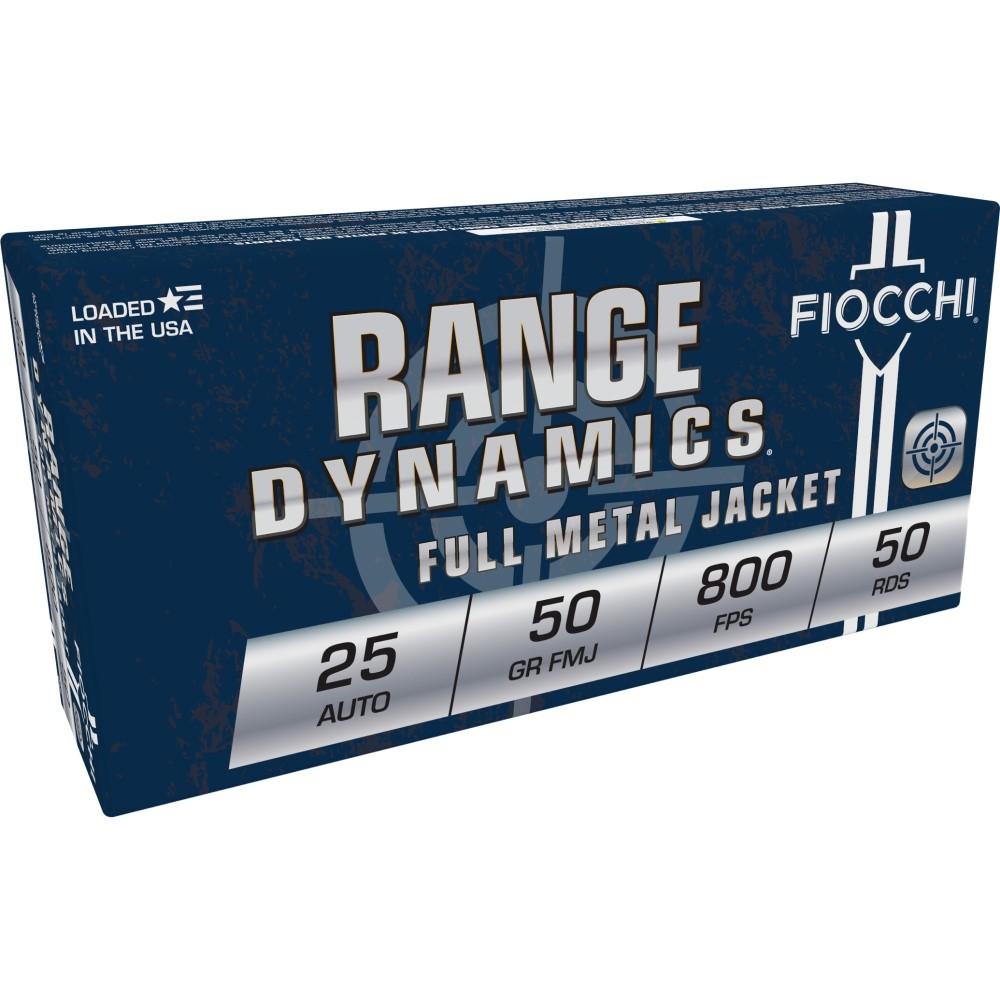
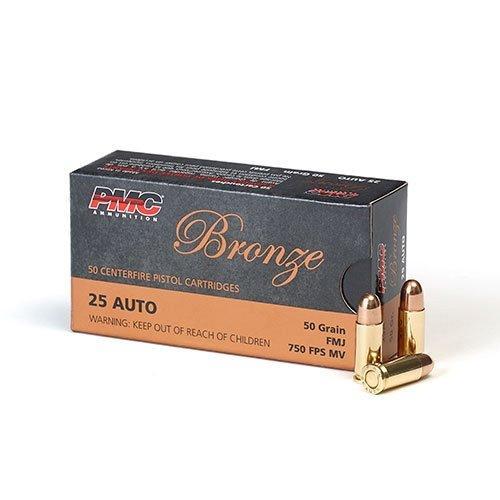
The .25 ACP, introduced in 1905, typically drives a 50 grain full metal jacket projectile at roughly 760 feet per second from a barrel around 2.4 inches. That works out to about 65 foot pounds of muzzle energy. For comparison, a standard 40 grain .22 LR round nose from a 4 inch barrel produces more energy than that. The cartridge exists because it was one of the few centerfire options that functioned reliably in a blowback pistol small enough to disappear in a trouser pocket.
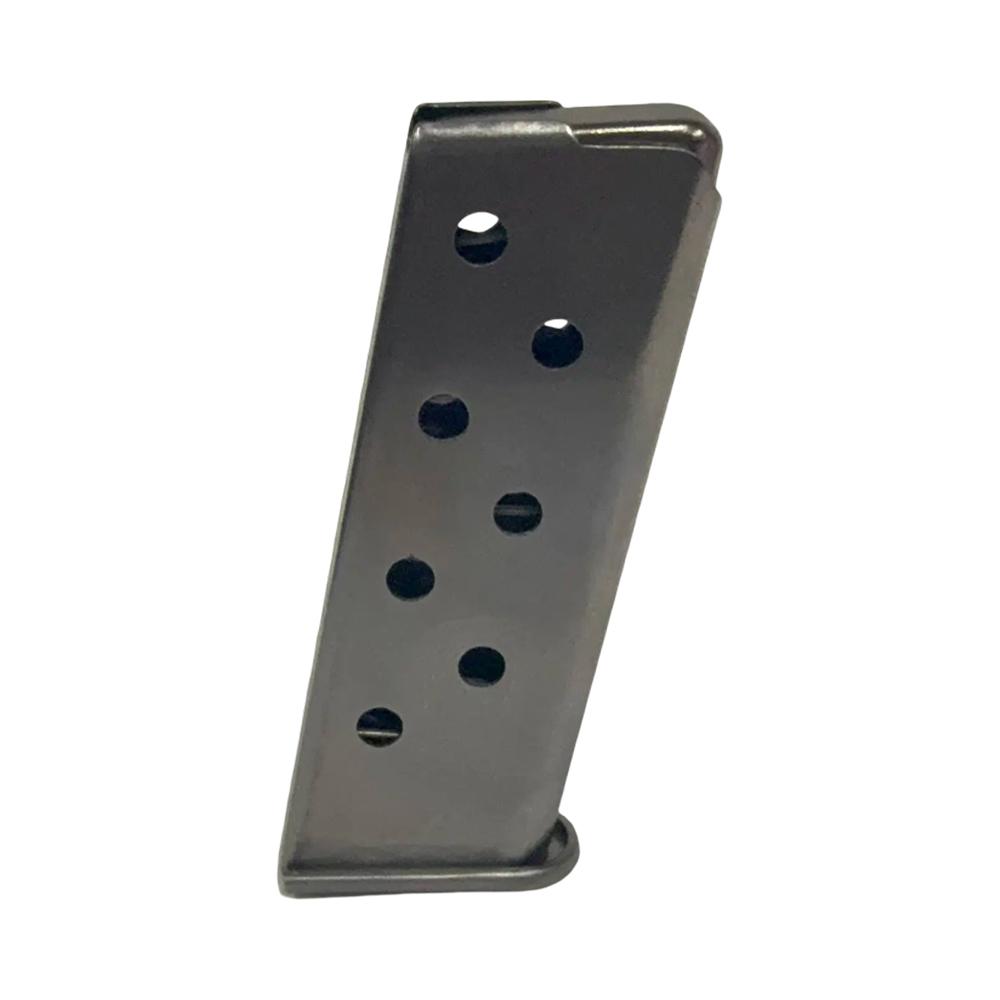
Typical pocket .25s of that era ran 6+1 capacity, fixed sights milled into the slide with no meaningful sight radius, and no ability to mount a light or optic. Many had no functional last round hold open and a trigger that varied wildly between examples. Mechanical accuracy at 7 yards was acceptable. Mechanical reliability was not consistent, and parts support for guns from defunct makers is close to nonexistent today.
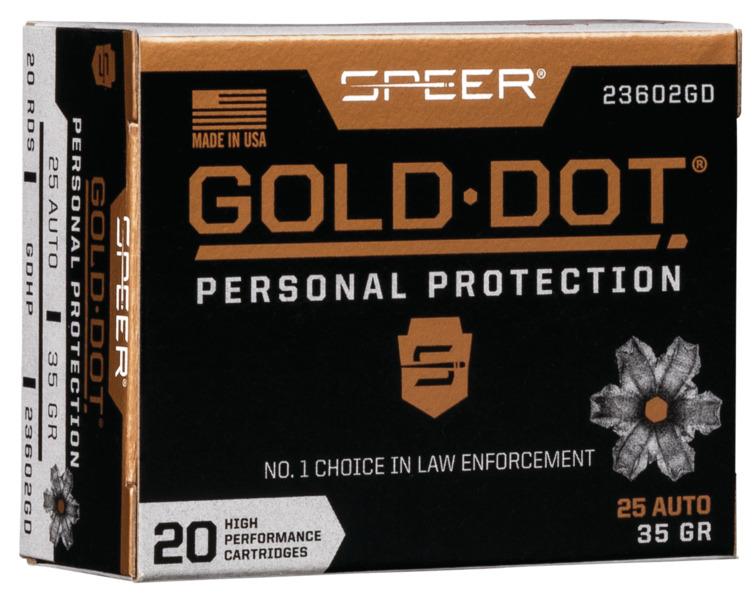
Ammunition choices made the situation worse. Prefragmented novelty loads were sold with claims about shotgun-like effect. Terminal testing has consistently shown that prefragmented ammunition in small calibers penetrates poorly, often failing to reach the 12 to 18 inches of penetration in calibrated gelatin that the FBI ammunition protocol treats as the working standard. Marginal cartridge plus marginal bullet construction is not a defensive system.
What Modern Micro Pistols Actually Changed
The current generation of subcompacts delivers more capacity, better sights, and a real service cartridge at weights the old guns could not touch relative to their performance. A few reference points from published manufacturer specifications:
- Ruger LCP II in .380 ACP: 2.75 inch barrel, 10.6 ounces unloaded, 6+1, overall length about 5.17 inches.
- Smith & Wesson Bodyguard 2.0 in .380 ACP: 2.75 inch barrel, 9.8 ounces unloaded, 10+1 flush and 12+1 extended.
- Glock 43X in 9mm: 3.41 inch barrel, 10+1, roughly 18.7 ounces unloaded, 1.10 inch slide width.
- Sig Sauer P365 in 9mm: 3.1 inch barrel, 10+1 standard with 12 and 15 round options, about 17.8 ounces unloaded, 1.0 inch overall width.
- Springfield Hellcat in 9mm: 3 inch barrel, 11+1 flush and 13+1 extended, about 18.3 ounces unloaded.
The ammunition side moved just as far. A 124 grain 9mm jacketed hollow point runs roughly 1,100 to 1,150 feet per second from a 3 inch barrel, and 147 grain subsonic loads run near 1,000 feet per second. Modern .380 loads in the 90 to 100 grain range typically land around 900 to 1,000 feet per second from a 2.75 inch barrel. Those numbers still ask for careful load selection, because short barrels cost velocity and some hollow points need speed to expand. Test your carry load in your gun and confirm it feeds, groups, and locks the slide back.
Sights, Optics, and Fitment Details Worth Checking
The single largest practical upgrade over an old pocket gun is usable sighting equipment. Most micro 9mm slides are now cut for the Shield RMSc footprint, which covers a broad range of enclosed and open emitter micro dots. Larger compacts more often use the Trijicon RMR or Docter footprint. Verify the footprint before buying an optic, because adapter plates add height and another failure point. If you are weighing a dot against irons on a small pistol, our carry red dot buyer’s guide walks through footprint compatibility and window sizing.
Other fitment specifics to confirm before you commit:
- Thread pitch if you plan to run a host suppressed later: 1/2×28 is standard for 9mm, .578×28 for .45 ACP.
- Holster availability for the exact model and light combination, not just the frame family.
- Magazine commonality across your other guns, which lowers the cost of building a training rotation.
- Trigger guard geometry and grip length, since a 3.41 inch barrel gun with a 10 round grip conceals differently than a 2.75 inch pocket gun.
Ammunition Compliance and Storage
Cartridge nomenclature matters for more than performance. The old .38 Colt case is shorter than .38 Special and will chamber in a .38 Special revolver, which is exactly the kind of detail that causes paperwork headaches in jurisdictions with registration requirements. Know the correct SAAMI designation of what you buy, keep the box, and match it to what your documentation says. Magazine capacity limits, roster restrictions, and transport rules vary by state, so confirm the rules where you live and where you travel before you order.
Storage and maintenance are unglamorous and decisive. Carry guns collect lint, sweat salt, and skin oil. A pistol carried daily against the body should be wiped down weekly and detail cleaned at least every few hundred rounds. Rotate carry ammunition annually and shoot the retired rounds for practice. Replace recoil springs in micro pistols on the schedule the manufacturer publishes, which is often in the 3,000 to 5,000 round range for small, high-velocity spring systems.
A Selection Checklist That Prevents Regret
- Can you get an honest 5 inch group at 10 yards with it under time pressure? If not, move up in grip length before you move up in caliber.
- Does the cartridge and load you plan to carry meet the 12 to 18 inch penetration window from your actual barrel length?
- Is there holster, magazine, and parts support you can buy today, five years from now?
- Does the slide accept the optic footprint you want without an adapter plate?
- Will the loaded weight, typically 20 to 26 ounces for a micro 9mm, still be on your belt at 8 p.m. on a hot day?
Once you have those answers, comparing candidates gets simple. Browse micro compact 9mm pistols and pair the platform with the IWB holster you intend to wear before you put rounds downrange. For a broader look at building a carry setup that survives daily use, see our concealed carry readiness guide.
What to Decide Before Your Next Purchase
Decide whether you are buying for deep concealment or for shootability, because that single choice drives barrel length, capacity, weight, and holster options. A 9.8 ounce .380 with a 2.75 inch barrel and a 17.8 ounce 9mm with a 3.1 inch barrel solve different problems. Pick the problem first, verify the load in your gun, then spend the remaining budget on ammunition and instruction rather than accessories. Capability comes from the combination, not the serial number.
FAQ
No. A 50 grain .25 ACP at roughly 760 feet per second produces about 65 foot pounds of energy and offers no expansion from a 2.4 inch barrel. Modern .380 ACP and 9mm micro pistols weigh the same or less with better sights and higher capacity.
If you can carry 17 to 19 ounces with a 3 inch barrel, 9mm offers more capacity and better short barrel performance. If you need a pocket-size gun near 10 ounces, a quality .380 with a proven hollow point is the reasonable tradeoff.
Fire at least 200 rounds of practice ammunition plus one to two boxes of your chosen carry load with no stoppages, and confirm the slide locks back on empty with every magazine you carry.
Shield RMSc is the most common footprint on micro 9mm slides, while larger compacts often use RMR or Docter. Confirm the cut on your exact model, since adapter plates raise the sight line and add hardware that can loosen.
Testing shows poor penetration compared to the 12 to 18 inch standard used in accepted ammunition protocols. Bonded or conventional jacketed hollow points from major manufacturers perform better.
Wipe it down weekly, clean and lubricate every few hundred rounds, rotate carry ammunition annually, and replace recoil springs on the manufacturer schedule, commonly 3,000 to 5,000 rounds for subcompacts.
Was this useful?