
Brief
Privately Built Firearms Need a Hard Use Checklist
Evaluate privately built firearms by receiver quality, barrel specs, ammunition testing, optic fitment, storage, maintenance, and safety records.
Shop this at BLVista
Privately built firearms sit at the intersection of tools, personal responsibility, mechanical skill, and compliance. The legal conversation around unfinished receivers and privately made firearms continues to shift, but the buyer and owner question remains the same: can this firearm be trusted, documented, maintained, and used safely over time?
That question matters more than any political label. A firearm assembled outside a traditional factory setting has to earn confidence through parts quality, fitment, testing, and records. A home defense pistol, a training carbine, or a hunting rifle built from selected components should meet the same functional standard you would expect from a duty grade factory gun. If it cannot, it belongs on the bench until the issue is corrected.
This guide focuses on the equipment side of privately built firearms. It is for shooters who want to understand what to inspect, what specifications matter, and how to reduce risk before trusting a firearm for range use, field use, transport, or defensive readiness.
Start With the Use Case Before Parts Selection
A firearm built from components should begin with a defined role. That role drives caliber, barrel length, sighting system, magazine choice, parts compatibility, and testing standards.
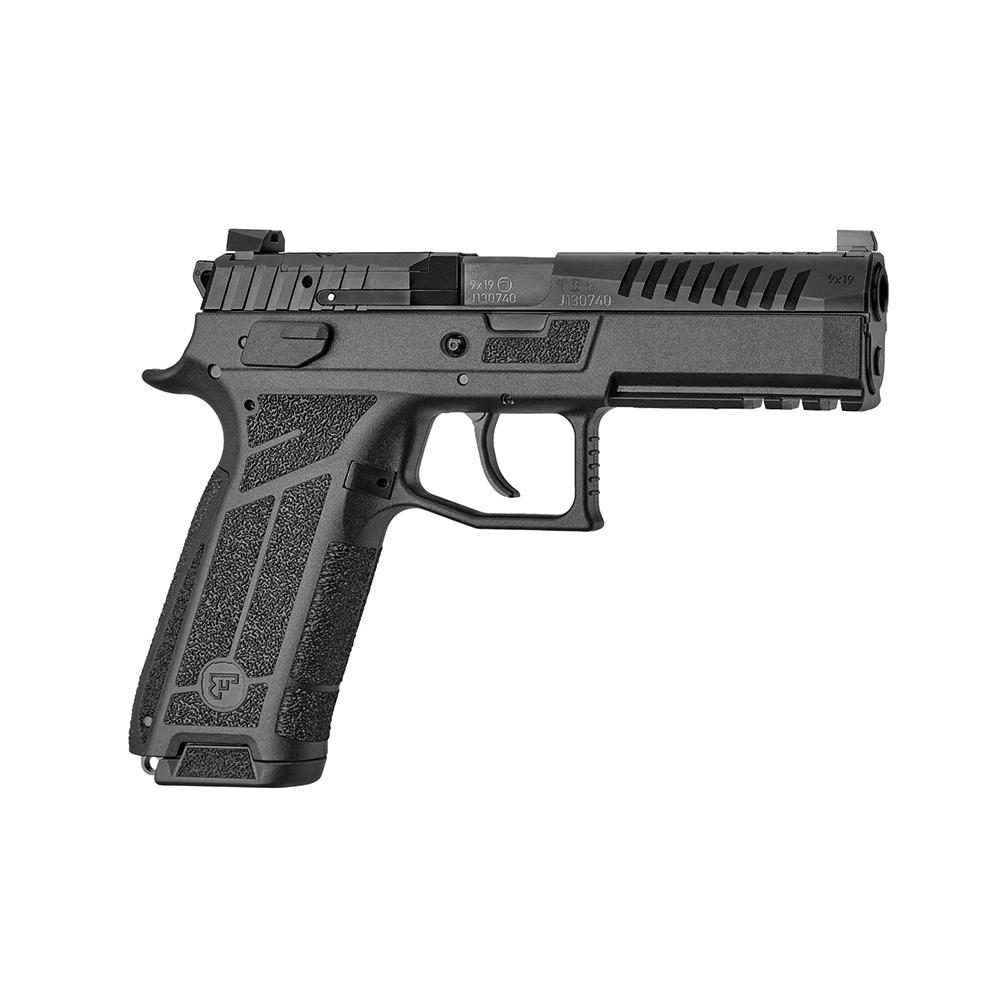
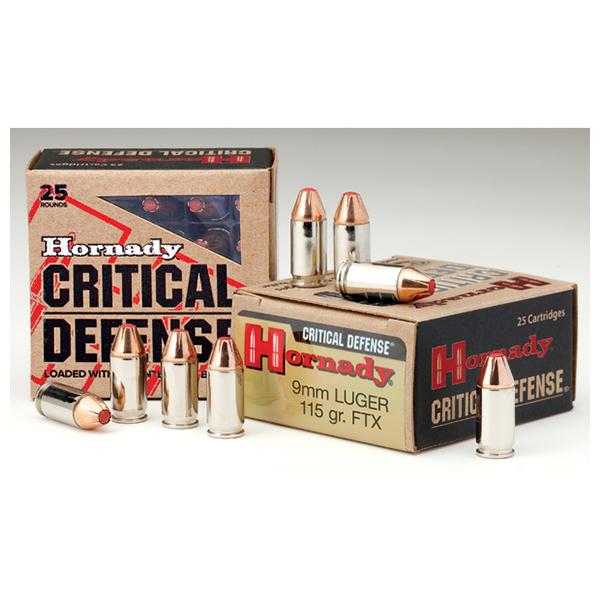
- Defensive pistol: Most 9x19mm compact pistols use barrels around 4 inches, with common factory magazine capacities of 15 rounds in unrestricted states. Common defensive bullet weights include 115 grain, 124 grain, and 147 grain loads.
- General purpose AR-15 carbine: A 16 inch barrel in 5.56 NATO remains a common baseline because it avoids short barrel rifle complications while keeping the gun manageable. Common loads include 55 grain FMJ, 62 grain bonded or barrier capable projectiles, and 77 grain match or open tip loads.
- Suppressed or short range .300 Blackout build: Typical bullet weights span 110 to 125 grain supersonic loads and 190 to 220 grain subsonic loads. Thread pitch on many .30 caliber barrels is 5/8×24, which affects suppressor and muzzle device compatibility.
- Field rifle or hunting setup: The priority shifts toward optic durability, sling support, weather resistance, cold bore consistency, and ammunition performance at realistic distances.
Before buying parts, decide whether the gun is a range project, a defensive tool, a hunting arm, or a training platform. A casual range build can tolerate more experimentation. A defensive firearm needs a stricter parts list, a longer test cycle, and a maintenance record.
BLVista shoppers comparing compatible parts, magazines, optics, and range support gear can start with AR lower receiver related gear or browse the broader BLVista shop for 2A friendly equipment that supports safe ownership.
Receiver and Frame Quality Drive the Whole Build
The receiver or frame is the foundation. On AR pattern rifles, lower receiver fit affects trigger pin alignment, safety selector feel, magazine lockup, buffer tube alignment, and takedown pin fit. On striker fired pistol patterns, frame geometry affects rail alignment, locking block fit, slide travel, trigger bar movement, and magazine presentation.
Material matters. Forged 7075-T6 aluminum is common in quality AR-15 lowers because it offers a strong balance of weight, rigidity, and durability. Billet aluminum lowers can be excellent, but dimensions and compatibility vary by maker. Polymer frames reduce weight and resist corrosion, yet they place more importance on reinforced rail areas, pin fit, and long term wear points.
For AR builds, confirm these basic compatibility points before assembly:
- Receiver pattern: AR-15, AR-10, LR-308, or another pattern
- Caliber intent: 5.56 NATO, .223 Remington, .300 Blackout, 9mm, or another cartridge
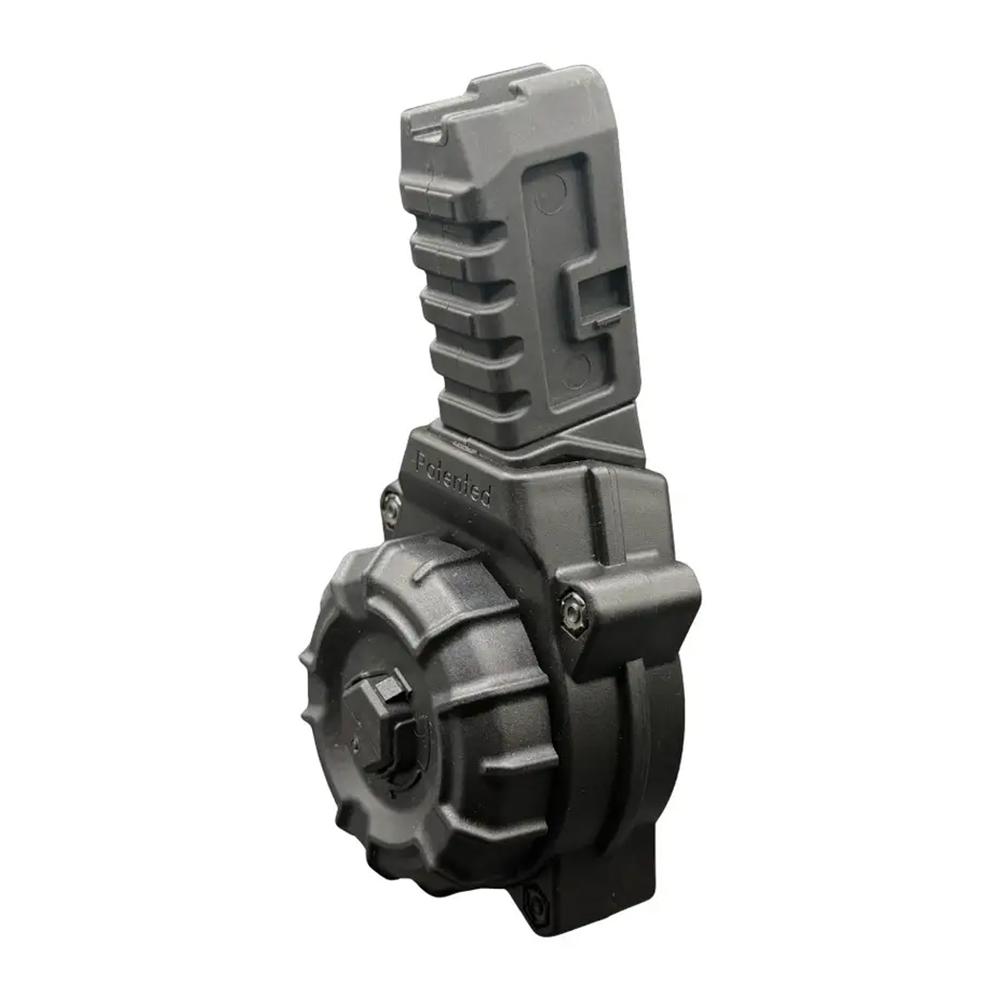
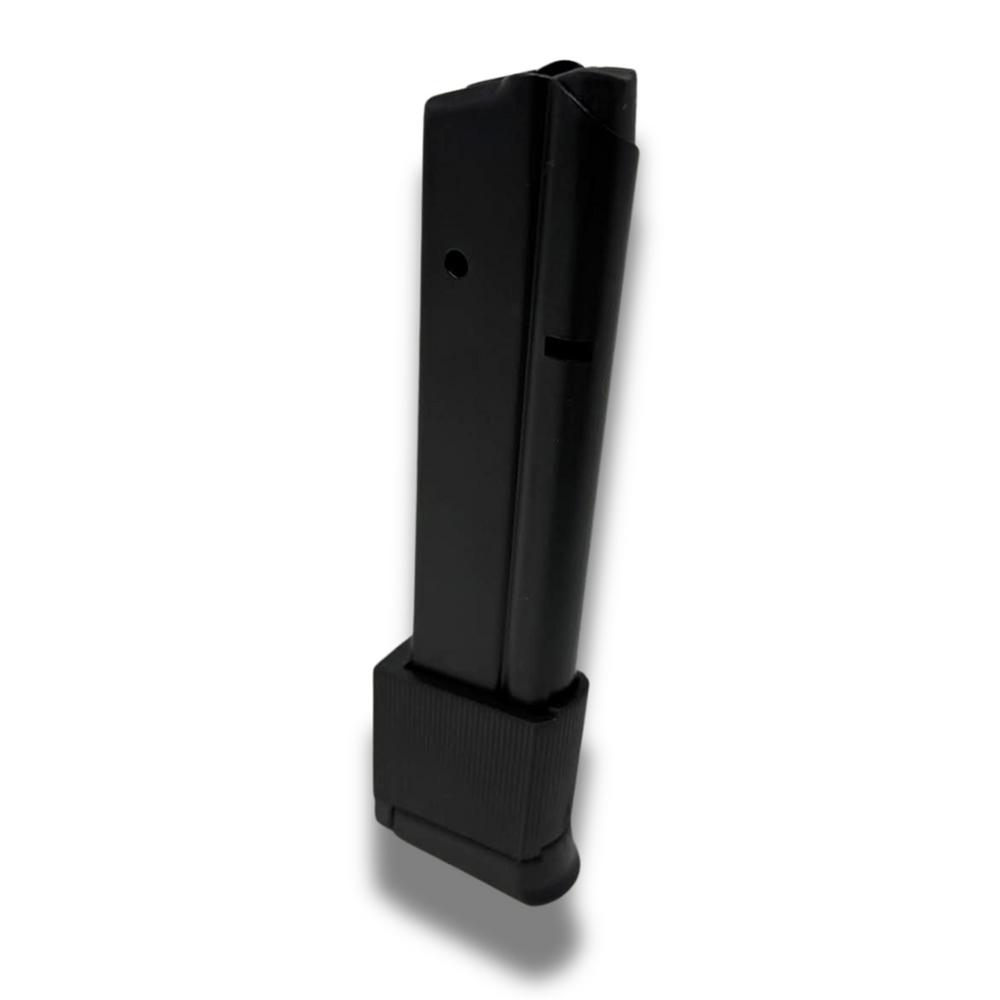
- Magazine type: STANAG pattern 30 round magazines for standard AR-15 calibers where lawful, pistol caliber magazines for PCC builds, or reduced capacity magazines in restricted jurisdictions
- Buffer system: carbine, rifle, A5 length, or caliber specific setup
- Trigger pin size and safety selector compatibility
- Upper receiver fit and takedown pin tension
For pistol pattern builds, confirm slide length, locking block style, rail type, trigger housing fit, magazine generation, and optic cut compatibility if a red dot will be used. A common compact 9mm pistol benchmark uses a barrel close to 4 inches and a 15 round magazine where allowed. Full size models often use longer barrels around 4.5 inches and larger magazines. Those dimensional differences affect holster fit, sight radius, recoil feel, and concealment.
Barrel, Chamber, and Thread Pitch Specifications Matter
The barrel is the most important accuracy and pressure bearing component in many builds. A receiver can be attractive and still produce a poor firearm if the barrel, chamber, and bolt relationship are wrong.
On an AR-15 chambered in 5.56 NATO, a 16 inch barrel is a common all around choice. It works with carbine or mid length gas systems depending on design. Many shooters prefer mid length gas on a 16 inch 5.56 gun because the recoil impulse tends to feel smoother with common 55 grain and 62 grain ammunition. Shorter barrels change gas timing, muzzle blast, velocity, and legal classification. Longer barrels can add velocity and stability for certain roles, while increasing weight and length.
Thread pitch affects muzzle devices and suppressor compatibility. Common examples include:
- 1/2×28 for many 5.56 NATO and .223 Remington barrels
- 5/8×24 for many .308 Winchester and .300 Blackout barrels
- 1/2×28 for many 9mm pistol barrels in the United States
If you plan to suppress a rifle or pistol, verify thread pitch, shoulder geometry, bore alignment, and suppressor rating before firing. Suppressor users can compare mounting styles and host considerations in the BLVista suppressor buyer guide.
Reliability Testing Should Be Planned, Recorded, and Repeated
A privately built firearm should pass a structured range test before it is trusted. A single magazine without a stoppage proves very little. A useful test gives the gun varied ammunition, different magazines, realistic firing cadence, and enough round count to expose weak parts.
For a defensive pistol, a sensible first benchmark is 200 rounds of range ammunition followed by a smaller quantity of the actual defensive load. Many shooters use 124 grain 9mm jacketed hollow points because they often balance recoil, expansion, and reliable feeding in compact pistols. If a pistol chokes on the ammunition you intend to carry, change the ammunition, magazine, recoil spring, extractor, or build setup before relying on it.
For a 5.56 AR-15, test several magazines and at least two common load types, such as 55 grain FMJ and 62 grain ammunition. If the rifle is intended for precision or extended distance use, add a 77 grain load to evaluate stability, point of impact shift, and group consistency. Track malfunctions by type: failure to feed, failure to extract, failure to eject, light primer strike, bolt over base, double feed, or failure to lock back.
Use a simple log:
- Date and round count
- Ammunition brand, bullet weight, and case type
- Magazine used
- Cleaning and lubrication condition
- Temperature, rain, dust, or cold weather exposure
- Specific malfunction and round number if known
- Parts replaced or adjusted after the session
Range bags, spare magazines, eye protection, hearing protection, tools, and cleaning gear should be part of the ownership plan. The BLVista range and match loadout guide covers the support equipment that keeps testing organized.
Safety Checks Belong Before Live Fire
Privately assembled firearms demand careful pre range inspection. This article avoids build instructions, but every owner should understand the safety checkpoints that determine whether a firearm belongs on the firing line.
For AR pattern rifles, inspection should include trigger reset, selector engagement, hammer follow checks, bolt carrier movement, buffer and spring condition, gas key staking, muzzle device security, magazine catch function, and bore obstruction checks. On a 5.56 rifle, verify the barrel marking and chamber specification before firing. Ammunition confusion between visually similar cartridges can damage equipment and injure the shooter.
For pistol pattern firearms, inspect slide travel, striker function, trigger reset, drop safety function as applicable, locking block fit, extractor tension, recoil spring orientation, magazine insertion, and feed ramp condition. Confirm that the holster covers the trigger guard completely if the pistol will be carried or staged.
Any firearm that shows abnormal primer flow, case head marks, bulged brass, out of battery firing signs, cracked parts, or inconsistent trigger behavior should be removed from use and inspected by a qualified gunsmith.
Optics, Sights, and Accessories Create New Failure Points
The sighting system deserves the same scrutiny as the firearm itself. A pistol red dot with an RMR footprint, RMSc footprint, DeltaPoint Pro footprint, or enclosed emitter pattern must match the slide cut or adapter plate. Loose screws, incorrect screw length, and weak thread engagement cause failures that look like shooter error at the range.
On a carry pistol, test the dot through recoil, draw strokes, dry fire, and live fire. Confirm zero at a distance you can defend and repeat. Many shooters zero pistol dots at 10, 15, or 25 yards depending on their training standard and application. A 25 yard pistol zero often gives a useful confirmation of grip, trigger press, and sight tracking.
Rifle optics require mount torque, reticle choice, battery management, and eye relief checks. For a 16 inch AR-15, a red dot keeps weight down and works well inside typical defensive distances. A low power variable optic adds target identification and holds at distance, while increasing weight and complexity. A weapon light on a defensive rifle or pistol must be mounted securely and tested under recoil.
If the firearm is used for concealed carry, optic selection should also account for sweat, lint, cover garments, and one handed manipulation. BLVista readers comparing pistol optics can use the carry red dots buyer guide to narrow footprint, window size, battery, and durability choices.
Storage, Transport, and Documentation Reduce Ownership Risk
Privately built firearms require disciplined documentation. Keep receipts for major parts, serial information where applicable, photos of the completed firearm, range test notes, and maintenance records. Documentation helps with insurance claims, warranty questions, transfer questions, and responsible ownership records.
Storage should match the firearm role. A defensive firearm needs secure access by authorized users only. A hunting or range firearm can live in a locked safe with corrosion control. Long guns stored in humid environments need oil or protectant on exposed steel, periodic bore checks, and magazine rotation if kept loaded. Pistols carried daily collect lint, sweat, and debris quickly, especially around optic windows, striker channels, magazine wells, and backplates.
Transport rules vary by jurisdiction, so owners should confirm local requirements before crossing state lines or entering restricted locations. From an equipment standpoint, a lockable hard case, chamber flag, unloaded magazines, and clear labeling make range and field transport more orderly. Avoid storing ammunition loose in the same compartment where it can damage optics, scratch finishes, or contaminate lubricated parts.
Maintenance Determines Long Term Performance
A reliable build on day one can become unreliable after neglect. Maintenance intervals depend on round count, ammunition type, weather, and suppressor use. Suppressed firearms often run dirtier because more gas and fouling return into the action. A 5.56 carbine with a suppressor may need more frequent bolt, extractor, and gas ring inspection than the same rifle fired unsuppressed.
Track consumable parts. AR extractors, extractor springs, gas rings, buffer springs, and magazines wear over time. Pistol recoil springs, striker springs, magazine springs, and slide stop surfaces deserve periodic inspection. If a magazine causes repeated stoppages, mark it and remove it from defensive use. Magazines are wear items, and treating them as permanent parts creates avoidable failures.
Lubrication should reflect the environment. Dusty conditions call for restraint and frequent wipe downs. Cold weather can make heavy lubricants sluggish. Wet hunting conditions demand corrosion prevention after the trip, even if the firearm did not fire a shot.
FAQ
They can be, but only after careful parts selection, safety inspection, and live fire testing. A defensive firearm should prove reliable with the exact magazines and ammunition intended for use. For a 9mm pistol, test common defensive bullet weights such as 124 grain or 147 grain hollow points. For a 5.56 AR-15, test the actual 55 grain, 62 grain, or 77 grain load you plan to keep with the rifle.
Start with receiver quality, barrel length, chamber marking, gas system, bolt carrier group, buffer setup, magazine compatibility, and muzzle thread pitch. A 16 inch 5.56 NATO barrel with 1/2×28 threads is a common baseline. A .300 Blackout barrel commonly uses 5/8×24 muzzle threads and needs careful ammunition management because supersonic and subsonic loads behave very differently.
A strong initial standard is 200 rounds of range ammunition, followed by testing with the defensive load and magazines you plan to use. Track every malfunction. If the pistol fails to feed, extract, eject, or lock open, address the cause before carrying or staging it.
They need more careful record keeping because the owner controls parts selection and assembly quality. Maintain a round count, note parts changes, inspect wear points, and replace suspect magazines or springs. Suppressed rifles and pistols usually require more frequent cleaning due to increased fouling.
Start with quality magazines, eye and ear protection, a cleaning kit, correct ammunition, a lockable case, and secure storage. Add optics, weapon lights, suppressor mounts, or upgraded triggers only after the firearm passes basic safety and reliability testing.
Was this useful?