
Brief
How AR-15 Barrel Length and Gas System Shape Real Use
Barrel length, gas system timing, twist rate, buffer weight, chamber spec, and thread pitch explained so you can configure an AR-15 that stays reliable.
Shop this at BLVista
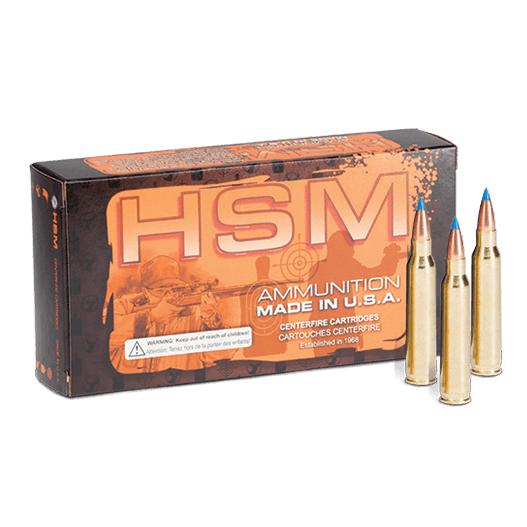
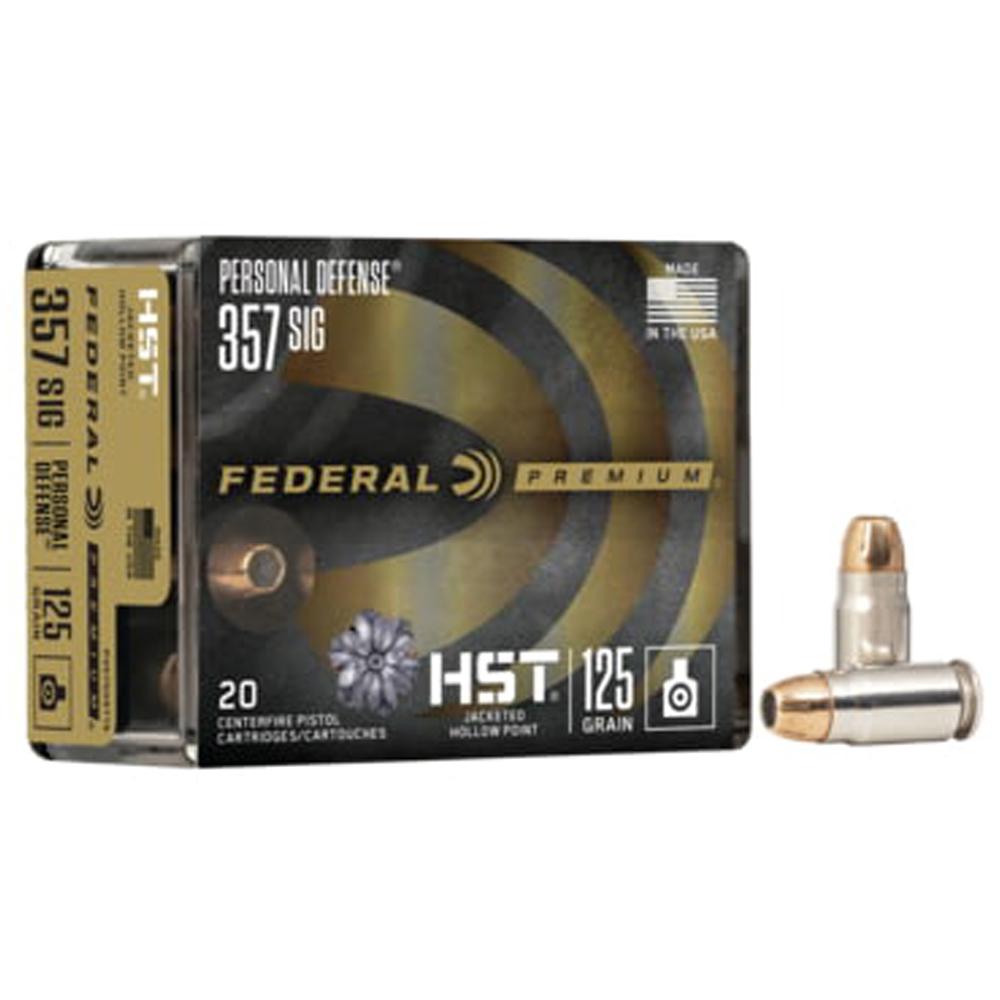
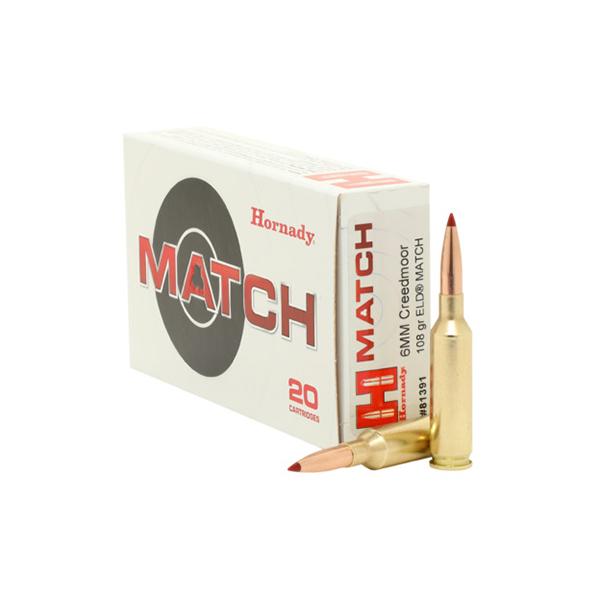
The AR-15 keeps drawing attention in courtrooms and legislatures, but that conversation rarely helps a buyer decide what to actually put in the safe. The more useful question is mechanical. What does a 16 inch carbine give up to a 20 inch rifle, when does a mid-length gas system matter, and which twist rate keeps a 77 grain load stable at distance? Those answers determine whether a rifle runs clean at 3,000 rounds or beats itself apart at 800.
Barrel length is a velocity and handling decision
Barrel length sets muzzle velocity, and muzzle velocity sets terminal performance and practical range. A 20 inch rifle firing 55 grain M193 typically runs near 3,240 fps. Cut to 16 inches and the same load generally lands in the 3,000 to 3,100 fps band. Drop to 11.5 inches and you are usually looking at roughly 2,700 to 2,800 fps, which pushes many fragmenting bullets below their reliable upset threshold well inside 100 yards.
- 20 inch rifle gas: highest velocity, softest recoil impulse, longest dwell time, heaviest at roughly 7.5 to 8 pounds bare. Best for prone and field shooting past 300 yards.
- 16 inch mid-length gas: the balanced default. Gas port sits about 9 inches from the chamber, which lowers port pressure and slows unlocking compared to carbine gas.
- 14.5 inch with a pinned and welded muzzle device: measures 16.1 inches or longer at the muzzle to stay a standard rifle, trims a few ounces, and shortens the sight radius.
- 11.5 inch carbine gas: maneuverable indoors, loud, and velocity limited. Requires a heavier buffer and careful ammunition selection.
Bare carbine weight for a 16 inch mid-length with a light contour barrel commonly falls between 6 and 6.5 pounds. Add a loaded 30 round polymer magazine at roughly one pound, an optic and mount at 10 to 18 ounces, and a light at 4 to 6 ounces, and a 6.2 pound rifle becomes an 8.5 pound rifle on the sling. Weigh the configured rifle, not the spec sheet.
Gas system timing is what keeps parts alive
A 16 inch barrel drilled for carbine gas has a shorter dwell and higher port pressure than the same barrel drilled mid-length. The bolt starts unlocking earlier, extraction happens under more residual pressure, and the carrier reaches the rear of the receiver extension harder. That shows up as brass thrown at 1 to 2 o’clock, brisk recoil, and shorter service life on gas rings and extractor springs.
Buffer weight is the cheapest correction. Standard carbine buffers weigh about 3.0 ounces, H buffers about 3.8 ounces, H2 about 4.6 ounces, and H3 about 5.4 ounces. A rifle length buffer runs near 5.2 ounces. Overgassed carbines and suppressed rifles usually settle down with an H2 or H3 and a quality spring. If you plan to run a can, an adjustable gas block or a two position bolt carrier gives you a way to tune back down.
Twist rate, chamber, and thread pitch
Twist rate decides which bullets you can shoot. A 1:7 twist stabilizes 62 to 77 grain projectiles and remains the military standard. A 1:8 twist covers 55 to 77 grain reliably and is the most versatile choice for a mixed ammunition diet. A 1:9 twist handles 55 and 62 grain well but often struggles with 77 grain open tip match at distance.
Chamber matters just as much. SAAMI maximum average pressure for .223 Remington is 55,000 psi, while 5.56 NATO is loaded hotter with a longer throat. A 5.56 NATO chamber safely digests both. A .223 Wylde chamber uses the longer 5.56 leade with tighter dimensions and typically delivers better accuracy with heavy match bullets. A tight .223 Remington chamber should be fed .223 only.
Muzzle threads on 5.56 barrels are almost universally 1/2×28. A .30 caliber AR barrel uses 5/8×24. That single figure determines whether your brake, flash hider, or suppressor mount will fit, and it is the first spec to verify before ordering anything for the muzzle. If a suppressor is in the plan, review the tradeoffs in our suppressor buyer’s guide before committing to a muzzle device standard, since host thread pitch and mount family drive compatibility for years.
Ammunition selection by role
- Volume practice: 55 grain FMJ. Cheapest per round and adequate to 200 yards.
- Precision and wind: 69 to 77 grain open tip match. Requires 1:8 or 1:7 twist and rewards a .223 Wylde chamber.
- Defensive use: 55 to 64 grain bonded or controlled expansion loads. These tolerate lower impact velocities from short barrels better than a bullet that relies purely on fragmentation.
- Hunting: check your state minimums. Some jurisdictions restrict magazine capacity for hunting to 5 or 10 rounds and set caliber floors for big game.
Zeroing is a specification decision too. A 50 yard zero with 55 grain ammunition keeps you within roughly 2 inches of point of aim out to about 200 yards and simplifies holdovers under time pressure. A 36 yard zero produces a similar near and far crossing near 300 yards with a steeper midrange arc.
Optics, mounting height, and sight offset
Mount height changes how the rifle drives. A 1.54 inch lower third mount keeps the head lower and works well with iron sight backup. A 1.93 inch mount raises the head, improves neck posture behind body armor or a plate carrier, and slightly increases mechanical offset. On a flat top AR, sight offset is roughly 2.5 inches with a standard mount, meaning close range shots inside 25 yards print low unless you hold over. A 1x red dot suits speed inside 100 yards. A 1-6x or 1-8x variable adds identification capability for field and hunting use at the cost of 8 to 12 ounces. Our rifle field optics guide breaks down reticle choice, tube diameter, and mount torque values.
Durability markers worth paying for
- Barrel steel to MIL-B-11595E specification, or 416R stainless for match use.
- High pressure tested and magnetic particle inspected bolt and barrel, marked HPT and MPI.
- Properly staked gas key on the bolt carrier and a staked castle nut on the receiver extension.
- Mil-spec 1.148 inch diameter receiver extension rather than the 1.17 inch commercial pattern, for stock interchangeability.
- M-LOK handguard attachment, which has become the dominant accessory standard.
Ownership lifecycle and maintenance intervals
Treat wear parts as consumables. Extractor springs and inserts are inexpensive and worth swapping every few thousand rounds on a hard use carbine. Gas rings, the extractor O-ring, and the buffer spring belong in a spares kit. A chrome lined 5.56 barrel commonly holds service accuracy through 10,000 to 20,000 rounds depending on firing schedule, while sustained rapid fire shortens that considerably. Heat, not round count alone, kills throats.
For storage and transport, keep the rifle dry and lightly lubricated on the carrier rails and bolt lugs. Foam lined cases trap moisture, so a desiccant pack in the case is cheap insurance in humid climates. Verify your state’s transport requirements for cased and unloaded long guns before travel, and keep magazine capacity in mind when crossing jurisdiction lines. Stocking a mix of 10, 20, and 30 round magazines makes compliant travel simpler.
A quick selection checklist
- Define the dominant use case: home defense inside 25 yards, general range work to 300, or field and hunting past 300.
- Pick barrel length and gas system to match, favoring 16 inch mid-length when uncertain.
- Match twist rate to the heaviest bullet you intend to shoot.
- Confirm chamber marking and muzzle thread pitch before buying accessories.
- Weigh the fully configured rifle and carry it for 20 minutes before you commit.
- Budget for optic, mount, sling, spare magazines, and 500 rounds of confirmation ammunition.
Ready to configure? Compare complete rifles and uppers in our AR-15 upper receiver selection and stock spares through our AR-15 magazine listings.
What to decide before your next purchase
Choose the barrel and chamber first, because everything else bolts to that decision. Gas system, buffer weight, twist rate, and thread pitch all flow from it, and they are the specifications that determine whether the rifle stays reliable after several thousand rounds. Optics and furniture can be changed in an afternoon. A mismatched barrel and gas port cannot.
FAQ
A 16 inch barrel is easier to handle and lighter, while a 20 inch barrel adds roughly 150 to 250 fps with 55 grain ammunition and a softer recoil impulse from rifle length gas. Choose 16 inches for general purpose and defensive use, 20 inches for distance shooting.
A 1:8 twist is the most versatile, stabilizing 55 through 77 grain bullets. Choose 1:7 if you shoot heavy match or duty loads exclusively. Avoid 1:9 if 77 grain match ammunition is part of your plan.
No. 5.56 NATO is loaded to higher pressure than the 55,000 psi SAAMI maximum for .223 Remington and uses a longer throat. A 5.56 NATO or .223 Wylde chamber accepts both cartridges safely.
Standard 5.56 AR-15 barrels use 1/2×28 threads. AR-10 pattern .308 barrels typically use 5/8×24. Confirm the pitch before ordering a brake, flash hider, or suppressor mount.
Standard carbine buffers weigh about 3.0 ounces. An H buffer at 3.8 ounces or an H2 at 4.6 ounces smooths out an overgassed 16 inch carbine, and an H3 at 5.4 ounces is common for suppressed or short barreled builds.
Plan on six to ten 30 round magazines for training and range use, plus 10 round options if you travel to capacity restricted jurisdictions. Rotate and inspect feed lips and followers annually.
Was this useful?