
Brief
Carry Gun Specs That Decide Whether You Carry Daily
Slide width, loaded weight, barrel length, capacity, optic footprint, and thread pitch all shape whether a defensive handgun gets carried. Here are the numbers.
Shop this at BLVista
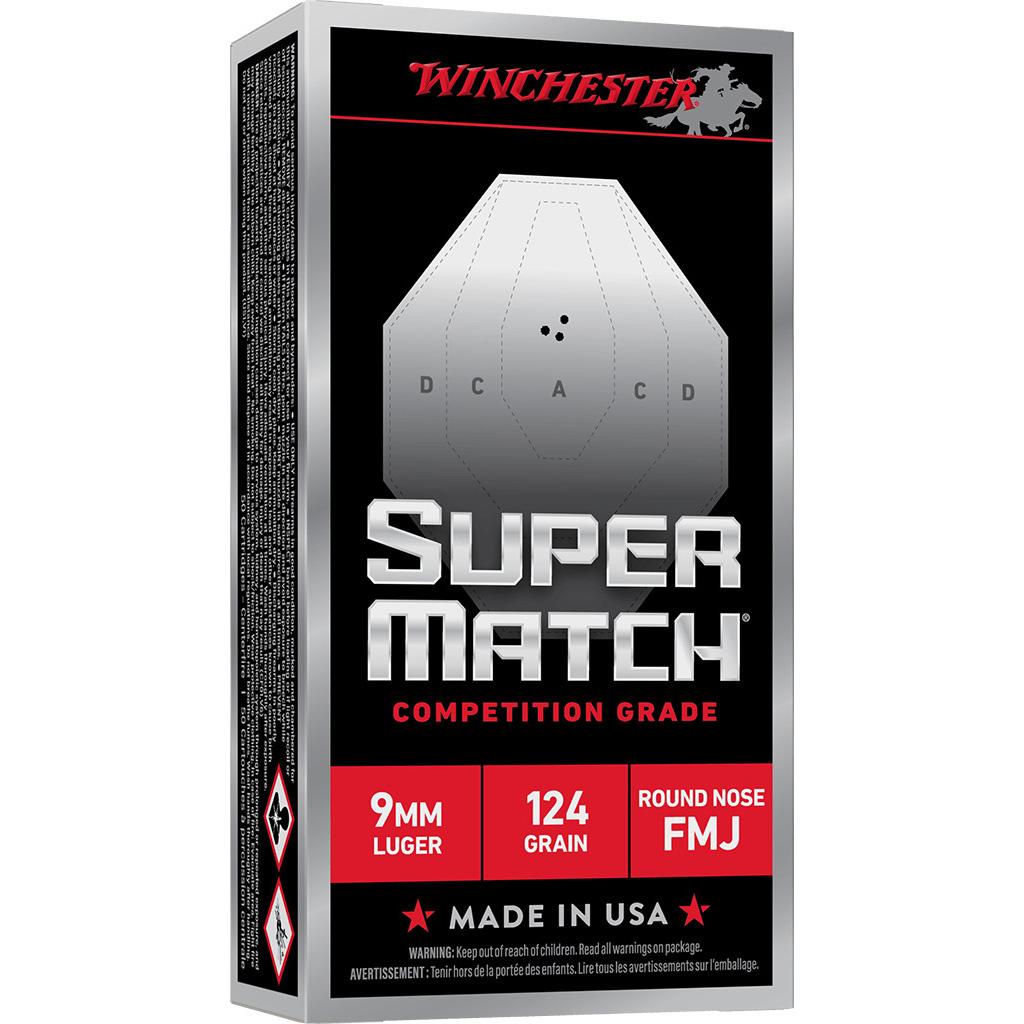 Winchester Super Match Handgun Ammunition 9mm Luger 124gr FMJ 1140fps 50/ct
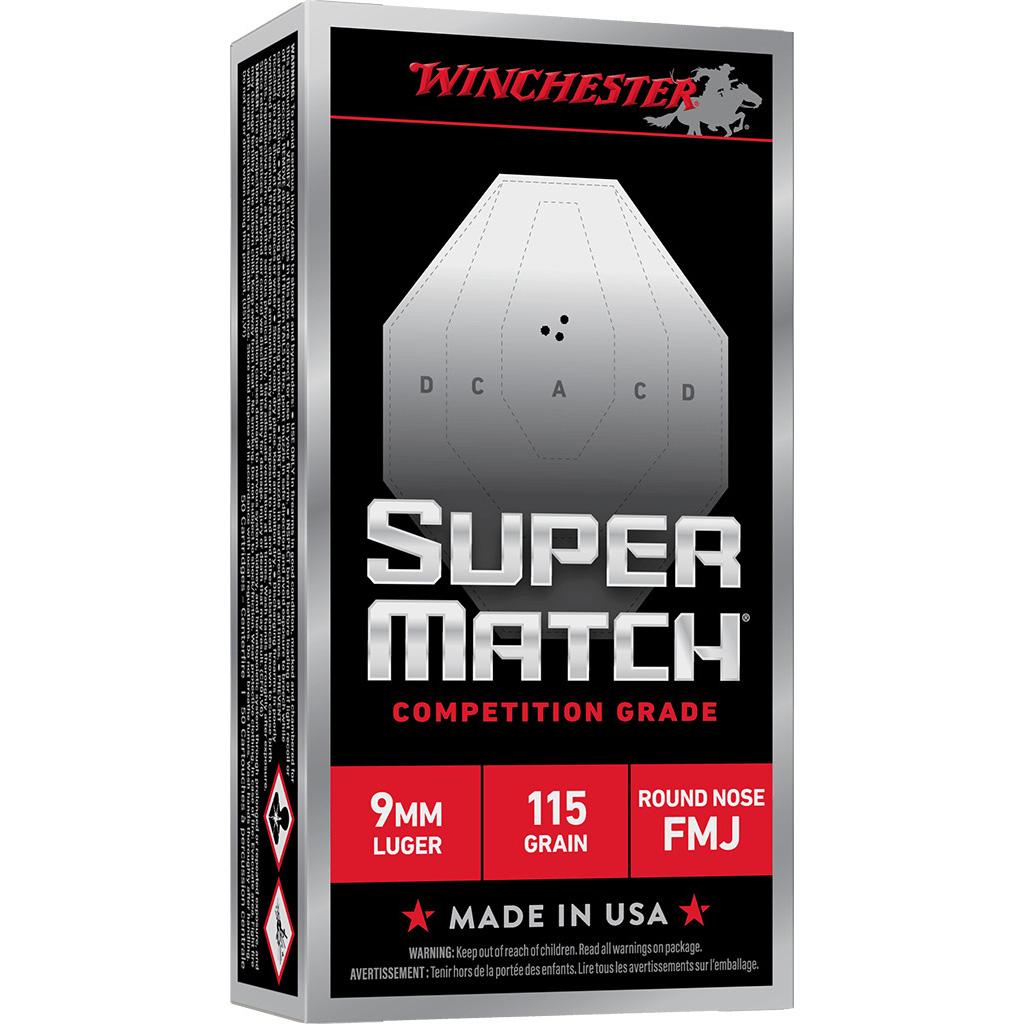 Winchester Super Match Handgun Ammunition 9mm Luger 115gr FMJ 1215fps 50/ct
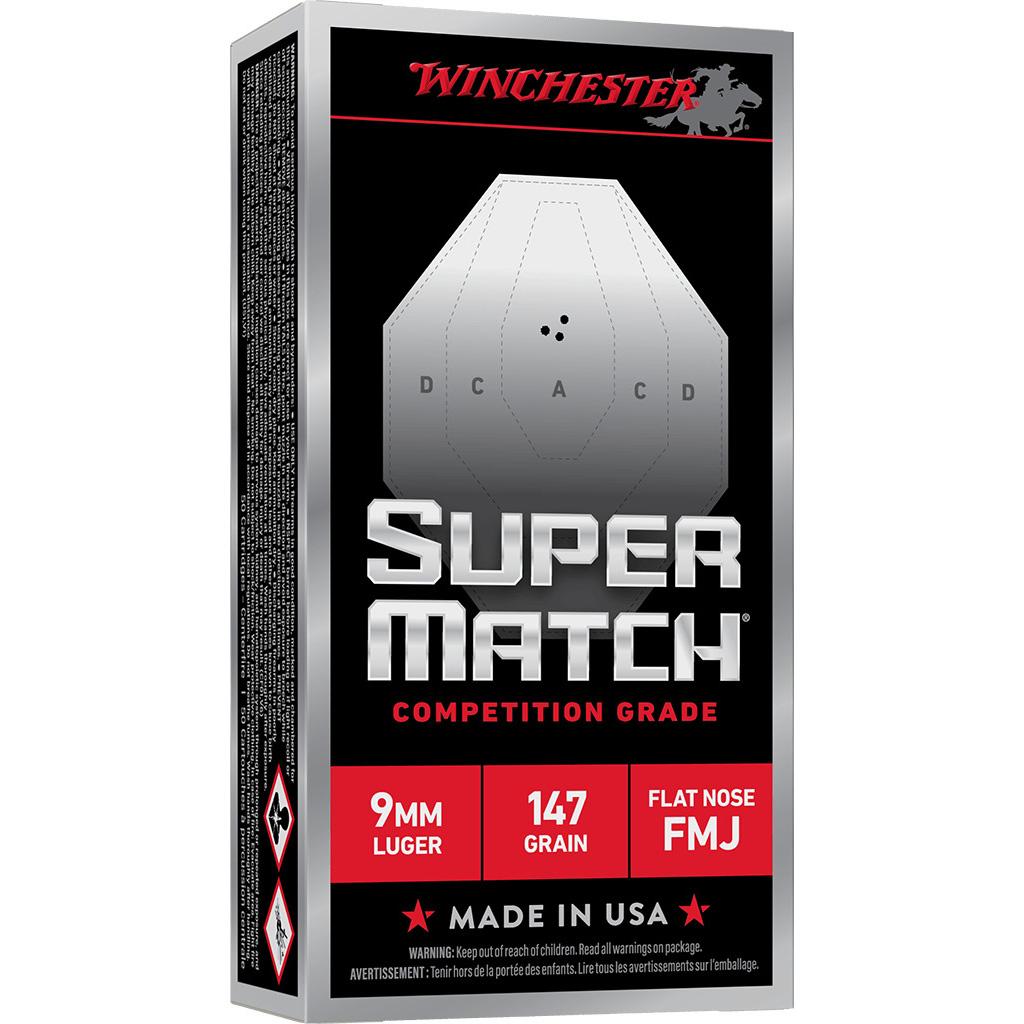 Winchester Super Match handgun Ammunition 9mm Luger 147gr FMJ 942fps 50/ct
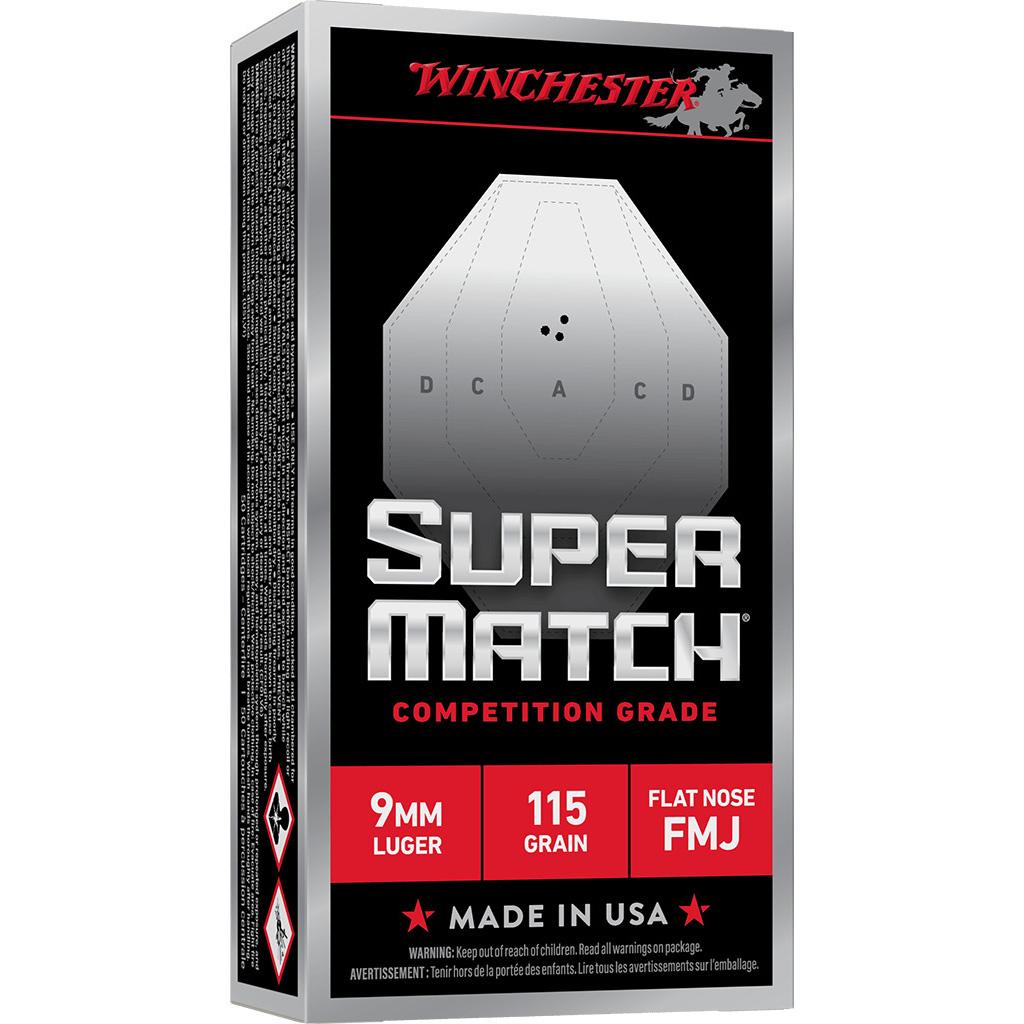 Winchester Super Match Flat Nose Handgun Ammunition 9mm Luger 115gr FMJ 1215fps 50/ct
The right to own and carry a defensive firearm predates the paperwork that protects it, and that is about all the legal framing this article needs. What matters at the personal level is the equipment. A handgun you own is not the same thing as a handgun you carry, and the gap between the two is almost always measurable in fractions of an inch and a few ounces.
Below is how to evaluate a carry setup with numbers instead of impressions, along with the tradeoffs that show up after a few thousand rounds and a few hundred days on the belt.
Width and weight decide daily compliance
Slide width is the single dimension that most affects concealment under a light shirt. Single stack and micro-compact 9mm pistols generally run 1.0 to 1.1 inches at the widest point of the slide, while double stack compacts sit closer to 1.25 to 1.30 inches including controls. That quarter inch sounds trivial until it is pressed against your ribs for twelve hours.
Weight compounds it. Consider the spread:
- Micro-compact 9mm, slim single stack pattern: roughly 17 to 19 ounces with an empty magazine, 3.1 to 3.7 inch barrel, 10+1 to 12+1 capacity.
- Compact polymer 9mm: roughly 21 to 24 ounces with an empty magazine, 3.4 to 4.0 inch barrel, 15+1 capacity typical.
- Full size 9mm: 4.4 to 5.0 inch barrel, 17+1 to 21+1, often 25 to 32 ounces empty.
- Steel frame 1911 in .45 ACP: 5.0 inch barrel, 8+1, commonly 38 to 41 ounces empty.
Add ammunition and the numbers move again. Fifteen rounds of 124 grain 9mm plus the magazine body adds roughly 7 to 9 ounces. A loaded full size pistol crossing 40 ounces is the most common reason a gun gets left in a safe on a hot Tuesday.
Barrel length costs velocity, not much else
Shorter barrels do not make 9mm ineffective, they make it slower. Expect roughly 25 to 50 feet per second of velocity loss per inch of barrel reduction with typical defensive loads. A 124 grain load advertised near 1,150 fps from a 4 inch test barrel often lands in the 1,050 to 1,100 fps range from a 3.1 inch micro-compact.
That matters because modern hollow points are engineered to expand within a velocity window. The benchmark most serious buyers use is the FBI-style gel standard of 12 to 18 inches of penetration in 10 percent ordnance gelatin with reliable expansion through denim and other intermediate barriers. Verify that your chosen load has been tested from a barrel length close to yours. A load that performs at 4 inches may plug and act like a full metal jacket at 3.1 inches.
Practical selection rule: pick the bullet weight the load was designed around, then confirm it cycles your specific pistol. Common defensive weights are 115, 124, and 147 grain in 9mm, with 147 grain subsonic loads running near 950 to 1,000 fps and favored for suppressed use.
Optic footprints are a compatibility problem, not a style choice
Red dot capable slides have become standard, and the footprint determines what you can actually mount. The two footprints that cover most of the carry market are the Shield RMSc pattern, used by many slim micro-compacts, and the Trijicon RMR pattern, common on compact and full size slides. Sights cut for one will not bolt to the other without an adapter plate, and adapter plates add height, which affects holster fit and sight co-witness.
Three checks before you buy an optic:
- Confirm the exact footprint your slide is cut for, not the general brand family.
- Confirm your iron sights are tall enough to appear in the window if you want a backup reference.
- Confirm your holster clears the optic height and the window, including any hood.
Window size drives usability. Enclosed emitter designs shed lint and moisture better for appendix carry, while open emitter designs are usually lower and lighter. Our carry red dot buyer’s guide walks through footprint matching, and you can compare current inventory through our pistol red dot selection.
Threads, suppressors, and host compatibility
If you intend to suppress a pistol, thread pitch is not optional trivia. The common standards are 1/2×28 for 9mm and 5.56, 0.578×28 for .45 ACP, and 5/8×24 for .308 and 300 BLK. Pistol threaded barrels for 9mm micro-compacts exist, though the shorter slide leaves less room for a piston and booster assembly, and reliability tuning gets fussier.
Suppressed 9mm typically lands in the 125 to 135 decibel range at the shooter’s ear with subsonic 147 grain ammunition, representing roughly 25 to 32 decibels of reduction from an unsuppressed report. Supersonic 115 and 124 grain loads still produce a ballistic crack regardless of the can. If suppression is a goal, plan the host, barrel, and ammunition together rather than buying in sequence. Our suppressor guide covers host pairing and mount standards in more detail.
Holster, belt, and the part most buyers underfund
A pistol is one third of a carry system. Belt stiffness and holster geometry determine whether a 24 ounce compact rides better than an 18 ounce micro. Look for gun belts in the 1.5 inch width range with a reinforced core, and holsters with adjustable ride height and cant between roughly 0 and 20 degrees for appendix or strong side positions.
Kydex retention should be adjustable, and the holster body should fully cover the muzzle and the trigger guard. A wedge or claw attachment costs little and does more for concealment than switching to a smaller gun. Browse IWB Kydex holsters and pair the choice with your daily clothing, not your range clothing.
Ownership lifecycle and maintenance intervals
Carry guns wear differently than range guns because they collect lint, sweat, and pocket debris while firing very few rounds. Sweat is the corrosion driver. Nitride and similar surface treatments resist it well, but springs and internals still need attention.
- Wipe down and inspect weekly if carried against the body.
- Replace recoil springs on micro-compacts at roughly 2,000 to 3,000 rounds, and on full size service pistols closer to 5,000 rounds, per the manufacturer’s published interval.
- Rotate carry ammunition annually and shoot the retired rounds for confirmation.
- Function check the magazine springs on magazines kept loaded year round.
Storage and transport add their own requirements. A locking container rated for vehicle use, plus a cable that anchors to a seat frame, handles the majority of real transport situations. For home storage, quick access safes with mechanical or biometric entry should be tested for lockout behavior and opening time before you rely on them.
A five point comparison checklist
- Dimensions: slide width, overall length, and loaded weight in your actual carry position.
- Capacity versus print: what you give up in rounds to gain concealment.
- Ammunition match: a defensive load tested at your barrel length hitting 12 to 18 inches of penetration.
- Optic and holster compatibility: confirmed footprint, confirmed clearance.
- Trigger and control reach: measured pull weight and whether your hand reaches the magazine release and slide stop without shifting grip.
If you want a structured way to evaluate the whole system rather than the pistol alone, start with our concealed carry readiness guide.
What to settle before you spend
Decide your carry position and clothing first, then set a maximum loaded weight you will tolerate. Those two constraints eliminate most of the market and leave you comparing a handful of pistols on capacity, barrel length, and optic cut rather than on feel alone. Buy the holster and belt at the same time as the pistol, and budget 200 to 300 rounds of your chosen defensive load for verification before it goes on your belt for real.
FAQ
Yes, provided the ammunition matches the barrel. Expect roughly 25 to 50 fps of velocity loss per inch compared with a 4 inch barrel. Choose a defensive load documented to expand and penetrate 12 to 18 inches from a short barrel rather than one tested only from a 4 or 5 inch test barrel.
Typically five rounds. Slim micro-compacts run 10+1 to 12+1 in 9mm, compacts run 15+1, and full size pistols run 17+1 or more. Extended magazines can close part of the gap at the cost of grip length and concealment.
Slim micro-compacts are usually cut for the Shield RMSc pattern, while compact and full size slides are commonly cut for the Trijicon RMR pattern. Confirm the exact cut on your slide before ordering, since adapter plates raise optic height and can affect holster fit.
1/2x28 is the common standard for 9mm. For .45 ACP it is usually 0.578x28, and 5/8x24 is standard for .308 and 300 BLK. Match the barrel thread, piston, and mount before buying the suppressor.
Rotate carry ammunition once a year and shoot the old rounds to confirm function. Replace recoil springs on micro-compacts around 2,000 to 3,000 rounds and on full size service pistols closer to 5,000, following the manufacturer's published schedule.
Substantially. A reinforced 1.5 inch gun belt keeps the holster vertical and stops the grip from rolling outward, which usually does more for concealment than dropping two ounces of pistol weight.
Was this useful?