
Brief
What Is a Ranch Rifle? Practical Criteria, Caliber Choices, and Field-Proven Picks
Learn what makes a ranch rifle, which calibers fit predators and pests, and how to choose a durable, compliant working rifle for trucks, ATVs, and rural...
Shop this at BLVista
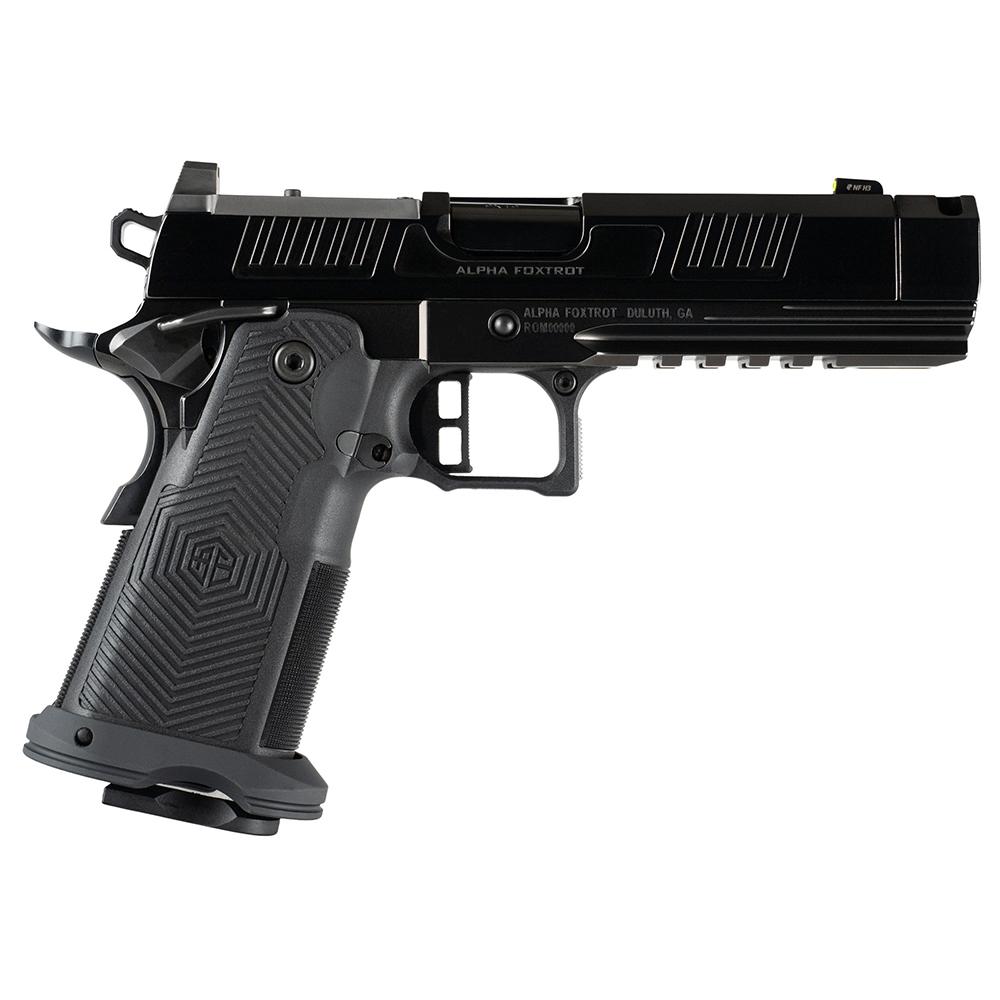
The firearms world loves categories, and “ranch rifle” is one of the few that comes from a real work requirement instead of a catalog feature list. There is no formal standard, no official action type, and no single caliber that defines it. In practice, a ranch rifle is the long gun that lives close to the door, rides in a truck, sits in a scabbard on an ATV, and gets used when something needs solving right now.
If you are choosing one for a ranch, a hunting property, or a rural home where you handle chores in the same places predators and trespassers show up, the right approach is simple. Start with the job. Then match the rifle to the reality of carry, weather, distance, and follow-up shots.
What a Ranch Rifle Actually Does
A ranch rifle supports two overlapping needs: protecting livestock and protecting the person doing the work. That sounds broad until you picture the problems that show up on real ground.
Predators and pests
Most “ranch rifle” shots are practical shots, not trophy shots. Coyotes slipping a fence line, feral dogs running stock, hogs tearing up pasture, and opportunistic predators that appear at bad angles and poor lighting. The rifle has to come up fast, hit what you aim at, and allow a quick second shot if the first does not end the problem.
Distance matters. Many ranch problems happen beyond comfortable handgun range and outside the pattern efficiency you want to rely on with a shotgun. A ranch rifle is often expected to deliver usable accuracy and terminal performance from 25 yards out to 150 yards, with the ability to stretch farther when terrain opens up.
Personal protection in remote areas
Ranches and rural properties often sit a long way from immediate help. The same rifle that handles predators also becomes a serious tool for defense against human threats. Theft and trespassing are not abstract concerns in many regions, and livestock theft is still a real criminal enterprise. In that context, a long gun with a stable firing position, better hit probability, and practical magazine capacity carries real value.
None of this replaces compliance and judgment. Know your local laws on firearms in vehicles, on public roads, and around property boundaries. Also think through safe backstops and the direction of travel for a missed shot. Pasture looks empty until you remember what lies beyond it.
The Ranch Rifle Checklist: What Matters and Why
A “good ranch rifle” is less about a brand name and more about a set of features that support day-to-day carry and fast, accountable shooting. Use this checklist to compare platforms.
1) Carry practicality
- Weight: A rifle that is too heavy gets left behind. Around 6 to 7.5 pounds before optic and sling tends to carry well for most people.
- Overall length: Shorter rifles stage easier in trucks and UTVs and draw from scabbards more cleanly. A 16-inch barrel is common for a reason.
- Sling and attachment points: A real sling setup is not optional on working guns. Confirm you can mount a durable two-point sling without improvised hardware.
2) Caliber that fits the problem set
Ranch rifles often land in intermediate cartridges because they balance range, recoil, and follow-up shot speed. Typical examples include 5.56 NATO, .300 Blackout, and 7.62×39. Each has tradeoffs:
- 5.56 NATO: Flat trajectory, common ammo and magazines, low recoil. Bullet selection matters for terminal performance on larger pests and for minimizing ricochet risk.
- .300 Blackout: Performs well from short barrels, works well as a suppressor host, strong bullet options at moderate distances. Trajectory drops faster, so know your holds.
- 7.62×39: Good energy with manageable recoil and widely available rifles. Quality mags and ammo consistency matter for reliability and accuracy.
Pistol-caliber carbines can be useful for specific tasks, but many ranch scenarios require more reach and better performance on tough animals. Rimfire has a place for pests and training, but it is a specialist tool, not a general ranch answer.
3) Fast, repeatable hits
A ranch rifle needs “field accuracy,” meaning it should reliably place rounds where you need them from improvised positions, not just from a bench. That points to:
- Good trigger control: A predictable trigger helps when you are breathing hard after running a gate or climbing into a vehicle.
- Manageable recoil: Recoil and muzzle movement drive split times and sight recovery. Intermediate cartridges in a properly set up rifle make fast follow-up shots realistic.
- Ergonomics that support quick handling: Controls should be usable with gloves and under stress.
4) Optics and sighting that match real use
Ranch work happens at mixed distances. A low-power variable optic (LPVO) or a rugged red dot with a practical zero can cover most needs. The deciding factor is usually the terrain:
- Brushy, close terrain: Red dot or 1x to 4x.
- Open pasture and longer lines of sight: 1x to 6x or 2x to 10x, depending on expected distance.
Prioritize durability and repeatable zero over extra features. Confirm you have a solid mounting system, and keep backup irons if the platform supports them without compromise.
5) Weather resistance and low-maintenance materials
Dust, rain, snow, and sweat are normal. Look for corrosion-resistant finishes, stainless or treated components where it matters, and stocks that do not swell or warp when wet. If you prefer wood for the classic “ranch rifle” feel, accept that it requires more care and should be inspected for cracking and screw tension changes over time.
6) Reliability under neglect, not just after cleaning
Working rifles live harder lives than range rifles. If your rifle rides in a vehicle, plan for vibration, grit, and temperature swings. That should influence your choice of action and your maintenance plan. A ranch rifle should run when it is slightly dry, slightly dirty, and handled with imperfect technique.
Platform Choices: What You Gain and What You Give Up
Semi-auto “traditional” ranch style: Ruger Mini-14
The Ruger Mini-14 is often what people picture when they hear “ranch rifle.” It delivers intermediate-caliber semi-auto capability in a traditional rifle profile. That matters in jurisdictions or households where a conventional look is preferred, or where a pistol grip is undesirable for storage, carry, or policy reasons.
In real ownership terms, buyers should look closely at magazine cost and availability, optic mounting approach, and practical accuracy expectations. The Mini platform has improved over the years, but if your decision hinges on maximum modularity, low-cost magazines, and easy optics setup, the AR-15 ecosystem still sets the benchmark.
Short, handy bolt action: Ruger American Rifle Gen II Ranch
A bolt-action ranch rifle makes sense when you want simplicity, consistent accuracy, and a rifle you do not mind exposing to rough conditions. The Ruger American Gen II Ranch concept is straightforward: short barrel, practical weight, and chamberings that range from intermediate cartridges to heavier short-range options.
Where bolt guns shine is accountability and precision, especially with a decent trigger and a stable optic mount. Where they cost you is speed. If your ranch problems often involve multiple animals, or you anticipate the need for rapid follow-up shots, train accordingly and keep expectations honest.
One practical advantage: several versions accept common magazines, including some that use AR-15 magazines. That simplifies spares, staging, and replacement over the rifle’s lifecycle.
AR capability with a traditional stock: Foxtrot Mike Ranch Rifle
This category exists for a reason. Some shooters want AR-15 ballistics, optics mounting, and parts support while keeping a conventional stock profile. Designs like the Foxtrot Mike Ranch Rifle blend an AR-pattern upper with a lower configured for a traditional stock.
The value is mostly about handling and compliance. A more traditional stock can ride thinner in a scabbard and may align better with certain state restrictions or property policies. The tradeoff is that proprietary components can limit modification and parts interchange. Before buying, identify which parts are standard AR and which are unique to the system so you can plan spares.
Premium piston semi-auto: Sig Sauer MCX-Regulator
In a ranch context, the main draw of an MCX-based option is the gas system and suppressor friendliness. Short-stroke piston designs tend to manage fouling and blowback differently than direct impingement, which matters if you plan to run a suppressor to reduce noise around livestock and near outbuildings.
Weight and cost are the deciding factors. Heavier rifles carry worse on long days, and expensive rifles change how willing most owners are to treat them like a tool. If you go premium, budget for a sling, optic, spare mags, and a realistic maintenance and storage setup. The rifle is only one part of the working system.
Rimfire ranch tool: Heritage Rough Rider Rancher Carbine
Rimfire “ranch rifles” are best viewed as pest and practice guns. A .22 LR or .22 WMR carbine can live by the door for snakes, small varmints, and training new shooters without burning centerfire ammo. The Heritage Rough Rider Rancher Carbine is a niche example that is extremely light and compact.
Capacity and reload speed are limitations, and rimfire reliability varies more by ammunition than most centerfire setups. If this is your choice, test your actual ammo lot, keep the gun clean, and be honest about the size of animal and distance you expect to handle.
Ownership Reality: Setup, Maintenance, and Storage
Optic choice and zero
Pick a zero that matches your most common shot distance and your cartridge. Confirm it from real field positions. Keep a simple dope note for your optic or reticle holds where you store the rifle.
Suppressors and hearing safety
On large properties, suppressed rifles reduce disturbance to livestock and neighbors and improve communication during problem-solving. Compliance is part of the decision. Follow federal and state law, transport rules, and storage requirements. Also understand that “suppressed” still requires safe hearing practices in many scenarios, especially with short barrels and certain calibers.
Vehicle and property storage
A working rifle gets staged. That adds risk. Use a lockable vehicle mount or secured case where legal, keep the chamber condition consistent with your safety plan, and protect the rifle from dust and condensation. If your rifle lives in a truck, plan for rust prevention, periodic function checks, and optics mount inspection.
Maintenance cadence that fits real life
Instead of cleaning on an arbitrary schedule, use a quick inspection routine:
- Wipe down exterior metal after rain or sweat exposure.
- Confirm optic mount screws and sling hardware stay tight.
- Check magazines for dents, feed lip damage, and weak springs.
- Verify zero after hard knocks, long vehicle rides, or major temperature swings.
How to Choose Your Ranch Rifle: A Simple Decision Framework
- Define your primary problem: coyotes at 120 yards, hogs in pasture, snakes near barns, or property defense.
- Define your typical carry method: sling on foot, truck behind the seat, ATV scabbard, or staged in an outbuilding.
- Pick the cartridge that fits: intermediate for general use, rimfire for pests only, heavier short-range options if that is truly your need.
- Choose the action: semi-auto for speed and multiple threats, bolt for simplicity and precision, hybrid designs for compliance or handling preferences.
- Build the system: optic, sling, magazines, ammo you have verified, and a storage plan that keeps the rifle safe and lawful.
A ranch rifle is a working gun. The best one is the rifle you will actually carry, can keep running in harsh conditions, and can shoot well from awkward positions when time is short.
FAQ
A ranch rifle is a practical long gun chosen for daily utility around rural property. It prioritizes carry comfort, reliability in dust and weather, fast handling, and enough range and power for predators, pests, and defensive use.
For general ranch use, intermediate cartridges like 5.56 NATO, .300 Blackout, and 7.62x39 balance recoil, effective range, and follow-up shot speed. Rimfire (.22 LR or .22 WMR) fits pest control and training. Match caliber to typical distance, animal size, and local rules.
Yes. An AR-15 is one of the most practical ranch rifles because it is lightweight, accurate, easy to mount optics on, and supported by abundant magazines and parts. Setup and maintenance matter, especially if the rifle rides in vehicles and sees dust and temperature swings.
The Ruger Mini-14 offers semi-auto performance in a traditional rifle profile. Many owners prefer its handling and appearance for ranch use, and it has a long track record as a working rifle. Buyers should budget for quality magazines and verify their optic mounting plan.
A bolt-action ranch rifle fits owners who want simple operation, strong practical accuracy, and a rifle they can run hard with straightforward maintenance. The tradeoff is slower follow-up shots, which matters with multiple pests or moving targets.
A suppressor can reduce noise around livestock, improve communication, and make training more comfortable. Choose a rifle that runs reliably suppressed, confirm your barrel threading, and follow all federal and state compliance requirements for ownership, storage, and transport.
Many ranch rifles do well with an LPVO (1-4x or 1-6x) for mixed distances, or a rugged red dot for close, fast shooting. Prioritize durability, a proven mount, and a zero that matches your typical shot distance and cartridge.
Use a lockable mount or secured case where legal, protect the rifle from dust and condensation, and adopt a consistent safety condition for chamber and magazine status. Inspect optic mounts, sling hardware, and magazines regularly due to vibration and impacts.
Was this useful?